
Film
Porgy and Bess
Otto Preminger's lavish, contested screen version of the Gershwin opera renders Catfish Row in Todd-AO widescreen, with Poitier and Dandridge dubbed by opera singers over standards like 'Summertime' and 'It Ain't Necessarily So'. It's gorgeous and troubling in equal measure — a landmark for Black performers that several of those same performers later disowned. Watch it for the music and the history it represents, not for comfort.
If you liked this
Carmen Jones1954no page yet
Dandridge again, five years earlier, in the tighter and clearer of the two Preminger vehicles built around her — another opera reworked with a Black cast and a doomed femme fatale at its centre.
But The dubbing debate resurfaces, and Preminger's control over another all-Black classical adaptation raises the same authorship questions.
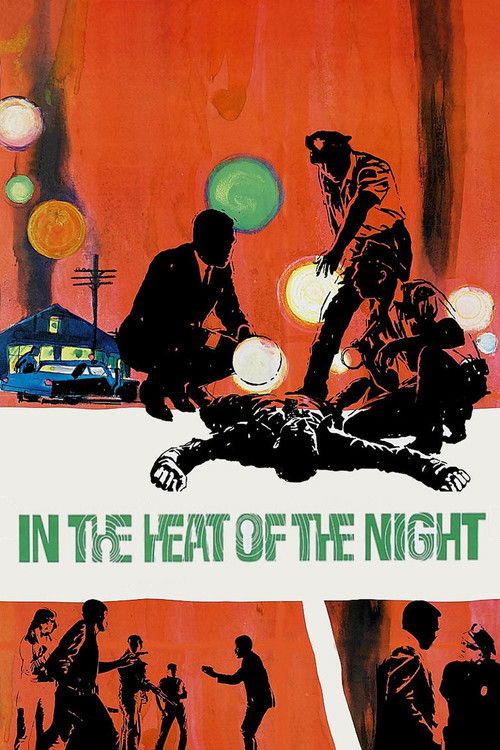
In the Heat of the Night1967
Poitier at the height of his authority, playing a detective who refuses to be diminished by a Mississippi town — the assured, controlled performance Porgy never gets to give.
But It's a straight procedural drama with no music, so if you came for the songs you'll miss them entirely.
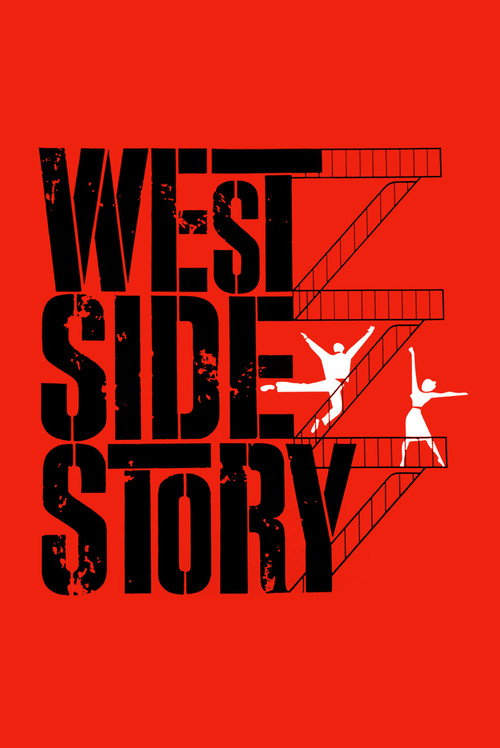
West Side Story1961
Another doomed love story staged as musical spectacle, with a rival gang standing in for Crown's menace and dance replacing Porgy's limp as the physical language of longing.
But The tragedy is teenage and romantic rather than adult and desperate, a lighter register than Catfish Row's.
The wildcard
Something you would not have found on your own.
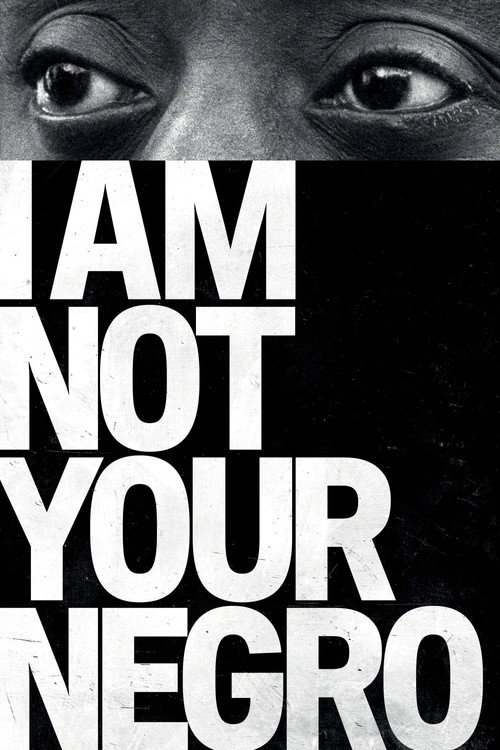
I Am Not Your Negro2017
Baldwin wrote directly about Porgy and Bess and the burden it placed on its cast; this film supplies the critical lens the opera itself never offers.
James Baldwin, in his own words and Samuel L. Jackson's narration, dissects exactly the trap Porgy and Bess sits in — Hollywood's history of loving Black suffering as spectacle while refusing Black authorship.
But It's essay, not entertainment — dense, angry and demanding in a way the opera's melodies never ask you to be.
More like this (8)
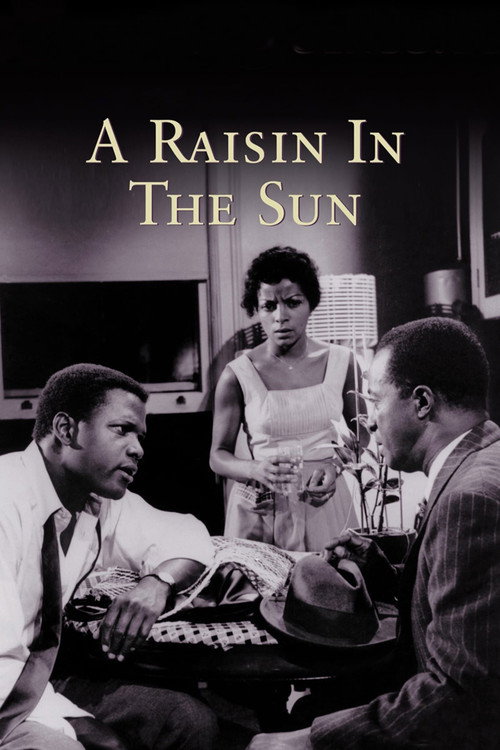
A Raisin in the Sun1961
Poitier again, this time in a story written and controlled by a Black playwright — a useful corrective if Porgy's authorship troubled you, and just as emotionally direct.
But No music, no spectacle — it's a chamber drama about one Chicago apartment, much smaller in scale.
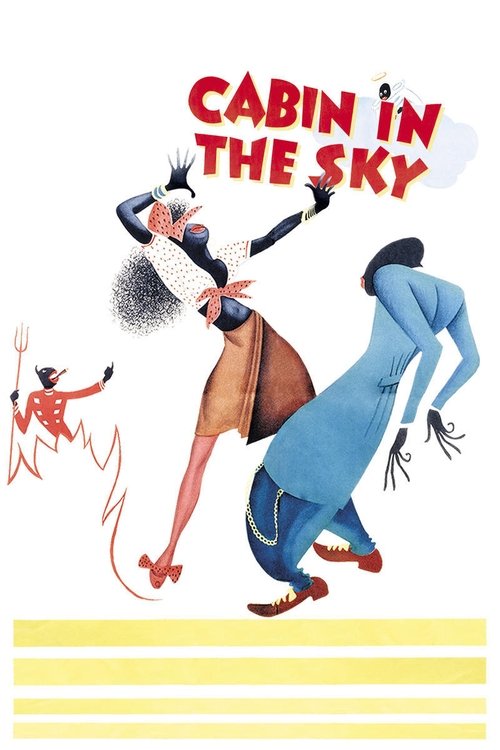
Cabin in the Sky1943
An earlier all-Black-cast musical fantasy, gentler and stranger, with Ethel Waters carrying the same weight of temptation and redemption that hangs over Bess.
But The fantasy framing of angels, devils and dream logic softens the stakes in a way some will find twee rather than moving.
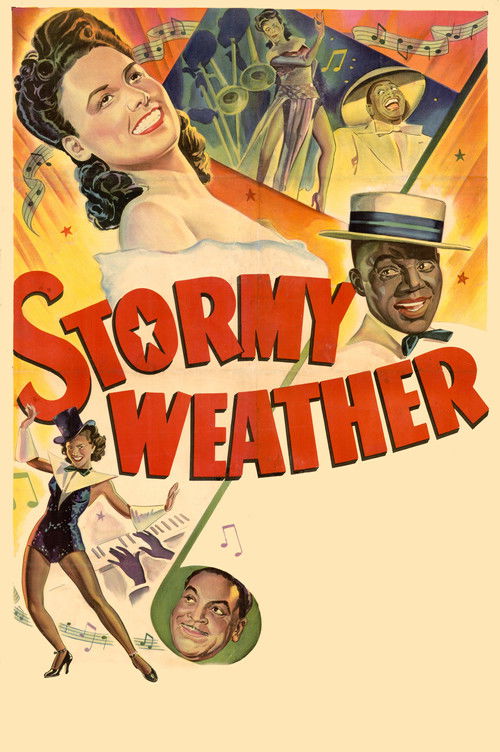
Stormy Weather1943
Pure spectacle rather than tragedy — Lena Horne, Cab Calloway and the era's best Black performers let loose in a revue with none of Porgy's heaviness.
But There's barely a plot; it's a showcase, not a drama, and some will want more story to hold onto.
Show Boat1951no page yet
Another Mississippi River musical wrestling with race and doomed romance, adapted from a much-revived stage show, with 'Ol' Man River' doing similar emotional work to 'Summertime'.
But Its central mixed-race romance plot is handled with 1950s Hollywood caution, softer and more evasive than Porgy and Bess.
Lilies of the Field1963no page yet
Poitier in a warmer, funnier register — an itinerant handyman helping nuns build a chapel, the role that won him the Oscar and the antidote if Porgy left you drained.
But It's slight and sentimental by design, with none of the scale or ambition of the Gershwin opera.
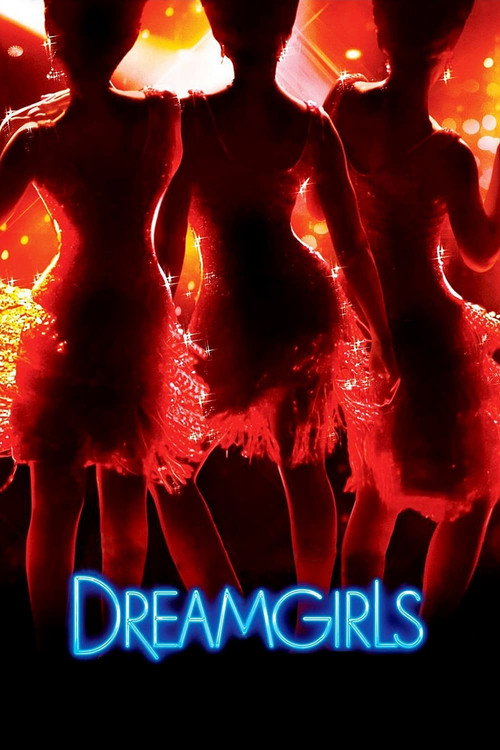
Dreamgirls2006
A modern, full-throated musical about Black performers navigating an industry built to exploit them — the exploitation Porgy and Bess only gestures at, sung out loud.
But It's glossier and more commercial, a showbiz melodrama rather than anything close to Catfish Row's poverty.
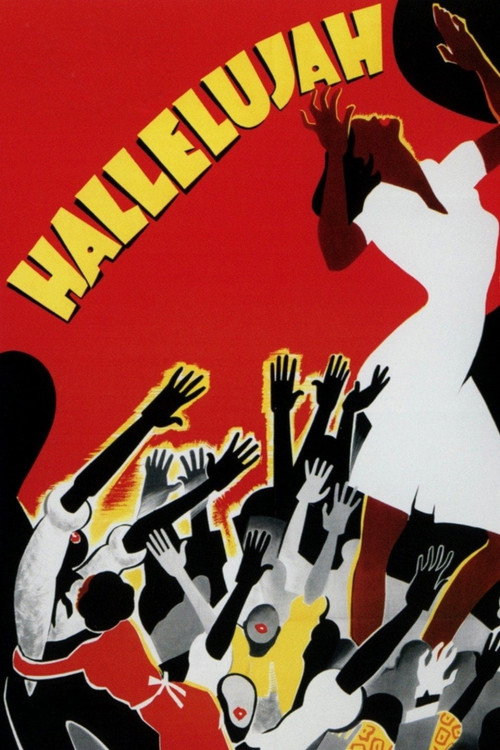
Hallelujah1929
It's the direct ancestor of Porgy and Bess's moral architecture — same Southern setting, same fallen-woman plot, made three decades earlier by white studio hands for much the same reasons.
King Vidor's silent-into-sound melodrama was the first major studio film with an all-Black cast, and it's already telling the story Porgy and Bess would tell thirty years later — sin, gambling, a woman who leads a good man astray, redemption through suffering.
But It's a 1929 production creaking with early-sound technical limits and the era's own patronising assumptions, harder to sit through than a glossy 1959 musical.
Sweet Sweetback's Baadasssss Song1971no page yet
It's the angry answer to the question Porgy and Bess never asks: what does this story look like when Black filmmakers, not white ones, are holding the camera?
Made independently by Melvin Van Peebles outside the studio system, it takes the same subject — Black poverty, sex work, addiction, survival — and refuses every bit of Hollywood's gloss and control.
But It's deliberately raw, sexually explicit and structurally loose — a confrontation, not a comfort, and about as far from a Gershwin melody as cinema gets.
People
Cast
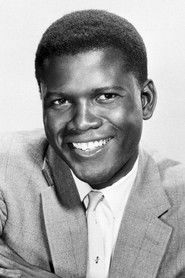 Sidney PoitierPorgy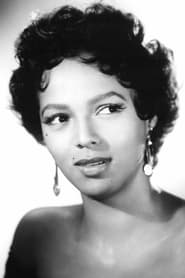
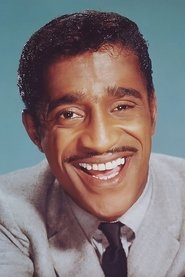 Sammy Davis Jr.Sportin' Life
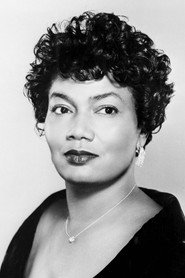 Pearl BaileyMaria
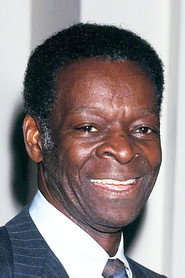 Brock PetersCrowne
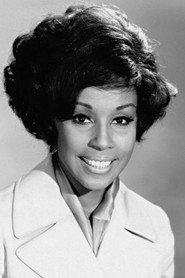 Diahann CarrollClara
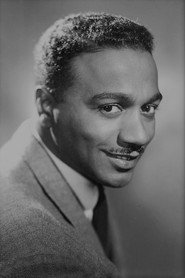 Leslie ScottJake
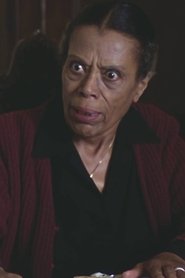 Ruth AttawaySerena Robbins
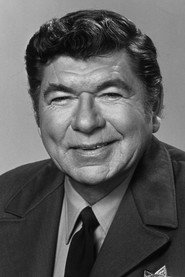 Claude AkinsDetective
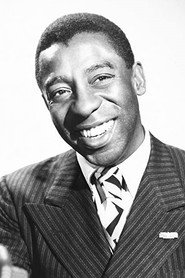 Clarence MusePeter
- Everdinne WilsonAnnie
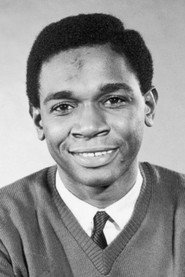 Ivan DixonJim
Directing
- Paul HelmickAssistant Director
- Otto PremingerDirector
Writing
- DuBose HeywardBook
- Ira GershwinBook
- Ira GershwinLyricist
- N. Richard NashScreenplay
- Dorothy HeywardTheatre Play
- DuBose HeywardTheatre Play
Production
- Samuel GoldwynProducer