
Film
A Man Called Adam
A 1966 jazz drama starring Sammy Davis Jr. as a brilliant but self-destructive trumpeter navigating racism, addiction, and the gap between artistic genius and personal stability. It's a serious film about a Black musician's inner life—rare for its era—anchored by Davis's charismatic performance and a superb soundtrack featuring Louis Armstrong. For anyone interested in jazz history, the Black experience in mid-century America, or the cost of artistic greatness.
Should you watch it?
Watch it if you love films where the music is the emotional language, and you don't mind a 1960s studio drama that lets its musicians say more through their instruments than their words.
Skip it if you want a brisk plot with a clear hook, since this drifts through long, quiet stretches and its troubles circle rather than build toward a point.
What it asks of you: Settle in for a compact 99 minutes; the mood runs melancholy and the pace is patient, so attention pays off in small looks and silences more than in events.
Not sure? Find tonight's pick in a minute.
If you liked this
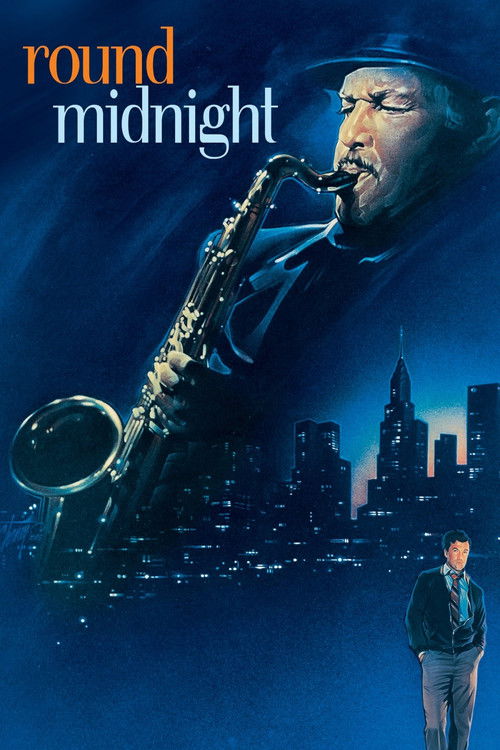
'Round Midnight1986
Dexter Gordon (a real jazz legend, not an actor) plays a saxophonist struggling with addiction and exile in Paris. It's a portrait of artistic brilliance shadowed by self-destruction—the same engine as Adam, but with the weight of lived experience behind it.
But It's slow, meditative, and assumes patience with long instrumental passages. If you want plot momentum, this isn't it.
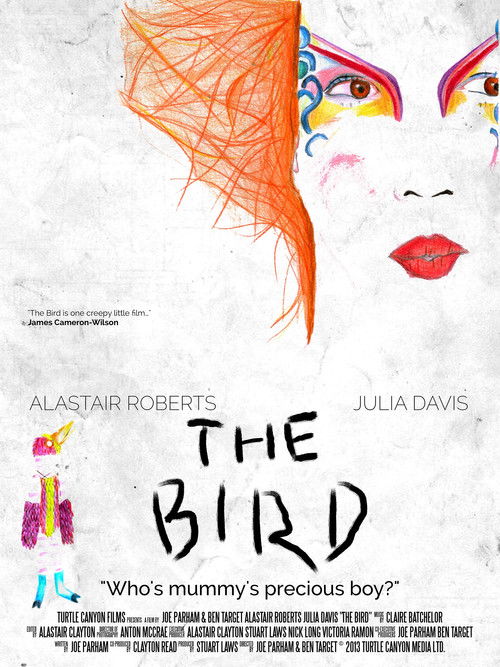
The Bird2014
A documentary about Charlie Parker that captures the genius, the chaos, and the America that both elevated and destroyed him. Real archive footage, real musicians, real consequences—the full picture of what Adam dramatizes.
But Heavy subject matter about addiction and early death. Not a celebration; a reckoning.
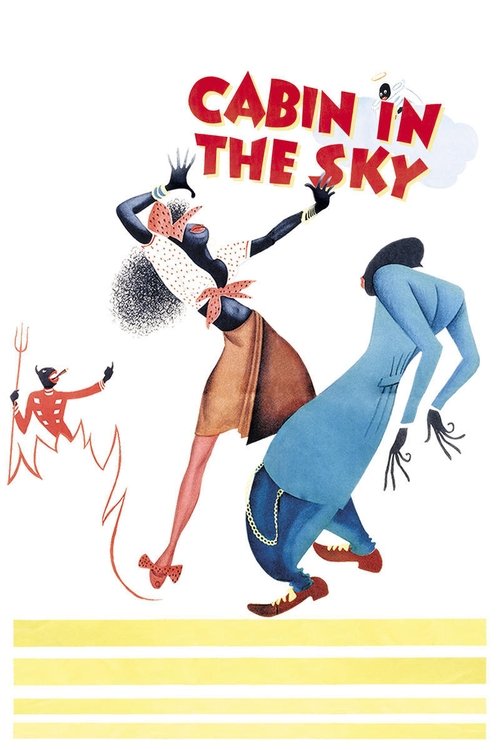
Cabin in the Sky1943
An earlier all-Black musical with Ethel Waters and Eddie 'Rochester' Anderson that takes its characters and their moral life seriously. It's entertainment *and* dignity—the path that Adam was following.
But The spiritual framework won't resonate if you're not tuned to it. Some of the plotting feels quaint now.
Not sure tonight? Get a pick in a minute, starting from A Man Called Adam
The wildcard
Something you would not have found on your own.
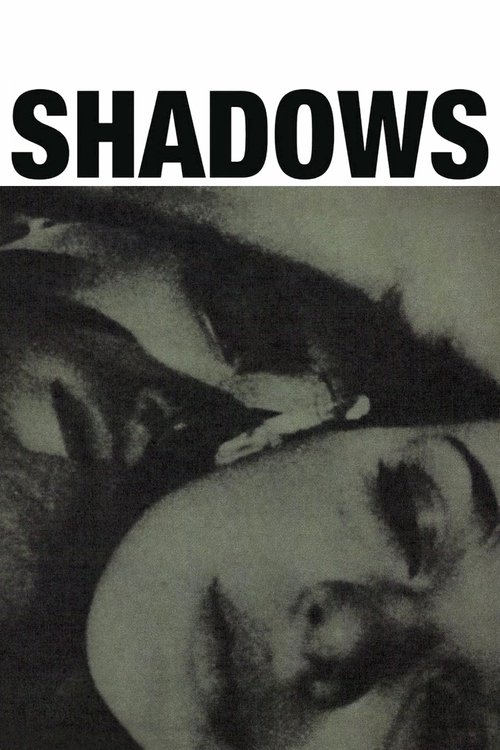
Shadows1960
Both films center Black characters wrestling with their own agency in a society that wants to define them. Adam uses the jazz world; Shadows uses the city itself. Both refuse easy answers.
John Cassavetes' semi-improvised film about Black identity and passing, shot in grainy black-and-white on a shoestring budget. It's rougher and more formally experimental than Adam, but asks the same urgent questions about who gets to define you, and it does so with radical honesty.
But The loose structure and naturalistic acting feel formless if you're expecting classical narrative. Some scenes are genuinely difficult to parse.
More like this (8)
Syncopation1942
A jazz history film that traces the music from New Orleans through the swing era, with real musicians and a genuine love for the form. It's educational without being a lecture, and the performances are incandescent.
But The plot connecting the music is thin and sometimes awkward. You're really there for the performances, which means stopping and starting matters less than it should.
Lady Sings the Blues1972
Diana Ross as Billie Holiday—a Black artist's life story told with urgency and pain, covering addiction, racism, and the price of survival. It has the same serious intent as Adam, but with a woman at the center and a decade of hindsight.
But It streamlines Holiday's life for dramatic effect. Some jazz historians find it oversimplified, though Ross's performance is undeniable.
Imitation of Life1959
A melodrama about race, identity, and the performance of self—themes that haunt Adam but approached from a different angle. Douglas Sirk's visual style makes every emotional conflict visible on the screen.
But It's deeply soapy, and the racial politics, while serious, come wrapped in 1950s Hollywood conventions. Some moments feel patronizing now.
Paris Blues1961
Paul Newman, Sidney Poitier, and Diahann Carroll navigate jazz, romance, and displacement in Paris. It's lighter than Adam but trades in the same idea: what happens when Black artists and American racism collide abroad.
But The romance subplot takes equal weight with the jazz and identity themes. If you want more music and less love triangle, you'll be frustrated.
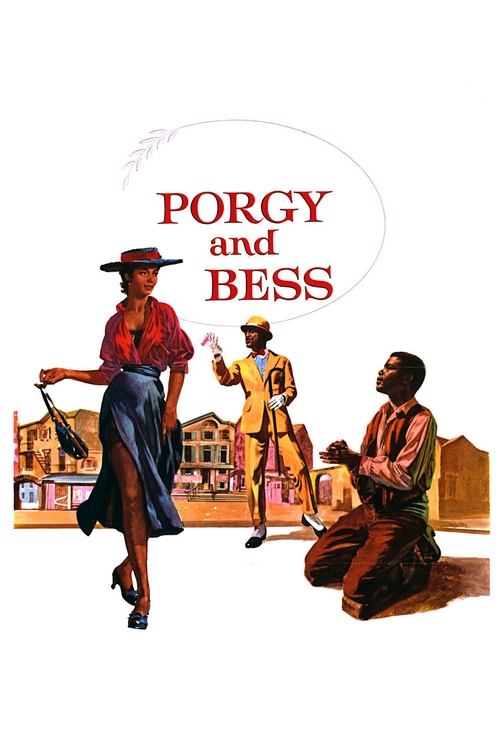
Porgy and Bess1959
Sidney Poitier, Dorothy Dandridge, and a remarkable score by George Gershwin. It's another film wrestling with Black life in America through a musical frame, though from a very different tradition than jazz.
But The source material has a complicated racial history, and some of the production choices haven't aged well. It can feel paternalistic, even when the performances transcend that.
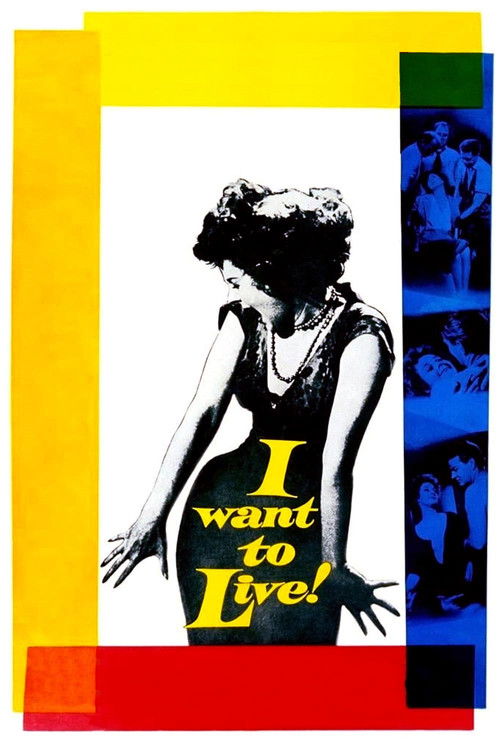
I Want to Live!1958
Susan Hayward as a woman on death row, fighting for her life through a system indifferent to her humanity. It's about desperation and powerlessness—the emotional core of Adam, though from an entirely different social position.
But It's bleak and punishing. The documentary-style realism in the execution scenes is deliberately hard to watch.
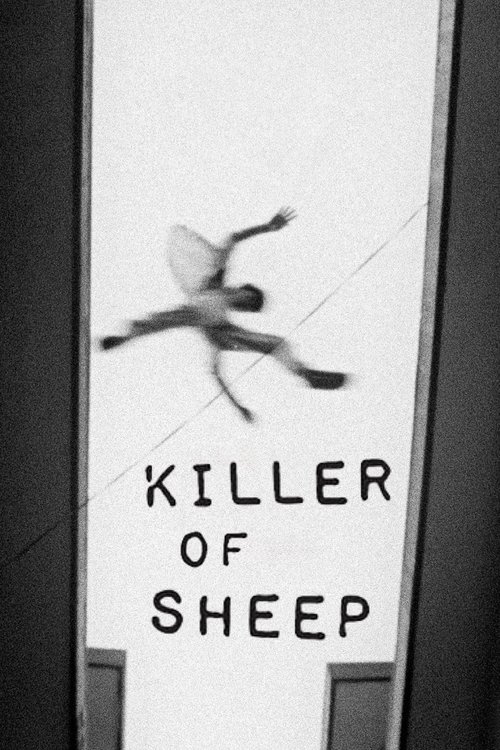
Killer of Sheep1978
Both films center a Black male protagonist undone by forces larger than individual will—society, racism, economics, self-destructive impulse. But where Adam is about the genius who can't save himself, Killer of Sheep is about the ordinary man for whom survival *is* the full measure of genius. No spotlight, no applause, just endurance.
Charles Burnett's lyrical, devastating portrait of a Black working man in Watts, told through fragments and long silences. It's not about jazz or performance—it's about the weight of ordinary survival. Formally it's a poem; emotionally it's ruthless.
But There's almost no plot. It's mood and observation, which can feel like nothing is happening if you're looking for forward motion. The 16mm image is deliberately grainy.
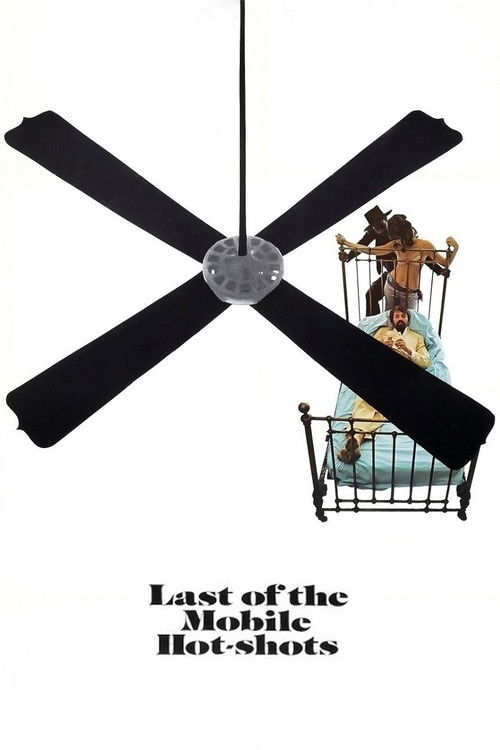
Last of the Mobile Hot Shots1970
Both films take intelligent, charismatic men as their subject and watch them self-destruct in real time, without intervening to save them. But where Adam grounds the tragedy in race and the music world, Mobile Hot Shots grounds it in Southern gothic decadence and theatrical excess. Both are about the intoxication of watching someone destroy themselves.
An underrated adaptation of Tennessee Williams set in Mississippi, with Richard Burton and Lynn Redgrave navigating class, sex, and moral decay in the Deep South. It's a different register entirely—gothic, theatrical, wildly uneven—but it shares Adam's fixation on talented men destroyed by their own nature and circumstance.
But It's genuinely weird in a way that doesn't always cohere. Burton chews scenery; the film sometimes chews it with him. If you want subtlety over abandon, skip it.
People
Cast
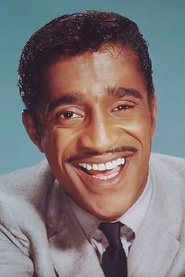 Sammy Davis Jr.Adam Johnson
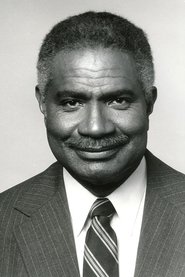 Ossie DavisNelson Davis
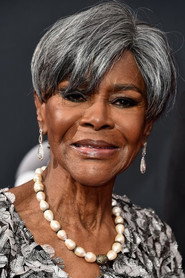 Cicely TysonClaudia Ferguson
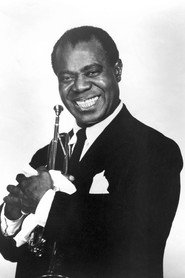 Louis ArmstrongWillie Ferguson
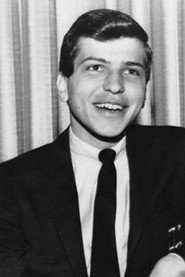 Frank Sinatra Jr.Vincent
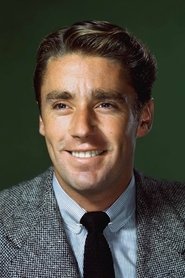 Peter LawfordManny
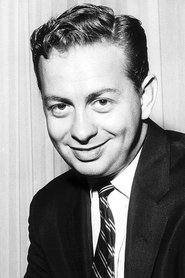 Mel TorméMel Tormé
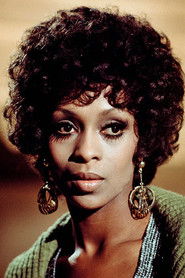 Lola FalanaTheo
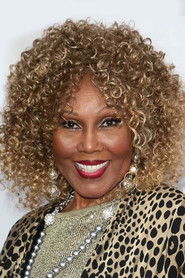 Ja'net DuBoisMartha
- Johnny BrownLes
- George RhodesLeroy
- Michael SilvaGeorge
Directing
- Leo PennDirector
Writing
- Lester PineWriter
- Tina PineWriter
Production
- Bernie StylesCasting
- Bernie StylesCasting Director
Recommended by
New Tricks, Take Me to the River, Family Affair, Jammin' the Blues, Kotch, Blue Hawaii, The Benny Goodman Story, Fun in Acapulco