
Film
Syncopation
Other titles called Syncopation: the 1929 film.
A 1942 musical drama tracing jazz's evolution from New Orleans ragtime to 1920s Chicago swing. It's a jukebox film with genuine orchestral ambition, built around the real history of American music rather than a tight plot. For anyone curious about how jazz became jazz, or who loves old Hollywood's attempt to take Black music seriously while still centering white characters.
Should you watch it?
Watch it if you love tracing the roots of jazz in old musicals and enjoy seeing the sound handed from player to player, with the period band numbers and Connee Boswell's singing as the payoff.
Skip it if you hoped the Black musicians at this music's heart would get the full story, since white leads hold the focus and race is handled very much as 1942 did.
What it asks of you: At 88 minutes it moves briskly through song and stage, a plainly built, sentimental shape that wants patience with its melodrama more than close attention.
Not sure? Find tonight's pick in a minute.
If you liked this
Stormy Weather1943
A musical contemporary that actually centers Black performers—Lena Horne, Bill Robinson, Cab Calloway—in stories about their own music and lives. Visually sumptuous, with dance sequences that will stop your breath.
But The plot is thin scaffolding for the numbers. If you need narrative momentum, you'll find yourself waiting between songs.
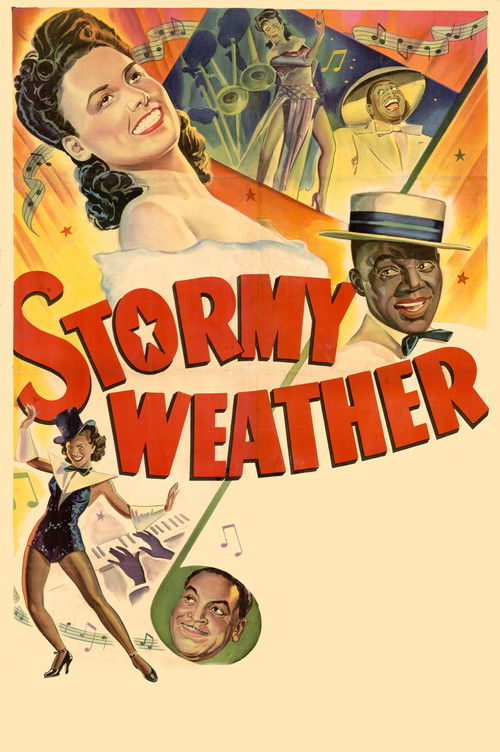
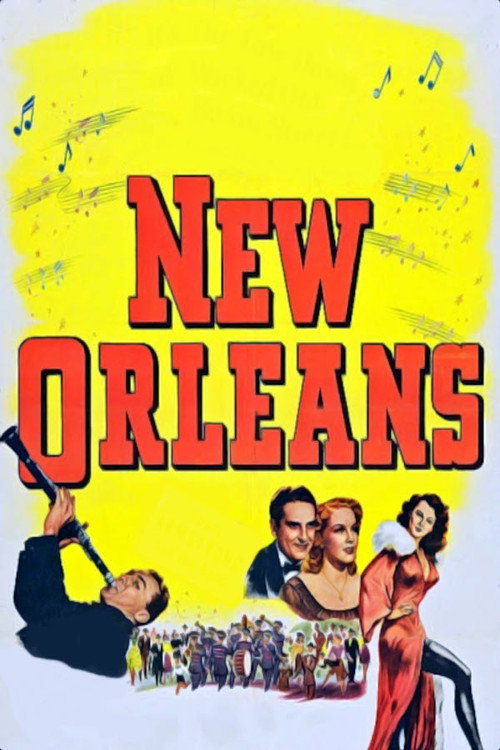
New Orleans1947
Another jazz-origin story, but this one leans harder into the music's genuine New Orleans roots and the lives of the musicians who made it. Artie Shaw conducts, and the commitment to the form shows.
But Slower and more reverent than Syncopation. If you want energy and Hollywood gloss, the pacing will feel deliberate to the point of plodding.
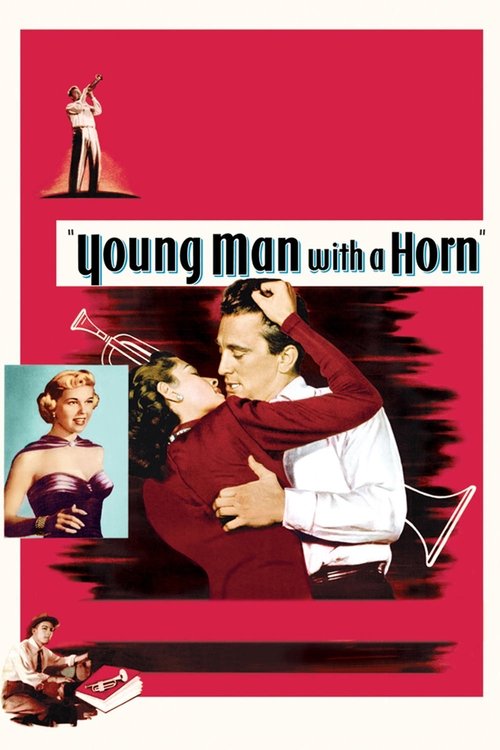
Young Man with a Horn1950
Kirk Douglas as a trumpet player consumed by jazz and ambition. Doris Day and Lauren Bacall along for the ride. It's about the obsession that comes with loving music, shot beautifully in black and white.
But The melodrama can feel overwrought, and the film sometimes seems to want you to think jazz is a problem that needs solving rather than something beautiful.
Not sure tonight? Get a pick in a minute, starting from Syncopation
The wildcard
Something you would not have found on your own.
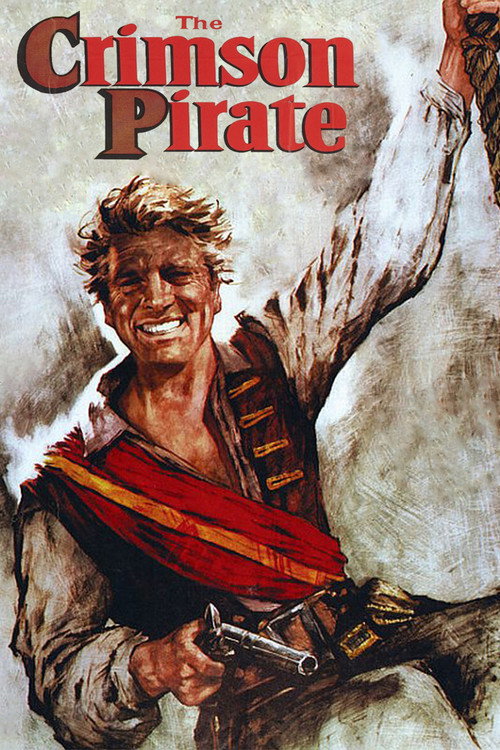
The Crimson Pirate1952
Both films gamble on splicing jazz and orchestral arrangement into genres that weren't asking for it, betting that the music's joy can transcend the story's limitations. They both win, mostly.
A swashbuckling musical comedy directed by and starring Burt Lancaster, with a score by Heinz Roemheld that swings and soars. It shouldn't work—a pirate film that breaks into orchestral jazz—but it does. Pure, unbearable joy.
But The tonal whiplash is severe. It can't decide if it's a serious adventure or a cartoon, and that instability will either delight or exhaust you.
More like this (8)
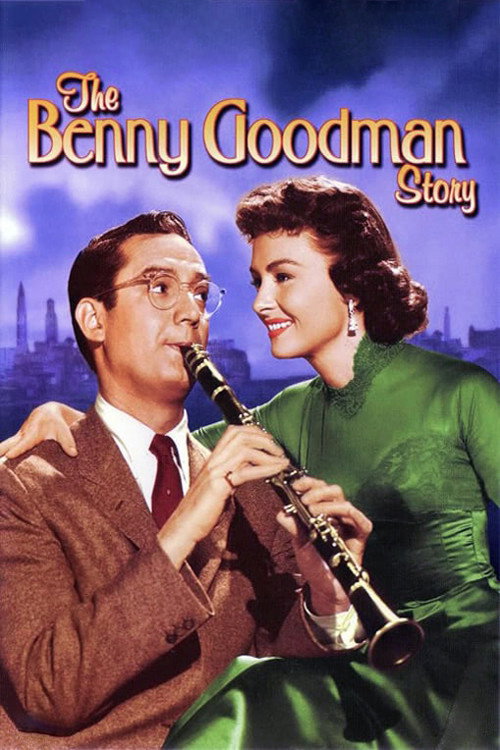
The Benny Goodman Story1956
Steve Allen as the King of Swing, with actual Benny Goodman on the soundtrack. A straightforward biography that lets the music breathe and the history land. Genuinely moving about integration and barriers broken.
But Conventional biopic structure means predictable beats. It doesn't take aesthetic risks the way a great music film might.
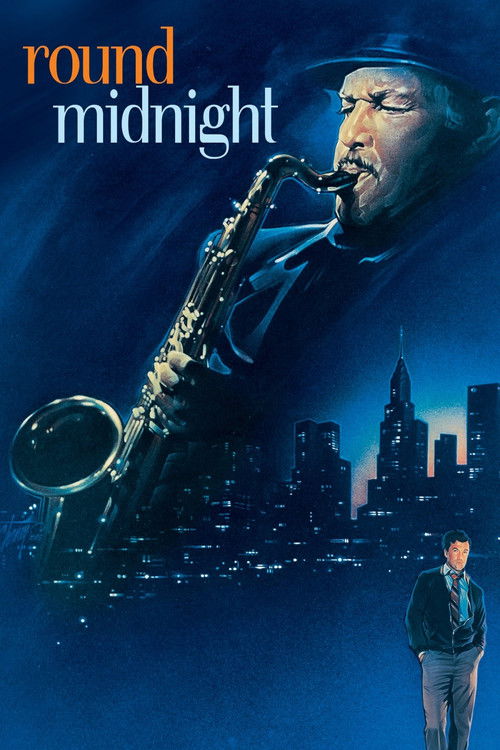
'Round Midnight1986
Dexter Gordon's only film role, playing a weary saxophonist in Paris. Bergman directs with tenderness for aging musicians and the music itself. It's elegiac and unsentimental, finding grace in decline.
But Slow, contemplative, sometimes almost wordless. If you're expecting a plot, you'll be disappointed. It's a mood and a portrait.
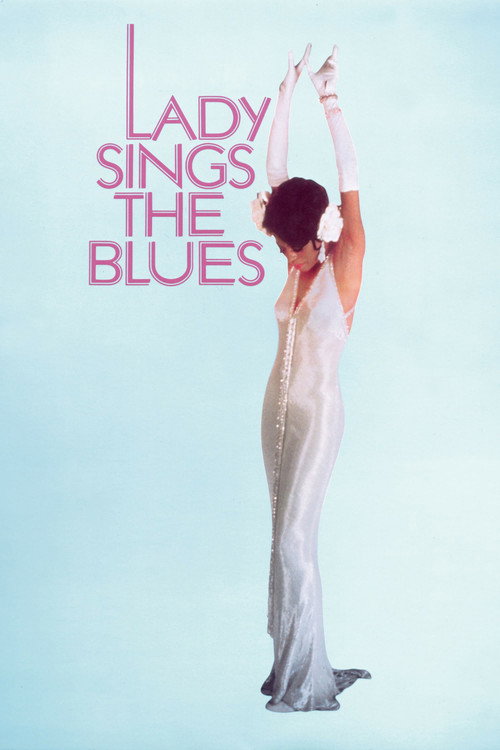
Lady Sings the Blues1972
Diana Ross as Billie Holiday, with Russell and Ava Gardner in support. A glitzy Hollywood biography that doesn't quite fit its subject, but the performance is magnetic and the music is essential.
But It softens and simplifies Holiday's actual story. If you know her life, you'll find the film's version frustrating.
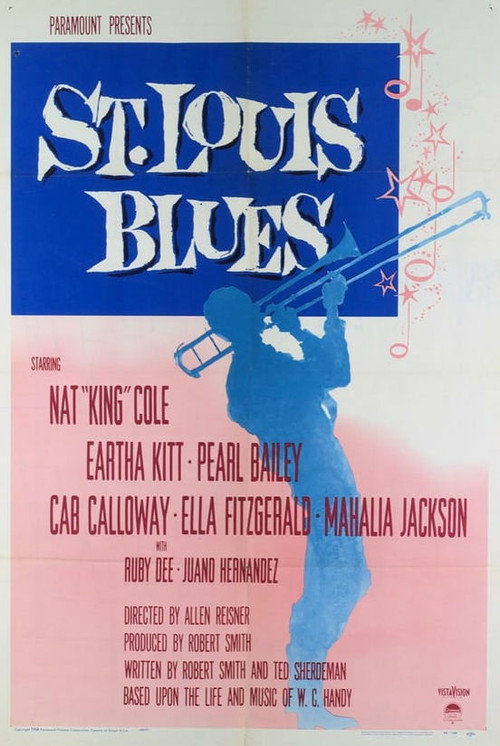
St. Louis Blues1958
Nat King Cole as W.C. Handy, the man who brought the blues into formal music. A handsome film with Cole's voice doing most of the heavy lifting. Earnest attempt to document real musical history.
But Earnestness sometimes tips into stiffness. The dramatic scenes pale beside Cole's singing, making you wish for more of that and less plot.
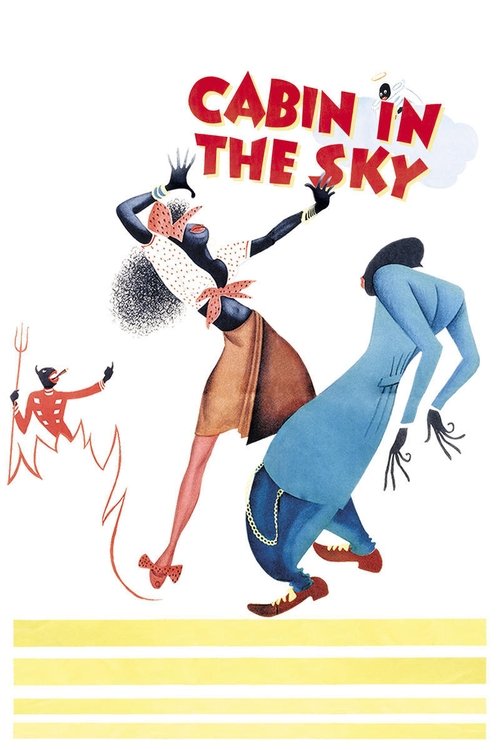
Cabin in the Sky1943
An all-Black musical with Ethel Waters, Eddie Anderson, and Lena Horne. It's a fantasy built on swing, gospel, and pure performance joy. Vincente Minnelli directing brings visual invention to every frame.
But The plot is a morality play that hasn't aged well. The divine and demonic framework feels dated even for 1943.
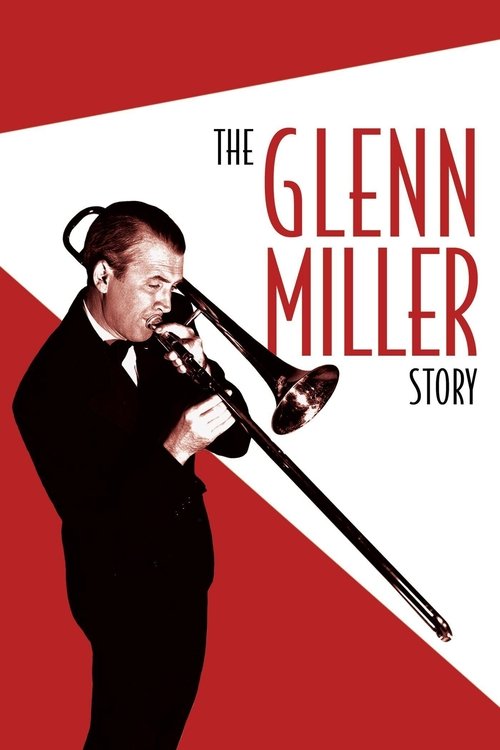
The Glenn Miller Story1954
James Stewart as the bandleader, with June Allyson. It's comfort-watch Americana—the music is impeccable, the orchestra scenes are warm, and it moves with confidence through a simpler era of swing.
But Deeply conservative and earnest. If you want your music films to challenge you rather than reassure you, this isn't it.
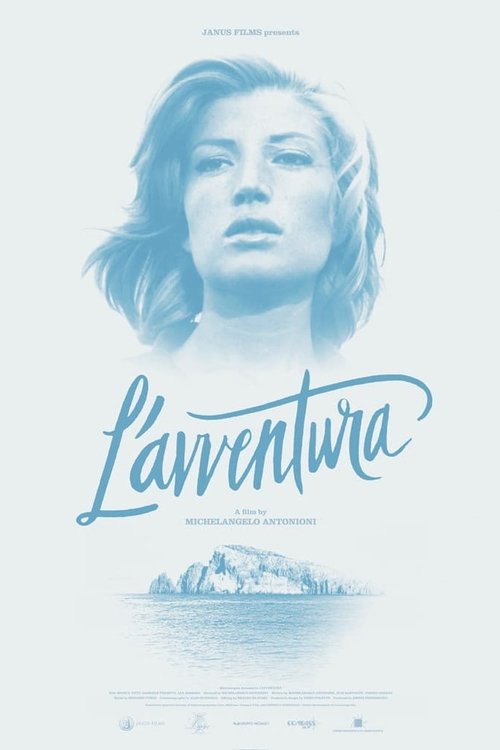
L'Avventura1960
Both films make jazz and orchestral music carry the emotional weight of the story rather than just punctuate it. But Antonioni uses it to express emptiness where Syncopation uses it to express promise.
Michelangelo Antonioni's Italian film about aimless wealthy people on a yacht, with a haunting score by Giovanni Fusco that uses jazz as the sound of modern alienation. It's nothing like Syncopation in tone, but the commitment to jazz as emotional architecture is total.
But Very slow, very European, very glum. It's about boredom and disconnection, not the triumph of American music. If you need plot momentum, you'll lose patience.
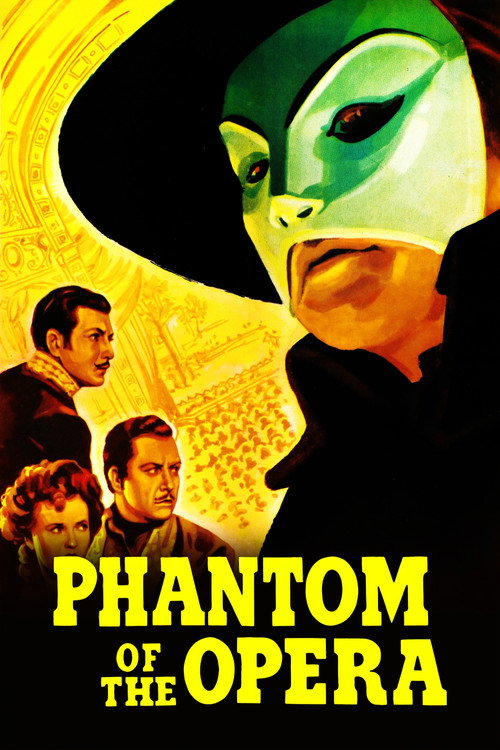
Phantom of the Opera1943
Both are mid-40s Hollywood films with massive orchestral scores that dwarf the plots, where music isn't decoration but the entire point. Both want you to feel the grandeur of American artifice.
The Universal monster film remade as a Technicolor spectacle, with a score that rivals Syncopation in orchestral ambition. It's operatic to the point of camp, but the commitment is total—every frame is gorgeous, every arrangement is swollen with feeling.
But It's melodrama played at fever pitch. If you prefer restraint or psychological realism, this will read as absurd rather than moving.
People
Cast
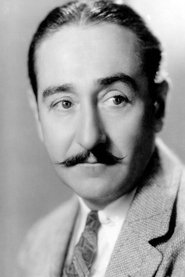 Adolphe MenjouGeorge Latimer
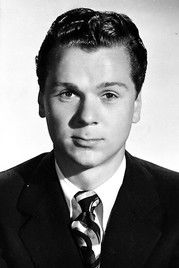 Jackie CooperJohnny Schumacher
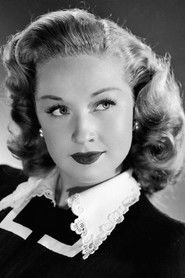 Bonita GranvilleKit Latimer
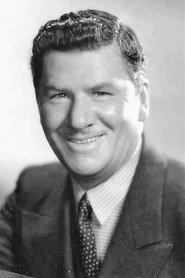 George BancroftSteve Porter
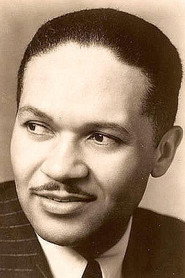 Todd DuncanRex Tearbone
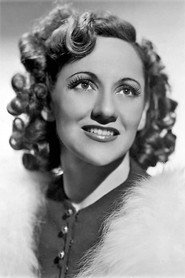 Connee BoswellConnee Boswell
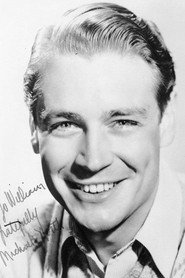 Ted NorthPaul Porter
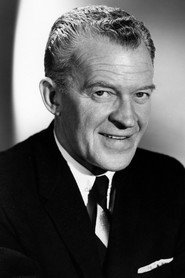 Frank JenksSmiley Jackson
- Jessica GraysonElla Tearbone
 Mona BarrieLillian
 Lindy WadePaul Porter - as a Child
 Peggy McIntyreKit Latimer - as a Child
Directing
- William DieterleDirector
Writing
- Frank CavettScreenplay
- Philip YordanScreenplay
- Valentine DaviesStory
Production
- William DieterleProducer