
Film
New Orleans
A 1947 jazz drama built around performances by Louis Armstrong and Billie Holiday. It's loose and episodic—less interested in plot than in showcasing the music and letting you sit in smoky rooms with the greatest players of the era. For anyone who wants to see jazz legends perform live on screen, in their prime, mostly being themselves.
Should you watch it?
Watch it if you love old Hollywood musicals where the songs and jazz sessions matter as much as the romance, and you want to hear Armstrong and Holiday in their prime inside a glossy 1940s picture.
Skip it if you need tight, fast-moving plotting, since the story sprawls loosely between the club and the romance and its musical numbers can stop the narrative cold.
What it asks of you: Ninety minutes of unhurried, mannered studio drama broken up by long stretches of performance, so settle in and let the music set the pace.
Not sure? Find tonight's pick in a minute.
If you liked this
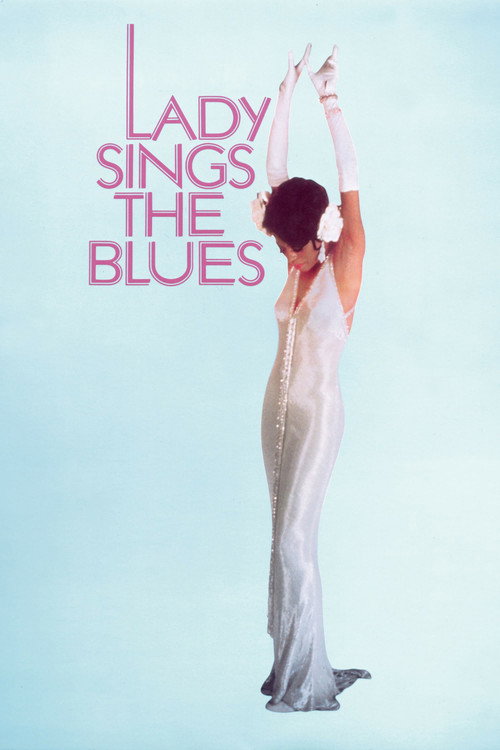
Lady Sings the Blues1972
Diana Ross as Billie Holiday in a proper biopic that doesn't shy from her struggles. It's vivid, painful, and has the music woven through as essential to understanding who she was, not decoration.
But It's heavy going—addiction, racism, trauma. The tone is serious where New Orleans is playful, which might feel like a different film entirely.
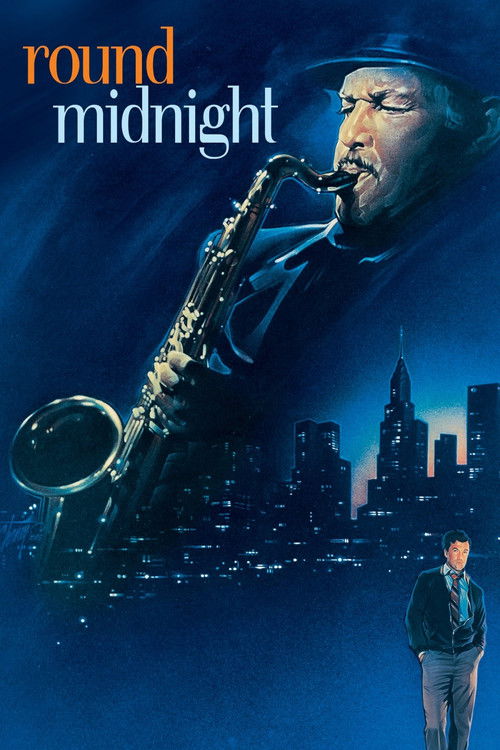
'Round Midnight1986
Dexter Gordon plays a saxophonist in Paris: lived-in, melancholic, full of jazz performances that feel like the actual point of the film. Herbie Hancock's score is a masterpiece. The rhythm of it is hypnotic.
But Narrative takes a back seat to mood and music. If you want clarity and forward motion in your plot, you'll be frustrated.
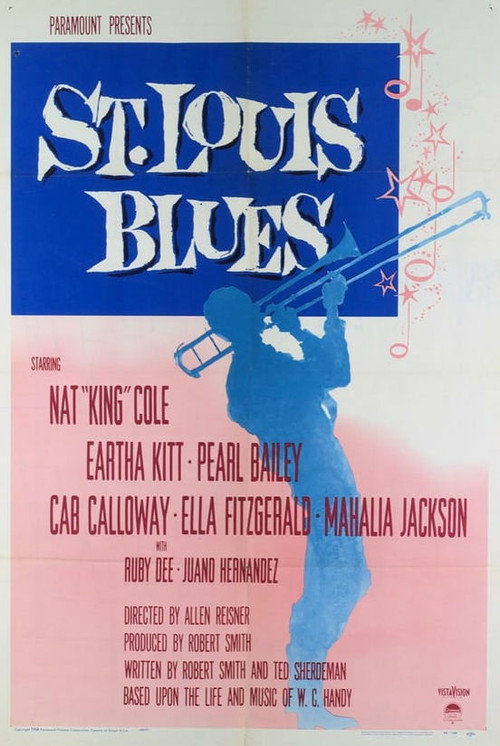
St. Louis Blues1958
W.C. Handy biopic with Nat King Cole, Eartha Kitt, Pearl Bailey, and Ruby Dee. It's essentially a revue wrapped around a life, much like New Orleans—an excuse to watch great performers do their thing.
But The biographical parts are thin and occasionally creaky. You're really here for the musical sequences, and that's okay, but accept what it is.
Not sure tonight? Get a pick in a minute, starting from New Orleans
The wildcard
Something you would not have found on your own.
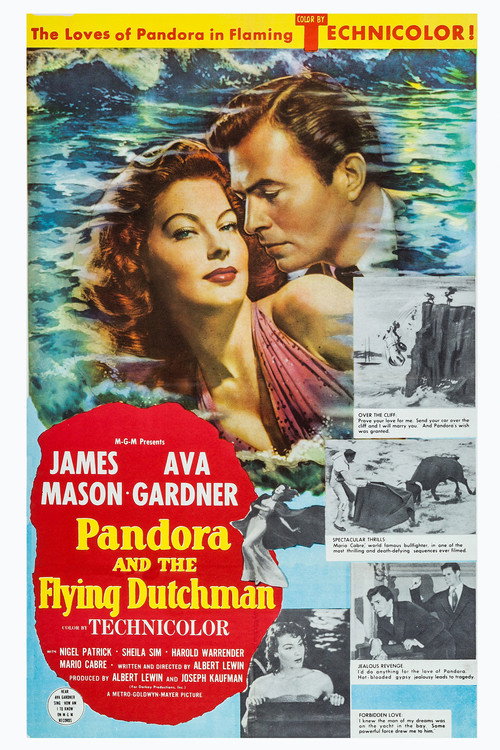
Pandora and the Flying Dutchman1951
Both films prioritize the sensual experience of watching over narrative clarity. Both are okay with mystery and mood in place of explanation. Both trust the audience to sit with strangeness.
An utterly strange fantasy-romance shot in Technicolor on the Spanish coast, with Ava Gardner and James Mason. There's no plot to speak of—it's pure atmosphere, visual beauty, and the dream-logic of watching something made without regard for conventional sense. It's what New Orleans is doing (letting mood and spectacle matter more than narrative) but in a different register entirely.
But It's bewildering and pretentious. If you need a coherent story or character arc, this will frustrate you intensely. You have to surrender to it.
More like this (7)
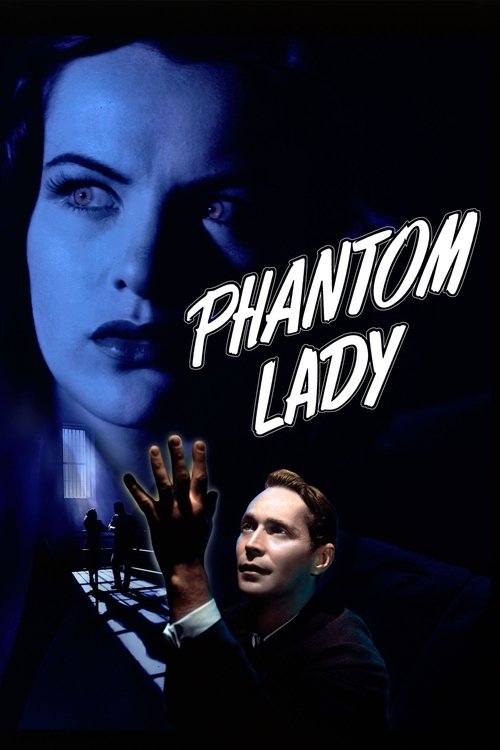
Phantom Lady1944
A film noir with Ella Raines that includes a stunning nightclub performance sequence. The style and craft are exemplary 1940s Hollywood, and it proves the era's technical mastery.
But The music is a highlight, not the substance. If you're coming for jazz, this is noir with a great moment in it, not the other way around.
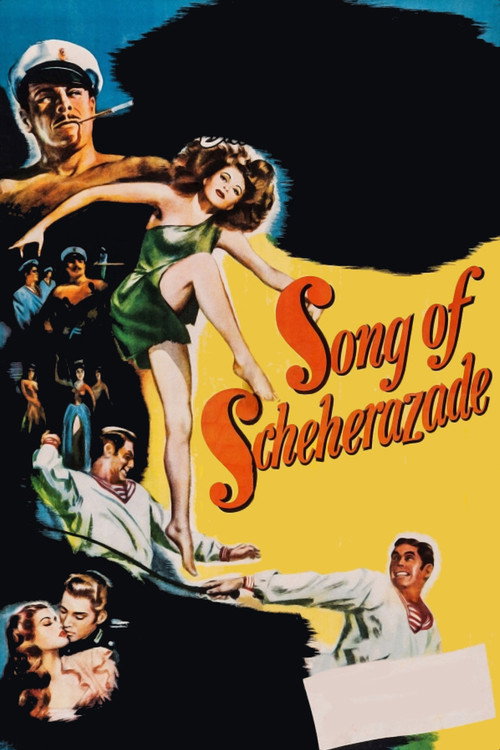
Song of Scheherazade1947
Released the same year as New Orleans, this features Yvonne De Carlo and Jean-Pierre Aumont in a Rimsky-Korsakov biopic. It's similarly indulgent about music and unserious about everything else.
But Even lighter on plot and dramatic tension than New Orleans. Some will find it charming; others will wonder if anything is actually happening.
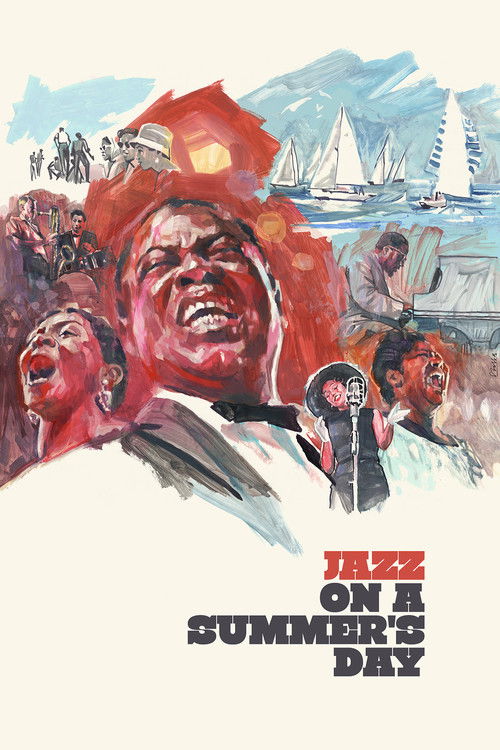
Jazz on a Summer's Day1960
Documentary of the 1958 Newport Jazz Festival—Thelonious Monk, Dinah Washington, Louis Armstrong, and others performing outdoors. Pure performance, beautifully filmed, a historical record and a joy to watch.
But It's a concert film, not a drama. There's no plot or character to follow, just music. If that's not enough for you, it won't work.
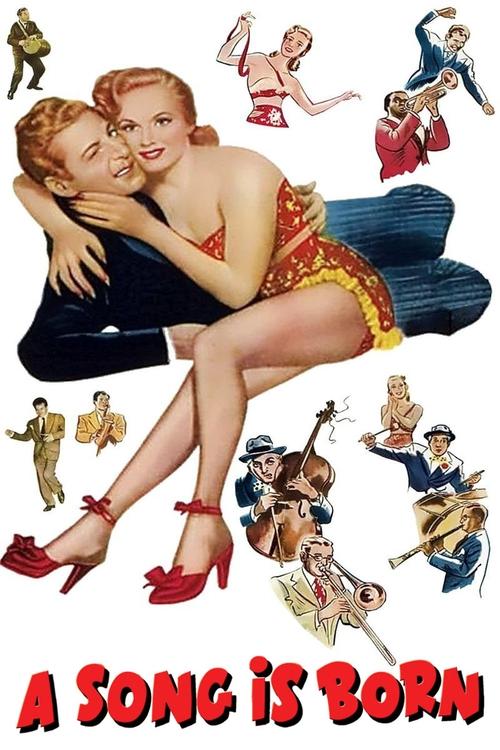
A Song Is Born1948
Danny Kaye and Virginia Mayo in a musical comedy about the history of jazz. It's playful, deliberately silly, and crammed with performances by real musicians. Tonally closer to New Orleans than you'd expect.
But The comedy is dated and the plot is gossamer-thin. The performances carry it, but if the framing feels like filler, you might get impatient.
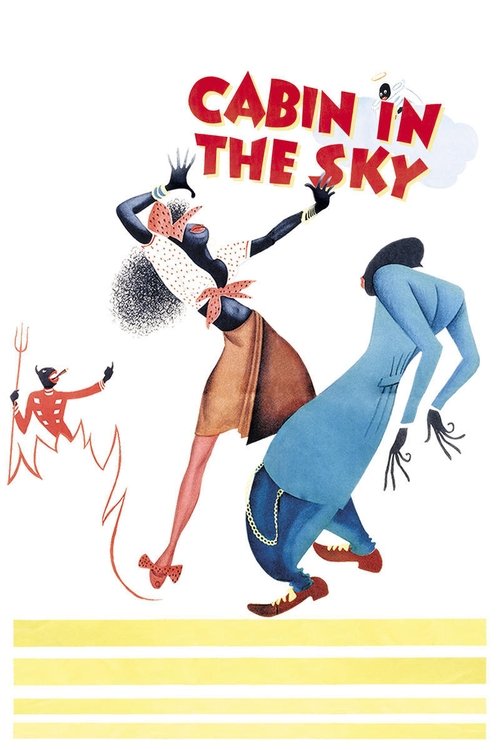
Cabin in the Sky1943
Vincente Minnelli's all-Black musical with Ethel Waters, Eddie Anderson, and Lena Horne. It's visually sumptuous, theologically weird, and historically important. The music and spectacle are genuinely transporting.
But The plot—a morality play—is hokey, and the film's racial context is complicated by its studio constraints. Some viewers find the framing patronizing, others find the artistry transcends it.
The Asphalt Jungle1950
Both are fascinated by underworld communities and the people who live in them. Both see morality as complicated. Both trust us to care about characters society has written off.
John Huston's heist film, austere and precise, treats its criminals as real people with real problems. It's dark where New Orleans is light, but it has the same interest in subculture and the same refusal to judge its characters as good or bad.
But It's serious and somber, with no romance or spectacle to soften it. The pacing is slow. If you loved New Orleans for its joy, this will feel like a different language entirely.

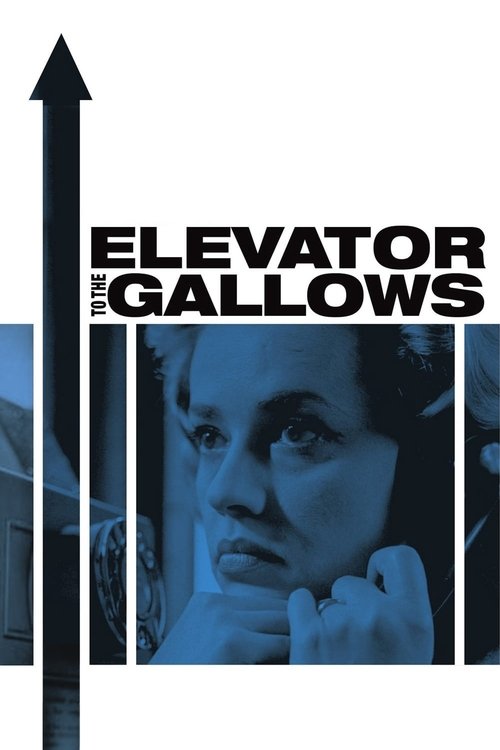
Elevator to the Gallows1958
Like New Orleans, it's built on the idea that jazz performance can be the main event—not accompaniment, but the heart of the film. Miles's score isn't background; it's the protagonist. Both films understand that music can do dramatic work that plot cannot.
A French noir with an extraordinary Miles Davis score—Davis composed it live while watching the film, and you hear the creation in real time. The jazz and the image move together in a way that changes how you hear music in cinema. Quiet, elegant, hypnotic.
But It's in French with subtitles. It's slow and introspective. The plot is small and intimate. If you want narrative propulsion or spectacle, you will find this deliberately, almost stubbornly quiet.
People
Cast
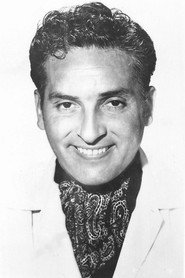 Arturo de CórdovaNick Duquesne (as Arturo De Cordova)
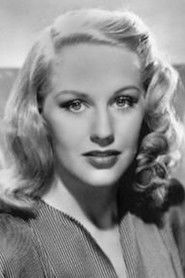 Dorothy PatrickMiralee Smith
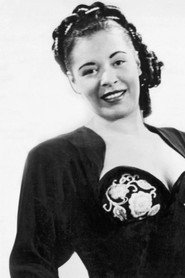 Billie HolidayEndie
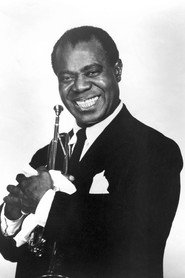 Louis ArmstrongHimself
- Marjorie LordGrace Voiselle
 Irene RichMrs. Rutledge Smith
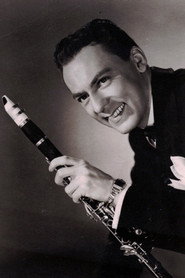 Woody HermanHimself
 Shelley WintersMrs. Holmbright
Directing
- Arthur LubinDirector
Writing
- Dick Irving HylandScreenplay
- Elliot PaulScreenplay
- Elliot PaulStory
- Herbert J. BibermanStory
Production
- Herbert J. BibermanAssociate Producer
- Jules LeveyProducer
Recommended by
Stormy Weather, Black and Tan, Syncopation, Always for Pleasure