
Film
Jazz on a Summer's Day
Jazz on a Summer's Day is less a concert film than a mood board for a perfect afternoon: sailboats, sunburned faces, and some of the finest jazz and gospel ever caught on camera. Bert Stern's lens drifts as much as it films, lingering on crowds as often as soloists. Gorgeous, unhurried, and more about atmosphere than highlight reels — ideal for anyone who wants a summer they can rewatch.
If you liked this
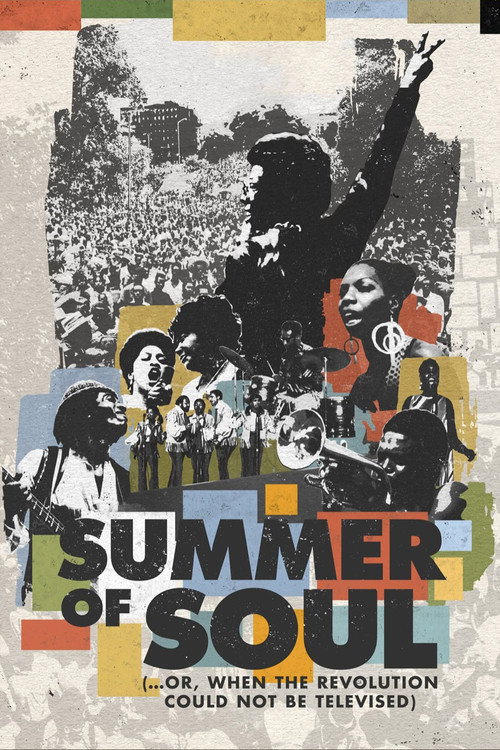
Summer of Soul (...Or, When the Revolution Could Not Be Televised)2021
Questlove's excavation of the 1969 Harlem Cultural Festival does what this film did a decade earlier — turns raw performance footage into a time machine — but with sharper politics and a soundtrack stacked with Stevie Wonder, Nina Simone, and Sly Stone.
But Its interview interludes make it more didactic and less purely sensory than the film you just watched.
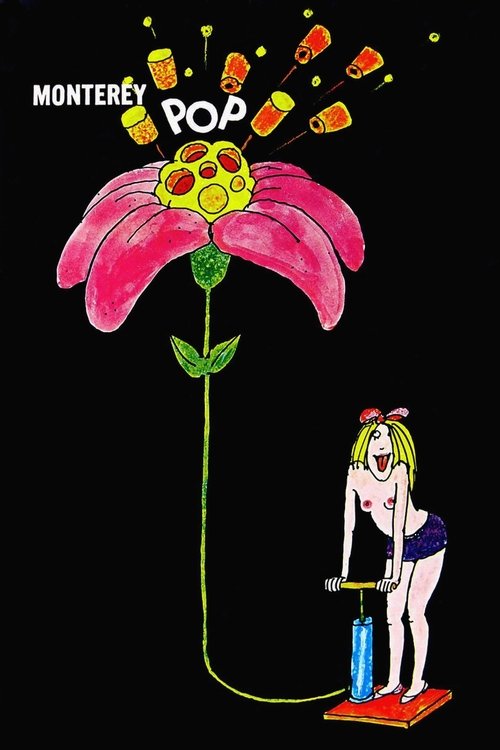
Monterey Pop1968
Pennebaker's festival film shares the same sun-drenched, free-flowing camera style, just aimed at Hendrix, Redding, and Joplin instead of Armstrong and Mulligan — the direct descendant of what Stern started.
But Rock replaces jazz entirely, so if it was the genre you loved rather than the mood, this may not land.
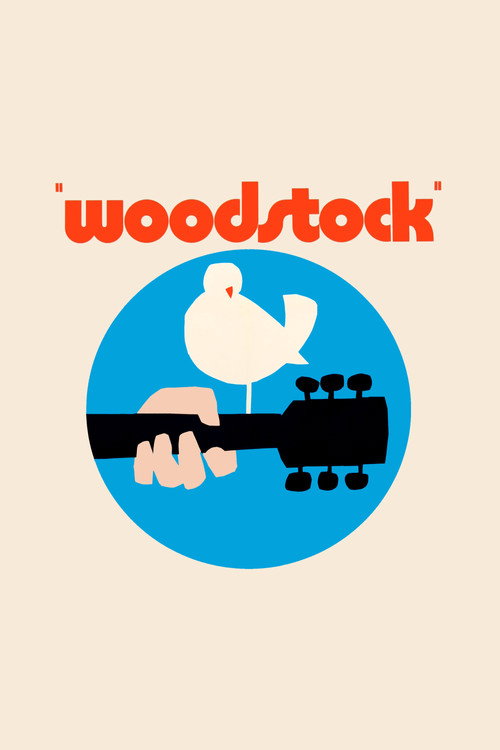
Woodstock1970
Three hours of chaos, mud, and transcendence — Woodstock takes the festival-as-microcosm idea and blows it up to epic scale, more overwhelming and communal, considerably less tidy.
But It's nearly four times the runtime and trades intimacy for spectacle; not for anyone wanting a quick, breezy hang.
The wildcard
Something you would not have found on your own.
Paris Blues1961no page yet
Same era, same music, same idea of jazz as a way of life — but staged as drama instead of observed as fact, showing how easily that summer mood could have been scripted rather than caught.
Duke Ellington's score, Paul Newman and Sidney Poitier as expat jazz musicians in Paris, and a plot that treats jazz as both art and escape — the fictional flip side of the documentary you just watched.
But The romance plot can feel dated and slight next to the real musicians it's imitating.
More like this (8)
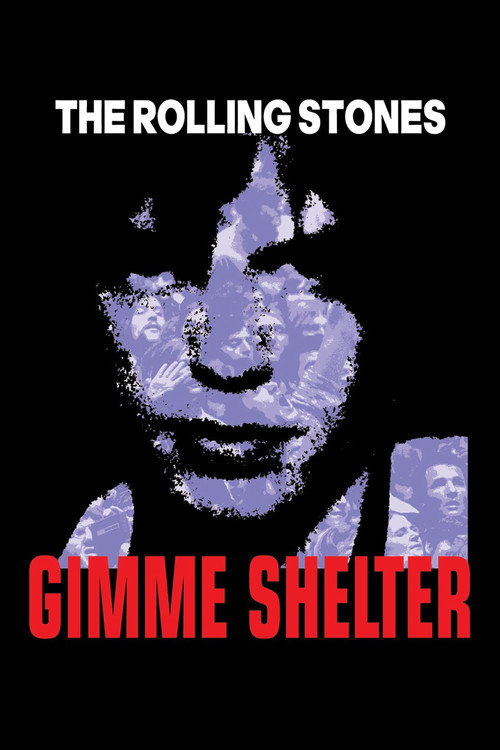
Gimme Shelter1970
The Rolling Stones' Altamont concert film is the dark mirror of festival-doc optimism — same observational style, wildly different outcome, proof that not every summer afternoon ends in peace.
But It's tense and unsettling by design; go elsewhere if you want to stay in a purely good mood.
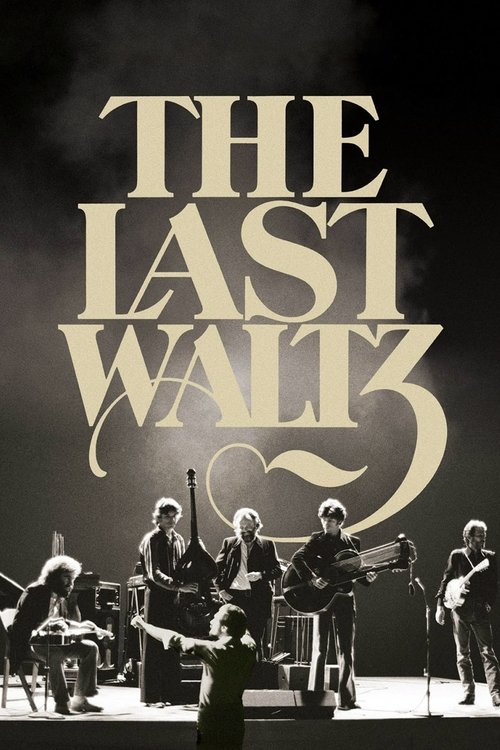
The Last Waltz1978
Scorsese films The Band's farewell concert with a similar eye for the details around the music — sweat, cigarette smoke, easy camaraderie — but with more polish and a director's fingerprints all over it.
But The staged interview segments feel scripted next to the looser, stranger spontaneity of the original.
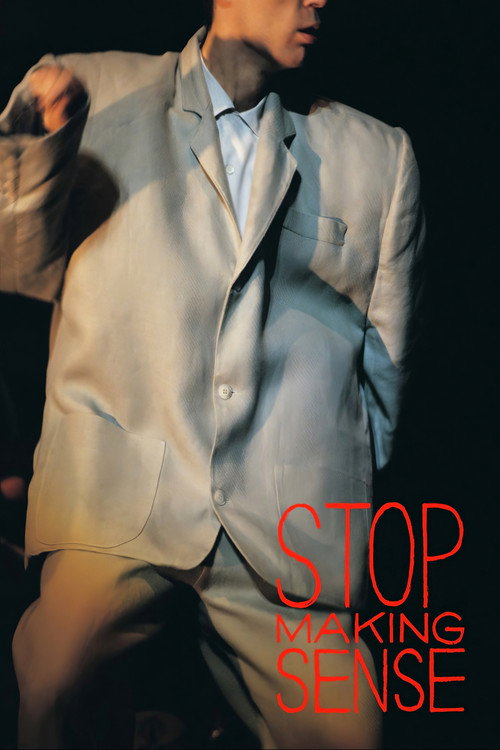
Stop Making Sense1984
Talking Heads and Jonathan Demme turn a concert film into pure choreography — no crowd shots, no cutaways, just build and release. Proof the genre can be as controlled as it can be loose.
But The total absence of audience or context is the opposite of what made Newport so atmospheric.
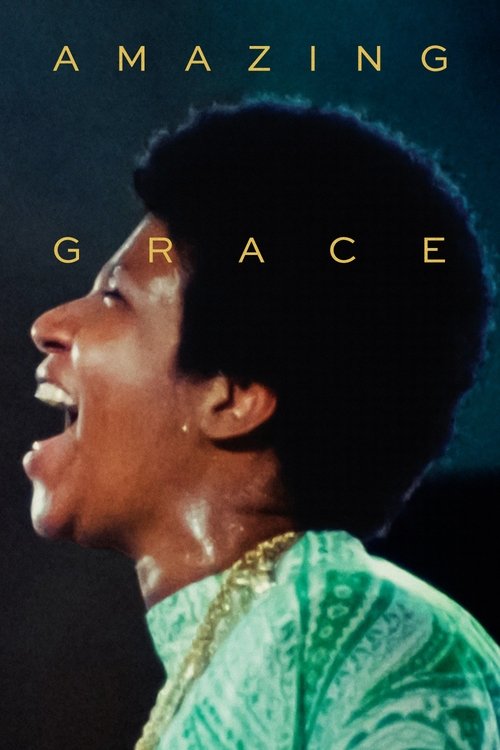
Amazing Grace2018
Aretha Franklin recording her gospel album live in a small LA church in 1972 — the raw, unpolished cousin of the Mahalia Jackson moments here, and just as spine-tingling.
But Shot on a shoestring and shelved for decades, it looks and sounds far rougher than the crisp original.
Festival Express2003no page yet
A trainload of Janis Joplin, the Grateful Dead, and the Band crossing Canada in 1970, jamming between stops — all the sunlit camaraderie of Newport, but drunker and stranger.
But It's patchier and rougher-edged, assembled decades later from footage nobody quite knew what to do with.
A Great Day in Harlem1994no page yet
This gentle documentary reconstructs the story behind one 1958 photograph of 57 jazz legends on a Harlem stoop — same era, same faces, told through memory instead of live footage.
But There's no music performance at all, just interviews and stills — a completely different viewing experience.
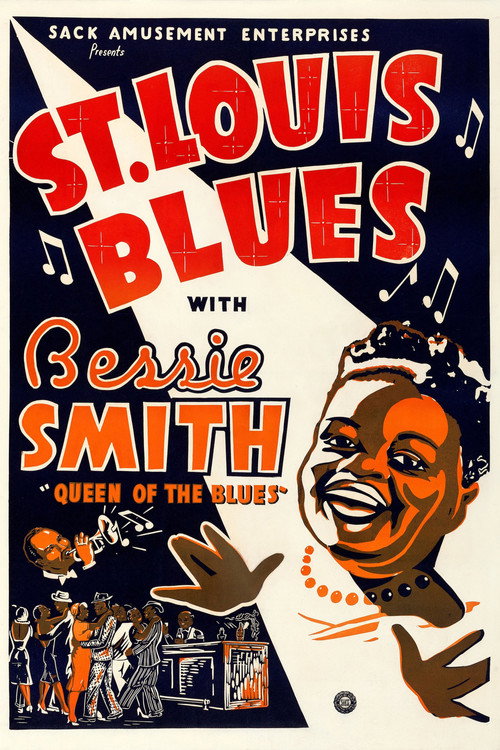
St. Louis Blues1929
This is where the whole idea of a camera getting close to a performer and letting the song carry the scene actually starts — thirty years before Stern pointed his lens at Newport.
A seventeen-minute short with Bessie Smith singing the title song in a recreated tenement — one of the earliest times a Black musician's performance was captured on film with this kind of intimacy.
But It's a scratchy, decades-old artifact with a thin dramatic frame around the music, not a polished feature.
Safe Journey1993no page yet
Jazz on a Summer's Day let music and atmosphere stand in for narrative; this film stretches that same idea across continents and cultures instead of one weekend in Rhode Island.
A wordless journey following Romani musicians from India to Spain, told entirely through performance and landscape — no narration, no interviews, just music carrying the story to its furthest possible extreme.
But The total absence of dialogue or context demands real patience; it's closer to a tone poem than a documentary.
People
Cast
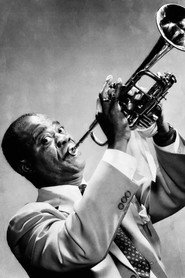 Louis ArmstrongSelf
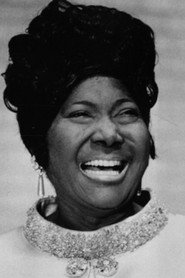 Mahalia JacksonSelf
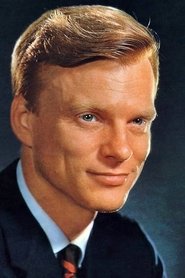 Gerry MulliganSelf
- Dinah WashingtonSelf
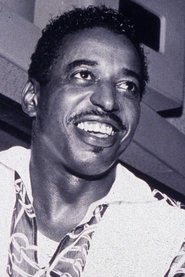 Chico HamiltonSelf
- Anita O'DaySelf
- George ShearingSelf
- Jimmy GiuffreSelf
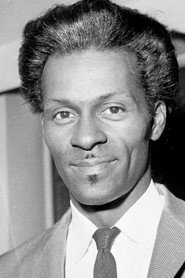 Chuck BerrySelf
- Jack TeagardenSelf
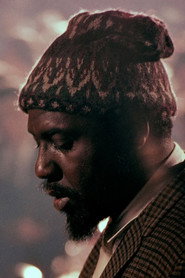 Thelonious MonkSelf
- Big MaybelleSelf
Directing
- Aram AvakianCo-Director
- Arnold PerlContinuity
- Bert SternDirector
Writing
- Albert D'AnnibaleWriter
- Arnold PerlWriter
Production
- Harvey KahnAssociate Producer
- Bert SternProducer
Recommended by
Buena Vista Social Club, Standing in the Shadows of Motown, Wattstax, The Last Waltz, Woodstock, Stop Making Sense, New York, New York, Monterey Pop