
Film
Wattstax
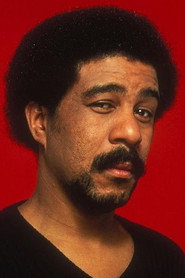
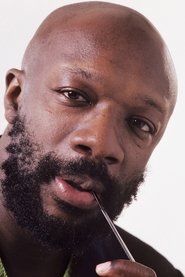
Half concert film, half state-of-the-union address, Wattstax captures a 1972 LA Coliseum benefit gathering Stax's roster — Isaac Hayes, the Staple Singers, Rufus Thomas — seven years after the Watts riots. Richard Pryor's blistering monologues and street interviews cut between the performances, turning a soul revue into something closer to a community talking to itself, at full volume, about pride, poverty, and survival.
If you liked this
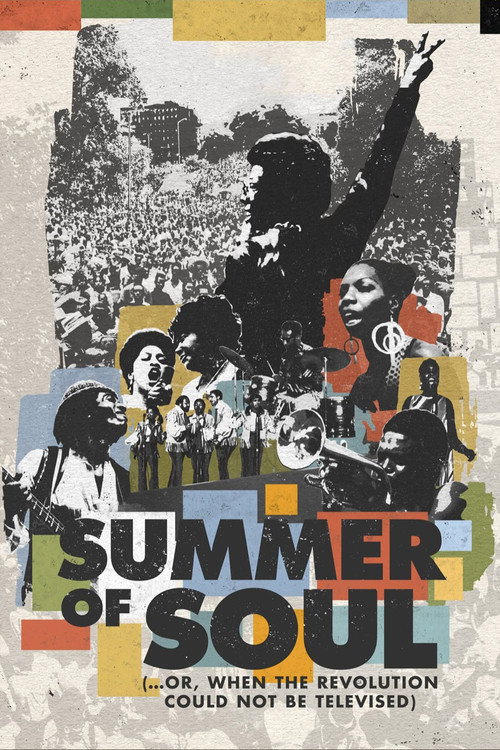
Summer of Soul (...Or, When the Revolution Could Not Be Televised)2021
Questlove dug up decades-buried footage of the 1969 Harlem Cultural Festival — Stevie, Mahalia, Nina — and cut it with the same conviction that a joyous Black gathering is itself a historical event worth preserving on its own terms.
But It's polished and restored rather than raw, and it lacks Pryor's live-wire commentary threading the performances into something bigger.
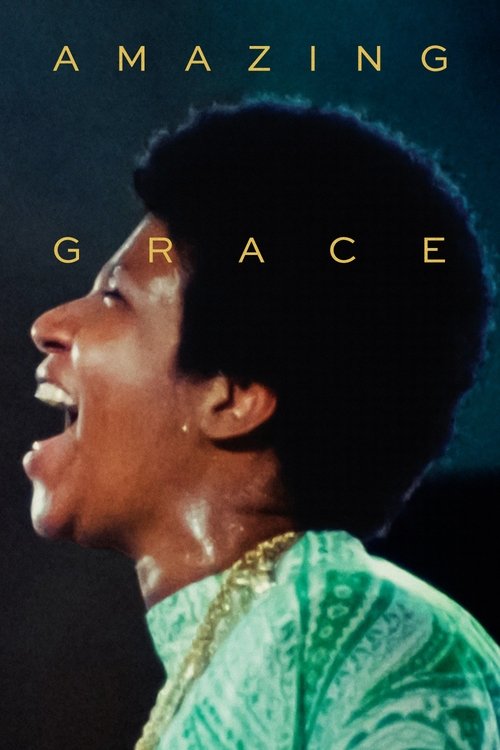
Amazing Grace2018
Aretha Franklin recorded her gospel masterpiece live at a small LA church in January 1972, the same city and same year as the Wattstax concert — pure, unbroken, spine-tingling testimony without a script.
But There's no interviews, no jokes, no social context — just two hours of raw devotion, which can feel overwhelming rather than entertaining.
Soul to Soul1971no page yet
A year before Wattstax, Stax and Atlantic stars flew to Accra for a concert marking Ghanaian independence — same label, same moment in Black music, a sister film almost nobody has seen.
But It's rougher, harder to track down, and its political framing is thinner and more diffuse than Wattstax's.
The wildcard
Something you would not have found on your own.
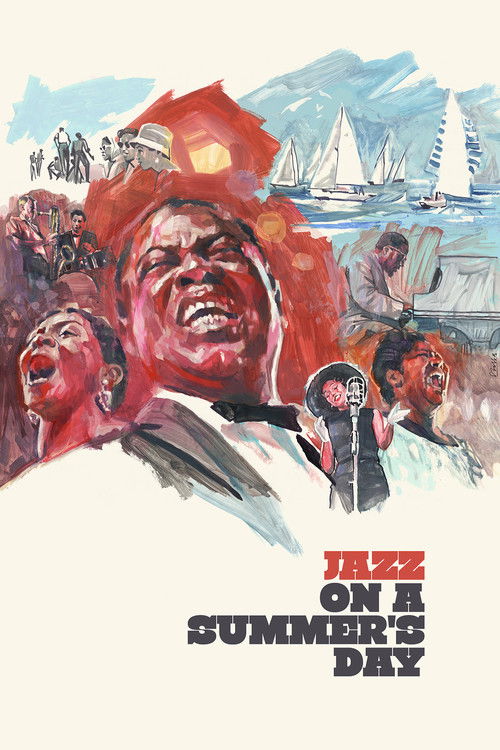
Jazz on a Summer's Day1960
It's the film that invented the concert-documentary grammar Wattstax uses — mixing performance footage with shots of the crowd, the city, the ordinary life happening just outside the frame of the stage.
Fourteen years before Wattstax, this Newport Jazz Festival film pioneered cutting between music and the world around it — sailboats, faces in the crowd — with a cool, painterly eye that changed concert filmmaking forever.
But It's genteel and pastel where Wattstax is loud and urgent — a summer postcard rather than a community's testimony.
More like this (8)
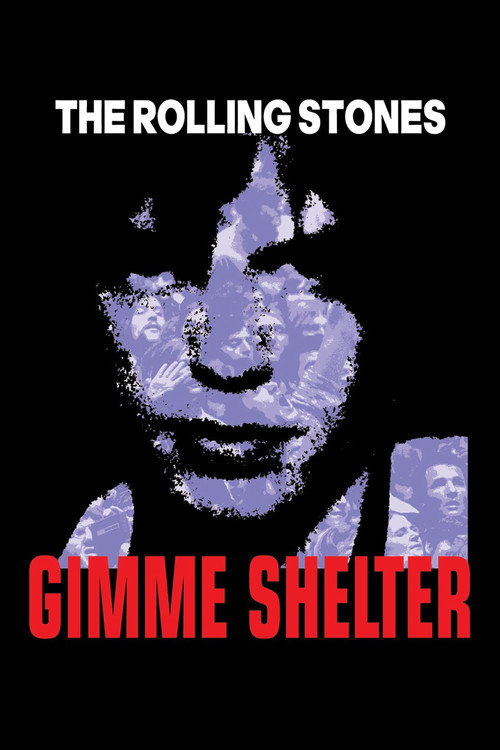
Gimme Shelter1970
The other great concert film that ends up being about something much larger than the music — a document of a culture curdling in real time, shot with the same nervy immediacy.
But Different world entirely — Rolling Stones, Altamont, mostly white crowd — and it ends in an actual death, not a celebration.
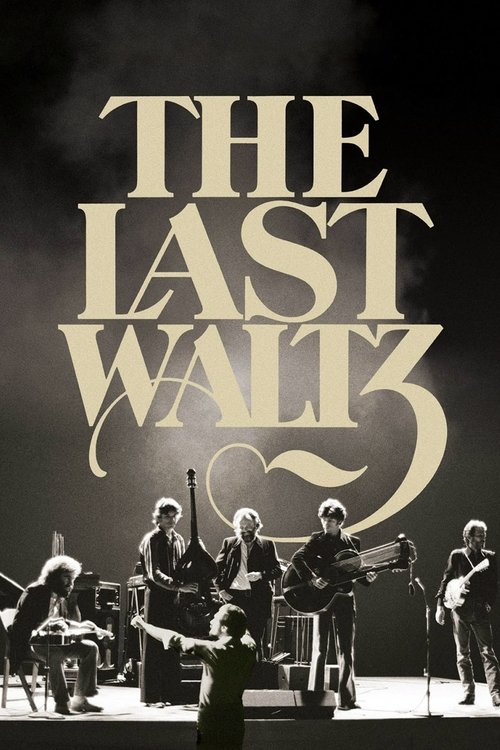
The Last Waltz1978
Scorsese's gold-standard concert film, gorgeously shot and staged, everyone playing at the peak of their powers — worth it just to see how a live show can be turned into cinema.
But It's reverent and elegiac rather than confrontational, with zero interest in the streets outside the venue.
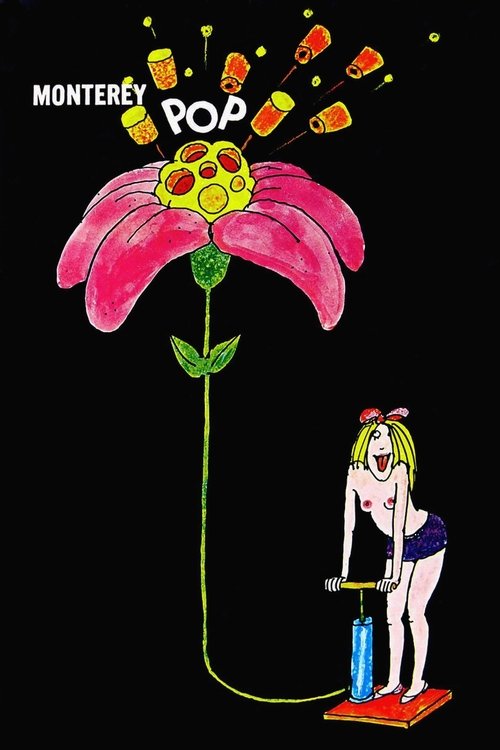
Monterey Pop1968
The concert film that arguably started the genre — raw, unstaged 1967 footage of Hendrix, Redding, and Joplin catching fire in front of a camera that barely knows what it's looking at.
But Whiter, hippie-era lineup with none of the Black community context and social stakes that give Wattstax its weight.
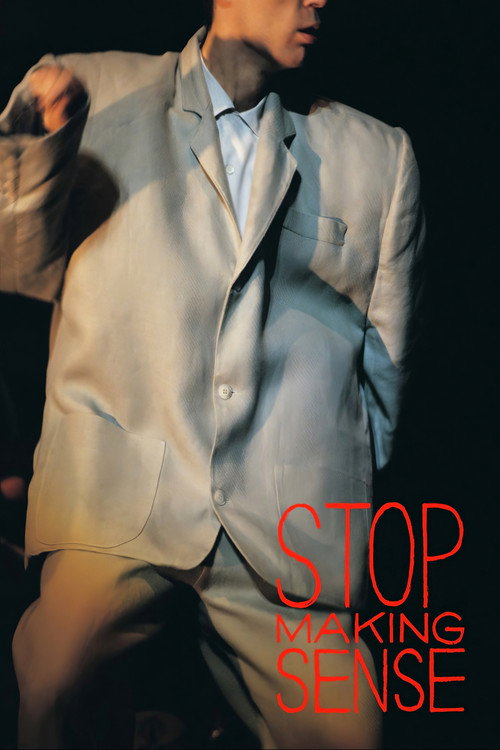
Stop Making Sense1984
Jonathan Demme's Talking Heads film is what a concert movie looks like stripped down to pure choreography and sound — no politics, no interviews, just a perfect machine of a performance.
But Art-rock and cerebral rather than soulful or communal, with no interest in anything beyond the stage.
Prince: Sign 'o' the Times1987no page yet
Prince turns a concert film into theater — narrative, costume changes, staged drama — proof that the format Wattstax uses can be bent into something stranger and more personal.
But Heavily reshot and restaged in a studio rather than captured live and loose, so it trades documentary authenticity for pure spectacle.
Shaft1971no page yet
Isaac Hayes's Oscar-winning score is the sound of the same cultural moment Wattstax documents, and the film is the fictional, swaggering flipside of that same wave of Black pride and self-definition.
But It's a straight blaxploitation thriller, not a documentary, so the connection is musical and cultural rather than formal.
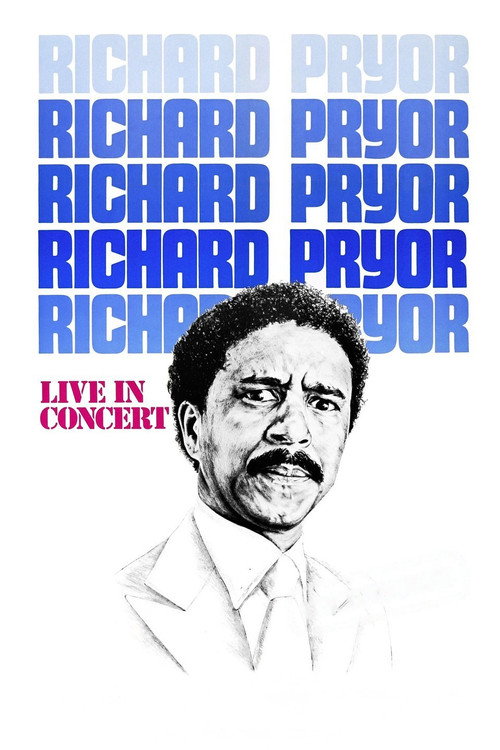
Richard Pryor: Live in Concert1979
Pryor's interstitial monologues in Wattstax were an early sketch of the persona he'd perfect here — turn a concert film's stage-time into razor-sharp testimony about Black life, just with the music stripped away entirely.
This is Pryor at absolute peak power, no music, no crowd cutaways, just one man's voice doing everything Wattstax's soundtrack and interviews together were reaching for — funnier, filthier, more dangerous.
But It's explicit, profane, and unrelentingly stand-up — a comedy concert film, not a music documentary, and not for the easily offended.
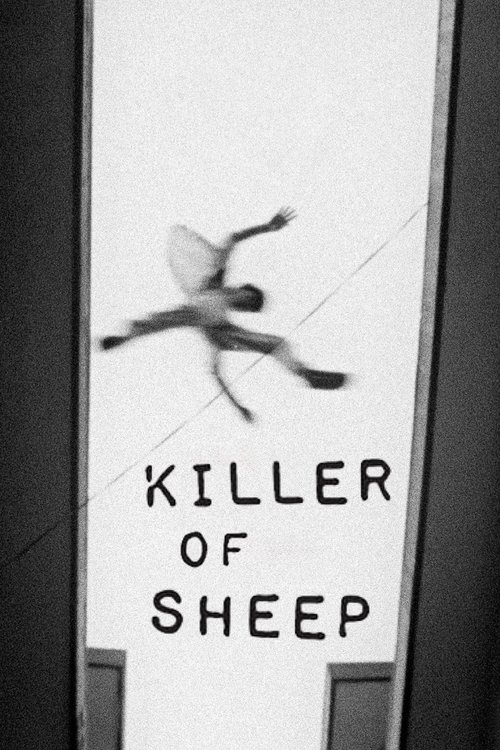
Killer of Sheep1978
Shot in Watts just years after the concert, Charles Burnett's fiction feature is the quiet, unscored comedown to Wattstax's celebration — same streets, same economic reality, none of the music or joy.
A hypnotic, near-documentary black-and-white drama about a slaughterhouse worker's daily life in Watts — the neighborhood Wattstax celebrates, seen here in slow, unsentimental close-up, with barely a note of music.
But It's slow, plotless by design, and deliberately withholds the catharsis and spectacle that make Wattstax such a rush to watch.
People
Cast
 Richard PryorSelf
- Rufus ThomasSelf
 Isaac HayesSelf
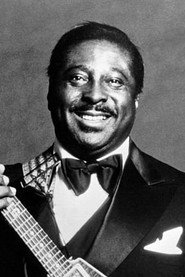 Albert KingSelf
- Eddie FloydSelf
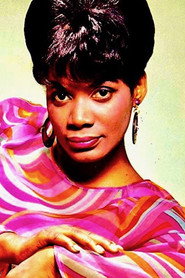
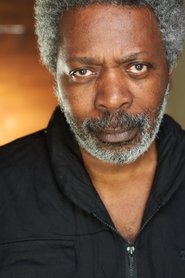 Erik KilpatrickSelf
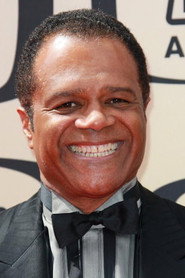 Ted LangeSelf
Directing
- Mel StuartDirector
Production
- Al BellExecutive Producer
- David L. WolperExecutive Producer
- Larry ShawProducer
- Mel StuartProducer
Recommended by
Muscle Shoals, Summer of Soul (...Or, When the Revolution Could Not Be Televised), HOMECOMING: A film by Beyoncé, Hairspray, Woodstock, Stormy Weather