
Film
Save the Children
A 1973 concert film capturing a benefit show for the Save the Children Foundation, featuring some of soul music's greatest voices—Marvin Gaye, Roberta Flack, Isaac Hayes, Sammy Davis Jr.—in their prime. It's a time capsule of live soul performance at its most assured, a generous performance film that lets the music breathe.
Should you watch it?
Watch it if you love soul music as a live, unhurried experience, where a voice and a room matter more than talking heads or a plot pushing things along.
Skip it if you want a documentary that digs into its subjects or their context; this mostly lets the music speak and keeps its focus narrow, so the surrounding story stays thin.
What it asks of you: A steady run of performances over ninety-nine minutes, with little to hold onto beyond the songs and the faces singing them.
Not sure? Find tonight's pick in a minute.
If you liked this
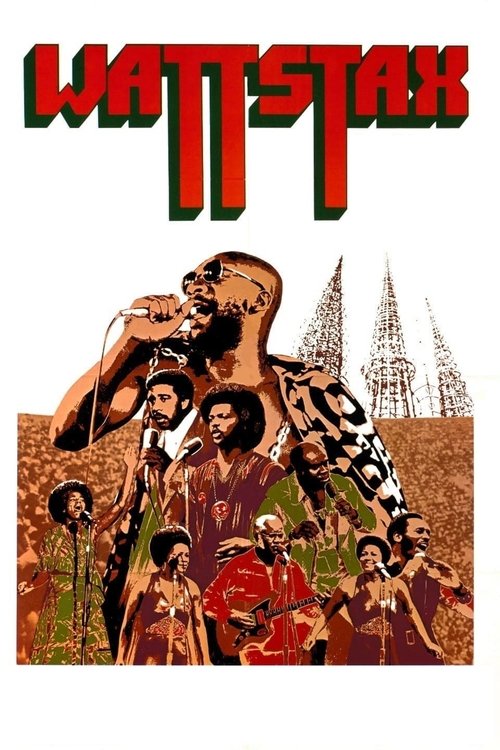
Wattstax1973
Released the same year, this concert film captures the Watts Summer Festival with an incredible lineup including Isaac Hayes, Staple Singers, and Kim Carnes. Pure, unfiltered soul and funk in the moment.
But The sound mix is occasionally rough and the film's editing can feel dated. Some performances are brief.
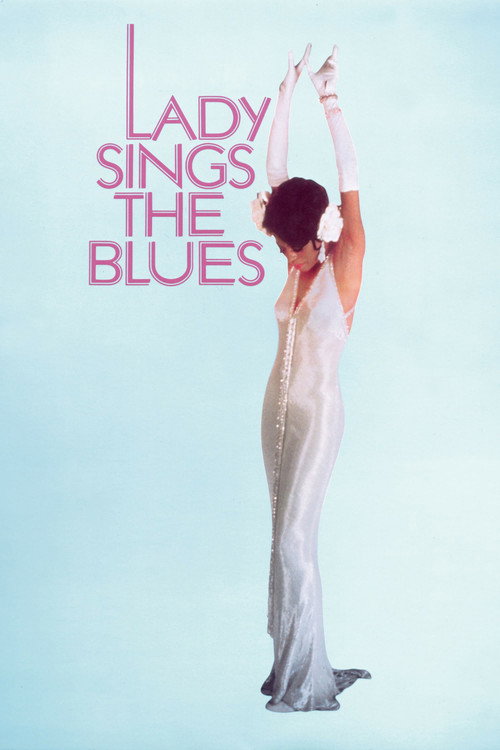
Lady Sings the Blues1972
Diana Ross anchors this biographical film about Billie Holiday with genuine emotional depth. Like Save the Children, it's a 1973 artifact that takes Black artistry seriously, even when the budget shows.
But It's a narrative film, not a concert, and the biography simplifies Holiday's life. Some performances feel staged rather than lived.
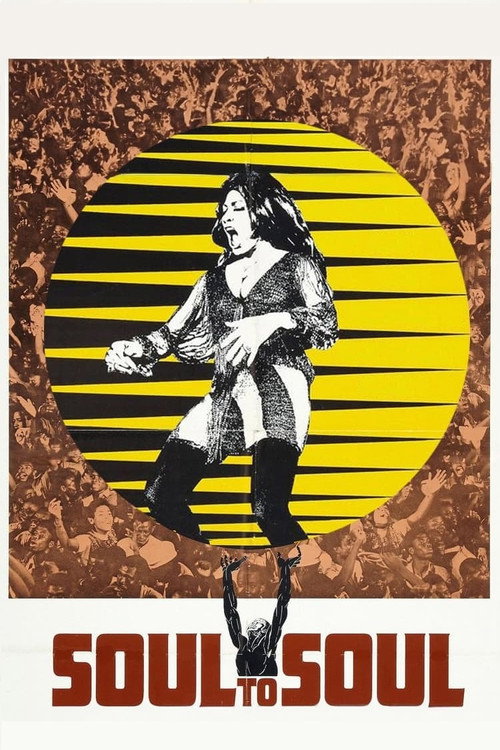
Soul to Soul1971
A Ghana-shot concert featuring Wilson Pickett, Roberta Flack, Ike and Tina Turner, and others. It's visually stunning and captures an incredible moment of soul music meeting African culture and politics.
But The pacing is loose and some segments go long. The sound design prioritizes atmosphere over clarity in places.
Not sure tonight? Get a pick in a minute, starting from Save the Children
The wildcard
Something you would not have found on your own.
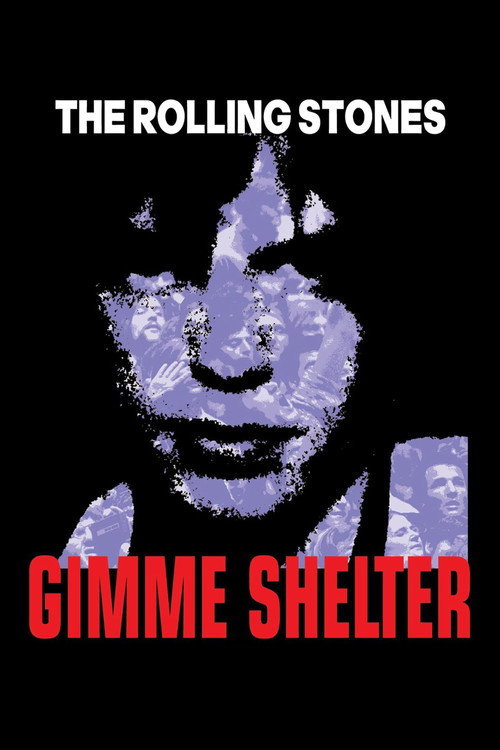
Gimme Shelter1970
Both are concert films from the early 1970s that use live performance to capture a specific moment in time, but Gimme Shelter shows what happens when that moment turns sinister. Where Save the Children radiates faith, Gimme Shelter documents loss of innocence.
The Rolling Stones' Altamont concert film from the Maysles Brothers is the dark mirror to Save the Children—a concert film where beauty and tragedy collide. It's formally brilliant and morally serious in ways most music docs never attempt.
But It's violent and depressing. A murder happens on screen. It's not a celebration; it's a reckoning.
More like this (8)
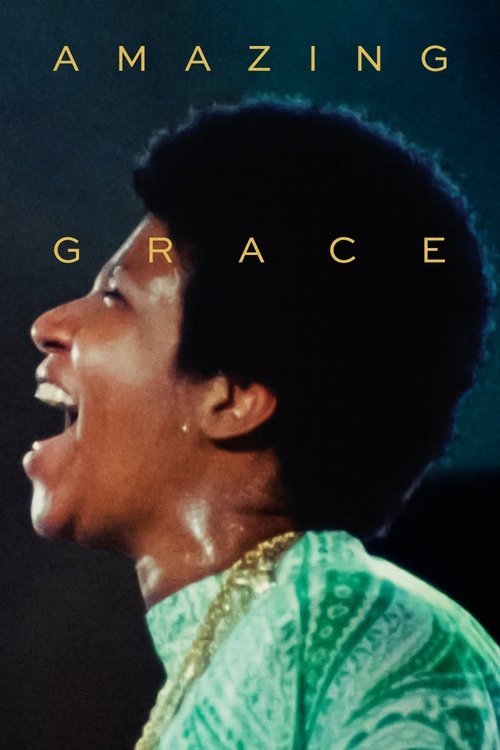
Amazing Grace2018
A concert film of Aretha Franklin's legendary 1972 performance, captured with modern documentary skill. It's intimate and reverent without being stiff, letting Franklin's genius unfold naturally.
But It's a single artist, a single performance—if you want variety, this isn't it. Some may find the church setting quieter than other concert films.
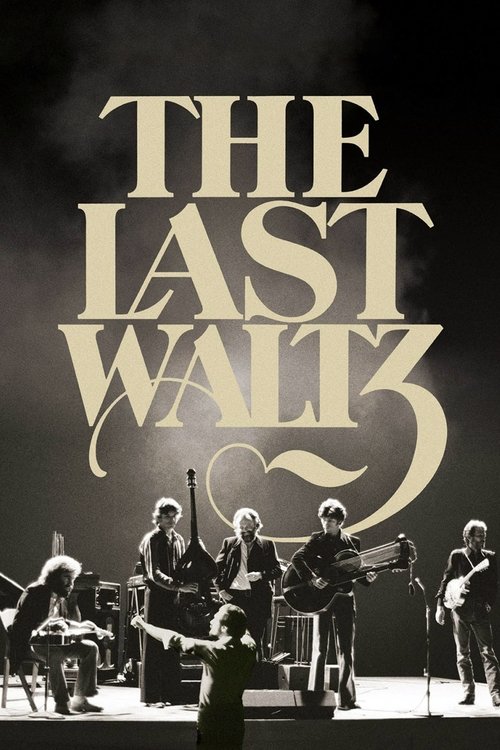
The Last Waltz1978
Martin Scorsese's concert film of The Band's final show, featuring guest appearances from rock and roots legends. The filmmaking is dazzling and it captures something both celebratory and elegiac.
But It's rock, not soul. And it's a farewell concert for a specific band—the emotional terrain is more melancholic than joyful.
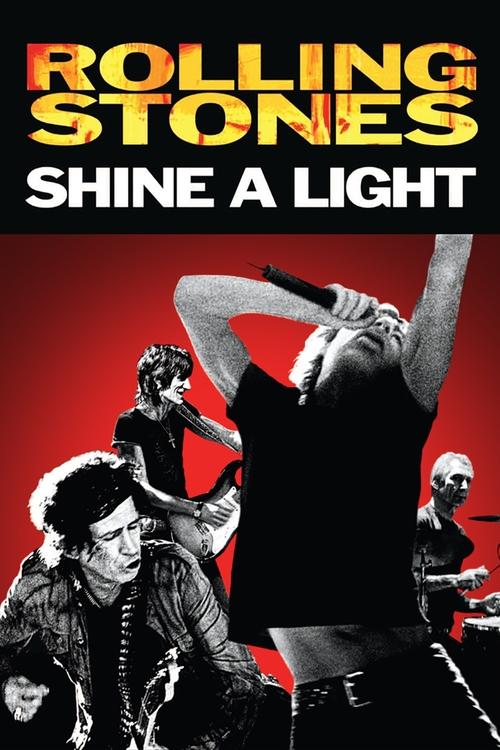
Shine a Light2008
Scorsese returns to concert filmmaking with The Rolling Stones. It's technically virtuosic and celebrates longevity and craft in a way that feels reverent without being stuffy.
But The Stones' catalog is familiar and the guest star appearances feel scattered. For some, it's style over substance.
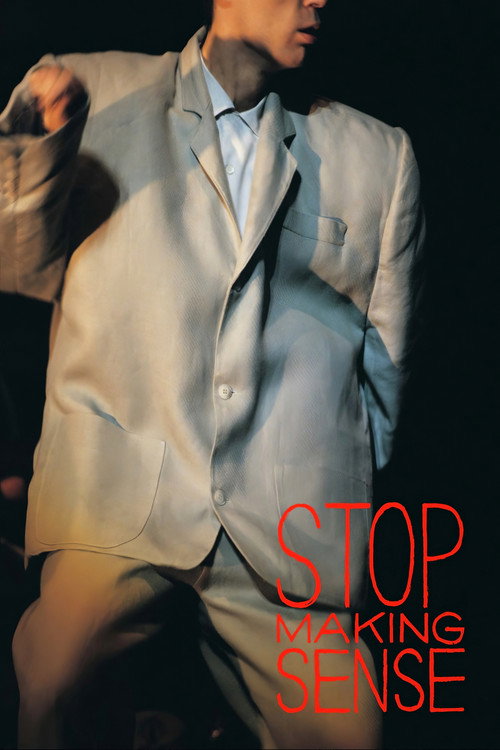
Stop Making Sense1984
Jonathan Demme's Talking Heads concert film is wildly inventive—visually playful, formally experimental, and genuinely funny. It's the anti-concert-film, energetic and unpredictable.
But It's new wave, not soul. And if you don't already like Talking Heads, the innovation won't convert you.
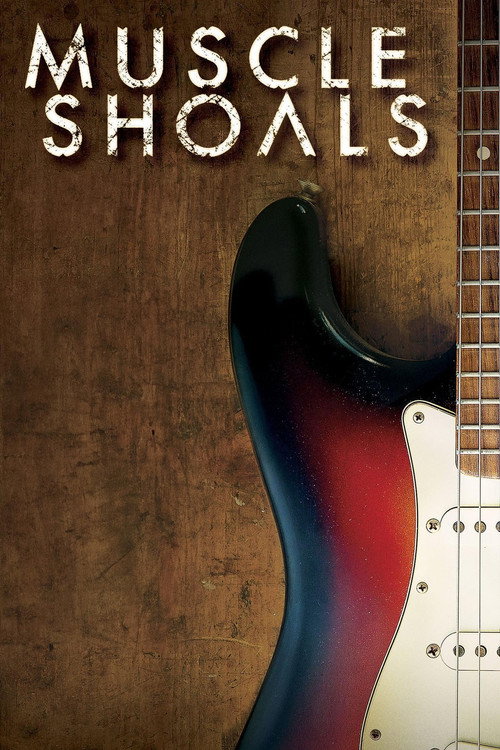
Muscle Shoals2013
A documentary about the Alabama recording studio where soul and rock legends made magic. It celebrates the producers and musicians who shaped soul music, with incredible archival footage and interviews.
But It's a documentary about the music, not a concert film. The narrative can feel a bit hero-worshipful.
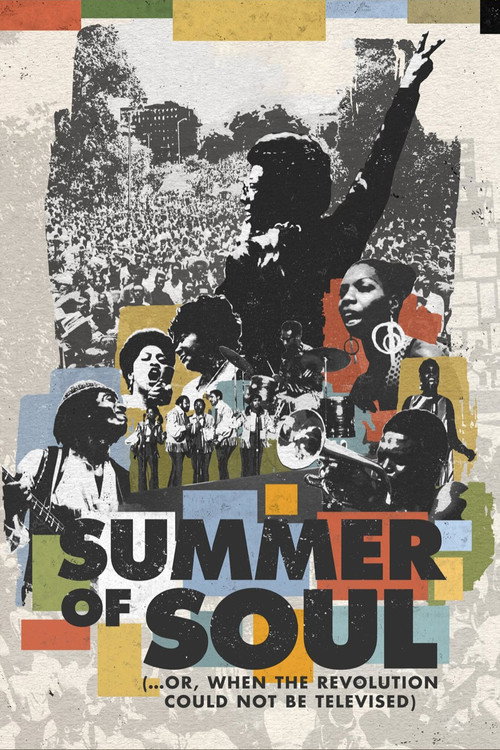
Summer of Soul (...Or, When the Revolution Could Not Be Televised)2021
Questlove's documentary restores footage from the 1969 Harlem Cultural Festival, featuring Stevie Wonder, Nina Simone, Mahalia Jackson, and others. It's historically crucial and deeply moving.
But It's more documentary than pure concert performance. Some performances are fragmentary due to archival limitations.
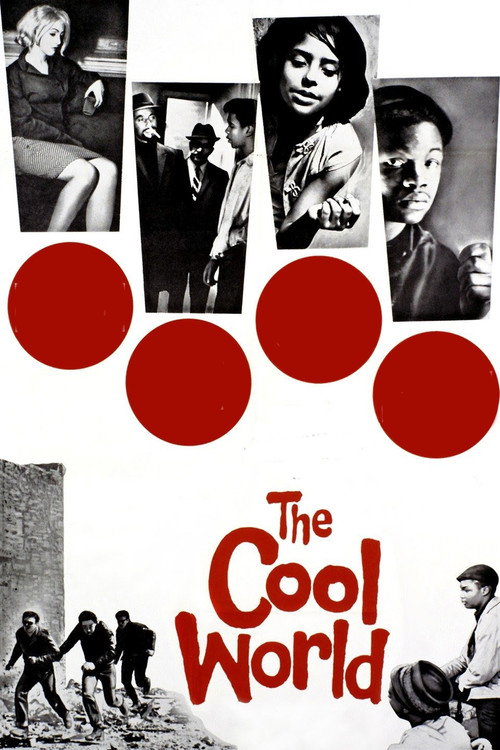
The Cool World1964
Like Save the Children, it places Black music and Black life at the center without apology or exoticizing. But it's a narrative fiction that uses sound and image together rather than a concert film—a wildly different register exploring similar emotional and social territory.
Shirley Clarke's experimental narrative film about Harlem life is shot documentary-style with a jazz score by Herbie Mann. It's formally inventive in a way that predates music video—rhythm and image locked together as storytelling.
But It's a fictional drama, not a concert or documentary. The print quality is rough. It's didactic and sometimes heavy-handed about race and poverty.
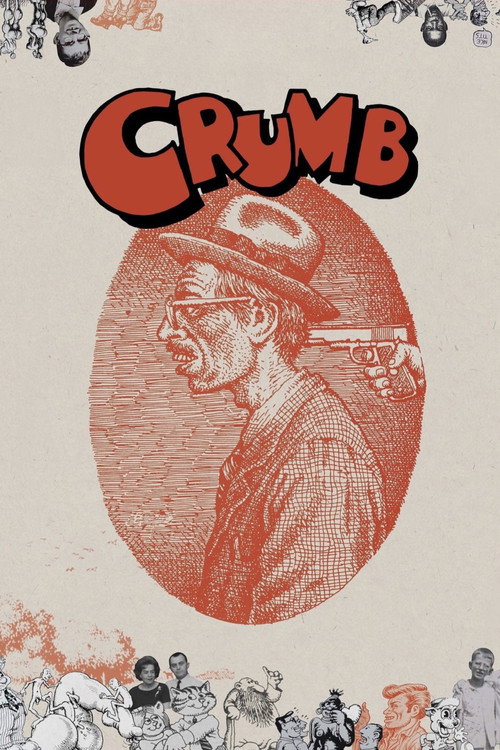
Crumb1995
Both are performance documents—one literal, one psychological—where the form (concert vs. interview) becomes a way to understand the artist's integrity. Both trust their subject enough to let them be complicated and flawed.
Terry Zwigoff's documentary about underground cartoonist Robert Crumb doesn't seem related until you realize it's doing the same thing Save the Children does: letting an artist in their element reveal who they are. It's unsparing, intimate, formally inventive.
But It's about comics and culture, not music. Crumb himself is deeply problematic. It's bleak where Save the Children is joyful.
People
Cast
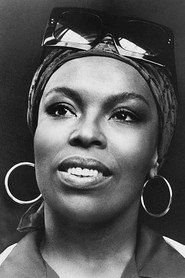 Roberta FlackSelf
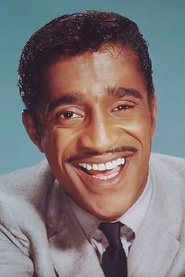 Sammy Davis Jr.Self
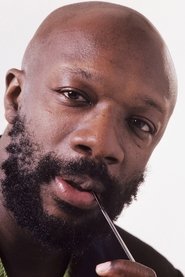 Isaac HayesSelf
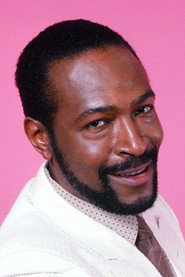 Marvin GayeSelf
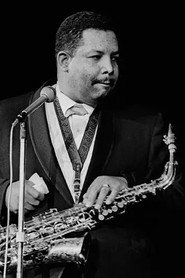
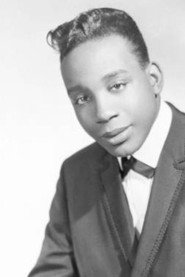 Jerry ButlerSelf
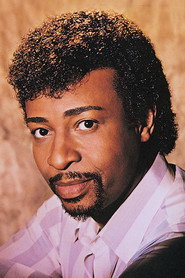 Dennis EdwardsSelf
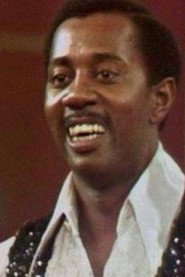 Melvin FranklinSelf
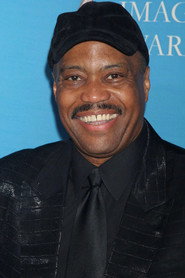 Cuba GoodingSelf
- Damon HarrisSelf
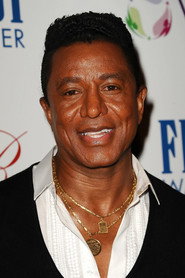 Jermaine JacksonSelf
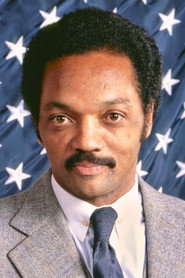 Jesse JacksonSelf
Directing
- Stan LathanDirector
Writing
- Matt RobinsonWriter
Production
- Clarence AvantExecutive Producer
- Matt RobinsonProducer
Recommended by
Summer of Soul (...Or, When the Revolution Could Not Be Televised)