
Film
The Cool World
- Street-gang crime
- Coming-of-age
- Very dark
A 1964 Harlem crime drama following a fifteen-year-old gang kid pursuing a gun to resurrect street violence in his neighborhood. Shot on location with non-professional actors, it's rough-edged and ethnographically raw—a document of youth desperation that refuses sentimentality. For viewers interested in how American cinema captured urban life before the blaxploitation era.
If you liked this
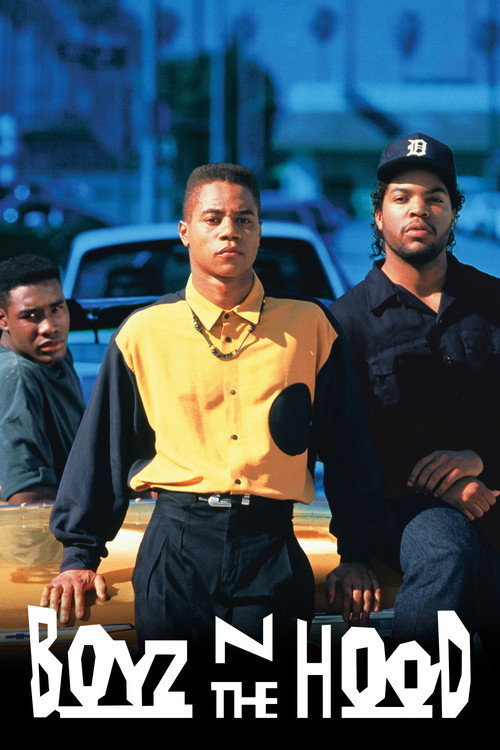
Boyz n the Hood1991
Singleton's directorial debut captures gang life in South Central LA with both empathy and moral clarity. A young man tries to escape the cycle while his friends are pulled deeper in—urgent and human.
But The didacticism can feel heavy-handed, and some character arcs resolve too neatly for the messy reality they're portraying.
Clockers1995
Spike Lee and David Simon's collaboration examines the economics of street drug dealing in Brooklyn with sociological precision. Simultaneously a police procedural and a portrait of youth trapped by circumstance.
But It's bleak, methodical, and refuses conventional catharsis. Some find it exhaustingly grim rather than cathartic.

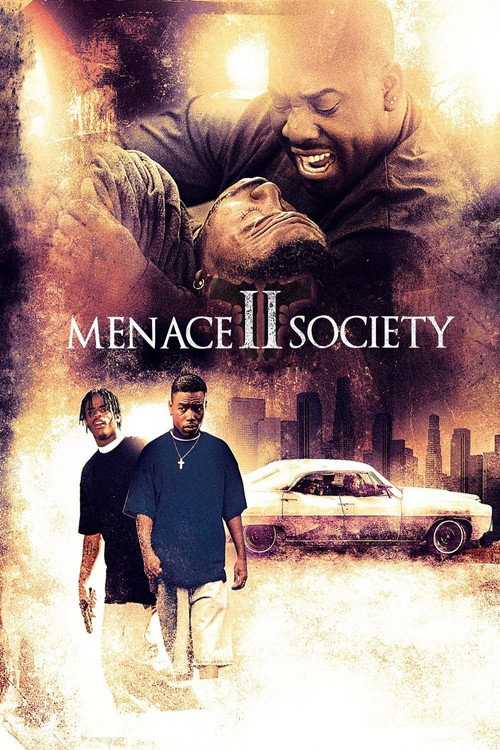
Menace II Society1993
The Hughes Brothers' debut is a visceral account of a young man's entrapment in Compton gang life. Stylistically audacious, morally unflinching, and genuinely dangerous in its refusal to condemn or redeem.
But The violence is graphic and casual; the nihilism pervasive. If you're looking for hope or a redemption arc, this will disappoint you.
Not sure tonight? Get a pick in a minute, starting from The Cool World
The wildcard
Something you would not have found on your own.
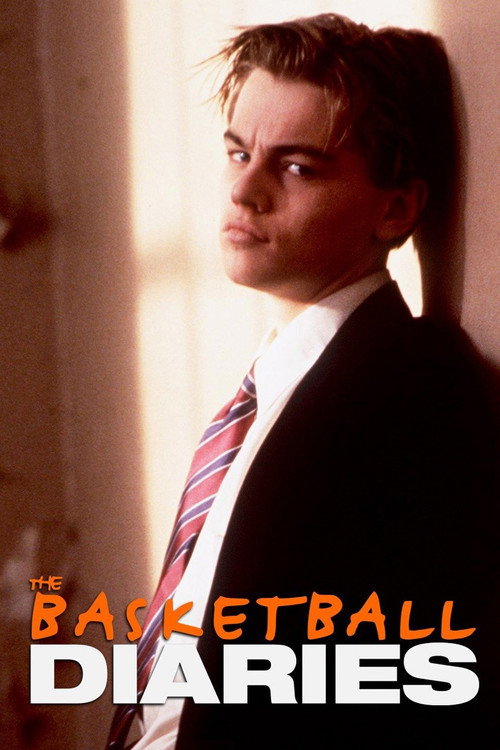
The Basketball Diaries1995
Both films dramatize youth desperation in American cities using non-narrative, observational techniques. They refuse the comfort of a redemption arc and treat street life as a social condition, not a personal moral failing.
Leonardo DiCaprio plays Jim Carroll, a New York basketball prodigy who descends into heroin addiction. Raw, uncompromised, and structurally fragmented—it treats addiction as a lived experience, not a cautionary tale.
But The junkie sequences are graphic and unflinching. For many viewers, the intensity of the depiction tips into exploitation rather than witness.
More like this (7)
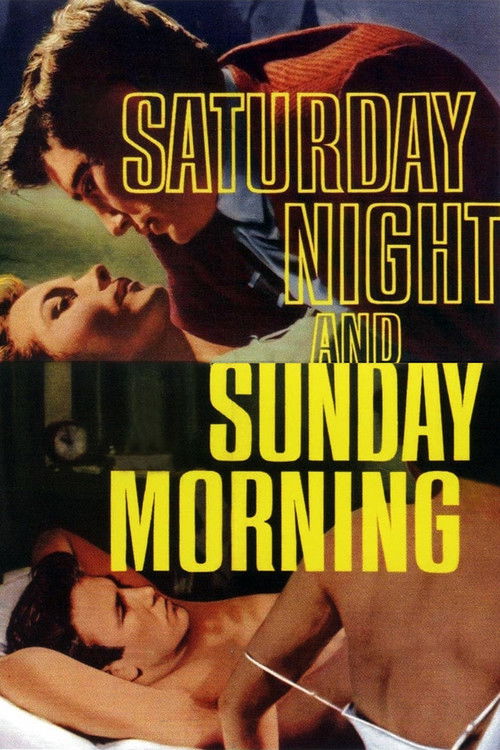
Saturday Night and Sunday Morning1960
A working-class British film that captures youthful rebellion and aimlessness with real anger. The lead is selfish and vital—no narrative hand-holding about whether to root for him.
But The gender politics are dated and troubling by modern standards. It's also deliberately unglamorous, which some find tedious rather than truthful.
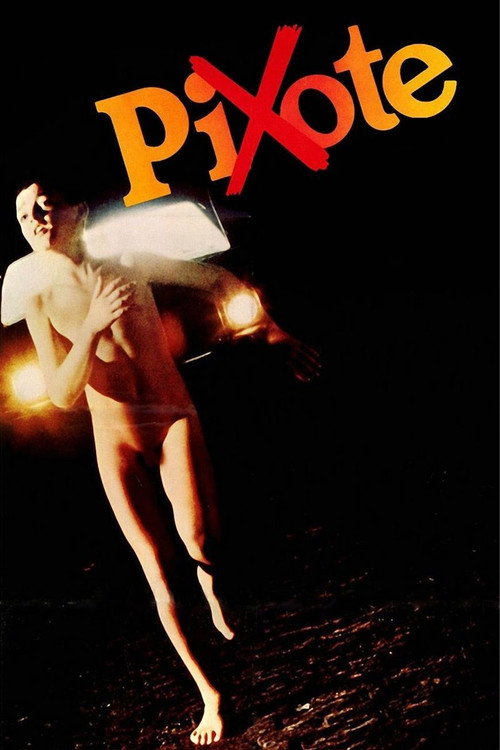
Pixote1980
Brazilian cinema's unflinching look at street children in São Paulo. Shot with non-professionals, it has documentary authenticity but the narrative power of fiction—devastating and necessary.
But The violence and sexual exploitation are real and graphic. Not a film you watch for pleasure; you watch it for its moral testimony.
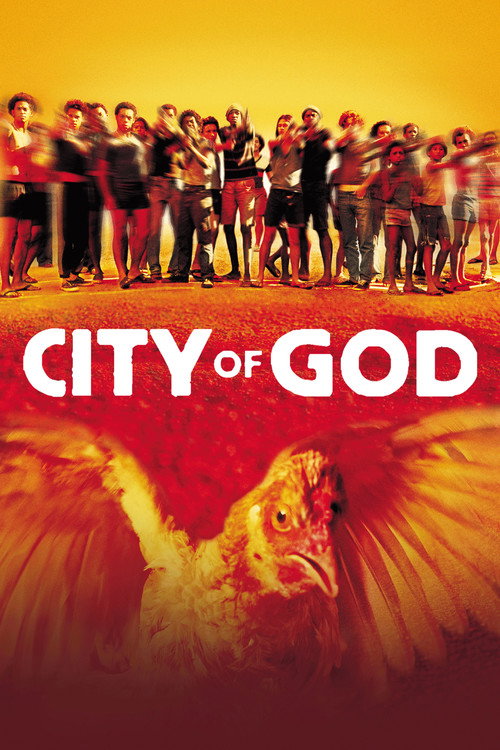
City of God2002
A kinetic Brazilian favela saga spanning decades of gang warfare and survival. Stylistically inventive and narratively complex—it makes you feel the energy and despair of its world simultaneously.
But The formal showiness can feel at odds with the subject matter. Some argue the visual pyrotechnics romanticize the violence they're depicting.
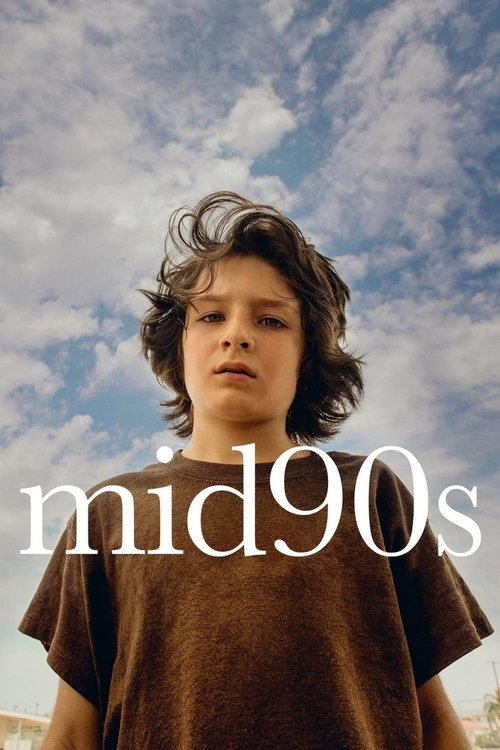
mid90s2018
Jonah Hill's directorial debut captures skateboard culture in 1990s LA through a thirteen-year-old's eyes. It's loose, lived-in, affectionate without being nostalgic—a portrait of belonging among misfits.
But The structure is deliberately slack; nothing much 'happens' in conventional terms. The dialogue is naturalistic to the point of mumbling for some viewers.
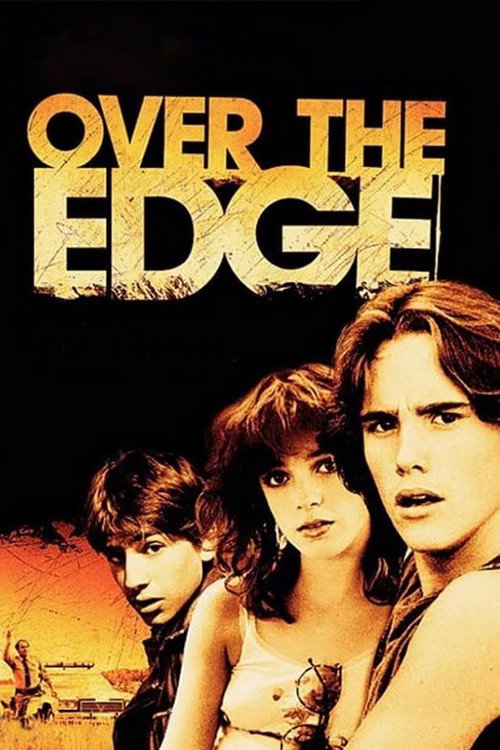
Over the Edge1979
A New Jersey town designed for cars, not people, breeds teenage boredom and rebellion. Directed by Matt Dillon in his youth, it's a sociological portrait disguised as a teen rampage film.
But The plotting is thin and the pacing episodic. If you need a clear villain or stakes, the diffuse blame will frustrate you.
La Haine1995
Both are portraits of marginalized youth in specific urban geographies, shot with documentary texture but narrative intensity. Both use young, largely non-professional casts to authenticate the world. Both refuse to make the characters sympathetic as a condition of watching them.
Mathieu Kassovitz's 1995 French masterpiece follows three friends in a Paris banlieue over 24 hours after a police shooting. Shot in black-and-white, formally radical, it captures rage and solidarity and hopelessness in equal measure.
But The ending is brutal and uncompromising. Some find the stylistic flourishes—crash-zooms, handheld sequences—dated now, or at odds with the grim subject matter.

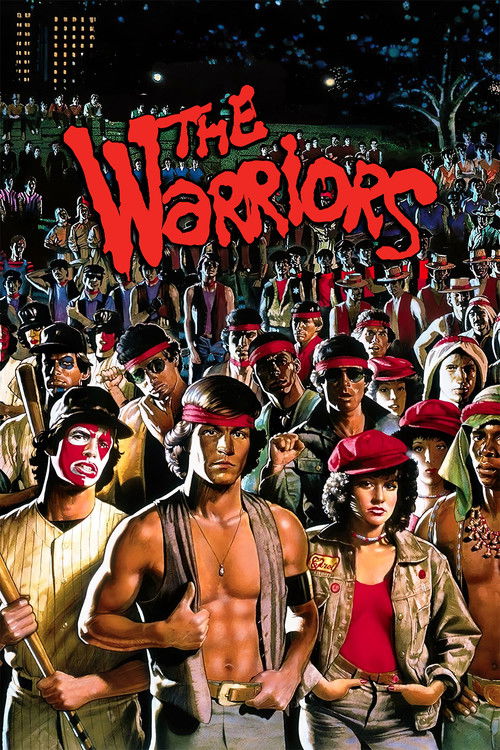
The Warriors1979
Where The Cool World is documentary-realist, The Warriors is mythic and heightened—the inverse register. But both are portraits of gangs and territory, youth codes and ritual violence. They're like inverse takes on the same material: one says 'this is what it really looks like,' the other says 'this is what it feels like.'
A Coney Island gang must traverse hostile NYC back to home territory after a false accusation of murder. Walter Hill's stylized fever dream of gang culture is visually operatic, propulsive, and utterly singular—it's a mythic Western in the subway.
But It's highly stylized and somewhat cartoonish; the real violence of gang life is aestheticized here rather than documented. Some see it as pulpy fun; others as glamorizing the very thing Cool World critiques.
People
Cast
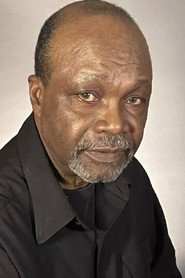 Rony ClantonDuke
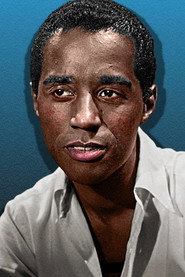 Carl LeePriest
- Yolanda RodríguezLuanne
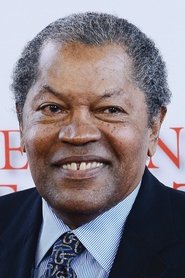
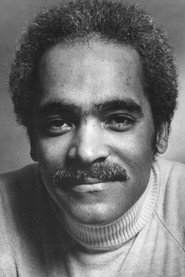 Gary BollingLittleman
- Joe OliverAngel
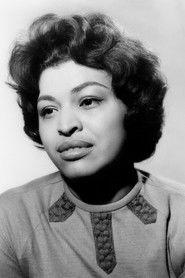 Gloria FosterDuke's Mom
- Ted ButlerMom's lover
- Marilyn CoxProstitute
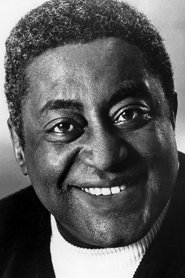 Richard WardStreet speaker
Directing
- Shirley ClarkeDirector
Writing
- Warren MillerNovel
- Robert RossenTheatre Play
- Carl LeeWriter
- Shirley ClarkeWriter
Production
- Frederick WisemanProducer