
Film
Clockers
- Drug-trade crime
- Very dark
Spike Lee's unflinching study of Brooklyn drug corners and the police who work them. Strike is a low-level dealer caught between the street and something worse; two detectives pursue the truth through a murder that doesn't add up. It's procedural and character study fused—moral weight without preaching, style that serves story.
Should you watch it?
Watch it if you like slow-burning city crime stories where the police procedure and the street-level grind of a dealer's day get equal weight, with a detective who is more puzzle than hero.
Skip it if you need a tidy plot with clear stakes; this one sprawls across many characters and runs long, and its rhythm is loose and talky rather than propulsive.
What it asks of you: Just over two hours, with room for long scenes of street talk and a slow build; it rewards close attention to small moments more than big set pieces.
Not sure? Find tonight's pick in a minute.
If you liked this
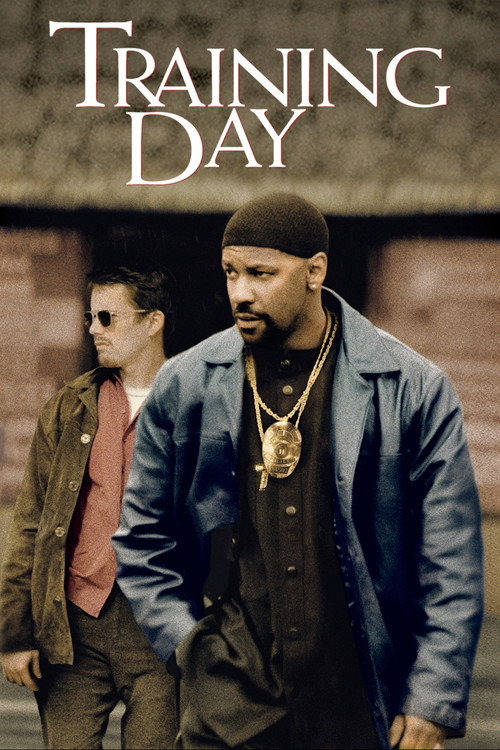
Training Day2001
Denzel's corrupt detective versus Ethan Hawke's idealistic rookie tears through Los Angeles corruption in a single, white-knuckle day. Taut, morally ambiguous, and the dynamics between cop and criminal are as complex as they are here.
But It's a more conventional thriller. Less interested in the systemic view or the lives being destroyed; more interested in whether the good guy will survive the bad one.
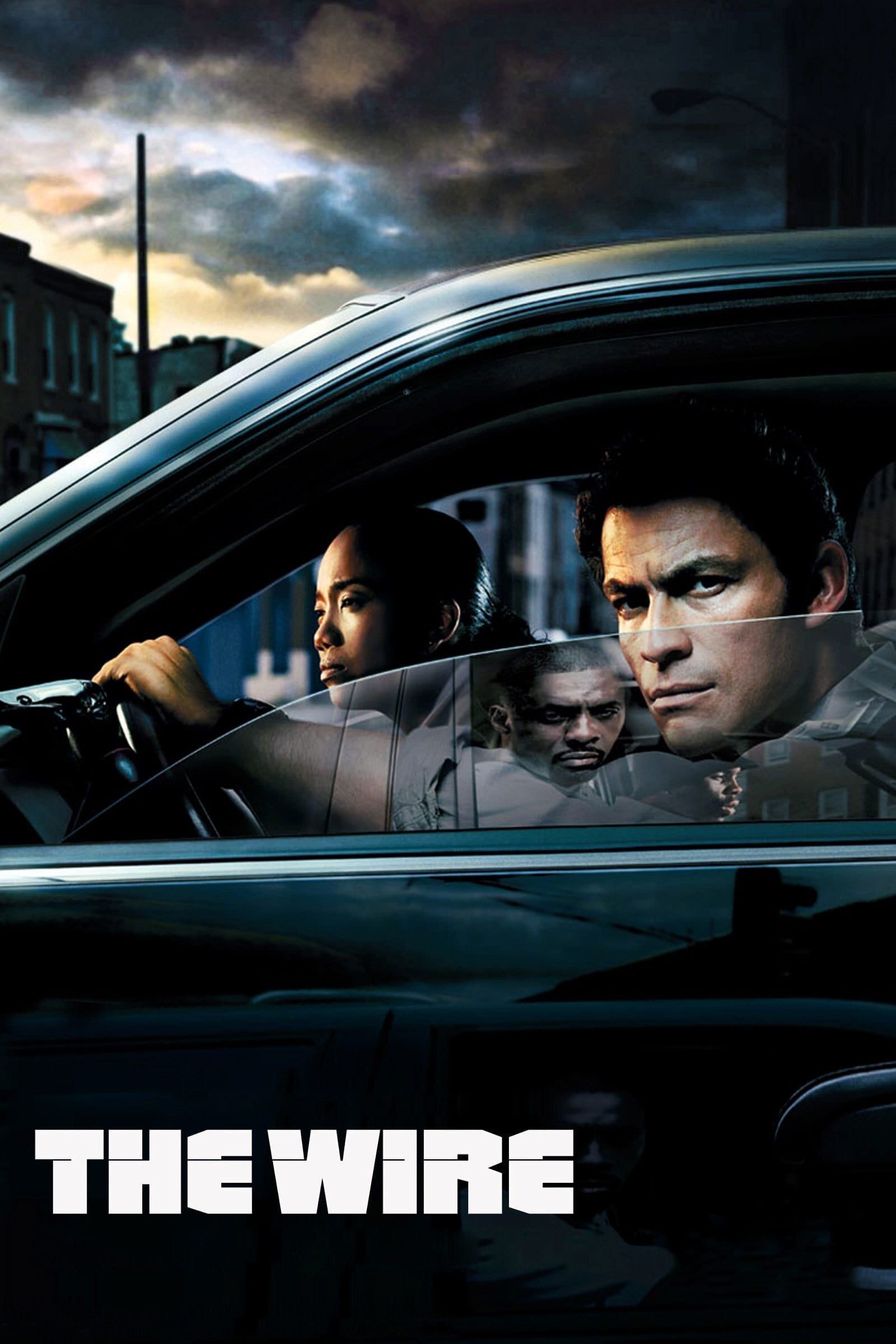
The Wire2002
Five seasons of Baltimore's drug trade, police, politics, education, and labour—the closest thing to Clockers' scope and moral clarity about how systems destroy people. Unflinching, novelistic, the best thing about this kind of story ever made.
But It's sixty hours. You'll become obsessed. Also, some years ago now, and the aesthetics feel period. But that's not a reason, that's a commitment.
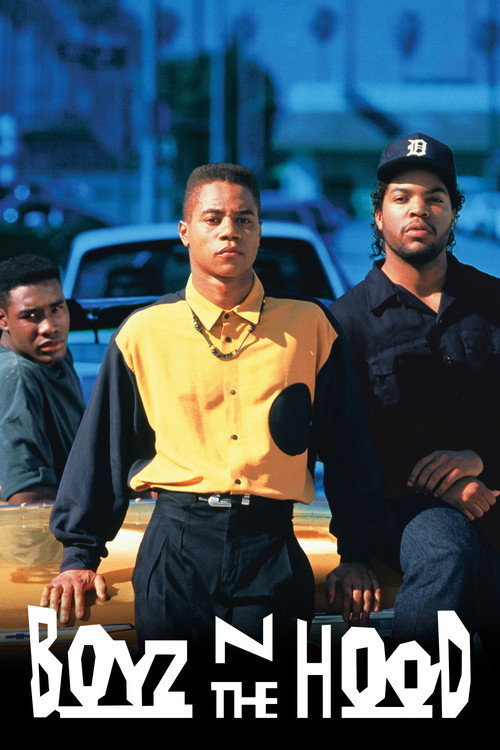
Boyz n the Hood1991
John Singleton's debut about three young men in South Central LA, each taking a different path. Tender and fierce at once, interested in both the seduction and the cost of street life, with real tenderness between its male characters.
But Stylistically it's of its moment—early '90s indie energy. Also shorter and more focused on character arcs than systemic analysis, so a different kind of story.
Not sure tonight? Get a pick in a minute, starting from Clockers
The wildcard
Something you would not have found on your own.
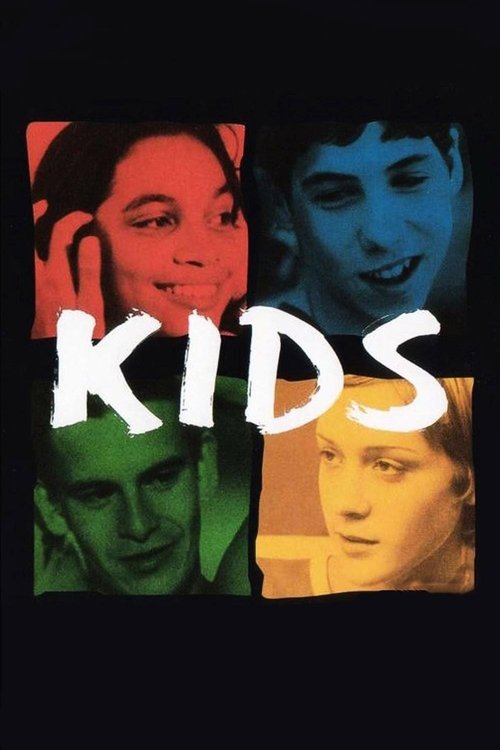
Kids1995
Both are 1995 films about young people in American cities making terrible choices; both use neorealist techniques and non-professional actors to document rather than judge. But Clockers includes the system and the watchers. Kids is pure sensation.
Gus Van Sant and Harmony Korine's film about New York teenagers—skateboarding, sex, destruction—shot in vérité style with non-actors. Released the same year as Clockers but completely different: immediate, sensory, the seduction of risk without moral framework. A companion piece about youth and consequence.
But Genuinely disturbing and intentionally transgressive. Controversial then, still controversial. Some sequences are hard to watch. It's not interested in your comfort.
More like this (8)
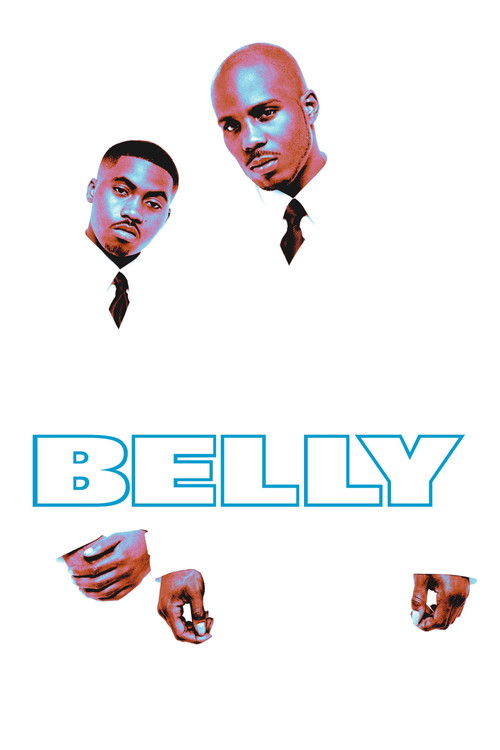
Belly1998
Hype Williams' only film, a visual essay on Brooklyn drug dealers shot like fever dream. Gorgeous, propulsive, genuinely artistic about the aesthetics and seduction of street life without glamorising the outcomes.
But Plot is secondary to mood and image. If you need narrative momentum or emotional catharsis, this will frustrate you—it's closer to tone poem than drama.
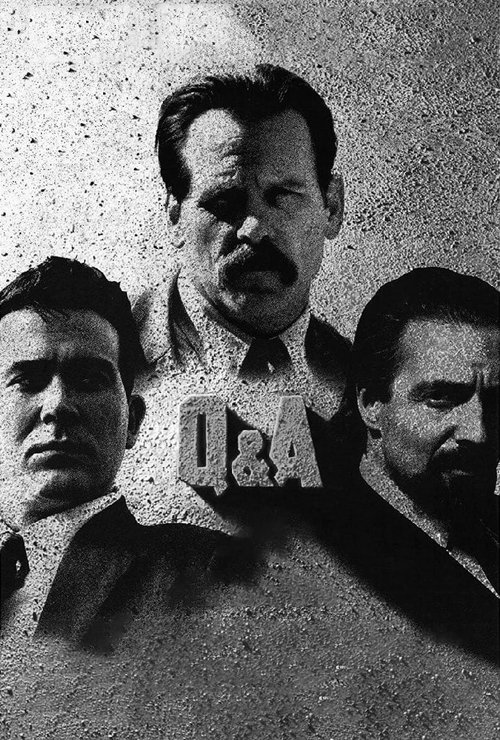
Q & A1990
Sidney Lumet's police procedural with a detective (Nick Nolte) interrogating a cop about a murder. Explosive, morally filthy, interested in how corruption becomes systemic and personal, with real stakes and a shattering ending.
But Very '90s crime movie—structured like a legal thriller. Less poetic than Clockers, more plot-heavy. Also occasionally veers toward the sensational.
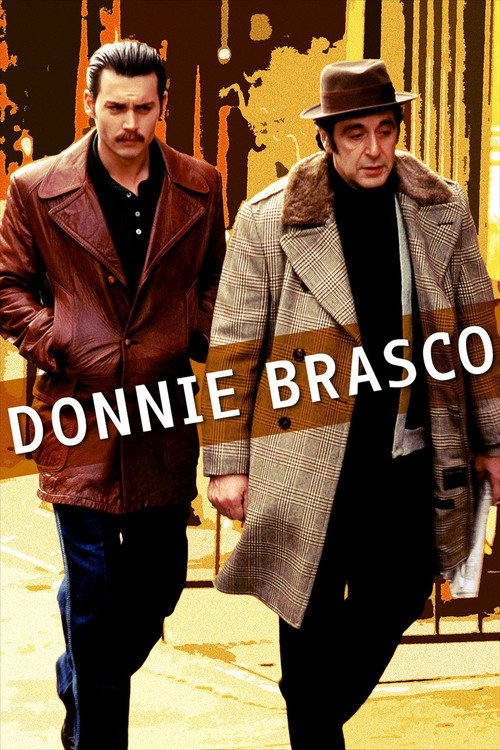
Donnie Brasco1997
Al Pacino and Johnny Depp as a mobster and an FBI infiltrator; a study in how proximity to criminal life warps everyone involved. Quieter than it sounds, interested in friendship and betrayal and the cost of living a double life.
But It's set in a different world (organised crime vs street dealing) so the texture is different. Also more of a conventional undercover thriller than a character study of systemic harm.
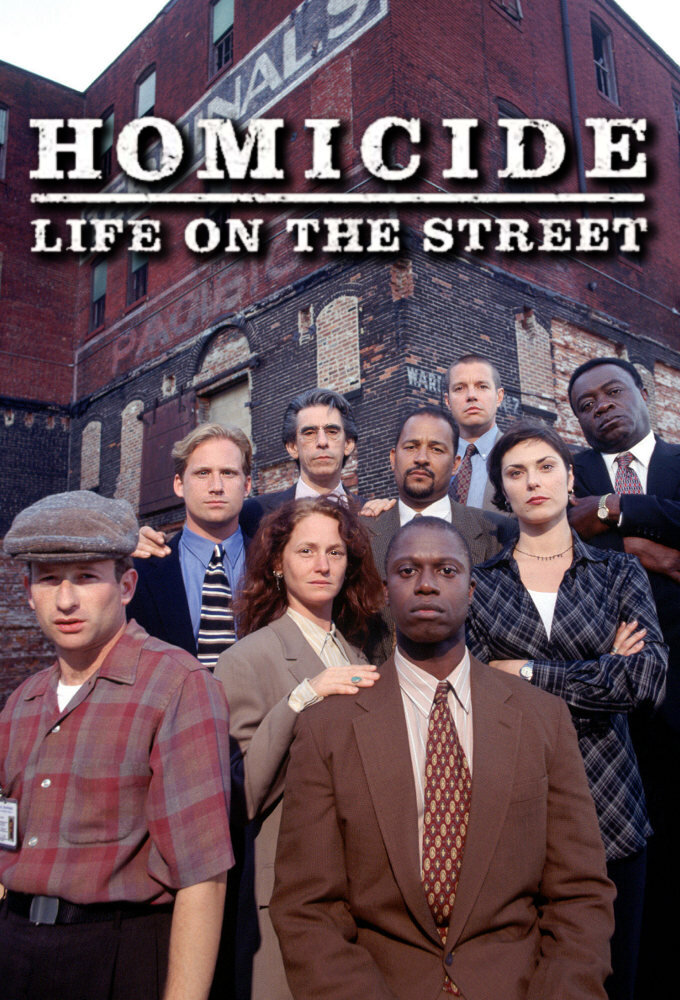
Homicide: Life on the Street1993
David Simon (who later made The Wire) and Tom Fontana's Baltimore detective show. Procedural but genuinely literary, interested in the emotional and moral toll of the work, with real characters and no easy answers.
But Early-to-mid '90s TV look and some storylines age less well than others. Also six seasons, not five; takes a while to find its footing. But the best seasons are exceptional.
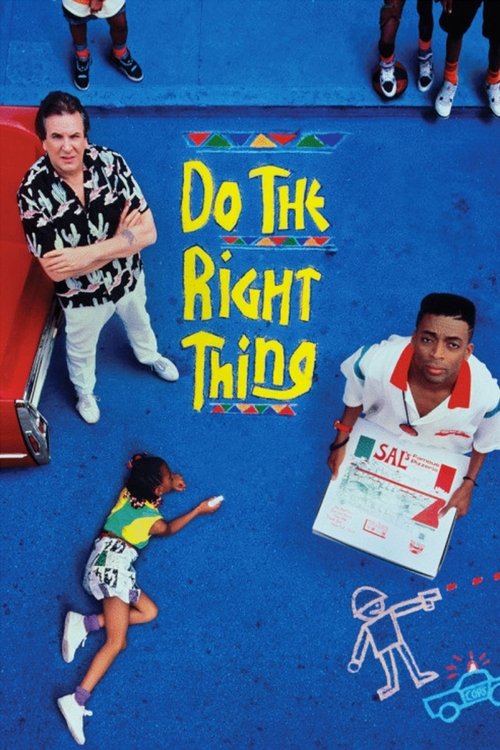
Do the Right Thing1989
Spike Lee's first masterpiece. A block in Brooklyn on the hottest day of summer—race, class, neighbourhood, community, collision. Every frame is alive, the dialogue crackles, and it refuses easy conclusions.
But It's a sprawl rather than a narrative. No conventional plot arc. If you need a story that resolves, this will feel frustrating instead of alive.
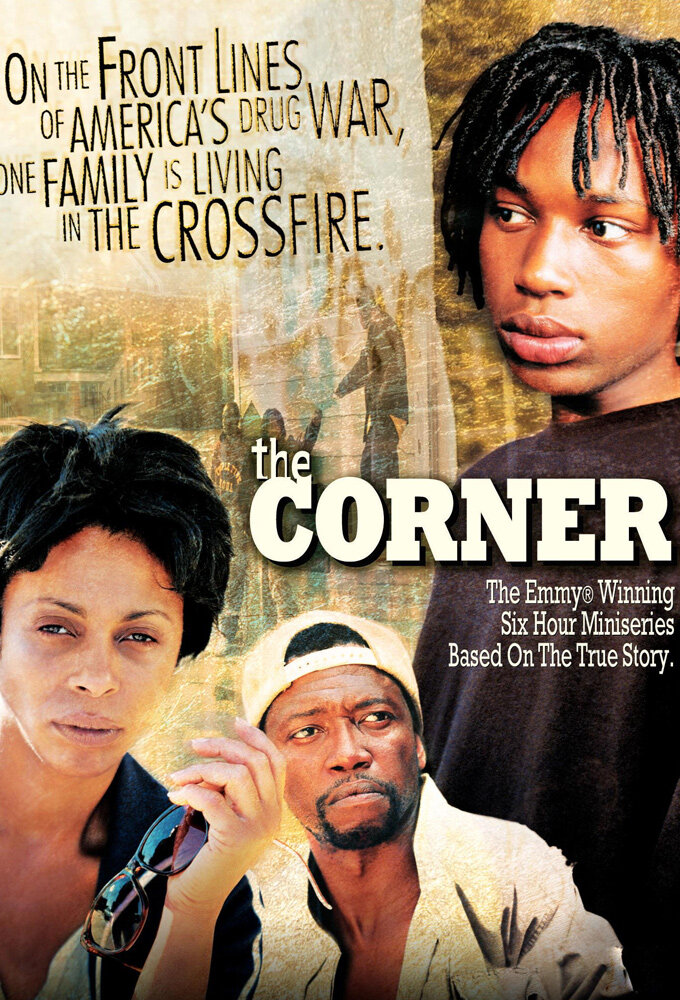
The Corner2000
HBO miniseries adapted from David Simon and Edward Burns' non-fiction book. Two weeks in Baltimore's drug economy—a family, a corner, a neighbourhood, systemic despair and moments of grace. Raw and unsentimental.
But Bleak and repetitive by design. Some storylines don't resolve. Also not widely available—you'll have to hunt. And it's HBO's first, so the production values are a step back from what came after.
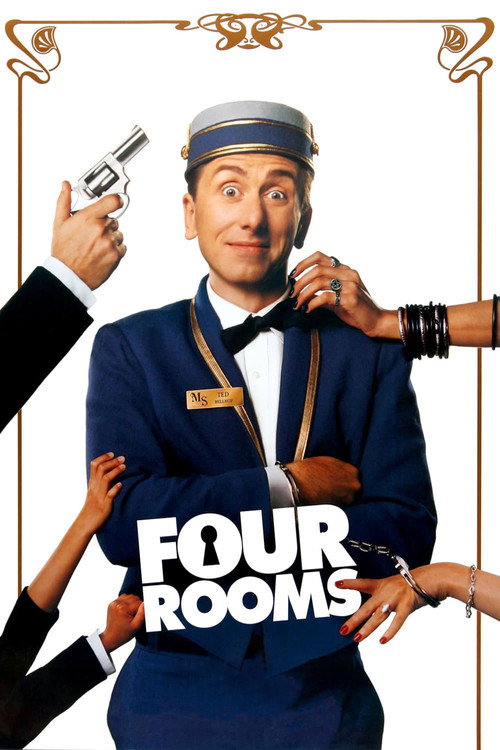
Four Rooms1995
Both films are about jurisdiction and observation: who has authority over a space, who's watching, how point-of-view shapes truth. In Clockers it's the detectives; in Four Rooms it's the bellhop. Different gears entirely, but the engine is similar.
A real swerve: the Coen Brothers, Quentin Tarantino, Robert Rodriguez and Allison Anders directing one night in a hotel. Comic, weird, formally playful and sometimes brilliant. Why? Because it shows how different artists move through the same space—technique and personality as everything.
But It's fractured and artificial in ways designed to frustrate. Also genuinely uneven. Some segments work, others don't, which seems to be the point.
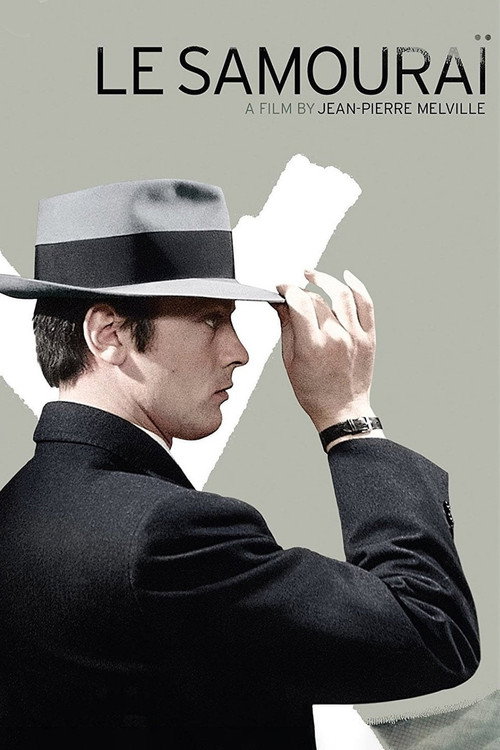
Le Samouraï1967
Both use the procedural form to ask questions about morality and loyalty inside corrupt systems. Both suggest that the system eats everyone. But Melville does it through a aesthetic of pure style; Lee does it through character and specificity. Opposite directions, same destination.
Jean-Pierre Melville's hitman film—absolutely minimal, moral and political underneath visual coolness. Alain Delon moves through Paris like water. Every frame is composed to precision. It's about loyalty, code, and what happens when the system turns on you, but told through gesture and silence.
But Slow. Opaque in ways that require patience. Also fifty years older, in French, in colour that feels like B&W. Not a plot you can follow passively. But it will reshape how you think about crime cinema.
People
Cast
 Harvey KeitelDet. Rocco Klein
 John TurturroDet. Larry Mazilli
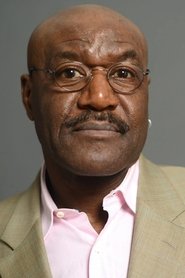 Delroy LindoRodney Little
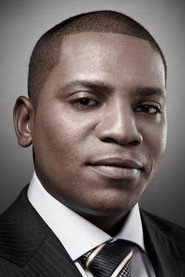 Mekhi PhiferRonald 'Strike' Dunham
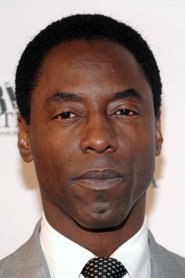 Isaiah WashingtonVictor Dunham
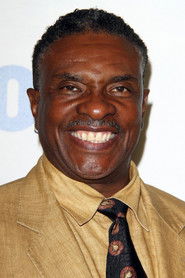 Keith DavidAndré the Giant
- Peewee LoveTyrone 'Shorty' Jeeter
 Regina TaylorIris Jeeter
 Thomas Jefferson ByrdErrol Barnes
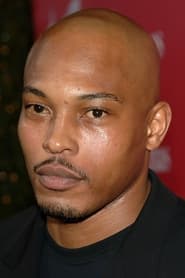 Sticky FingazScientific
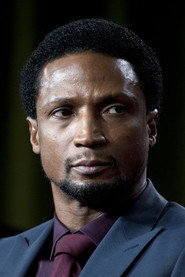 Elvis NolascoHorace
Directing
- Spike LeeDirector
- Mike EllisFirst Assistant Director
- Shari L. CarpenterScript Supervisor
Writing
- Richard PriceNovel
- Richard PriceScreenplay
- Spike LeeScreenplay
Production
- Robi ReedCasting
- Monty RossExecutive Producer
- Rosalie SwedlinExecutive Producer
- Jon KilikProducer
- Martin ScorseseProducer
- Spike LeeProducer
- Malcolm D. LeeProducer's Assistant
Recommended by
21 Jump Street, Benefits Street, New Jack City, Dead Presidents, Menace II Society, Jungle Fever, Wassup Rockers, Juice, White Men Can't Jump, South Central, Belly, Chi-Raq, Sugar Hill, Friday, The Salt of Life, The Cool World, Bound by Honor, The White Shadow, Fresh, Cornbread, Earl and Me, Mi Vida Loca, Above the Rim, Biker Boyz, A Thin Line Between Love and Hate, Paranoia, Sunset Park, Distant, Strapped, Headless Body in Topless Bar