
Television series
Benefits Street
A fly-on-the-wall documentary that embeds in a Birmingham street where most residents rely on state benefits, exploring poverty and community resilience without editorial hand-wringing. It's intimate and unglamorous, letting people speak for themselves. For anyone interested in how Britain actually lives, or how media shapes our view of the poor.
Should you watch it?
Watch it if you are drawn to observational documentary that lets ordinary people talk for themselves, and you want to argue with what you see about welfare and community afterward.
Skip it if you want a film that explains the welfare system or hands down a verdict, since this stays close to its residents and leaves the judging to you.
What it asks of you: Ten episodes of about fifty minutes each, a long sit with tough, unresolved arguments rather than a tidy arc, and steady attention through talk-heavy scenes.
Not sure? Find tonight's pick in a minute.
If you liked this
The Family2019
Observational documentary that follows a chaotic UK working-class household across a year without judgment or sentiment. Remarkably intimate portrait of struggle, love and chaos. You'll recognize people you know.
But Deliberately aimless. There's no narrative arc or payoff, just the grinding reality of keeping a family afloat on nothing. Can feel repetitive.
Poverty, Inc.2015
Documentary that questions our assumptions about poverty and aid in the Global South. Challenges smug certainty and makes you reconsider what 'help' actually means. Thought-provoking without being preachy.
But Constructed argument rather than pure observation. Some will find it contrarian for contrarianism's sake. Not as intimate as Benefits Street.
Moonlight2016
Fiction, but essential companion: intimate portrait of a Black man growing up poor in Miami. Same unflinching attention to dignity in difficult circumstances. One of the best films of its decade.
But Slow, lyrical, deliberately paced. If you want plot momentum, you'll find it thin. Some find it remote despite its intimacy.

Not sure tonight? Get a pick in a minute, starting from Benefits Street
The wildcard
Something you would not have found on your own.
Taxicab Confessions1995
Both trust the unscripted human voice as the primary source of knowledge. Both reject the idea that context or sociology makes you the expert on someone else's life.
Unscripted HBO series where strangers talk in a taxi about their real lives. Same principle as Benefits Street—people speaking truth without performance—but radically compressed and radically varied. A masterclass in listening.
But Broadcast era production. Grainy, sometimes inaudible. No through-line or character development. For some, 5-minute encounters feel superficial after Benefits Street's intimacy.
More like this (7)
Poor Things2023
Yorgos Lanthimos film about poverty, exploitation and women's agency, rendered in garish, deliberately artificial style. Raises the same questions as Benefits Street but through surrealism instead of realism.
But The artificiality will jar if you want documentary truth. Grotesque imagery and dark subject matter make it actively uncomfortable rather than merely sad.

I, Daniel Blake2016
Ken Loach fiction film about welfare bureaucracy and the human cost of conditionality. Angry but grounded. If Benefits Street made you curious about policy, this shows what the policy does to people.
But Deliberately polemical. Doesn't pretend neutrality. Some will resent being positioned to feel guilty. Others will find it obvious.

Becoming Cousteau2021
Documentary about an environmentalist who came from nothing. Shows how curiosity and self-invention can reshape a life. Inspiring without being sentimental.
But Somewhat conventional biography shape. If you're interested in poverty specifically rather than class mobility, this moves away from the subject.

The Trap: What Happened to Our Dream of Freedom2007
Adam Curtis documentary essay about how social science and economics redefined freedom itself. Essential intellectual context for understanding why Benefits Street happened and how we talk about it.
But Dense, layered, deliberately difficult. Curtis's voice-over style will annoy some. Requires active thinking rather than passive viewing.
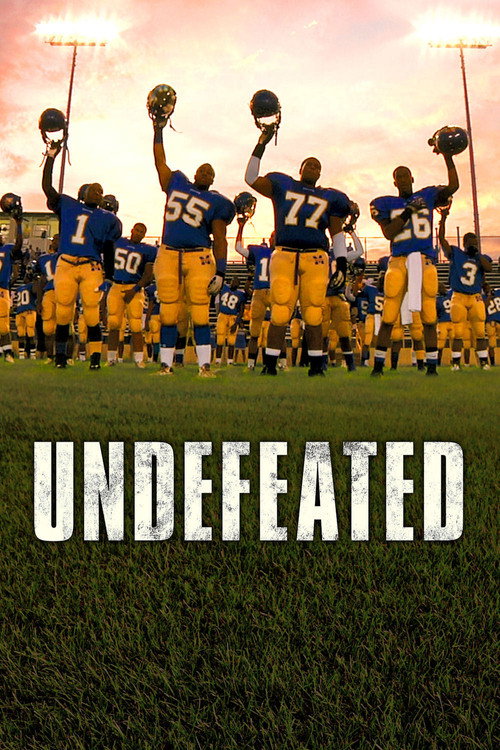
Undefeated2011
Sports documentary set in poor Memphis, following a high school football coach. About dignity, effort and what communities can do for their own. Genuinely moving without manipulation.
But Uses sport as frame, which softens the economic picture. If you want unvarnished poverty, this offers inspiration as consolation instead.
Clockers1995
Same investigative DNA as Benefits Street, but fiction allows Lee to show cause and effect in ways observation alone cannot. Both ask: what is this place actually like, beneath the judgment?
Spike Lee crime film set in housing projects, based on David Simon's non-fiction book. Uses fiction to explore structural forces that documentaries struggle to capture. Shows what documentary observation cannot: the interior logic of a system.
But 1990s filmmaking style and pacing. Deals in violence and drug economy. Less sympathetic to its characters than Benefits Street—morally murkier. Some find Lee's approach heavy-handed.

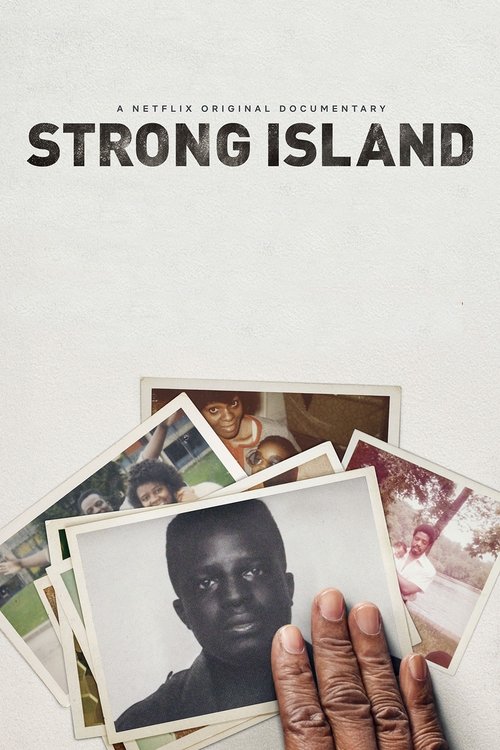
Strong Island2017
Both documents the reality of being poor in Britain (or America) with clarity and without apology. Both refuse to make poverty a lesson or moral exercise. Both trust the camera as witness, not judge.
Yance Ford documentary about his brother's murder and the family's thirty-year fight for justice. Uses the personal to dismantle how systems fail poor people, especially Black families. Formally inventive and emotionally devastating.
But Grief is the subject, not merely the occasion. Heavy, harrowing, not remotely escapist. The personal rawness will exhaust some viewers. Not cathartic, just true.
Recommended by
Bread, Little Britain, Northern Soul: Living for the Weekend, Skint