
Television series
The Trap: What Happened to Our Dream of Freedom
Adam Curtis traces how the idea of freedom transformed from liberation to algorithmic control. Across three sprawling hours, he weaves together archives, music, and fierce argument to show how systems sold as liberating—market forces, rational choice theory, surveillance technology—became the invisible cage we walk through daily. Hypnotic and unsettling.
Should you watch it?
Watch it if you enjoy essayistic documentaries that chase a single idea across decades, stitching archive footage into an argument you can argue with afterward.
Skip it if you need a tidy explanation or a single clear thesis proven step by step; this one circles its argument and leans on juxtaposition more than evidence.
What it asks of you: Three hour-long parts, so a committed evening stretch, and it rewards close attention more than it rewards being left on in the background.
Not sure? Find tonight's pick in a minute.
If you liked this
HyperNormalisation2016
Curtis's follow-up is even more ambitious, arguing that we've all retreated into virtual bubbles because reality became too complicated. Dazzling editing, prescient about social media fragmentation, and narrated with his distinctive authority.
But Three and a half hours long, and it demands active watching. If you need plot or conventional narrative momentum, you'll find this exasperating.
The Power of Nightmares: The Rise of the Politics of Fear2004
Curtis's masterpiece. Shows how neoconservatism and radical Islam both weaponised fear to reshape politics, using the same tools of myth-making. Terrifying, beautiful, and feels urgent in the worst way.
But The arguments are dense and the pacing is deliberately slow. Some will feel it's too speculative, connecting dots that might not join.
All Watched Over by Machines of Loving Grace2011
Examines how cybernetic thinking colonised everything from nature to economics to our relationships with each other. Bleaker than The Trap, and the archive footage alone is transfixing.
But It's relentlessly bleak. If you watch this for comfort, you will not find any.
Not sure tonight? Get a pick in a minute, starting from The Trap: What Happened to Our Dream of Freedom
The wildcard
Something you would not have found on your own.
Stalker1979
Both are about how systems promise freedom while delivering constraint. Tarkovsky shows it psychologically; Curtis shows it historically. Both suggest the cage is partly in our heads.
Andrei Tarkovsky's science-fiction parable about desire and control. A guide escorts two men through a mysterious zone to a room that grants wishes—but the real trap is psychological, not mechanical. Slow cinema as pure philosophy.
But It's 163 minutes of deliberate, meditative pacing. Modern attention will rebel. You have to want to sit with dread.

More like this (8)
The Century of the Self2002
How Freud's ideas about the unconscious were weaponised by advertisers and politicians to manufacture consent. It's the DNA of everything Curtis has done since. Essential context, brilliantly told.
But Four hours. Some criticise Curtis for oversimplifying Freud, but that's rather the point.
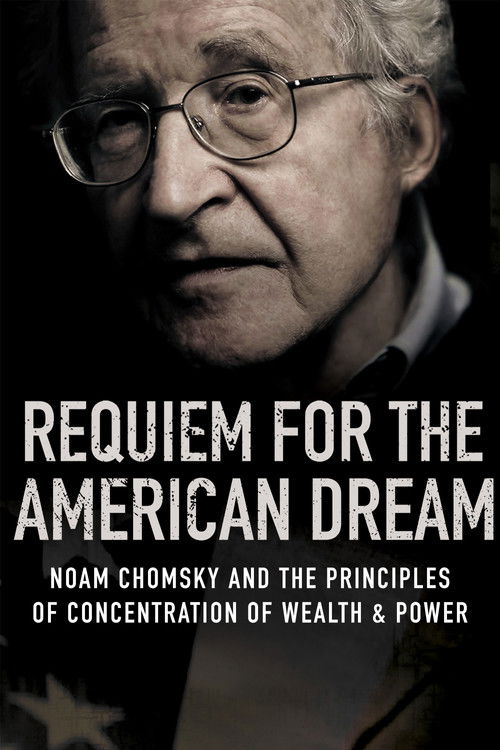
Requiem for the American Dream2015
Noam Chomsky distils fifty years of political thinking into why democratic capitalism became a con. Much more direct than Curtis—no archive collages, just argument—but equally urgent.
But Chomsky's voice is monotone and the filmmaking is plain. It's a lecture, really, dressed up as documentary.
The Act of Killing2012
Joshua Oppenheimer gets Indonesian death-squad leaders to dramatise their own killings, creating something that's part confession, part nightmare, part obscene spectacle. Morally fearless and technically audacious.
But It's not easy to watch. The cheerfulness of the perpetrators, and what they're cheerful about, is genuinely disturbing.

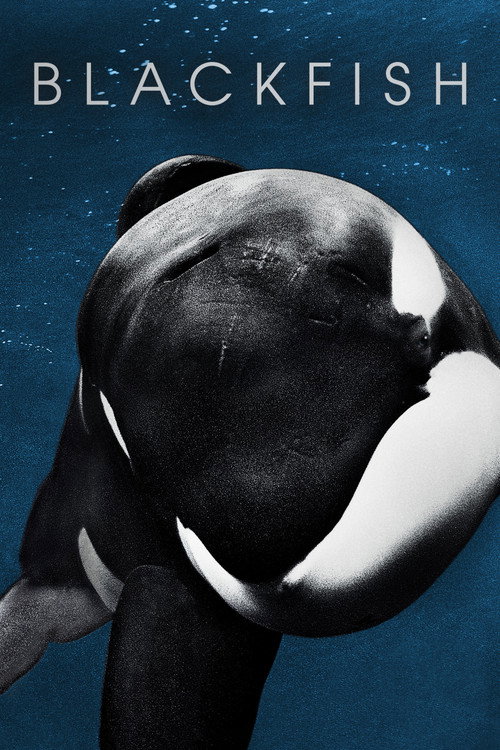
Blackfish2013
Gabriela Cowperthwaite investigates SeaWorld's treatment of killer whales by following one orca's life in captivity. It's a system-critique wrapped in a true-crime narrative. Gripping and surprisingly moving.
But Once you know what happened, you can't unsee it. It will change how you feel about aquariums forever.
The Bleeding Edge2018
Kirby Dick and Amy Scott examine the medical device industry's regulatory capture—how hospitals became dumping grounds for untested implants. Like Curtis but with clear, human stakes and names.
But It's angrier than introspective. Some viewers find the argument blunt where they want it subtle.

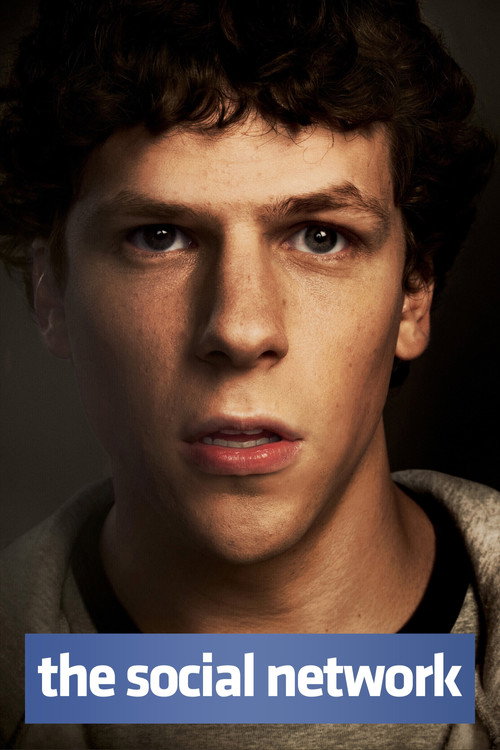
The Social Network2010
Not what you think. Fincher's film isn't really about Facebook; it's about the mythology of meritocracy, connection sold as control, and how Silicon Valley rewrote freedom as frictionlessness. Aged into prophecy.
But It's a narrative drama with manufactured conflict. If you want documentary evidence rather than artistic speculation, this won't satisfy.
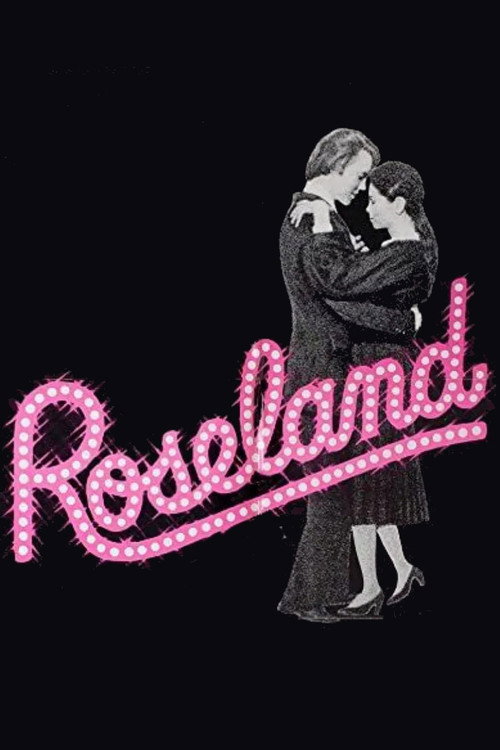
Roseland1977
Curtis explores how institutions shape desire; Ivory shows it through dance and decorum. Both argue that what we think is freedom is often just choreography we've internalised.
James Ivory's triptych about ballroom dancers in New York, filmed as controlled, almost baroque chamber pieces. Three stories of people seeking connection and dignity through rigid social rituals. Utterly strange and beautiful.
But It's formally experimental and emotionally cold. If you want warmth or plot, you'll find it alienating rather than moving.
Chungking Express1994
Curtis shows how systems of control become invisible; Wong shows how contemporary life—advertising, consumerism, technology, alienation—becomes invisible too. Both artists find poetry in the trap itself.
Wong Kar-wai's neon-drenched Hong Kong romance, where two lonely cops drift through city streets trying to connect with women who aren't really available. Visually intoxicating and melancholic in ways that feel completely true.
But It's style over plot. The narrative is deliberately fragmented and deliberately romantic about loneliness. Some find it precious rather than profound.

People
Production
- Stephen LambertExecutive Producer
- Adam CurtisProducer
- Lucy KelsallProducer
Recommended by
Benefits Street, The Power of Nightmares: The Rise of the Politics of Fear, My Brother the Islamist, The Men Who Made Us Fat, Surviving Progress, Civilization: Is the West History?