
Film
Requiem for the American Dream
- Slow-burning
Noam Chomsky on camera for 73 minutes, laying out his thesis on how American inequality became catastrophic. Not a debate—a sustained argument about power, policy, and the slow strangulation of the middle class. For anyone who's felt the system is rigged and wants the intellectual architecture of that feeling spelled out.
Should you watch it?
Watch it if you want a single clear-eyed thinker walking you through how economic policy and power were arranged over half a century, and you don't mind the argument being delivered almost entirely by one man talking to the camera.
Skip it if you came for cinema rather than a lecture, since it is essentially Chomsky seated and speaking, with little visual variety and no interest in dramatizing anything beyond his words.
What it asks of you: It runs about seventy-three minutes and asks you to sit still and follow dense, careful reasoning without much rest, so bring your full attention rather than half of it.
Not sure? Find tonight's pick in a minute.
If you liked this
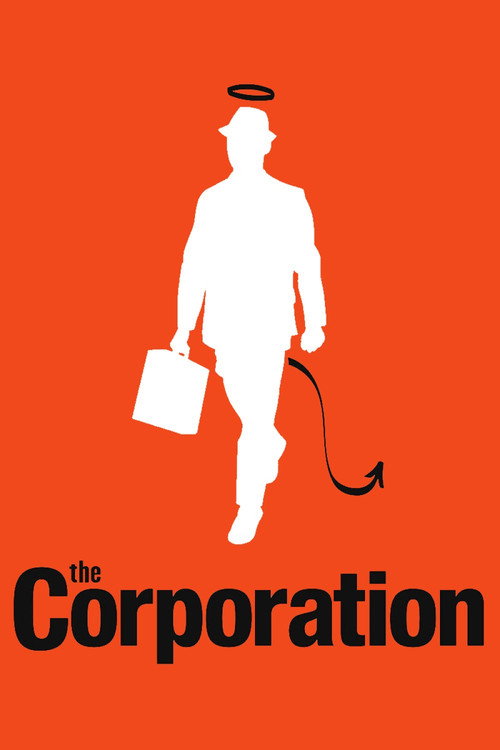
The Corporation2003
Documentary investigation into corporate personhood and how business logic colonized every corner of life. Shares Chomsky's forensic anger at institutional dysfunction, with vivid case studies instead of talking head alone.
But Hefty at two hours, and the tone is relentlessly dark—no jokes, no relief, just mounting dread.
The Big Picture1989
Another Chomsky-adjacent documentary following his lectures and activism over decades. Gentler than *Requiem*, with more room to breathe, and traces how he arrived at these conclusions through his own intellectual journey.
But Less tightly structured than *Requiem*; if you want the argument distilled rather than explored, this sprawls.

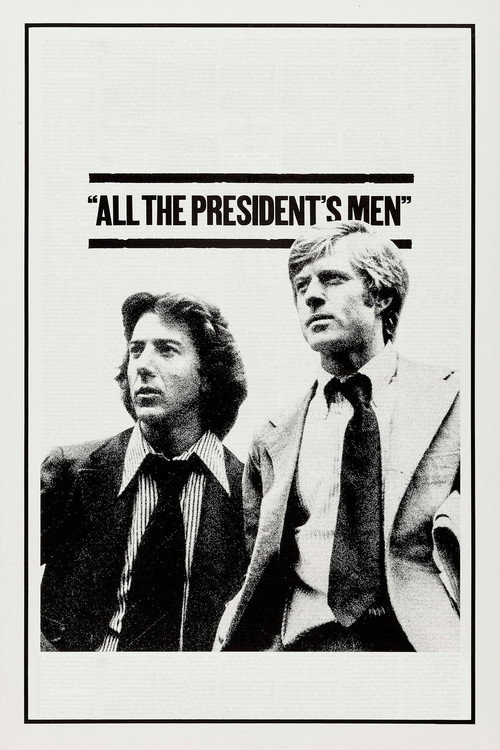
All the President's Men1976
Watergate thriller that tracks how power insulates itself and how institutions erode from inside. Complements Chomsky's macro-view with granular reporting—the same machinery, but filmed as procedural drama instead of lecture.
But Historical distance may feel quaint if you're looking for present-tense urgency. It's about 1974, and feels like it.
Not sure tonight? Get a pick in a minute, starting from Requiem for the American Dream
The wildcard
Something you would not have found on your own.
Winter Light1963
Both argue that large systems (religion, democracy) have collapsed from within, leaving only performance and emptiness. Bergman shows it through psychology; Chomsky through policy. Same conclusion reached from opposite ends.
Bergman's bleak meditation on faith dissolving and institutions failing. No politics, but the same diagnosis: systems that promise meaning deliver only silence and manipulation. A spiritual kinship to Chomsky's despair.
But Glacial pacing and sustained sadness; this is not intellectual stimulation, it is existential weight.

More like this (4)
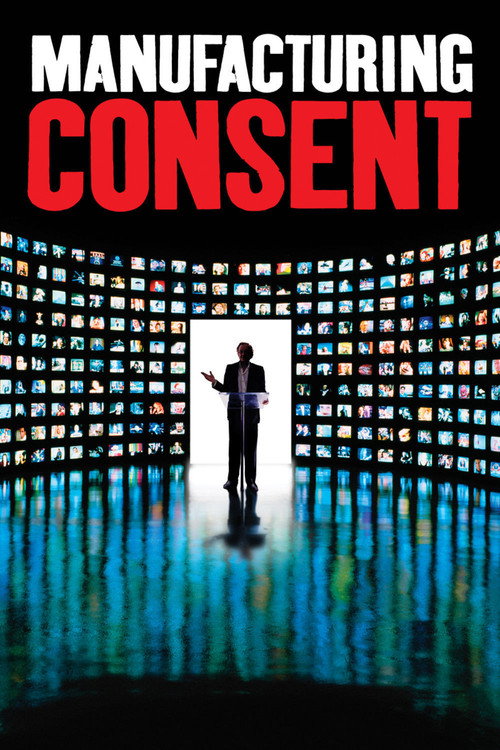
Manufacturing Consent: Noam Chomsky and the Media1992
The canonical Chomsky film, featuring him unpacking his media criticism directly. If *Requiem* is the capstone, this is the foundation—still sharp, still revelatory, and actually more focused on a single idea.
But Three decades old; some examples feel dated, and media has fractured in ways he didn't predict.
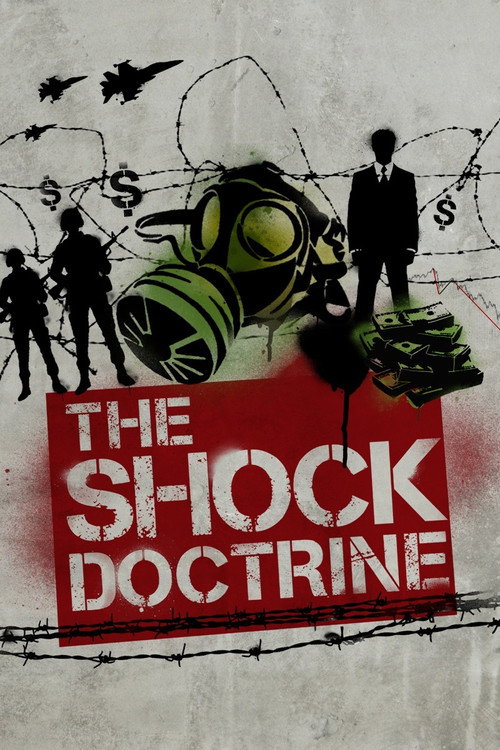
The Shock Doctrine2009
Naomi Klein's documentation of disaster capitalism—how crises are exploited to impose market ideology. Builds directly on Chomsky's work and shows the mechanism in motion around the world.
But Dense with information and clips; can feel like drinking from a firehose without enough breathing room.
Mulholland Drive2001
Chomsky describes how propaganda manufactures consent and shapes perception. Lynch shows how reality itself becomes impossible to distinguish from spectacle. Same rot, one diagnosed clinically, one visualized as psychological horror.
Lynch's Los Angeles nightmare about power, delusion, and the machinery grinding people. Not a political allegory, but a formal deconstruction of how systems trap and consume the powerless while selling them dreams.
But Demands multiple viewings to even parse. If you want clarity about what you're seeing, this refuses it on principle.

Come and See1985
Chomsky traces how American foreign policy has required the manufacture of a foreign enemy and the dehumanization of distant populations. *Come and See* is what that policy looks like from the inside of the machine, from the consciousness of the person forced to operate it.
Soviet war film—a child conscripted into WWII—that documents the systematic dehumanization required by industrial slaughter. Chomsky discusses American violence in the abstract; this shows what violence actually requires of those who execute it.
But Among the most harrowing films ever made. Not for viewers seeking catharsis or closure. The whole point is that some things don't heal.

People
Cast
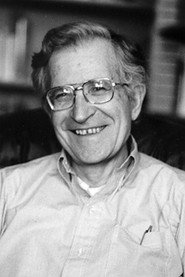 Noam ChomskySelf
Directing
- Jared P. ScottDirector
- Kelly NyksDirector
- Peter D. HutchisonDirector
Writing
- Jared P. ScottWriter
- Kelly NyksWriter
- Peter D. HutchisonWriter
Production
- Dal LaMagnaAssociate Producer
- Evan LaMagnaAssociate Producer
- Theron PowellAssociate Producer
- Diana HoltzbergExecutive Producer
- Jared P. ScottProducer
- Kelly NyksProducer
- Peter D. HutchisonProducer
Recommended by
Capitalism: A Love Story, Inequality for All, Weed the People, All Watched Over by Machines of Loving Grace, The Trap: What Happened to Our Dream of Freedom, The Money Masters, Plastic Fantastic, Poverty, Inc., Noam Chomsky: Rebel Without a Pause, Debtocracy, The Weight of Chains 2, The Union: The Business Behind Getting High