
Film
Plastic Fantastic
A rigorously researched documentary that traces plastic's journey from extraction through consumption to disposal, examining the corporations, complicity, and false solutions that keep us trapped in the crisis. It's cinematic and urgent without sacrificing nuance, especially attentive to how wealthy nations export their waste and culpability to poorer ones. For anyone ready to understand the system rather than just feel guilty about straws.
Should you watch it?
Watch it if you want the systems behind a problem laid out piece by piece, with a sharp eye for corporate spin and an argument that points toward what could actually change.
Skip it if you find lectures hard going when they arrive wrapped in polished visuals, since this one is packed with research and argument rather than personal stories.
What it asks of you: Roughly an hour and forty minutes of steady, information-dense attention, with little room to drift and a tone that stays sober even when the material turns bleak.
Not sure? Find tonight's pick in a minute.
If you liked this
The True Cost2015
Exposes the human cost of fast fashion by following garment workers and environmental damage in Bangladesh. Uses the same investigative clarity Plastic Fantastic brings to tracing responsibility through global supply chains.
But Focuses narrowly on clothing, so if you're looking for broader systemic critique across industries, it covers less ground than you might want.

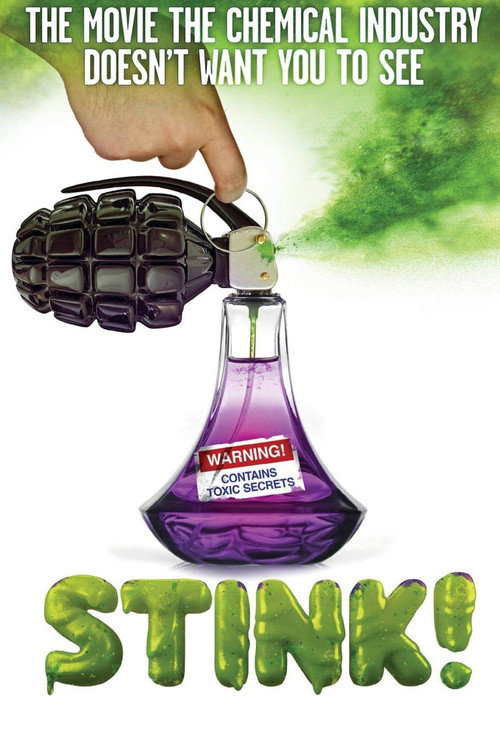
Stink!2015
A father and daughter investigate why chemicals banned in Europe are legal in US textiles. Combines personal stakes with institutional failure in exactly the way that makes these problems feel both urgent and fixable.
But Smaller in scope and budget than you might expect from a documentary on this scale. Some threads don't go as deep as they could.
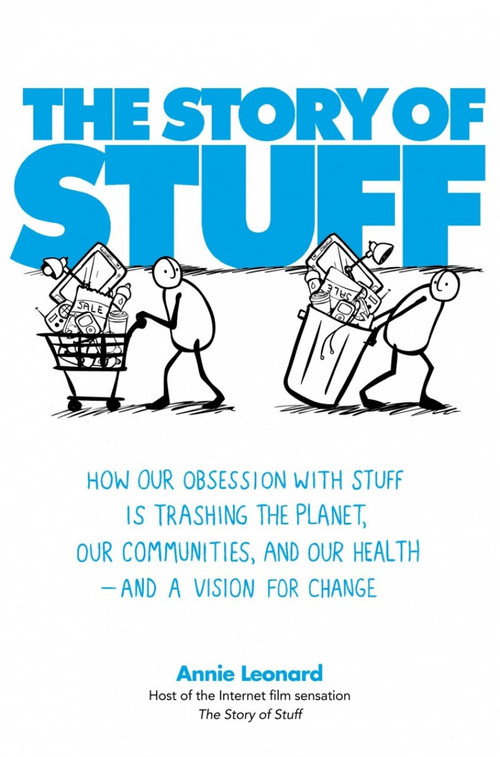
The Story of Stuff2007
A taut primer on overconsumption and waste across our entire economic system. Predates current climate discourse but holds up because it identifies the structural drivers Plastic Fantastic now examines in granular detail.
But Feels slightly dated in production style, and some solutions proposed have themselves been critiqued as insufficient in the years since.
Not sure tonight? Get a pick in a minute, starting from Plastic Fantastic
The wildcard
Something you would not have found on your own.
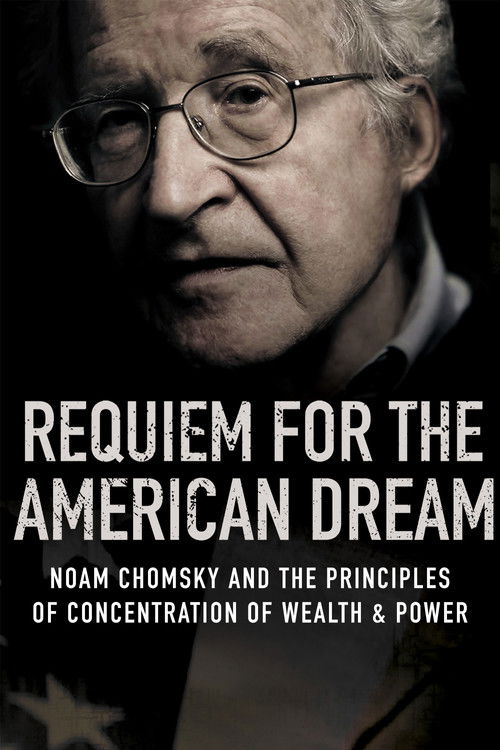
Requiem for the American Dream2015
Both diagnose how systems protect themselves through narrative manipulation and regulatory capture, not through individual malice. Understanding the architecture of denial that Chomsky describes makes Plastic Fantastic's critique of greenwashing and climate racism click into place.
A 75-minute synthesis of Chomsky's lifetime of work on how power structures serve themselves. The intellectual architecture explains *why* plastic companies can stall regulation—it's the same system that permits all institutional capture.
But Chomsky is polemical and the film is interview-heavy; if you want visual storytelling and solutions rather than theoretical frameworks, this will frustrate you.
More like this (7)
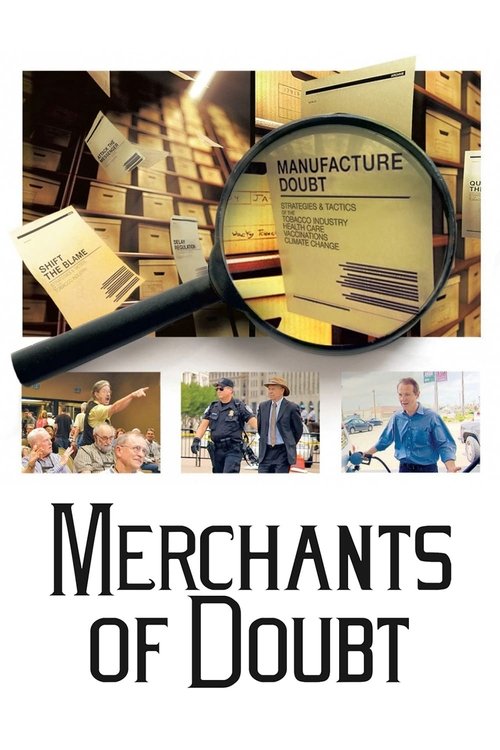
Merchants of Doubt2014
Documents how corporations manufacture uncertainty about their own products' harms. Directly relevant to understanding the greenwashing and corporate obfuscation that Plastic Fantastic takes apart.
But Primarily about climate denial rather than solutions, so it's darker and less forward-looking than a film that also charts possible paths.
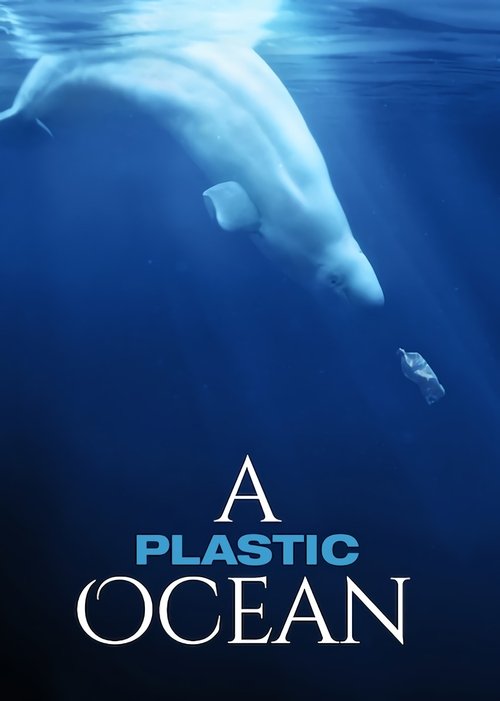
A Plastic Ocean2016
Visually stunning journey through marine plastic pollution, with visceral footage that haunts you. Complements Plastic Fantastic's systems analysis with the consequence you actually see in the ocean.
But Leans heavily on imagery of suffering animals, which some viewers find manipulative, and offers fewer institutional solutions than structural critique.
Our Planet2019
David Attenborough narrates a gorgeous exploration of how industrial systems damage ecosystems. The episode on oceans pairs perfectly with understanding where plastic ends up and why it matters.
But You're watching eight hours for one-episode relevance. The beauty can feel distant from urgent action in a way analysis does not.

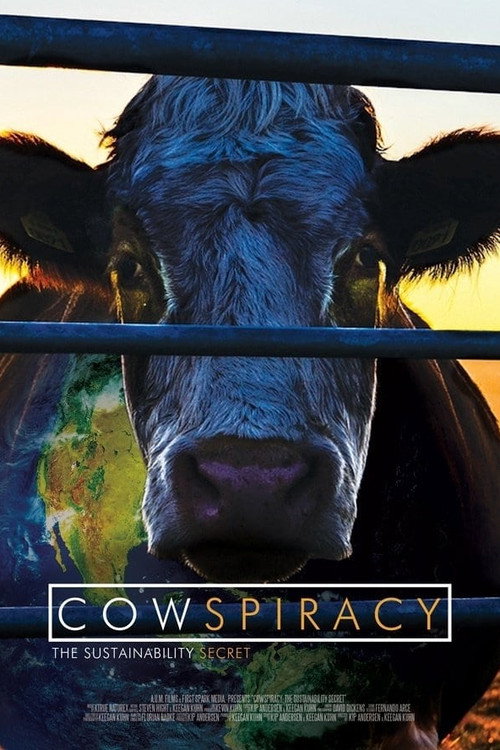
Cowspiracy: The Sustainability Secret2014
Uses the same investigative approach to expose how animal agriculture dwarfs other environmental crises in its impact. Methodical about following money and institutional resistance to change.
But Some scientists push back on its more extreme claims, and the film's framing occasionally oversimplifies competing priorities in sustainability.
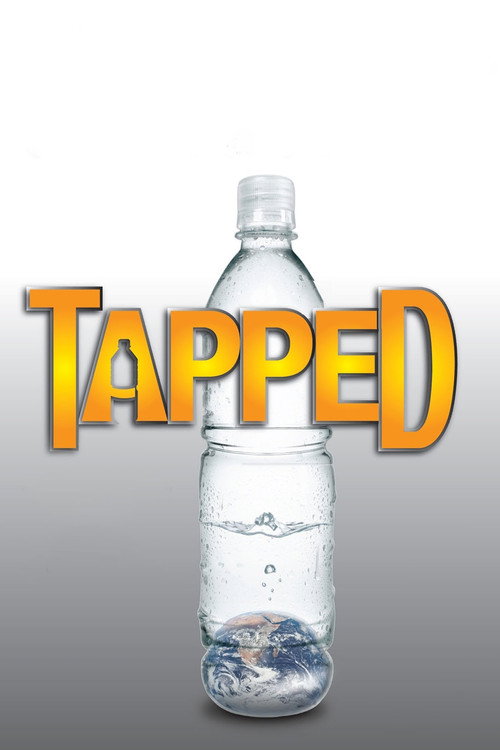
Tapped2009
Traces the bottled water industry as a case study in how corporations privatize commons and export consequences. An earlier, narrower lens on themes Plastic Fantastic now examines at planetary scale.
But Fifteen years old now and somewhat superseded by broader analysis. Water is important but one stream of a much larger crisis.
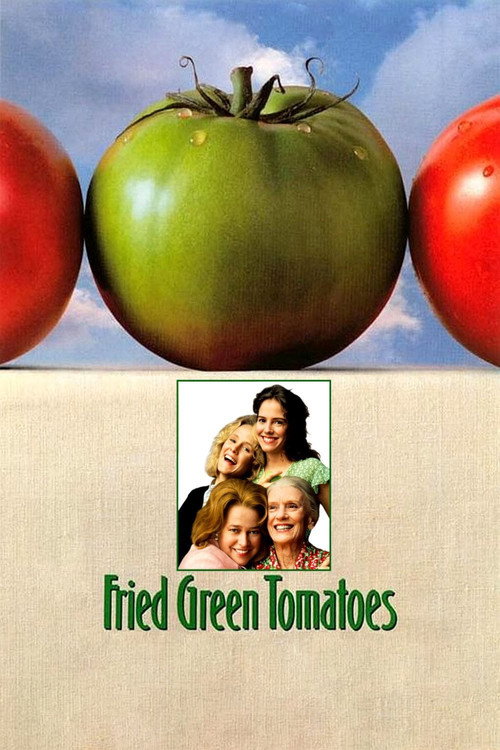
Fried Green Tomatoes1991
Plastic Fantastic argues that individual consumer choices are a distraction from systemic change. This film, made decades before that argument, is quietly about the exact same thing—why personal goodness within oppressive systems doesn't equal freedom. It's the emotional truth beneath the data.
A gorgeously acted drama about friendship, agency, and small acts of resistance against systems designed to keep people compliant. Has nothing to do with environmentalism but everything to do with how ordinary people think about power.
But It's a 1991 melodrama, not a documentary. If you watch it looking for climate content, you'll be baffled. It's slow and interior where activism docs are urgent.
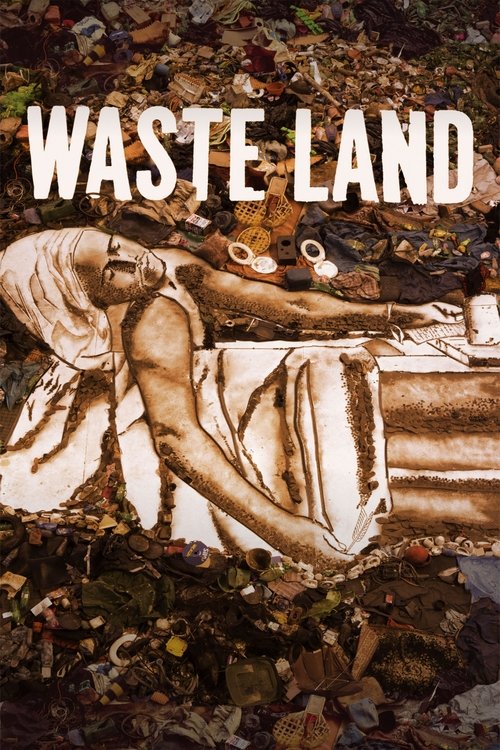
Waste Land2010
Plastic Fantastic tracks how waste becomes someone else's problem, usually the global poor. This film centers the people that systems render invisible, treating them as artists rather than victims. It's what happens when you actually look at the humans inside the crisis that Plastic Fantastic documents from above.
A Brazilian artist works with garbage collectors in Rio to create beauty from landfill waste. Visually stunning and does the opposite of preach—shows how dignity and creativity survive inside the catastrophe we've created.
But It's art-focused rather than advocacy-focused, and some find that evasive. If you watch it wanting policy recommendations or corporate accountability, you'll leave frustrated.
People
Directing
- Isa WillingerDirector
Production
- David Armati LechnerProducer
- Isabelle BertoloneProducer
- Trini GoetzeProducer