
Film
The Story of Stuff
Annie Leonard's animated essay traces the hidden costs of consumer culture—from resource extraction to toxic waste—in a brisk, energetic 22 minutes. It's a primer that assumes nothing, moving fast enough to keep you engaged while packing genuine outrage beneath the cheerful surface. For anyone who's felt uneasy about consumption but couldn't articulate why.
Should you watch it?
Watch it if you like a sharp, talky lecture carried by simple drawings and a clear argument, and you want to leave the room rethinking your shopping habits.
Skip it if you want a film with characters, a plot or any real visual flair, since this is one person talking while cartoon shapes illustrate her case.
What it asks of you: Twenty-two minutes of steady attention with little breathing room; it moves briskly, pushes its point hard, and is plainly angry about its subject.
Not sure? Find tonight's pick in a minute.
If you liked this
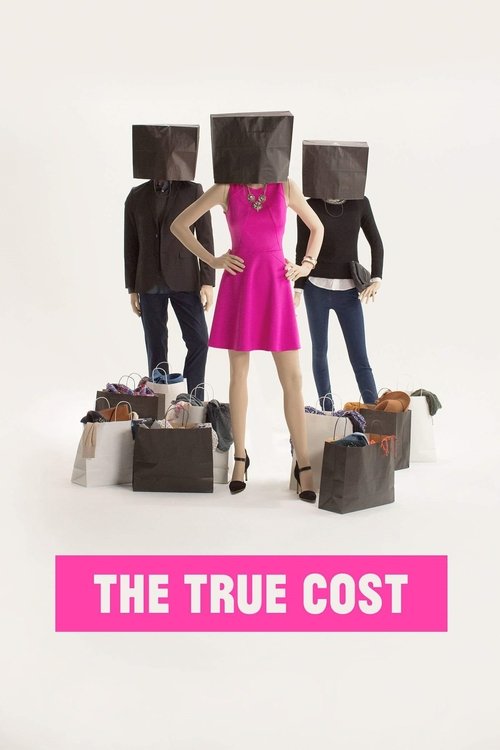
The True Cost2015
Investigates the human and environmental toll of fast fashion through on-the-ground reporting. Haunting, specific, and will change how you think about your closet forever.
But Heavy documentary that dwells in suffering without offering many solutions—can feel bleak and paralyzing.
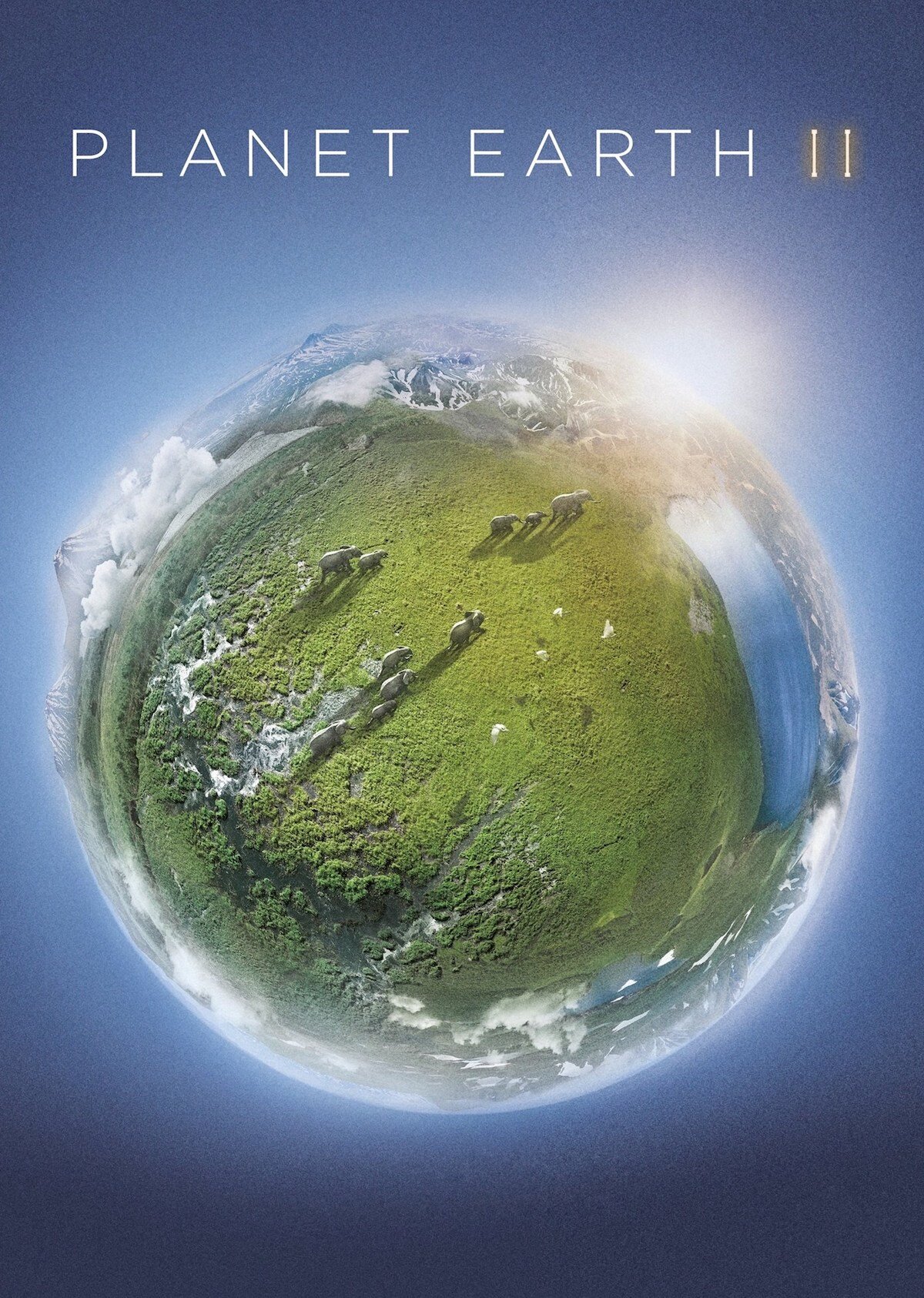
Planet Earth II2016
David Attenborough narrates our planet's astonishing creatures and ecosystems. Visually ravishing and occasionally devastating, it makes you care about what we're destroying.
But The spectacle can overshadow the crisis. Beautiful footage of a dying world is still footage of a dying world.
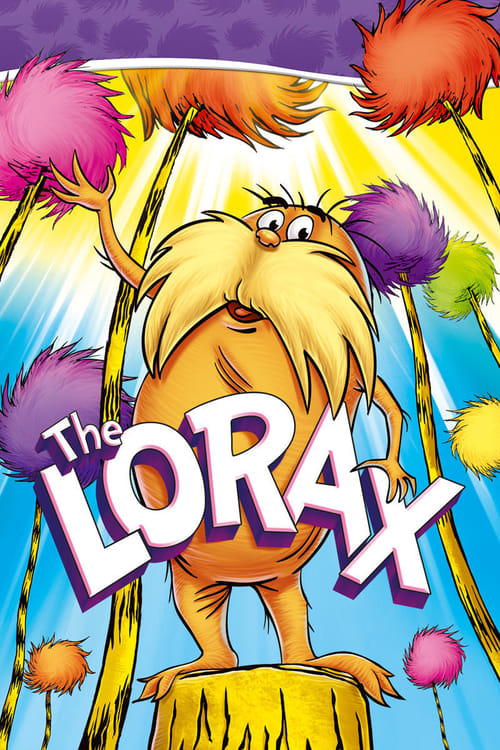
The Lorax1972
Dr. Seuss's animated parable about greed and environmental destruction. Deceptively dark for kids' animation, genuinely weird, and absolutely sincere about its message.
But Dated animation and the rhyming scheme can feel grating. Also, it's essentially a lecture too, just with more whimsy.
Not sure tonight? Get a pick in a minute, starting from The Story of Stuff
The wildcard
Something you would not have found on your own.
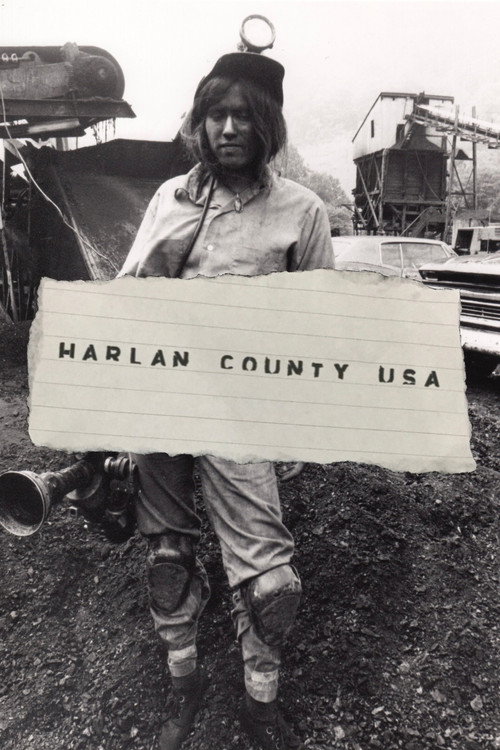
Harlan County U.S.A.1976
Both trace who pays the hidden cost of systems we take for granted. Story of Stuff names the global machine; Harlan County shows the ground-level human price tag.
Barbara Kopple's documentary about coal miners fighting for union recognition. Shows extraction economics and human dignity in collision—material conditions made visible through faces and voices.
But Slow documentary grammar; long takes of meetings and marches. No answers, just struggle.
More like this (6)
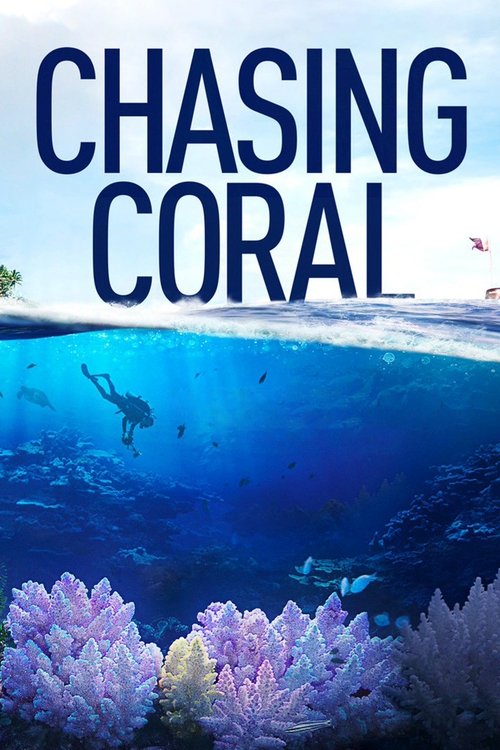
Chasing Coral2017
A documentary that makes the abstract crisis of climate change visceral by following the coral bleaching happening right now. Cinematically gorgeous and genuinely urgent.
But Bleak without redemption. The film acknowledges the problem is already here, which some find paralyzing rather than motivating.
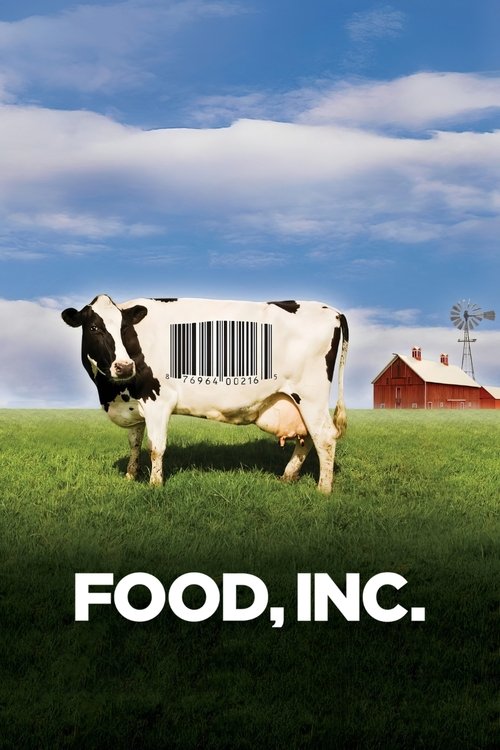
Food, Inc.2008
Robert Kenner's investigation of industrial food production pulls back the curtain on what we eat. Shocking, infuriating, and fundamentally changes your relationship with grocery stores.
But Focuses so heavily on American food systems that global context gets thin. Also repetitive in places.
Black Mirror2011
Anthology series that explores technology and consumer culture's psychological traps through sci-fi scenarios. Sharp, funny, and makes abstraction concrete through narrative.
But Tonal whiplash between episodes. Also, dystopian cynicism can feel fashionable rather than earned.
The Century of the Self2002
Curtis charts how Freudian psychology was weaponized to engineer consumer desire. Dense but revelatory; explains how we got here more clearly than any polemic.
But Four hours long and heavy on archival talking heads. Patience required; Curtis rewards it, but not everyone will sit still for it.
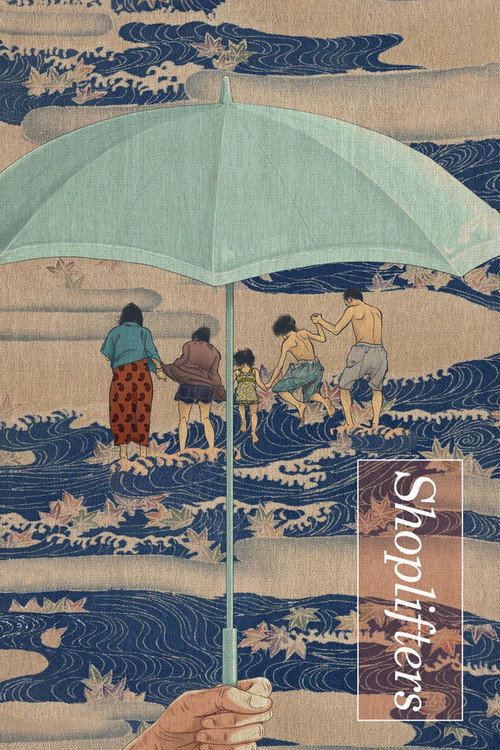
Shoplifters2018
Where Story of Stuff shows systems, Shoplifters shows how people live inside broken ones—humor and love persisting despite scarcity and surveillance.
Hirokazu Koreeda's film about a family surviving through petty theft in Tokyo. Tenderly shows how poverty and consumption intersect, and what 'family' means outside commodity relations.
But Gentle, almost folksy tone; no one is punished. You may find it morally complicated in uncomfortable ways.
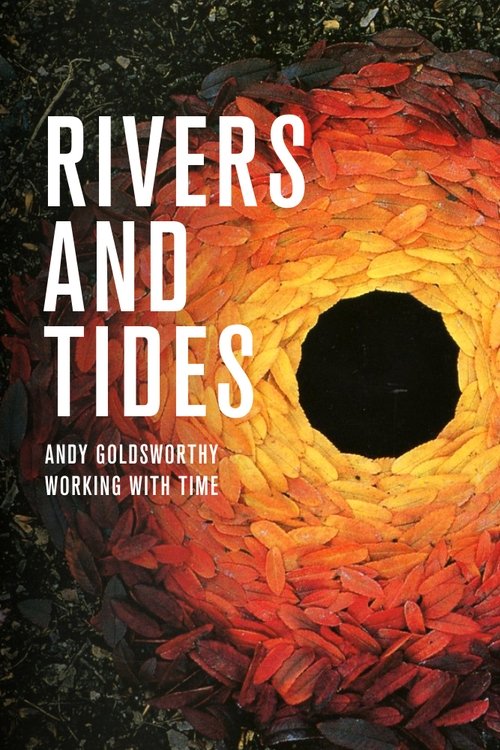
Rivers and Tides2001
The inverse of consumption: art that cannot be sold, owned, or kept. A radical answer to 'what else is possible?' that Story of Stuff implies.
Thomas Riedelsheimer films Goldsworthy making ephemeral art from natural materials. About beauty, impermanence, process, and art that rejects permanence and ownership.
But Meditative to the point of inertia. No narrative momentum, just hours of one artist and the weather.
People
Cast
 Annie LeonardHerself
Directing
- Louis FoxDirector
Writing
- Annie LeonardWriter
- Jonah SachsWriter
- Louis FoxWriter
Production
- Erica PriggenProducer
- Brian DettorProduction Assistant
Recommended by
The Light Bulb Conspiracy, Trashed, The True Cost, Minimalism: A Documentary About the Important Things, Rams, Plastic Fantastic, Schooling the World: The White Man's Last Burden