
Film
Food, Inc.
Food, Inc. pulls back the curtain on America's industrial food system, showing how a handful of corporations control what's grown, processed, and sold in supermarkets. Calm interviews with farmers, executives, and experts sit alongside unflinching footage from inside factory farms and processing plants. It's a patient, methodical indictment rather than a shock tactic — essential viewing for anyone who's wondered why groceries look and cost the way they do.
If you liked this
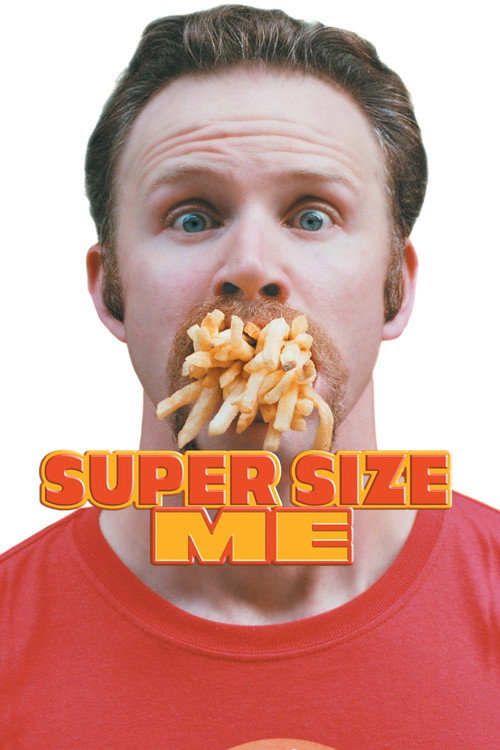
Super Size Me2004
Morgan Spurlock eats nothing but McDonald's for a month and turns the abstract politics of fast food into a personal, physical crisis. Funny, gross, and genuinely alarming in equal measure.
But The stunt format feels dated now, and some of Spurlock's methodology has since been publicly disputed.
King Corn2007no page yet
Two friends grow an acre of corn and trace where it actually ends up — soda, feedlots, everything — making subsidy farming feel personal instead of abstract policy.
But Gentler and slower than Food, Inc.; more quiet unease than gut-punch.
Cowspiracy: The Sustainability Secret2014no page yet
Takes the environmental thread in Food, Inc. and pulls until it becomes the whole film, arguing animal agriculture is the industry nobody wants to name.
But Some of its central statistics have been challenged by scientists, so its claims deserve skepticism.
The wildcard
Something you would not have found on your own.
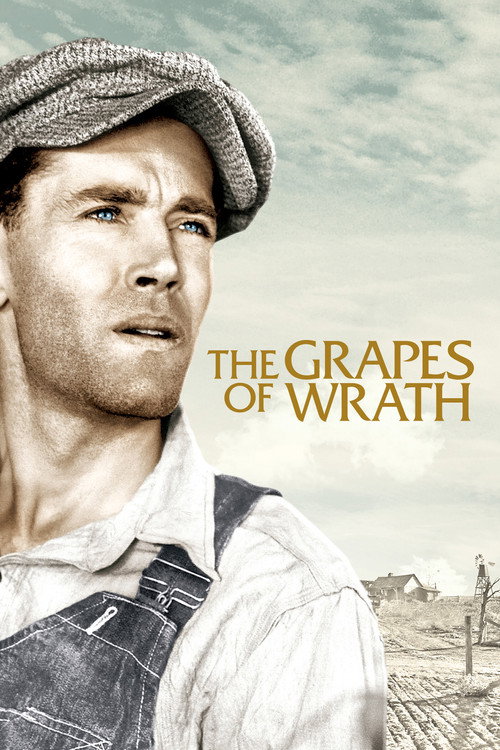
The Grapes of Wrath1940
Food, Inc.'s grief over vanishing family farms and corporate land-grabbing is the exact wound this film opened in 1940 — same economic logic, an earlier generation of casualties.
John Ford's Depression-era classic follows a family driven off their land by banks and consolidating agribusiness — the same swallowing of small farms Food, Inc. mourns, told eight decades earlier in black and white.
But It's a slow, stagey studio drama from another century; expect speeches and silences, not statistics.
More like this (8)
The Corporation2003
Zooms out from food entirely to ask why corporations behave this way at all, diagnosing the profit-above-everything logic Food, Inc. shows in action on the farm.
But Nearly three hours and broader in scope, so it's less immediately visceral than a food-specific film.
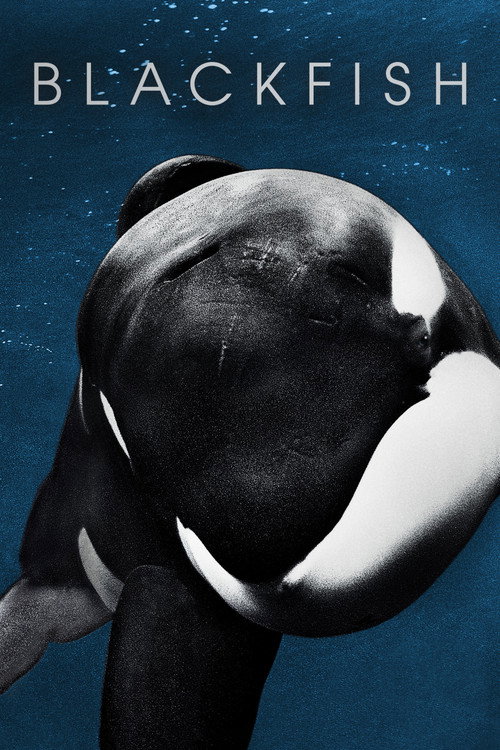
Blackfish2013
Same anatomy of exposure — captive animals, corporate denial, brave whistleblowers — just swapped from chicken houses to SeaWorld's orca tanks. Quietly devastating.
But If you've had enough animal-industry horror stories for one lifetime, this offers no relief.
Fast Food Nation2006no page yet
Eric Schlosser's own book, adapted as a fictional ensemble drama following the same meatpacking-and-marketing machine Food, Inc. documents, just dramatized instead of filmed raw.
But The fictional frame softens some of the punch that unstaged documentary footage carries.
Forks Over Knives2011no page yet
Shifts focus from the industry to the plate, arguing the food system's damage isn't just ethical but bodily — an echo of Food, Inc.'s health scenes, pushed further.
But Leans hard into dietary advocacy and can feel like an infomercial at times.
The True Cost2015no page yet
The same exposé structure — cheap goods, hidden costs, corporate opacity — applied to fast fashion instead of fast food. If Food, Inc. made you angry, this will too.
But Different industry and geography, so it lacks the specific American farm-country grounding.
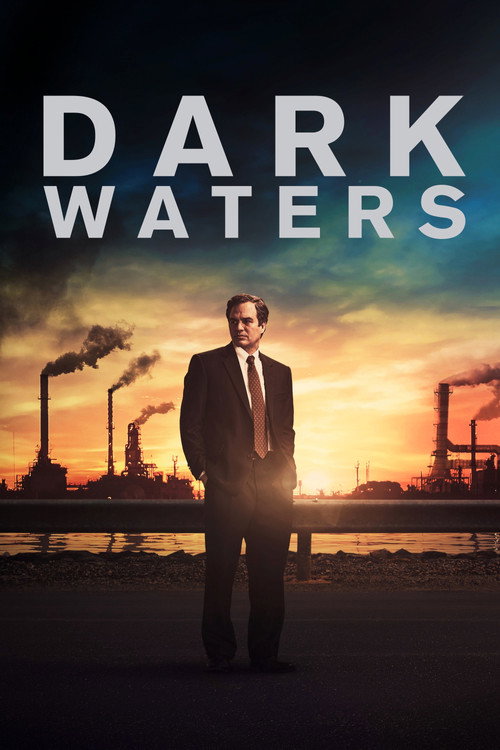
Dark Waters2019
A lawyer-versus-chemical-giant drama that channels the same slow-burn corporate-rot dread Food, Inc. builds its case on, just told through courtroom procedure instead of raw footage.
But More procedural and talky than a documentary; the outrage builds slower.
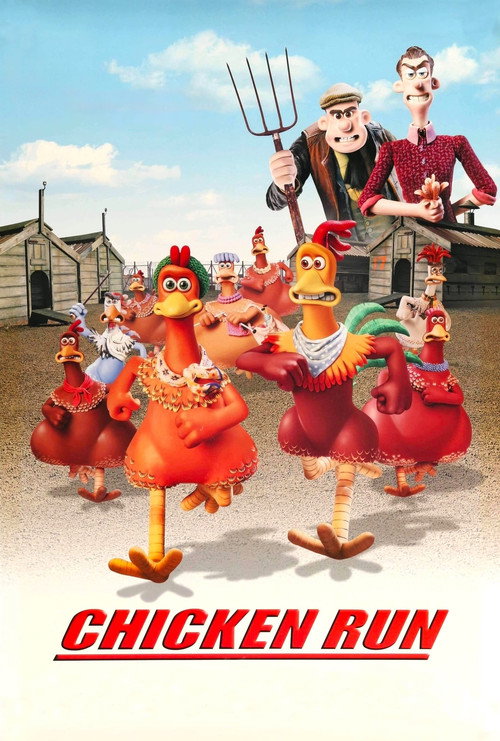
Chicken Run2000
Food, Inc.'s most upsetting footage is shot inside chicken houses — this is the same factory-farm anxiety, deliberately defanged into slapstick instead of horror.
A stop-motion comedy about chickens plotting a jailbreak from a farm that turns birds into pies — industrial poultry farming reimagined as a prison-escape caper, jokes fully intact.
But It's a kids' film at heart; there's no data here, just claymation and heist plotting.
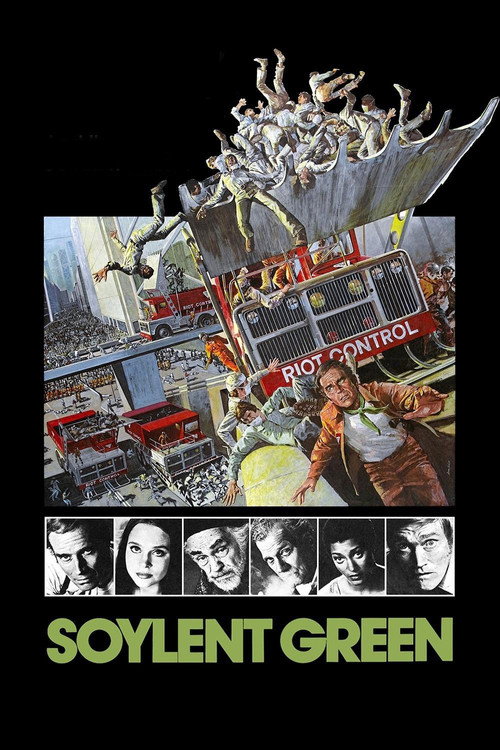
Soylent Green1973
Food, Inc.'s unease about a handful of opaque corporations controlling the entire food supply gets pushed to its most extreme fictional conclusion here — same fear, turned all the way up.
A paranoid sci-fi thriller set in an overpopulated future where the food supply is secretly manufactured by a single monopoly corporation. Pulpy, grim, and eerily on-target.
But Very much a product of 1970s sci-fi — broad acting, dated effects, and a twist most people already know.
People
Cast
 Michael PollanHimself
- Eric SchlosserHimself
- Richard LobbHimself - National Chicken Council
- Vince EdwardsHimself - Tyson Grower
- Carole MorisonHerself - Perdue Grower
Directing
- Robert KennerDirector
Writing
- Elise PearlsteinWriter
- Kim RobertsWriter
- Robert KennerWriter
Production
- Jay RedmondAssociate Producer
- Sascha GoldhorAssociate Producer
- Eric SchlosserCo-Producer
- Melissa RobledoCo-Producer
- Richard PearceCo-Producer
- Bill PohladExecutive Producer
- Diane WeyermannExecutive Producer
- Jeff SkollExecutive Producer
- Robin SchorrExecutive Producer
- Elise PearlsteinProducer
- Robert KennerProducer
Recommended by
Ugly Delicious, The Corporation, The Devil We Know, The Cove, Super Size Me, American Factory, The Dust Bowl, Guy's Grocery Games