
Film
Poverty, Inc.
Poverty, Inc. challenges the good intentions behind foreign aid and charity, arguing that well-meaning interventions often entrench the systems they aim to fix. It's a direct, argumentative documentary that follows the money through NGOs, disaster relief, and corporate charity, asking uncomfortable questions about who really benefits. For anyone unsettled by the gap between intention and outcome.
Should you watch it?
Watch it if you already suspect good intentions in foreign aid can backfire and want an argument that takes the charity sector apart on its own terms, with a sharp, polemical edge.
Skip it if you want a balanced survey of development work, since this is a one-sided polemic carried largely by two talking-head experts and rarely tests its claims against opposing views.
What it asks of you: Ninety-four minutes of steady, argumentative lecture rather than drama, asking you to follow a chain of cause and effect and keep your own assumptions in view.
Not sure? Find tonight's pick in a minute.
If you liked this
The True Cost2015
Exposes how cheap fashion relies on exploitation in developing countries, tracing the human cost of the supply chains we ignore. Pairs perfectly with Poverty, Inc.'s critique of how aid perpetuates dependency.
But The editing can feel heavy-handed, and the film sometimes prioritizes emotional impact over nuance. It also doesn't offer much in the way of solutions.

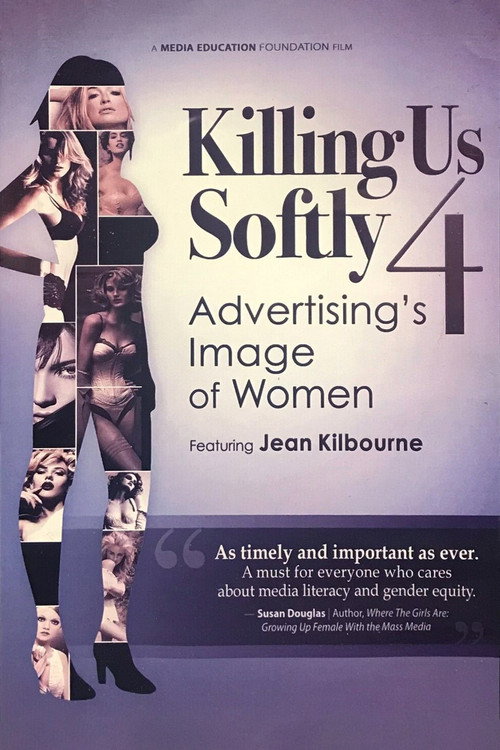
Killing Us Softly 4: Advertising's Image Of Women2010
Jean Kilbourne dismantles advertising's role in shaping desires and self-image, revealing systems that profit from manufactured need. Same DNA as Poverty, Inc.—following the money behind the curtain.
But Feels dated in places (it's from 2010), and the critique of advertising is fairly well-trodden ground by now. Some viewers find it preachy.
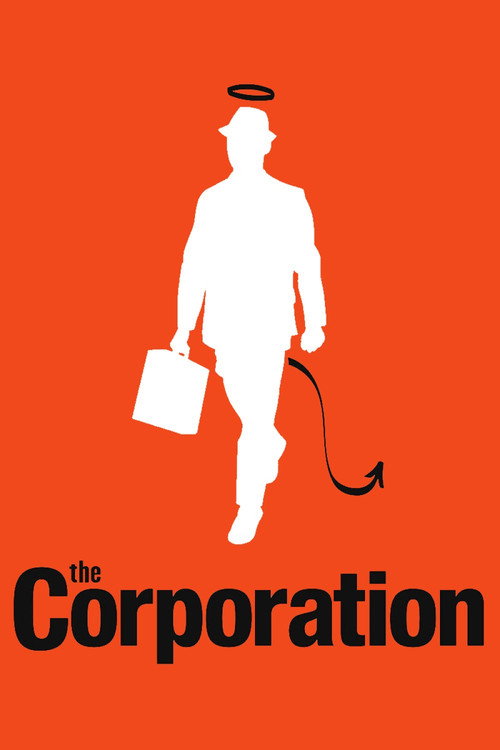
The Corporation2003
A forensic examination of how corporations are legally people while evading accountability for harm. Broader in scope than Poverty, Inc. but animated by the same outrage at institutional structures that prioritize profit over people.
But Nearly three hours long and sometimes meandering. The corporate psychopath metaphor can feel reductive, and the film's age shows in production values.
Not sure tonight? Get a pick in a minute, starting from Poverty, Inc.
The wildcard
Something you would not have found on your own.
Moonlight2016
Where Poverty, Inc. analyzes systems abstractly, Moonlight embodies what those systems do to actual people. Both ask how much of a life is choice and how much is architecture.
A profound meditation on how systemic forces—poverty, racism, incarceration, addiction—shape individual lives and choices. No speeches, no talking heads. Just the weight of structure pressing on flesh. Achingly beautiful.
But Quiet, poetic, slow. If you want facts and argument you'll be frustrated. The film trusts you to understand what it's showing rather than explaining it.

More like this (6)
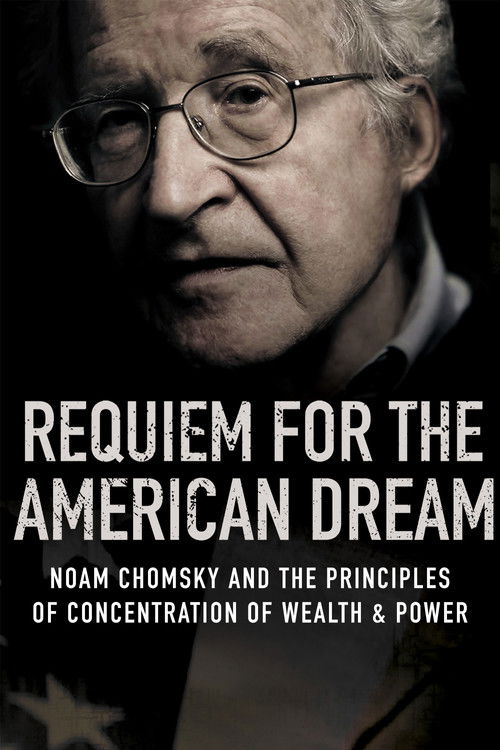
Requiem for the American Dream2015
Noam Chomsky on how concentrated wealth and power shape society. Direct, urgent, and philosophically rigorous. If Poverty, Inc. makes you angry, this explains the larger machinery.
But Chomsky's voice and manner aren't for everyone—dense, relentless, no concessions to the impatient viewer. The animation is functional at best.
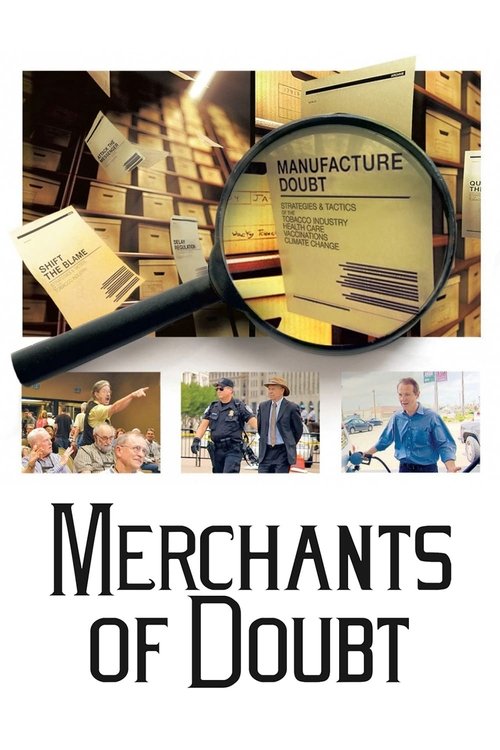
Merchants of Doubt2014
Tracks how corporations fund doubt and disinformation to protect profits. The same pattern as aid programs: manufactured confusion serves entrenched interests. Sharp, darkly funny, and surprisingly cinematic.
But Focuses on climate and tobacco denial specifically, so if you're expecting broader economic critique you'll be disappointed. The pacing can drag.
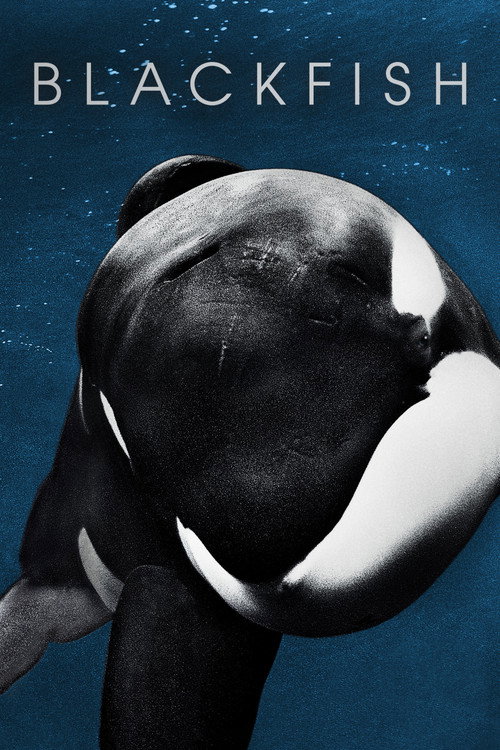
Blackfish2013
Investigates SeaWorld's treatment of orcas and its corporate PR machine. A masterclass in how institutions hide cruelty behind education and conservation messaging. The system-level thinking parallels Poverty, Inc. perfectly.
But Heavy emotional manipulation—footage of distressed animals is hard to watch. Some critics argue it oversimplifies the science and oversells the documentary's own narrative.
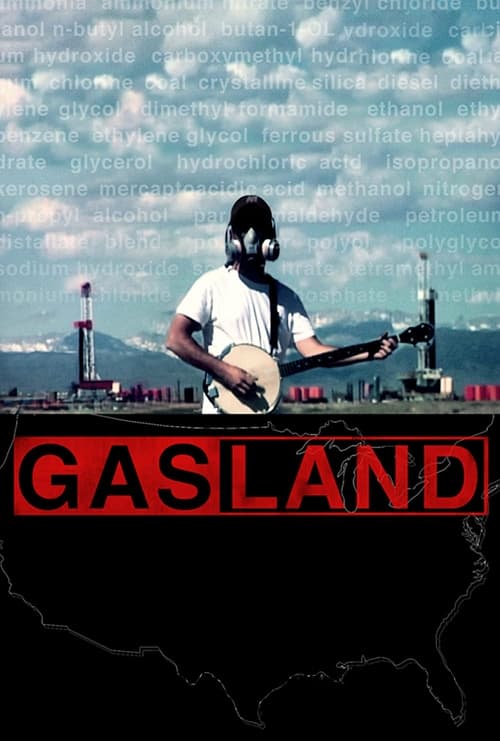
Gasland2010
Josh Fox documents the environmental devastation of hydraulic fracturing and the political machinery that enables it. Connects corporate profit to systemic harm in ways that echo Poverty, Inc.'s methodology.
But The science gets muddied at times, and the famous flaming tap water scene has been disputed. Some viewers find Fox's personal style more activist than journalistic.
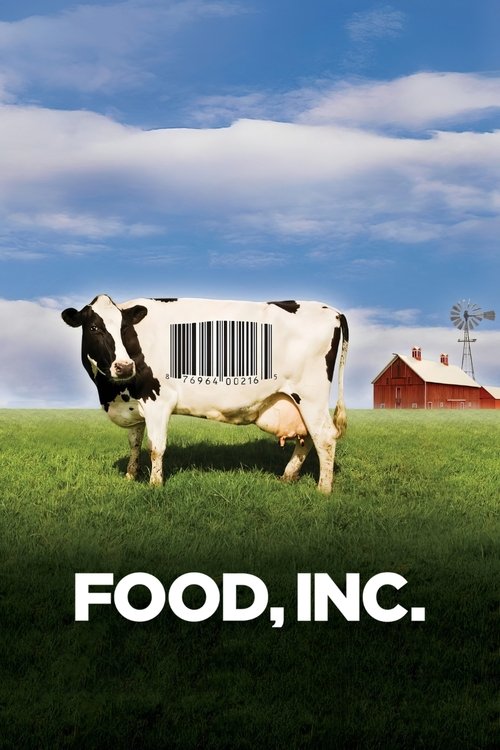
Food, Inc.2008
Robert Kenner reveals how industrial agriculture subsidies concentrate wealth while impoverishing farmers and consumers. Specific enough to grip you, systemic enough to make you understand the whole apparatus.
But Some of the science is contested, and it leans on the emotional appeal of small farmers. The film can feel moralistic rather than truly analytical in places.
Up2009
Both use the language of help and progress to ask who actually benefits from change. Up shows it emotionally; Poverty, Inc. shows it economically. Different registers, same question.
A mainstream animated film about the dignity of staying put, resisting displacement, and refusing the future someone else has planned for you. The opening montage is about a life, but watch it as a meditation on development, modernization, and loss.
But It's a family film, and treating it as political allegory might feel like you're imposing meaning on something designed for children. The second half pivots tone sharply.

People
Cast
 Michael ParentiSelf
 Richard D. WolffSelf
Directing
- Michael Matheson MillerDirector
Writing
- Michael Matheson MillerWriter
- Simon ScionkaWriter
Production
- James F. Fitzgerald, Jr.Producer
- Michael Matheson MillerProducer