
Television series
Skint
- Very dark
Skint follows real residents of an English housing estate caught in cycles of poverty, addiction and unemployment. Shot with unflinching documentary directness, it's neither voyeuristic nor sentimental—just honest. For anyone who wants to understand contemporary Britain beyond politics, or who values human stories over judgment.
If you liked this
Benefits Street2014
Another Channel 4 documentary that traces lives on a Birmingham estate with similar unflinching honesty. Follows real people navigating welfare, family, and survival with genuine dignity and complexity.
But The subject matter can feel heavy and relentless. Some viewers found it exploitative despite its good intentions.
Poverty, Inc.2015
Documentary that interrogates how we think about poverty and charity, with global scope. Complements Skint's British specificity with broader structural critique of how poverty persists.
But More essay than narrative. The argument can feel abstract compared to individual human stories. Runs 84 minutes.
The Killing Season2016
British crime documentary tracing a real serial killer hunt. Same era, same unflinching approach to difficult British realities. Deeply researched and haunting.
But Violence and victim trauma are central. Considerably darker in tone than Skint's observational mode.

Not sure tonight? Get a pick in a minute, starting from Skint
The wildcard
Something you would not have found on your own.
Meantime1983
Both document the texture of estate life and long-term unemployment without condescension, but Skint treats it as truth and Meantime treats it as lived experience filtered through performance. Same subject, opposite forms.
Mike Leigh's early black-and-white film about unemployment and deadened hope on a London housing estate. Same subject as Skint, but fictional, shot on film, and tonally something between grimly funny and devastating. Leigh's improvisational method finds dignity and absurdity simultaneously.
But 40 years old and in black-and-white. Deliberately artificial in places; theatrical rather than documentary. Bleak enough to exhaust some viewers.
More like this (5)
The Family2019
Observational documentary following a working-class Essex family through a year. British, intimate, genuinely funny and sad in alternation. Shares Skint's warm humanism.
But Gentler tone overall—less focused on addiction and systemic breakdown. Some want darker documentary.
Senna2010
Documentary about racing driver Ayrton Senna told entirely through archive and testimony. Masterclass in how to build dramatic narrative from real material. Utterly absorbing.
But No connection to Skint's subject matter. The tonal and thematic shift is total; some find that jarring.

The Imposter2012
Extraordinary documentary about an American family deceived by a French impostor. Real, strange, deeply strange. Shows how compelling a story can be when you never quite know what's true.
But Less about systemic issues, more about psychological puzzle. The subject is genuinely unsettling in ways Skint avoids.

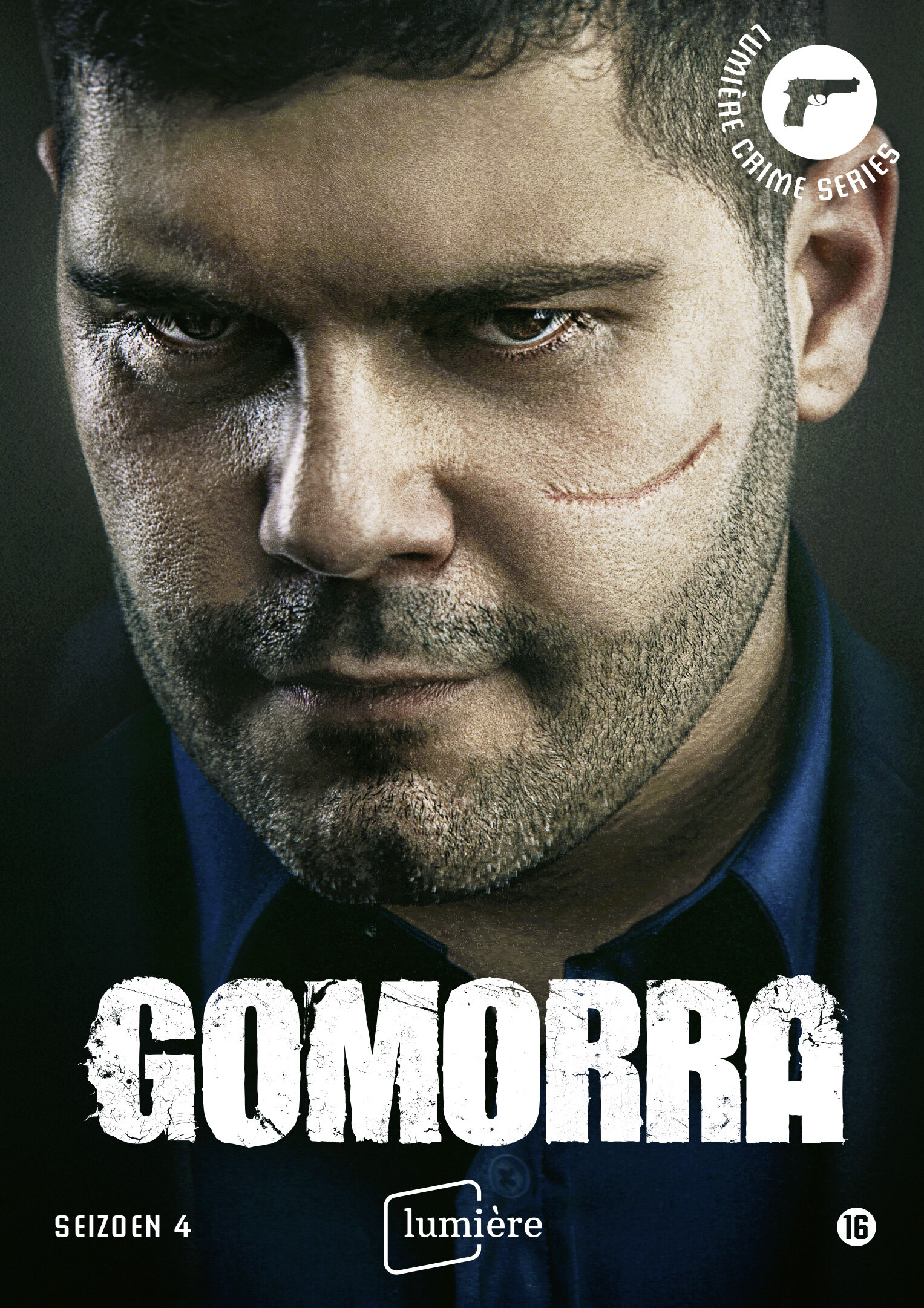
Gomorra: La Serie2014
Both expose how poverty isn't individual failure but structural entrapment. Gomorrah shows it through crime; Skint shows it through welfare and addiction. Same bones, different geography and form.
Italian series dramatizing organized crime and everyday life in Naples. Not a documentary, but achieves similar gritty immersion in systems of poverty, corruption and survival. Treats its characters as fully human despite their circumstances.
But Violence is frequent and consequential. Italian with subtitles. The world is more explicitly criminal than Skint depicts—harder to watch, darker in intent.
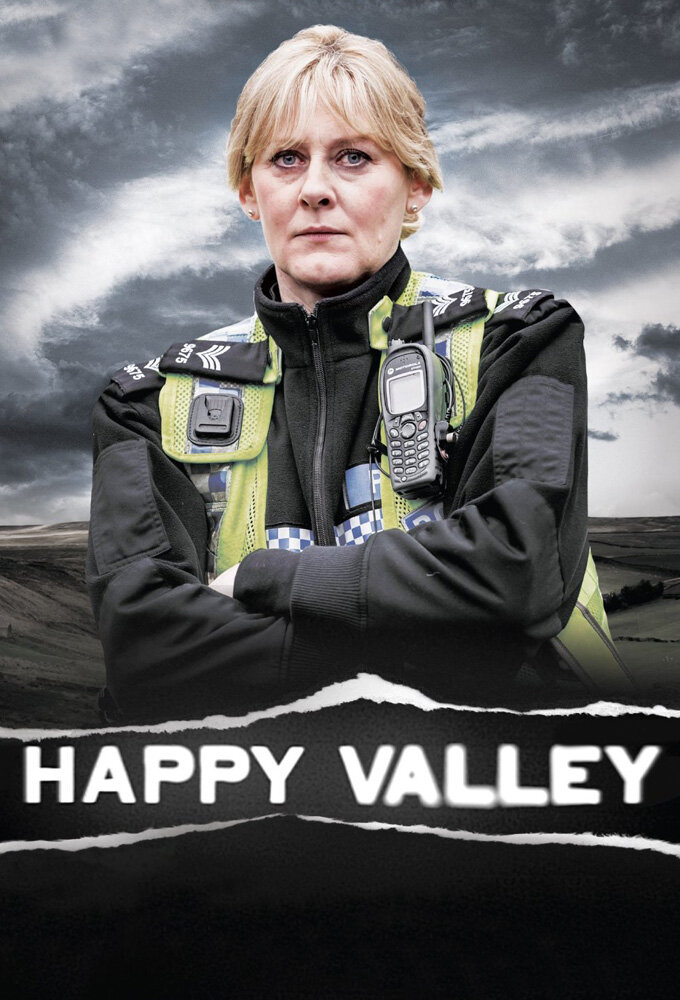
Happy Valley2014
Both understand British working-class life as complex, not reducible to statistics. Happy Valley builds drama from that reality; Skint documents it directly. Same respect for people's inner lives regardless of circumstance.
British crime drama set in rural Yorkshire, written by Sally Wainwright. Focuses on working-class communities with the same unsentimental eye as Skint. Every character—victim, perpetrator, bystander—has real weight and specificity.
But Dramatized, not documentary. The crime plot drives it more than observation. Some find the Yorkshire dialect thick going.
People
Cast
 Ralph InesonNarrator