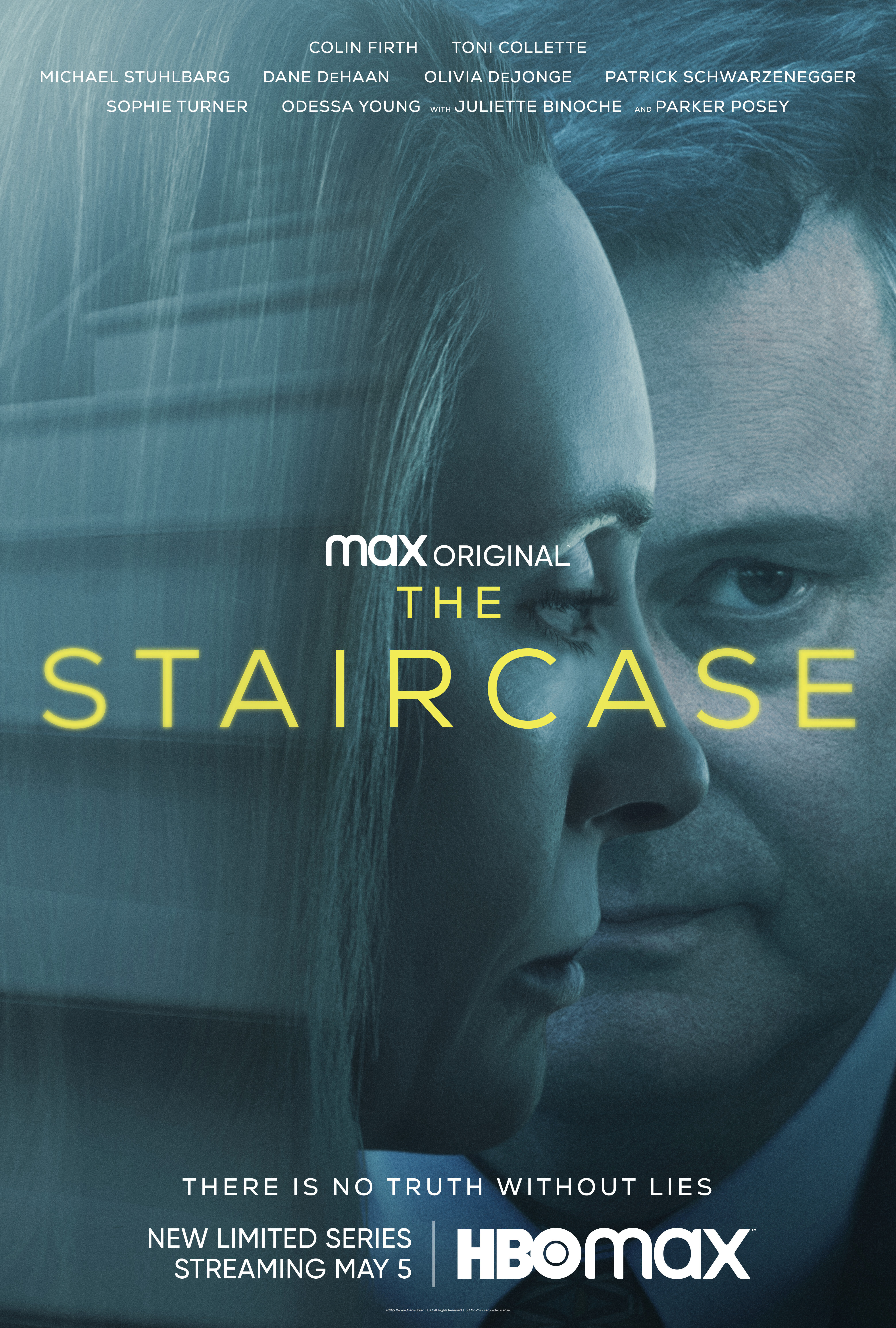
Television series
The Killing Season
- Cold-case mystery
- Serial killer
- Very dark
A gripping documentary series following journalists investigating the Gilgo Beach serial killings on Long Island. Directors Joshua Zeman and Rachel Mills wade into an unsolved case, consulting cyber-sleuths and families of victims to hunt for patterns and connections. It's meticulous, unnerving work—the kind of true crime that respects the dead while pursuing uncomfortable questions.
If you liked this
Making a Murderer2015
Phenomenal documentary series about a Wisconsin murder conviction that unravels as you watch. Like Killing Season, it privileges the investigators' findings and lets contradictions speak for themselves, building real doubt.
But Two seasons is a lot of time to invest, and some viewers found the editing manipulative—fair complaint worth considering before diving in.
Unbelievable2019
A Netflix limited series about detectives pursuing a serial rapist across state lines. It's harder to watch than Killing Season—more graphic—but shares that determined, methodical investigation style and deep empathy for victims.
But Heavy subject matter throughout. This is not entertainment; it's a recounting of real trauma that some find exhausting rather than compelling.
I'll Be Gone in the Dark2020
HBO's six-part series about a true-crime writer obsessively hunting the Golden State Killer. Combines the meticulous investigation you love with a portrait of obsession itself. Beautifully made and genuinely suspenseful.
But The obsessive angle means it's as much about the writer as the crime. If you want pure investigation without the meta layer, this won't satisfy.
Not sure tonight? Get a pick in a minute, starting from The Killing Season
The wildcard
Something you would not have found on your own.
Memories of Murder2003
Both are about how unsolved cases corrode institutions and people. Killing Season shows the real investigation; Memories of Murder shows what it does to you.
Bong Joon-ho's masterpiece about Korean detectives hunting a serial killer in the 1980s. It's cinema, not journalism—but it captures the same claustrophobic frustration of an unsolved case, the way obsession warps everyone it touches. Methodical, devastating, unforgettable.
But It's a Korean film with subtitles, shot in 2003. The emotional register is bleaker and less tidy than American true crime; some find the pacing too slow, the ending too grim.

More like this (7)
The Jinx: The Life and Deaths of Robert Durst2015
Andrew Jarecki's HBO miniseries follows the investigation into real estate heir Robert Durst across decades. Astonishing access, real dramatic tension, and an ending that genuinely shocks. Masterclass in true-crime storytelling.
But Durst himself is often on screen, and some find his presence—his manipulation, his oddness—unbearable. It requires patience with a deeply unpleasant person.
Zodiac2007
Fincher's film about obsessive detectives chasing the Zodiac Killer has the same patient, forensic approach as Killing Season. It respects the viewer's intelligence and the gravity of the subject. A procedural with real stakes.
But It's 157 minutes with no neat resolution—methodical to the point where some find it glacial. The Zodiac is never caught, and the film doesn't pretend otherwise.
MINDHUNTER2017
Fincher's series about the FBI's early profiling unit. It's a procedural that loves investigation itself—interviews, patterns, the slow art of understanding killers. Intellectually rigorous and compulsively watchable.
But Ends on a cliffhanger that was never resolved; the show was cancelled mid-story. Also, sometimes the psychology jargon outpaces the human drama.
In Cold Blood1967
Richard Brooks' adaptation of Truman Capote's classic. Pioneering true-crime narrative that influenced everything after—methodical, compassionate, and genuinely haunting. A foundation stone.
But Made in 1967, so the pacing and style feel remote. Some find it dated, though that's partly what makes it matter—you're seeing how this genre was born.
Catch Me If You Can2002
Spielberg's film about con artist Frank Abagnale Jr. and the FBI agent hunting him. Less about crime solving and more about the cat-and-mouse psychology, but it shares Killing Season's fascination with how obsession drives investigation.
But It's more thriller than procedural. If you want the nuts and bolts of investigation, this is slicker and more Hollywood than you're looking for.
The Confession Tapes2017
Six episodes examining confessions to crimes that may not have happened—the psychology of interrogation, the reliability of admission. Complements Killing Season by questioning how we know what we know in criminal cases.
But Some episodes feel thinner than others. And the series takes a clear stance that conviction-based on confession is suspect, which not everyone agrees with.
The Staircase2022
Both grapple with the slipperiness of truth and the danger of committing to one version of events. Both filmmakers are part of the investigation, not outside it.
HBO's eight-part docuseries about the Michael Peterson trial and the documentary filmmaker embedded inside it. It goes beyond investigation into how narrative itself gets constructed—how a story can seem bulletproof until it isn't. Mesmerizing and disorienting.
But It's almost too self-aware about its own storytelling, which some find exhausting. Also, it's very long, and the case itself is less viscerally shocking than Gilgo Beach—more intellectual puzzle than raw crime.