
Film
Waging A Living
Waging a Living follows four low-wage workers across three years, documenting their daily grind to keep families afloat on poverty wages. It's intimate, unhurried, and quietly furious—a portrait of systemic failure told through real people's schedules, setbacks, and small victories. Essential viewing for anyone who's ever wondered why work doesn't always equal survival.
Should you watch it?
Watch it if you want a patient, observational look at economic hardship that lets four workers' daily arithmetic, small wins and setbacks speak for the bigger picture without a narrator pushing a verdict.
Skip it if you came for a rousing or hopeful story; this one stays close to paycheck-to-paycheck strain, and its mood rarely lifts for long.
What it asks of you: Eighty-five minutes of quiet attention, following real people through ordinary logistics like rent, childcare and commutes, with the sobering weight building rather than arriving in one big moment.
Not sure? Find tonight's pick in a minute.
If you liked this
Poverty, Inc.2015
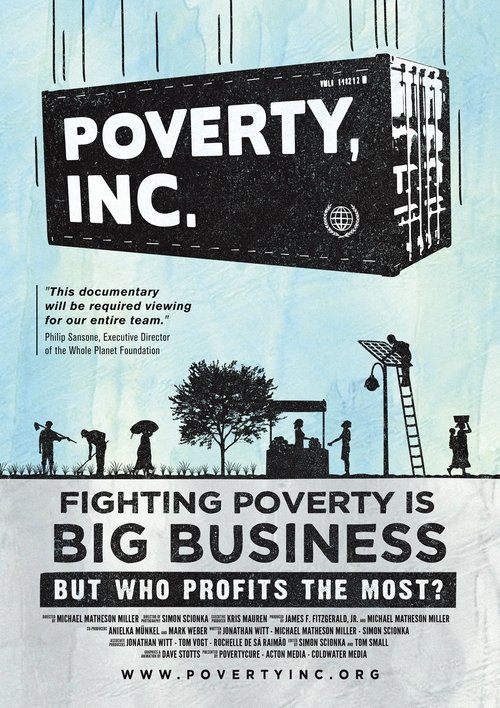
Questions the entire framework of poverty 'solutions' with interviews and on-the-ground reporting. Complements Waging a Living by investigating why the cycle exists at all.
But Some viewers find its libertarian critique oversimplified. The film's economic arguments may frustrate those looking for policy solutions rather than systemic critique.
American Factory2019
Documents a Chinese factory's takeover of an Ohio plant, revealing wage stagnation and the false promise of new jobs. Urgent and relevant without being preachy.
But The finale's resolution feels incomplete or deflating to some viewers. You may want clearer answers about where workers ended up.

Nomadland2021
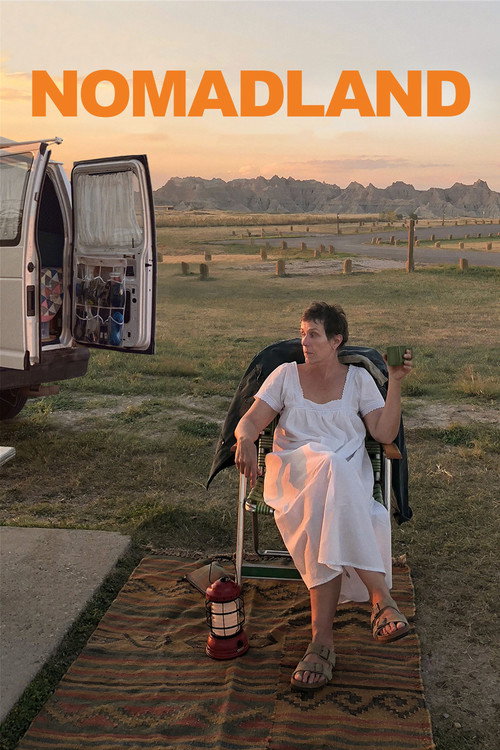
Chloé Zhao follows real people living in vans after the 2008 collapse, doing gig work to survive. Haunting, poetic, utterly honest about precarity.
But Sparse narrative and elliptical structure won't satisfy viewers wanting traditional story arcs. The film trusts silence more than exposition.
Not sure tonight? Get a pick in a minute, starting from Waging A Living
The wildcard
Something you would not have found on your own.
Salt of the Earth1954
Both center working people's own voices rather than experts explaining them. Both refuse to sentimentalize poverty—they simply bear witness to work and resistance.
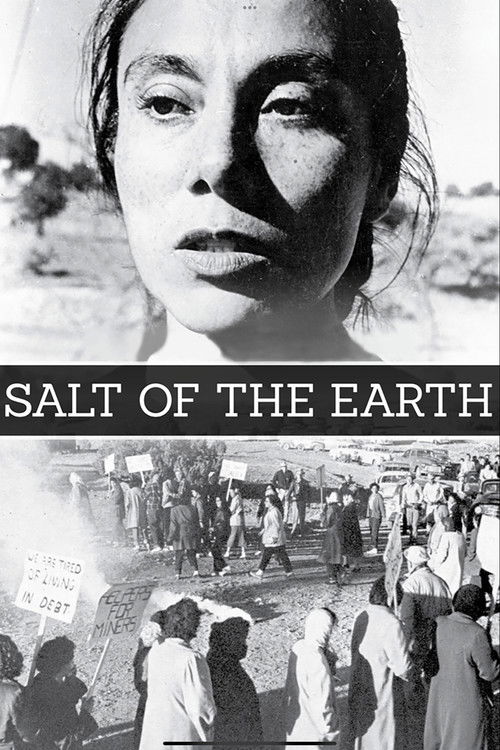
A 1954 narrative drama about a Mexican-American strike shot entirely with non-professional actors, many the actual workers involved. Feels like lived testimony—the forerunner to observational documentary's moral ambition.
But The acting is untrained and sometimes stilted by conventional standards. Dialogue can feel didactic. The film's age means some technical qualities require patience.
More like this (4)
13th2016
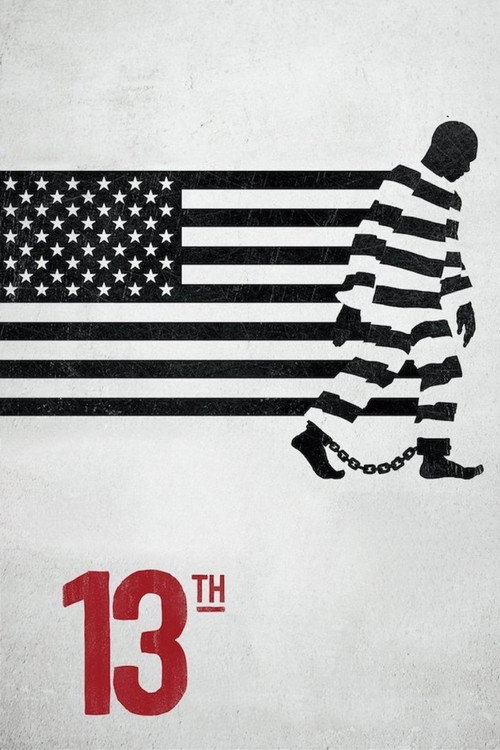
Ava DuVernay connects mass incarceration, racial injustice, and labor exploitation. A broader frame than Waging a Living but with the same moral clarity.
But Dense with statistics and historical footage. Some find it educationally overwhelming rather than emotionally moving.
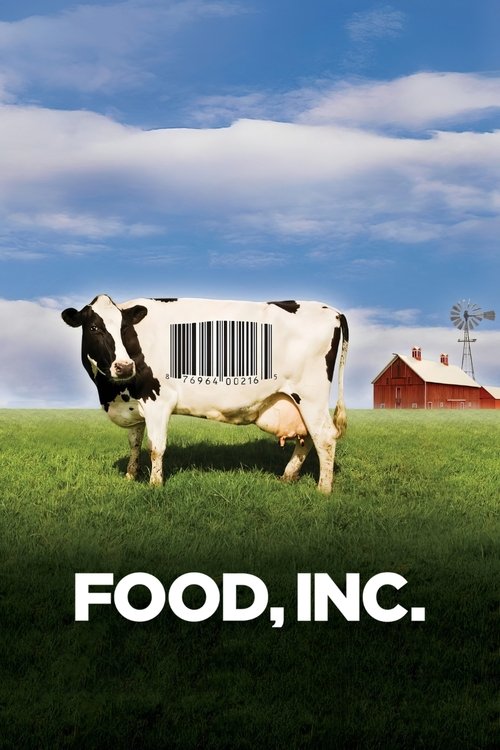
Food, Inc.2008
Reveals the cost of cheap food through workers' stories and industrial footage. Angry without being didactic, like a cousin of Waging a Living.
But Switches between investigative and activist tones. Some sequences feel more advocacy-focused than documentary-centered.
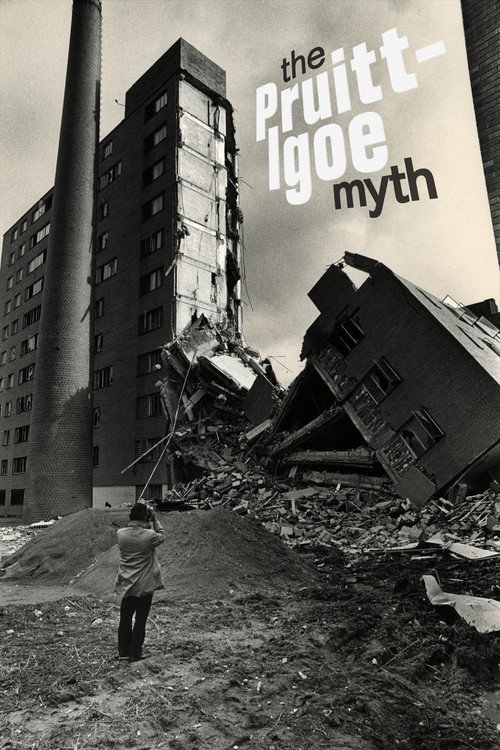
The Pruitt-Igoe Myth2012
Uses archival footage and interviews to examine failed public housing and the people trapped in its collapse. Historical but speaks directly to present poverty.
But Largely about physical infrastructure rather than individual stories. Less intimate than Waging a Living; more systems-focused.
Made in L.A.2007
Same timeframe (early 2000s), similar geography (California), same workers trying to escape low-wage traps. But where Waging a Living documents struggle, Made in L.A. documents resistance—seeing what happens when workers organize.
Follows Latina garment workers in Los Angeles organizing for labor rights across three years. A hybrid of documentary and activist cinema that shows collective action rather than individual survival.
But More overtly political and outcomes-focused than Waging a Living. If you prefer pure observation without intervention, the organizing emphasis may feel like advocacy rather than journalism.
People
Directing
- Roger WeisbergDirector