
Film
Salt of the Earth
Salt of the Earth is a 1954 fiction film made by blacklisted filmmakers, using real striking Mexican-American miners and their families as actors instead of professionals. It dramatizes a New Mexico zinc mine strike, then quietly pivots into something more radical: a story about the wives who take the picket line when the men are legally barred from it. Plain, unpolished, and utterly sincere.
If you liked this
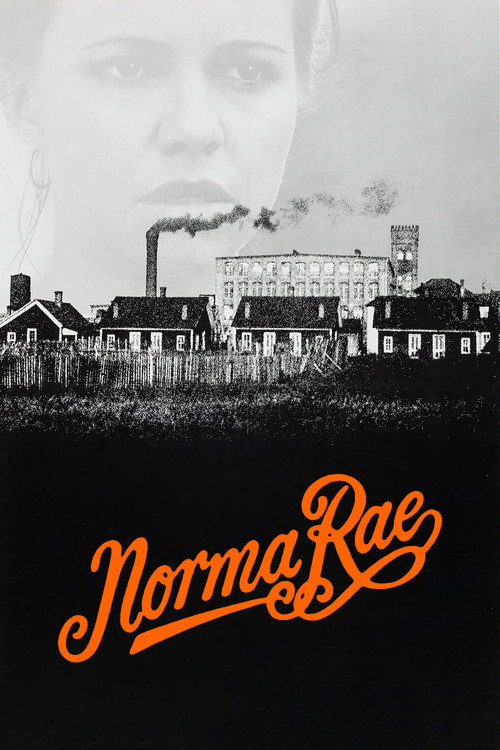
Norma Rae1979
Sally Field's textile-mill union organizer is the spiritual heir to Esperanza — a woman radicalized by her own workplace, discovering that dignity and solidarity are worth the risk. Hollywood polish, same fight, still lands hard.
But The politics are softened for mainstream appeal, and the romance subplot dilutes some of the urgency.
Made in Dagenham2010
British factory women strike for equal pay in 1968, discovering their own voices along the way — funny, warm, and furious, with the same shift from domestic silence to public defiance that powers Salt of the Earth.
But It leans crowd-pleaser where Salt of the Earth stays raw; the triumph arrives a little too neatly.

North Country2005
Charlize Theron plays a miner facing harassment in an industry built to exclude her — a direct descendant of the mine-town setting, with the same fury about who gets to work safely.
But It's heavier on courtroom drama than picket-line solidarity, and the message can feel underlined rather than shown.

The wildcard
Something you would not have found on your own.
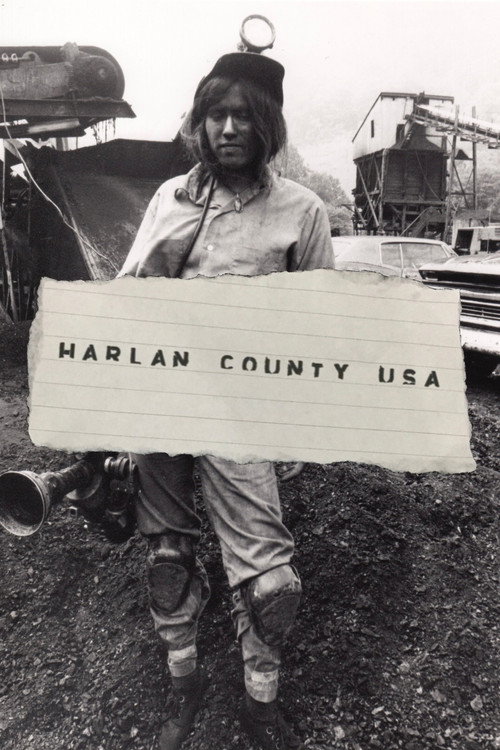
Harlan County U.S.A.1976
It's the nonfiction twin of Salt of the Earth's key image — women stepping onto the line the men can't hold — proof the story wasn't an invention but a pattern that kept repeating.
A documentary about Kentucky coal miners' wives who take over the picket line when the men are threatened — the real-life mirror of Salt of the Earth's central reversal, filmed as it actually happened, gunfire and all.
But No dramatization to soften it; the danger is real, and the film doesn't build toward a tidy resolution.
More like this (8)
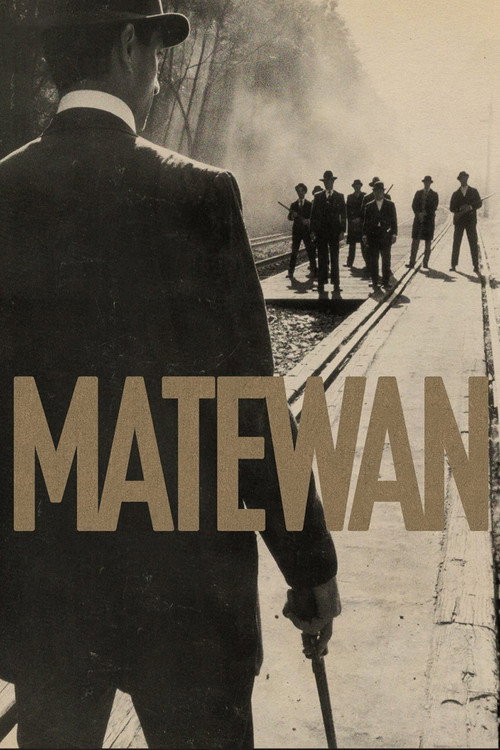
Matewan1987
John Sayles' coal-strike drama shares Salt of the Earth's commitment to place, class, and the texture of a company town — quiet, patient filmmaking about people learning to stand together against impossible odds.
But It's slow and deliberately unglamorous; if you want a rousing arc rather than a lived-in one, it may test your patience.
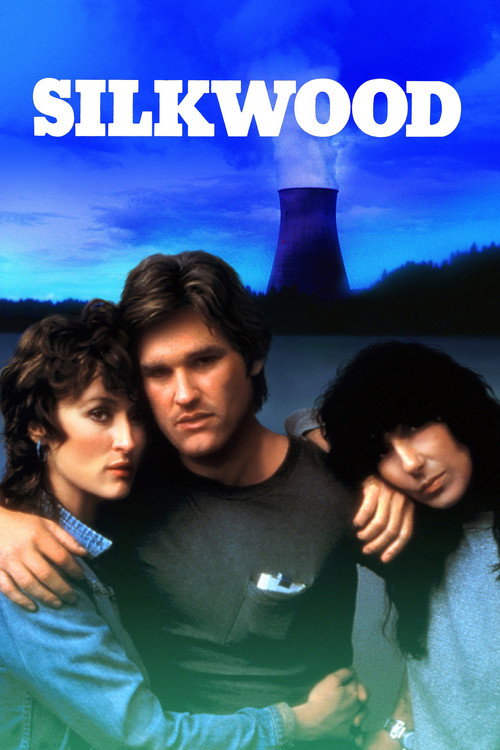
Silkwood1983
Meryl Streep's nuclear-plant whistleblower carries the same unglamorous, workplace-first urgency — ordinary people up against a company that would rather they stay quiet, told with real grit.
But It shifts toward thriller territory in its back half, trading some communal solidarity for a more individual story.
Bread and Roses2000no page yet
Ken Loach's tale of janitors organizing in LA shares Salt of the Earth's insistence on dignity for the lowest-paid, immigrant workers, and the belief that solidarity has to be built person by person.
But Loach's social realism can feel didactic, and the ending doesn't offer much comfort.
The Grapes of Wrath1940
An earlier American classic about displaced, exploited labor, shot with unsentimental compassion for people the system has decided don't matter. It set the template Salt of the Earth was reacting against and building on.
But It's a studio product with a starrier, more mythic tone — nothing like Salt of the Earth's amateur, lived-in rawness.

On the Waterfront1954
Released the same year, it's the establishment's answer to labor corruption — Brando's longshoreman wrestling with conscience against mob-run unions. Fascinating to watch as history's other side of the argument.
But Kazan made it partly to justify naming names to HUAC, the very committee that blacklisted Salt of the Earth's makers — know that going in.

The Killing Floor1984no page yet
A little-seen labor drama about Black and white meatpacking workers trying to build one union in 1919 Chicago — history-minded, clear-eyed, and just as interested in who gets left out of solidarity.
But It's a TV movie with modest production values and can be hard to track down.
Strike1925no page yet
Salt of the Earth's blacklisted makers were working in a tradition of collective, non-star filmmaking that stretches back to Soviet strike cinema — the same faith that workers playing themselves can carry a story further than trained actors can.
Eisenstein's silent Soviet film about a factory walkout is where the grammar of strike cinema — the crowd as protagonist, the factory as villain, the mass rising as spectacle — was essentially invented.
But Silent, agitprop, and unapologetically didactic; if you need dialogue and character to hold on to, this asks a lot of patience.
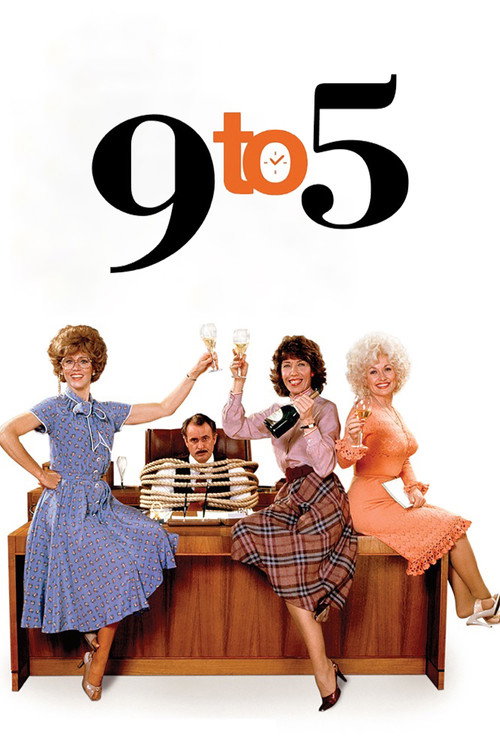
Nine to Five1980
Both put working women's anger at the center instead of the men's; 9 to 5 just trades picket lines and prison threats for kidnapping plots and one-liners, proving the same fury can wear a completely different costume.
Three secretaries turn workplace grievance into open revolt, played for big studio laughs instead of solidarity anthems — same fuel, entirely different fuse, and proof the fight for dignity at work can be sold as farce and still land.
But It's broad, silly, and made to sell tickets — nothing like Salt of the Earth's documentary plainness, and some of the comedy has aged oddly.
People
Cast
 Rosaura RevueltasEsperanza Quintero
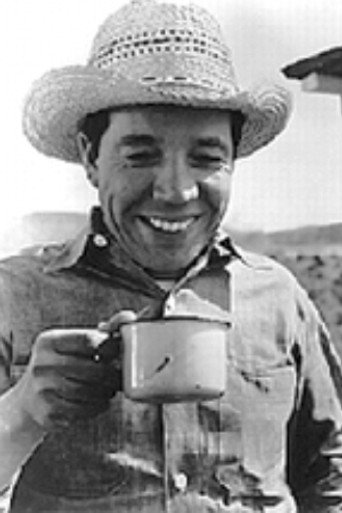 Juan ChacónRamon Quintero
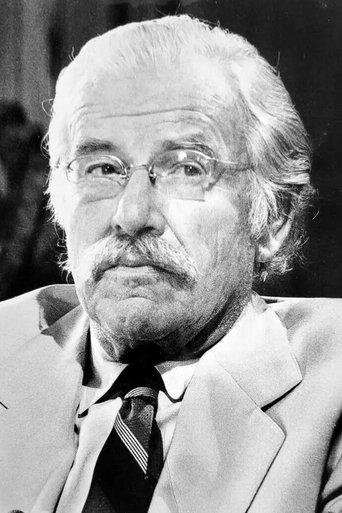 Will GeerSheriff
 David BauerBarton
- Mervin WilliamsHartwell
- David SarvisAlexander
- Clinton JencksFrank Barnes
- Virginia JencksRuth Barnes
- Henrietta WilliamsTeresa Vidal
- Ernesto VelázquezCharley Vidal
- Ángela SánchezConsuelo Ruiz
- Joe T. MoralesSal Ruiz
Directing
- Jules SchwerinAssistant Director
- Herbert J. BibermanDirector
Writing
- Michael WilsonWriter
Production
- Jules SchwerinAssociate Producer
- Sonja Dahl BibermanAssociate Producer
- Herbert J. BibermanProducer
- Paul JarricoProducer
- Simon LazarusProducer
- Jules SchwerinProduction Manager
Recommended by
The Eichmann Show, North Country, Made in Dagenham, Harlan County U.S.A., Roger & Me, The Battle of Chile: Part I, Matewan, The Last Truck: Closing of a GM Plant, 9to5: The Story of a Movement