
Film
Gaman
Gaman is a quietly devastating portrait of working-class struggle in 1970s Bombay. Two friends navigate poverty, ambition, and the grinding reality of dreams deferred. It's a film of small moments and large silences, asking what happens when effort meets indifference. For anyone who believes cinema's job includes witnessing dignity in difficult lives.
Should you watch it?
Watch it if you respond to quiet character studies about migrant workers' homesickness, where small gestures and long silences carry more weight than plot.
Skip it if you need momentum and a clear arc; this one drifts through hardship and loneliness, and its restraint can feel like waiting for a payoff that is more mood than event.
What it asks of you: Just under two hours of unhurried days in a city that gives little back, with mood carried by faces, silences and songs more than by plot.
Not sure? Find tonight's pick in a minute.
If you liked this
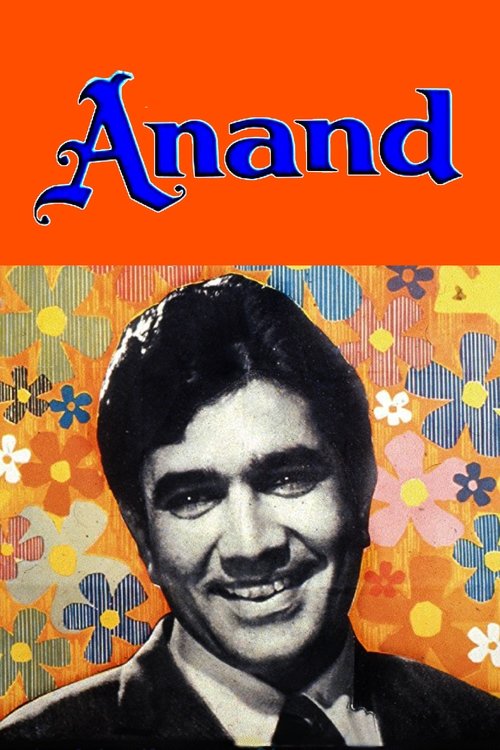
Anand1971
Rajesh Khanna and Amitabh Bachchan in Mukherjee's masterpiece about friendship, mortality, and what makes a life worth living. It's tender without sentimentality, funny without deflating the stakes.
But The film's meditation on death, while beautiful, can feel heavy. It's not escapism; it demands something from you emotionally.
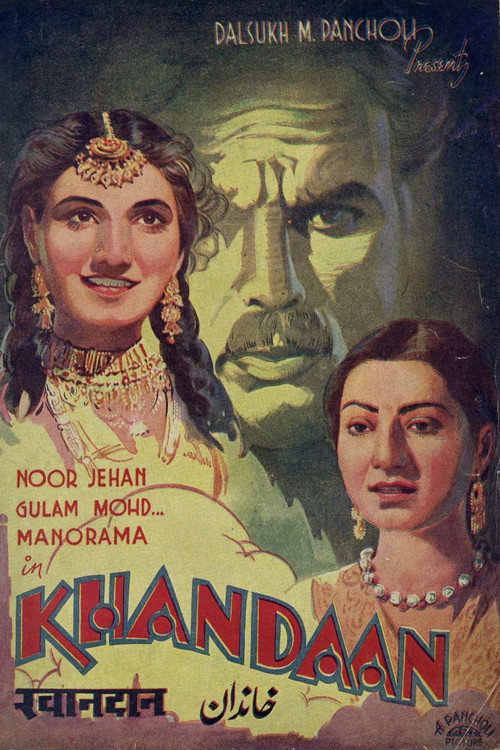
Khandaan1942
Mehboob Khan's earlier portrait of family survival and female resilience. The DNA of Gaman runs through this—struggle as a fact of life, not a plot device to overcome.
But As a 1942 film, the production values feel distant. Some dialogue and social attitudes require contextual viewing.
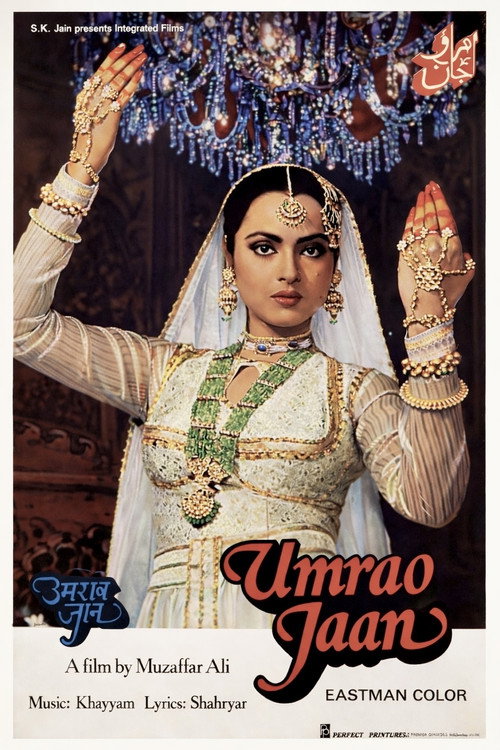
Umrao Jaan1981
Muzaffar Ali's lyrical, tragic portrait of a courtesan in Lucknow. Like Gaman, it's about a person trapped by circumstance, finding what dignity and art are possible within those boundaries.
But The film is languid and painterly. Viewers accustomed to faster editing or clearer narrative arcs may find it challenging.
Not sure tonight? Get a pick in a minute, starting from Gaman
The wildcard
Something you would not have found on your own.
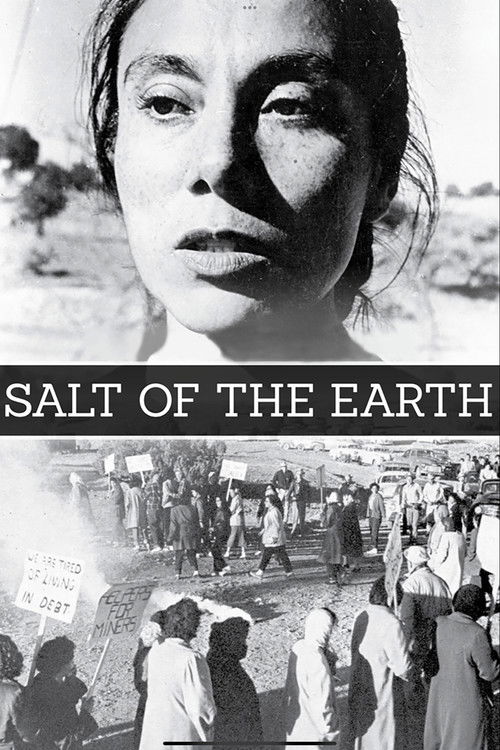
Salt of the Earth1954
Both films refuse to separate the personal from the political. A man's dignity and a system's indifference are the same argument. Neither offers redemption—only witness, and the question of what we owe to that witness.
Blacklisted and nearly forgotten: a film about striking Mexican-American miners made in the depths of the McCarthy era. Documentary directness wed to dramatic power. It watches like protest and poetry at once. No film more honestly faces the cost of solidarity.
But It is explicitly political propaganda—made as an act of defiance, not a neutral document. Some viewers find that commitment alienating rather than moving.
More like this (4)
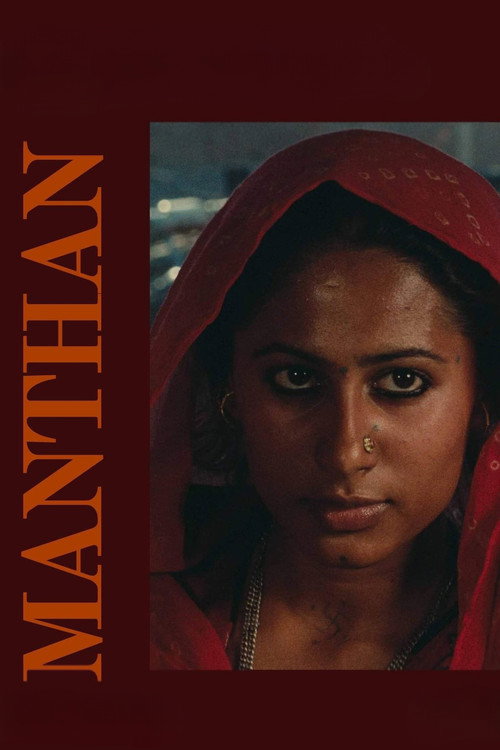
Manthan1976
Shyam Benegal's documentary-inflected drama about a milk cooperative in rural India. Another film obsessed with how ordinary people organize hope and change. Scripted by Vijay Tendulkar, who wrote Gaman.
But It's explicitly didactic in places. The commitment to social message sometimes overshadows character complexity.
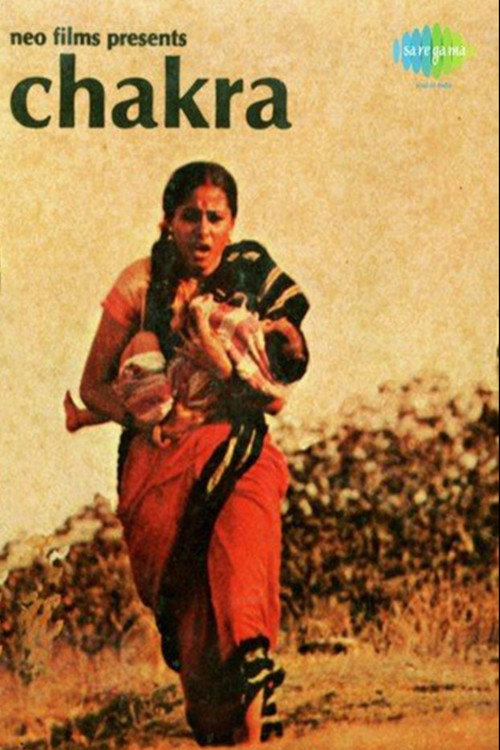
Chakra1981
Ramesh Sippy's unflinching look at urban poverty and the trap of the informal economy. Like Gaman, it refuses easy answers or redemptive arcs.
But Relentlessly bleak. There is almost no warmth offered, which some find cathartic and others find punitive.
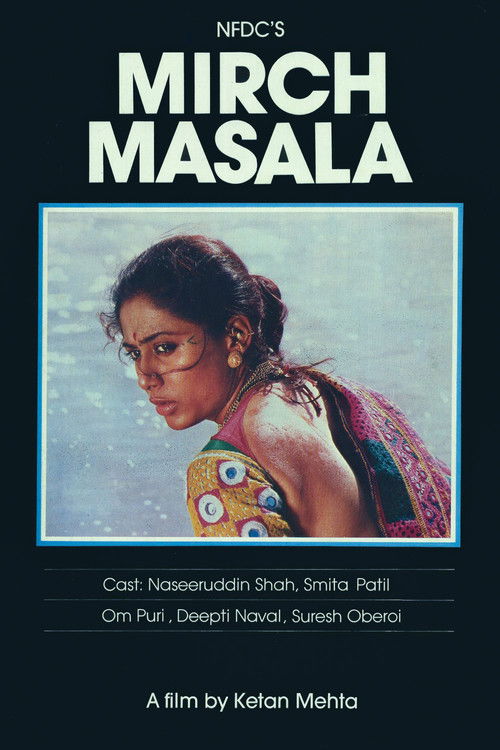
Mirch Masala1987
Ketan Mehta's portrait of resistance in a small Gujarat textile mill. Like Gaman, it finds the cost and courage in ordinary lives. Stunning cinematography and a luminous Smita Patil.
But The mix of documentary realism and stylized moments can feel tonal. Some find the balance awkward rather than artful.
Bicycle Thieves1948
Both understand that poverty is not a character flaw but a condition that shapes everything—how you move, what you can afford to want, what you owe others. Both trust the audience to understand that without explanation.
The template for neorealist cinema: a father and son search Rome for a stolen bicycle. It is impossibly moving because it asks: what does failure feel like when you have no room for it? Shot like documentary, felt like tragedy.
But The ending offers no solution. Many find it unbearably sad rather than illuminating. It asks you to sit with despair.

People
Cast
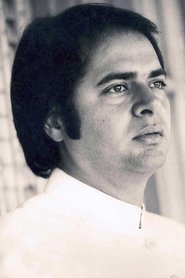 Farooq ShaikhGhulam Hasan
 Smita PatilKhairun
 Gita SiddharthYashodhara
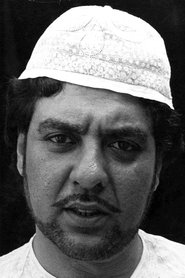 Jalal AghaLallulal Tewari
- Amir BanoAmma
- Hira Devi MishraLalluram's Mother


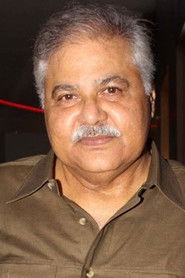
Directing
- Muzaffar AliDirector
Writing
- Hriday LaniScreenplay
- Asghar WajahatStory