
Film
Adalat
Other titles called Adalat: the 1958 film.
- Social drama
- Very dark
A 1976 Hindi drama about a wronged man's journey from rural innocence to urban devastation. Amitabh Bachchan carries this tale of injustice and shattered family through moral collapse and the search for redemption. Melodramatic in the best way—operatic in its grief, unafraid of its own emotions.
Should you watch it?
Watch it if you like a wronged-man revenge story played at full melodramatic volume, where a star's commanding presence and big set-piece confrontations matter more than realism.
Skip it if you find 1970s Bombay studio melodrama with stacked coincidences and speeches hard to sit through, or you want a tight, realistic courtroom drama, since its style runs very far from that.
What it asks of you: Expect nearly two and a half hours of heightened emotion, with sincere speeches, sudden swings between sentiment and anger, and a slow build rather than quick cuts.
Not sure? Find tonight's pick in a minute.
If you liked this
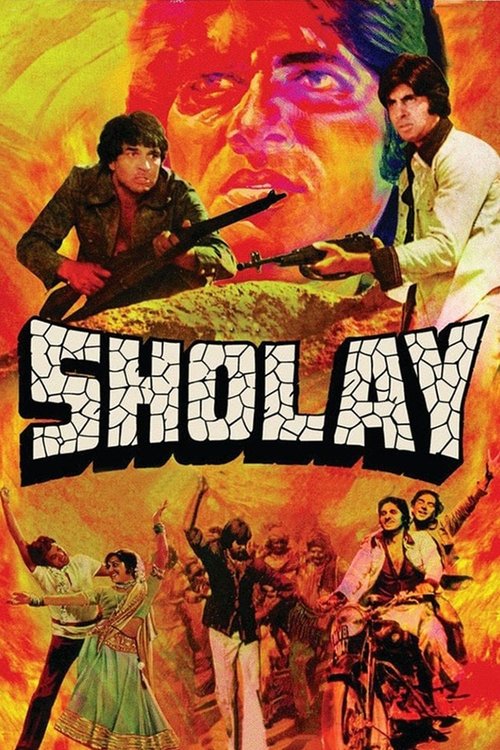
Sholay1975
The Bachchan vehicle that defined the angry-young-man archetype. Explosive action, deeper moral complexity than it first appears, and the template for everything that followed. Essential viewing.
But The film is 214 minutes long and its pacing can feel slack to modern viewers. Also, the late-Seventies Bollywood style isn't for everyone.
Deewaar1975
Bachchan at peak power in a family tragedy about class, poverty, and the gulf between a mother and son. Emotionally devastating without resorting to cheap melodrama. Sharma's direction is unfussy and lets the performances breathe.
But Heavy, slow, and relentlessly bleak. There's no comic relief and minimal action—purely character and consequence.

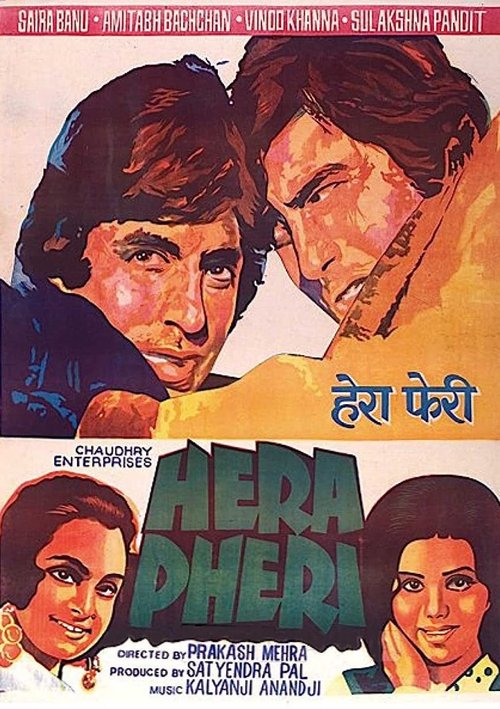
Hera Pheri1976
A con-artist caper with real wit and Bachchan playing against the righteous-victim type. Lighter touch than Adalat but still sharp about desperation and survival. Entertaining and surprisingly intelligent.
But The plot mechanics can feel convoluted, and it's less emotionally resonant than Bachchan's heavier dramas.
Not sure tonight? Get a pick in a minute, starting from Adalat
The wildcard
Something you would not have found on your own.
Koshish1972
Both films see their protagonists destroyed by systems that refuse to believe them. Adalat asks what happens when you're broken by those systems; Koshish asks how you survive them with your humanity intact.
A husband and deaf-blind wife navigate a hostile world with dignity and ingenuity. Vinod Khanna and Jaya Bhaduri are magnetic. It's about systemic cruelty and broken institutions, like Adalat, but with a completely different emotional register—it's about resilience and love instead of rage.
But The film's sentiment can feel oversimplified. Some viewers find the disability representation patronizing or maudlin by modern standards.

More like this (4)
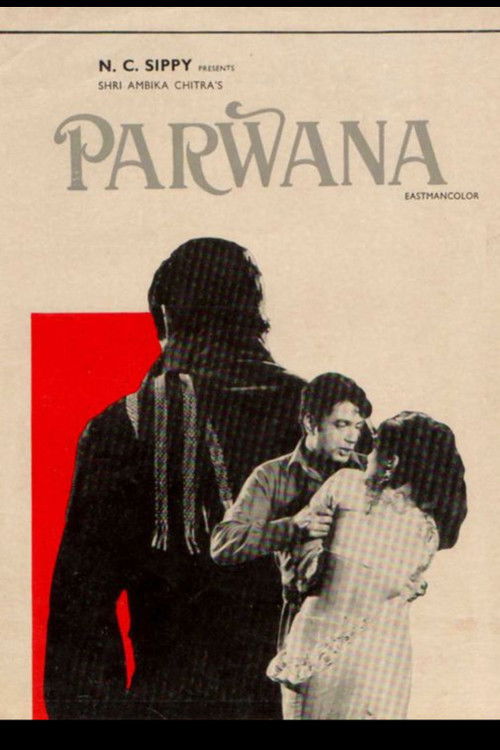
Parwana1971
Obsessive love and moral corruption in pre-Bachchan Hindi cinema. A film about the cost of ambition and the way cities corrupt innocence. Mirrors Adalat's interests without the star power.
But 1970s print quality can be rough. Slower than modern audiences expect. Very much a period piece.
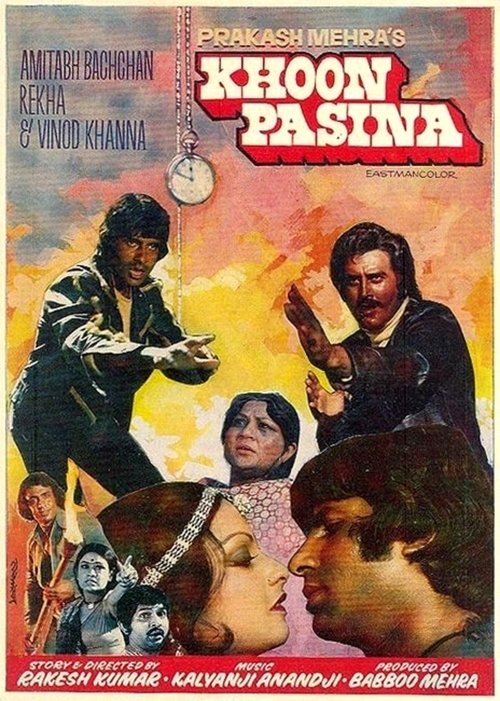
Khoon Pasina1977
Bachchan again, in a story about a man fighting systemic corruption. Shares Adalat's rage at injustice and its willingness to let the hero suffer real consequences.
But Melodramatic even by the standards of the era. Repetitive plot beats. Less refined than the best films around it.
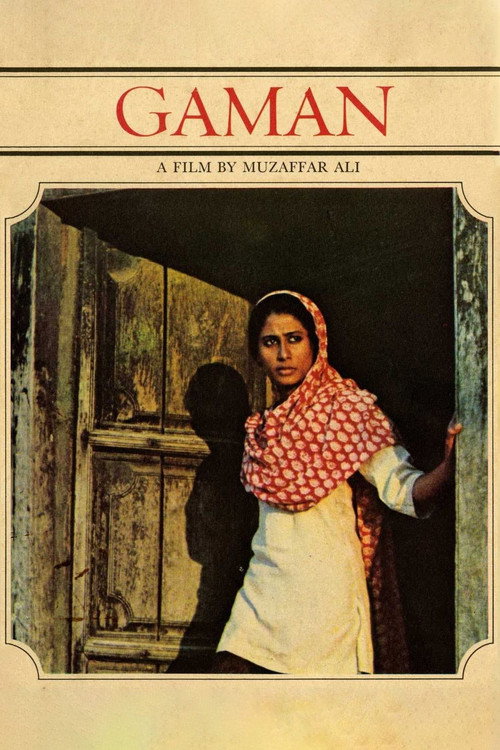
Gaman1978
Both films about the gap between appearance and reality, between what institutions claim happened and what actually was. Both insist the truth is often the worst answer.
An immigrant worker in the Gulf sends money home to a wife he barely knows, watching her life improve without him. Bleak, unsentimental, and morally complex about desire and duty. Entirely told through letters and infrequent visits—a formal choice that matches its loneliness.
But Almost nothing happens. Long stretches with minimal dialogue. The emotional payoff is existential dread, not catharsis or resolution.
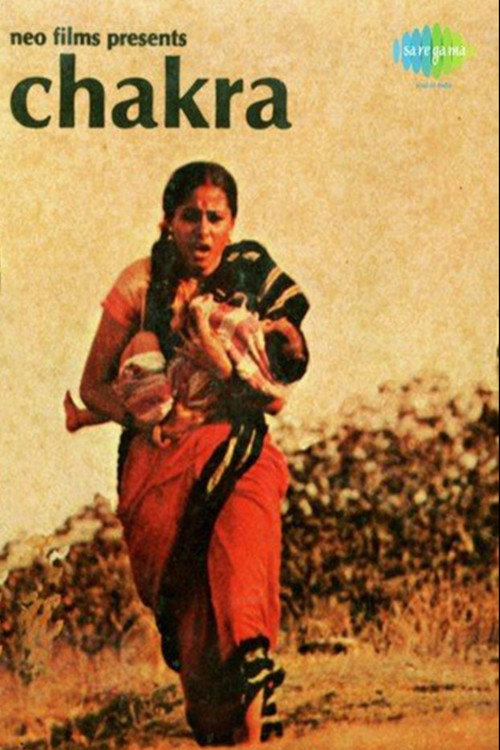
Chakra1981
Like Adalat, it traces the machinery of injustice—but where Adalat's hero remains innocent, Chakra watches how a wronged man becomes the villain the system promised he was.
A man framed for murder becomes a hitman to survive, spiraling into violence. Directed by Gulzar, it's a noir-ish meditation on how crime systems create criminals, how desperation becomes pathology. Utterly modern-feeling for 1981.
But Violent and morally dark in ways that predate the typical Hindi film violence. Deliberately unsexy about its brutality. Not easy to watch and offers no redemption.
People
Cast
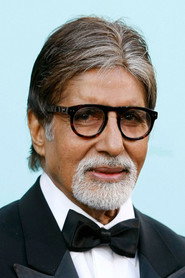 Amitabh BachchanThakur Dharam Chand 'Dharma' / Raju
 Waheeda RehmanRadha
 Neetu SinghGeeta Verma
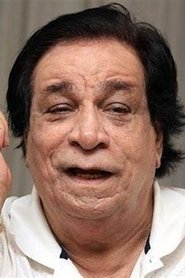 Kader KhanPolice Inspector Khan
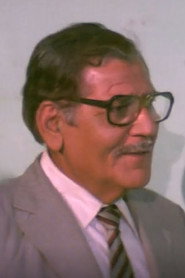 Harbans Darshan M. AroraDoctor
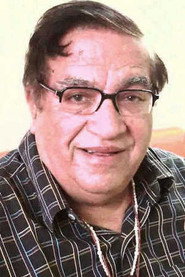 BirbalChachi's son
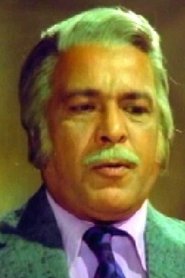 Anwar HussainAjit Singh
- Heena KausarLaxmi
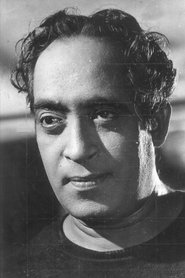 K.N. SinghSingh
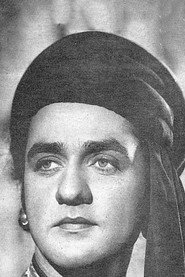 D.K. SapruJudge
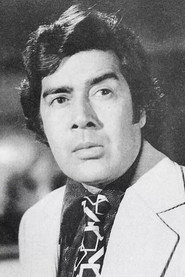 Sujit KumarSujit Singh
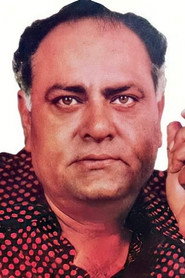 Pinchoo KapoorMr. Verma
Directing
- Narendra BediDirector
Writing
- Narendra BediScreenplay
Recommended by
Vidhaata, Besharam, Naseeb, Khoon Ka Rishta, Majboor, Yaarana, Kalyug