Film
Chakra
Other titles called Chakra: the 2021 film.
- Social drama
- Very dark
A 1981 Indian drama about a woman navigating survival and desire in a Mumbai slum after her husband's death. Raw and unflinching, it examines how women navigate power, vulnerability, and agency in spaces that offer little of either. Smita Patil anchors it with extraordinary presence—this is cinema for those willing to sit with difficult truths.
Should you watch it?
Watch it if you want a stark, unsentimental portrait of a woman making a life in poverty, where Smita Patil's performance and the film's close, unhurried look at a slum carry the story.
Skip it if you need a tidy plot or a clear moral line, since its scenes of sexual violence and its loose, ambiguous emotional shape can feel bleak for long stretches.
What it asks of you: Settle in for a little over two hours of slow, patient observation, with long quiet passages and a dark tone that rarely lifts into relief.
Not sure? Find tonight's pick in a minute.
If you liked this
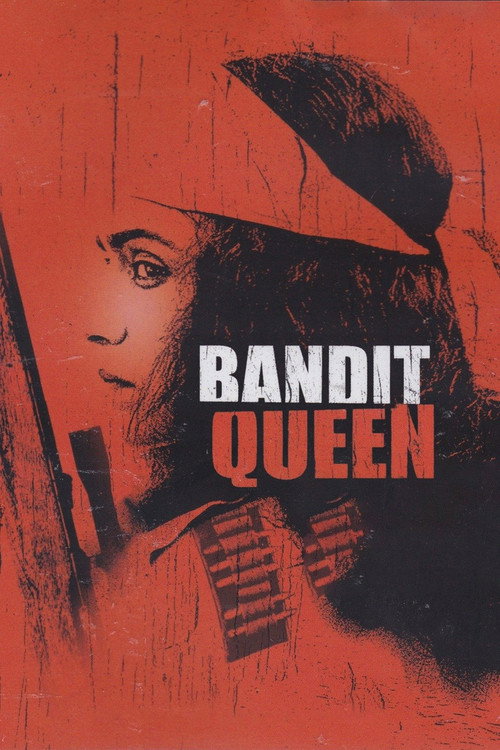
Bandit Queen1994
Seeta Malya's brutal real-life story of survival, resistance, and reclamation. Another unflinching Indian film about a woman's agency in a landscape built to deny it. Formidable and necessary.
But It's graphically violent and deals with sexual assault frontally. Not cathartic—it's punishing to watch, which is partly the point.
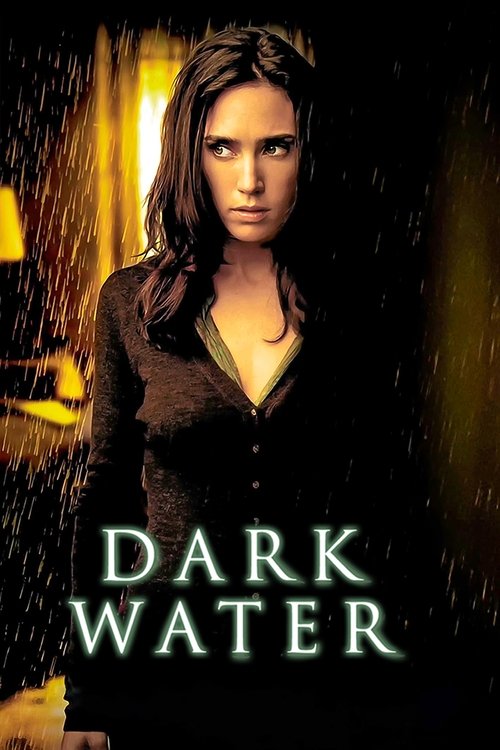
Dark Water2005
Deepa Mehta's examination of widows in 1930s India: trapped, powerless, made disposable by religion and society. Visually stunning and morally unflinching in the same register as Chakra.
But It moves slowly and is genuinely sad. No redemption arc, no Hollywood resolution—just the slow weight of impossible circumstances.
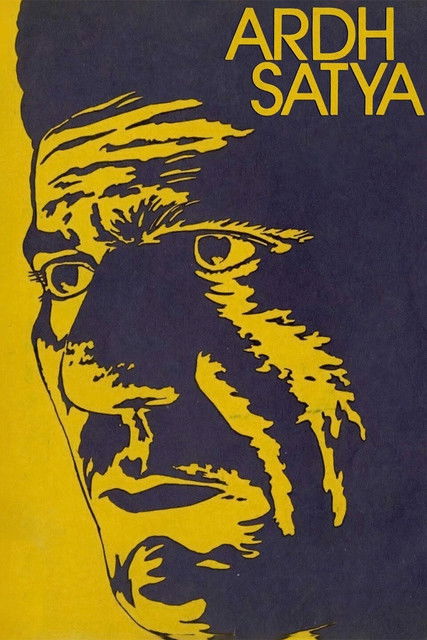
Ardh Satya1983
Naseeruddin Shah (your film's Looka) in a police procedural about corruption and moral compromise in Mumbai. Gritty, tense, and anchored by one of Hindi cinema's finest actors at his peak.
But The print quality isn't always pristine and it hasn't aged into the digital restoration some classics have. Also deeply bleak.
Not sure tonight? Get a pick in a minute, starting from Chakra
The wildcard
Something you would not have found on your own.
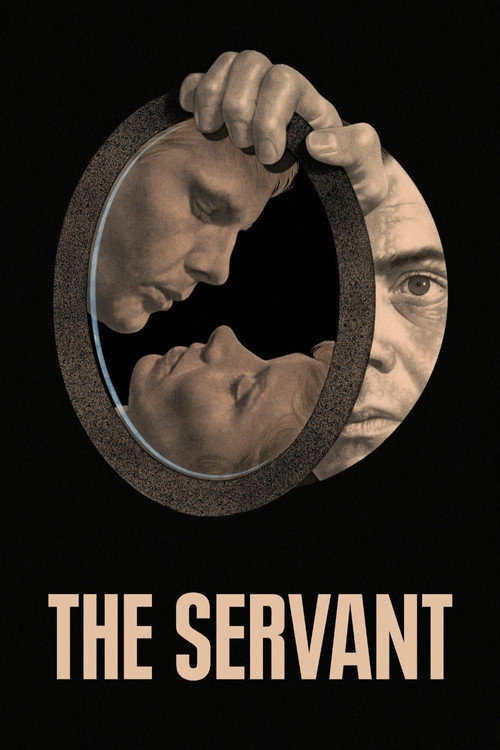
The Servant1963
Both films are intimate power struggles in confined spaces where sex and survival become impossible to separate. Both ask who really has power when desire enters the room.
Joseph Losey's film about a master and servant whose relationship inverses and mutates through power, sex, and class. Black-and-white, claustrophobic, and savagely interested in how desire corrupts hierarchy and truth.
But It's British, formally controlled, almost entirely interior. Abstract where Chakra is concrete. Some will find it bloodless where others find it exquisite.
More like this (7)
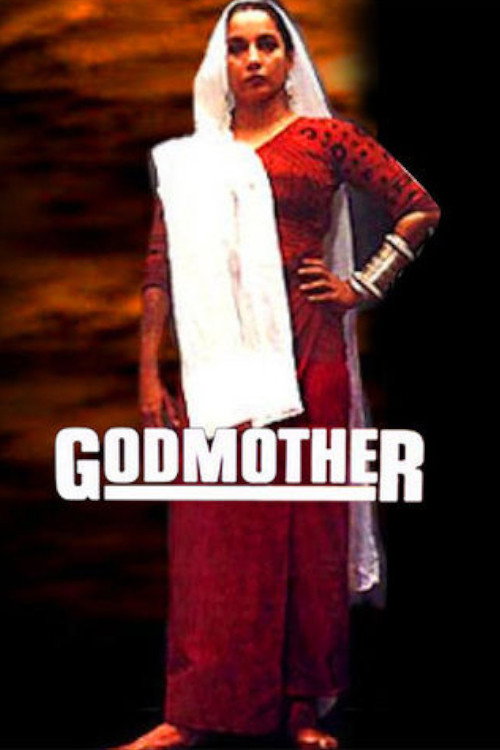
Godmother1999
A woman claws her way from nothing to power in Mumbai's underworld. It's Chakra's inverse—same city, same desperation, but this time the woman refuses victimhood and builds an empire instead.
But It's a Hindi film from 1999 with all that entails production-wise. The logic is sometimes more mythic than realistic. Less interested in ambiguity than Chakra.
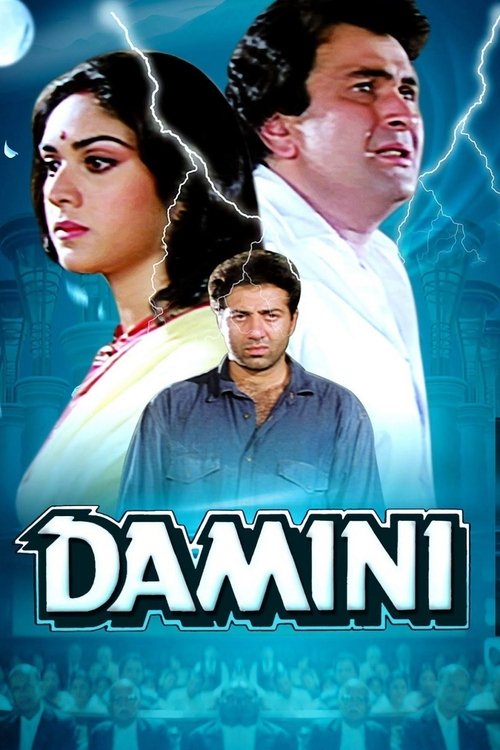
Damini1993
Meenakshi Sheshadri as a woman fighting a corrupt system after witnessing atrocity. Crime drama meets social conscience. Furious and righteous where Chakra is resigned and intimate.
But It's more conventional Bollywood in structure—there's a hero, there's resolution. Less interested in the murky texture of daily survival.
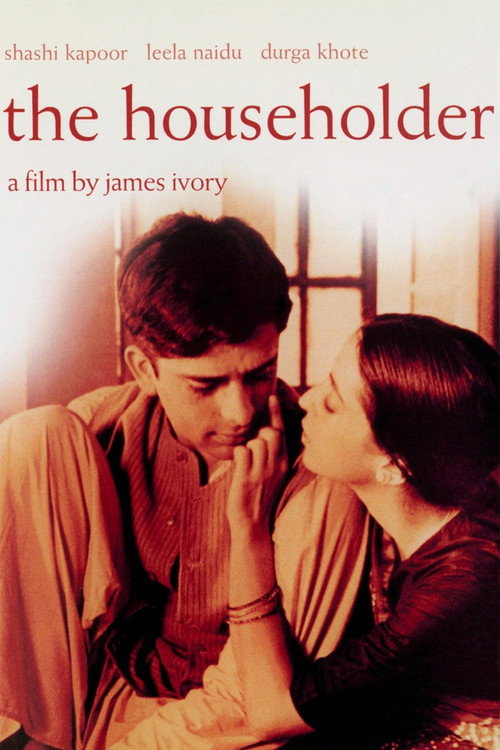
The Householder1963
Merchant-Ivory's film about a young married couple in Delhi navigating poverty, desire, and obligation. Quieter than Chakra but equally interested in how constraint shapes intimacy and compromise.
But It's a British-Indian production from 1963 and sometimes feels more anthropological than fully realized. Gentle where Chakra is confrontational.
Pather Panchali1955
Satyajit Ray's masterpiece about poverty and family in rural Bengal. The ur-text for Indian cinema's engagement with hardship, hunger, and human dignity in impossible circumstances.
But It's three hours and deliberately paced. The sensuality comes from rhythm and mood rather than plot momentum. Requires patience.

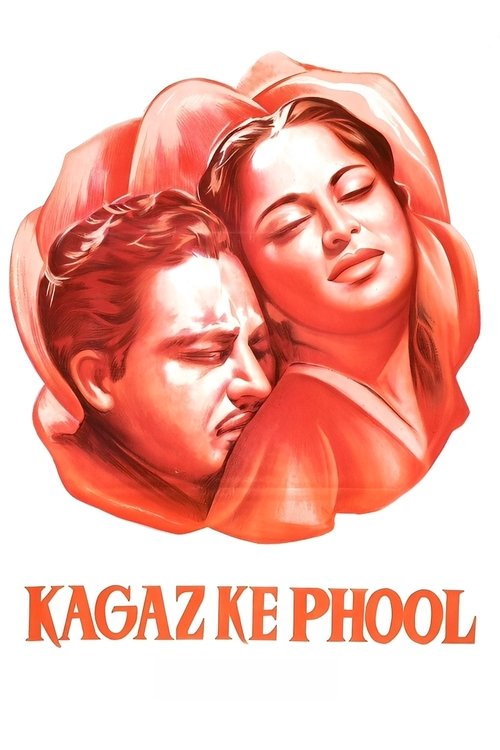
Kaagaz Ke Phool1959
A director films the woman he loves, becomes obsessed, destroys everything. Melodramatic where Chakra is realistic, but equally concerned with how desire warps and unmakes people.
But It's a romantic melodrama from 1959, so the emotional logic is heightened and sometimes archaic. The gender politics are complicated in ways the film doesn't quite interrogate.
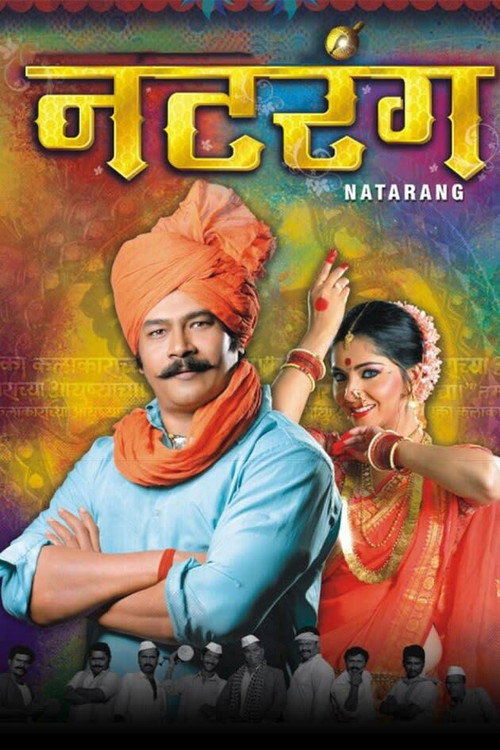
Natrang2010
A working-class man discovers theatre and theatre discovers him. Marathi cinema at its most vital—alive to the dignity and magic available in humble spaces. Energetic and deeply felt.
But It's a Marathi-language film and the theatrical milieu is quite specific. Less interested in the social realism Chakra privileges than in art's redemptive possibilities.
Memories of Murder2003
Both films trust the viewer to sit with moral murkiness and institutional failure. Both make you feel the weight of systems that don't serve the people inside them.
Bong Joon-ho's serial killer film set in rural South Korea. Muddy, frustrating, brilliant—about how institutions fail and corruption calcifies, with the texture of lived experience Chakra shares. Different genre, same moral weight.
But It's a detective thriller, so it demands plot investment and delivers a deliberately ambiguous ending. Longer at 132 minutes and more formally complex. Might feel too different.

People
Cast
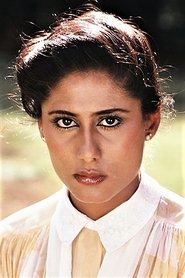 Smita PatilAmma
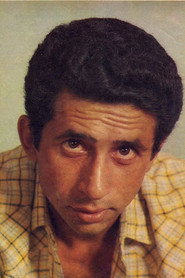 Naseeruddin ShahLooka
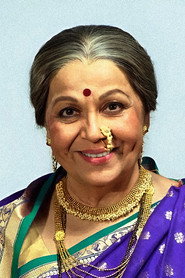 Rohini HattangadiLaxmi
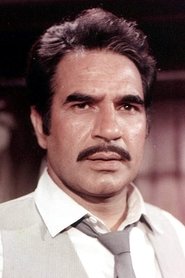
- Anjali PaigankarChenna
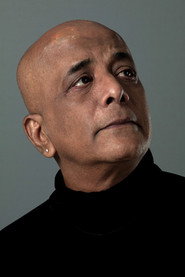 Salim GhouseRaghu
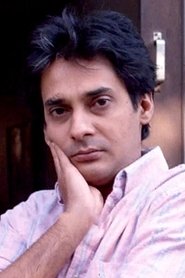 Ranjit ChowdhryBenwa