
Film
Ardh Satya
A searing portrait of a young cop crushed between duty and the corrupt system he serves. Ardh Satya—"half-truth"—captures the moral catastrophe of policing under pressure, where doing the right thing becomes impossible. Raw, bitter, and unflinching about power and compromise. Essential viewing for anyone who cares how institutions break good people.
Should you watch it?
Watch it if you like slow-burning police dramas where the moral grind of a flawed institution matters more than thrills, and you would rather sit with a bruised, quietly furious protagonist than be carried along by plot.
Skip it if you need brisk momentum or a clean moral line, since the film moves unhurriedly and its anger is sour rather than cathartic, with little relief along the way.
What it asks of you: Around two hours of patience, with long watchful stretches and a bleak, unshowy look that lets scenes settle before anything erupts.
Not sure? Find tonight's pick in a minute.
If you liked this
Khoon Ka Rishta1981
A predecessor exploring similar moral rot in law enforcement, with visceral action sequences and a protagonist fighting institutional decay from within.
But The print quality is often poor, and the pacing feels slack compared to Ardh Satya's intensity.
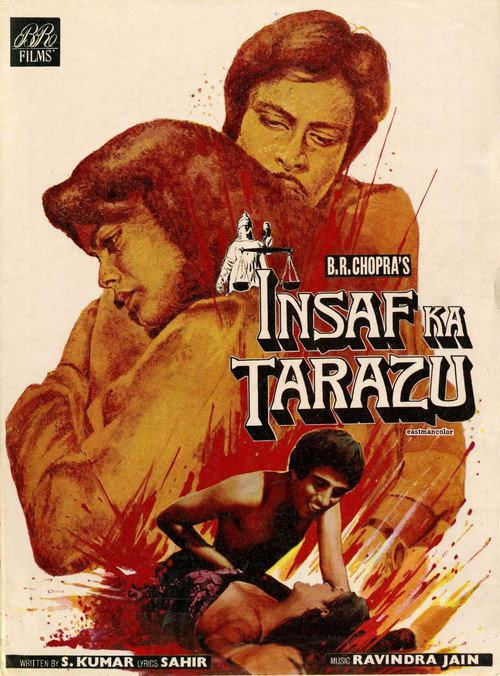
Insaaf Ka Tarazu1980
Equally uncompromising about systems that punish the innocent. Smita Patil delivers a performance of raw power; the film's rage at injustice mirrors Ardh Satya's moral clarity.
But The courtroom drama structure is more conventional, and it lacks the psychological depth of character study.
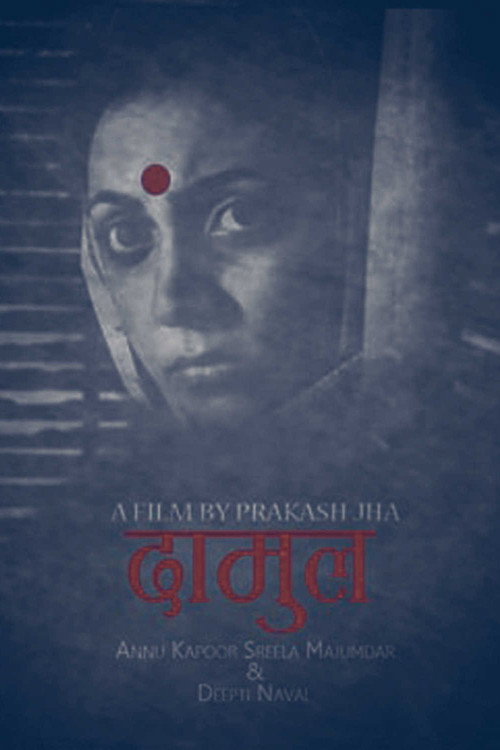
Damul1985
A portrait of rural exploitation and survival that shares Ardh Satya's refusal to soften its view of power. The despair is real and the critique is structural, not melodramatic.
But The film moves slowly and can feel remote if you're not invested in its regional specificity.
Not sure tonight? Get a pick in a minute, starting from Ardh Satya
The wildcard
Something you would not have found on your own.
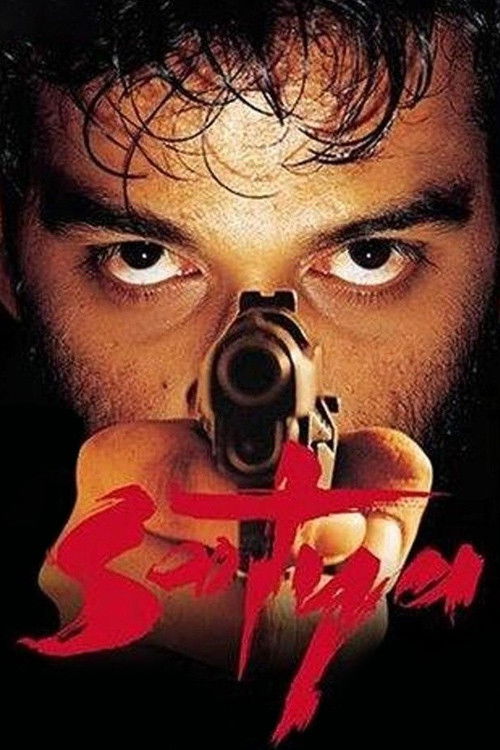
Satya1998
Nihalani's own follow-up to the themes he pioneered; a mirror-image exploration of how systems break people on both sides of the law.
Govind Nihalani's 1998 film is an explicit spiritual descendant of Ardh Satya—same director, same Mumbai, same corruption—but Satya inverts the narrative: a criminal's ascent rather than a cop's descent. The moral architecture is identical, the perspective revolutionised.
But It's a long crime saga (170 minutes) and requires you to follow competing underworld factions. The violence is graphic and the pace is elliptical.
More like this (8)
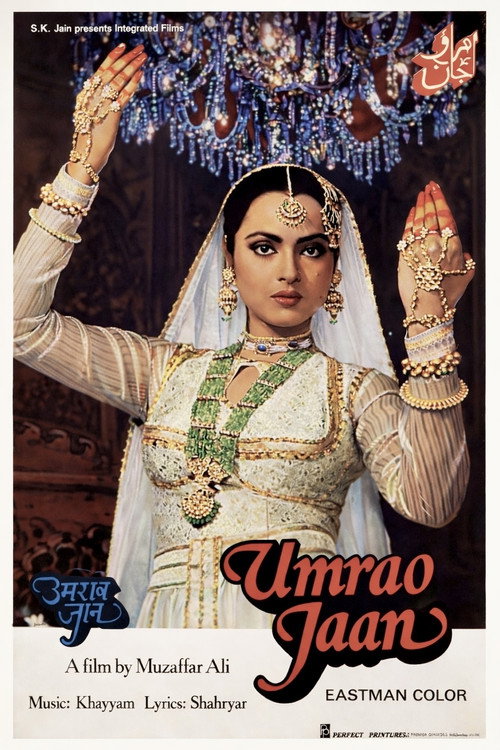
Umrao Jaan1981
Rekha's luminous performance anchors a tragedy about constraint and impossible choices, with the same eye for how systems destroy individuals that Ardh Satya possesses.
But It's a period piece in a different register—less aggressive, more elegiac—which may feel like a tonal whiplash.
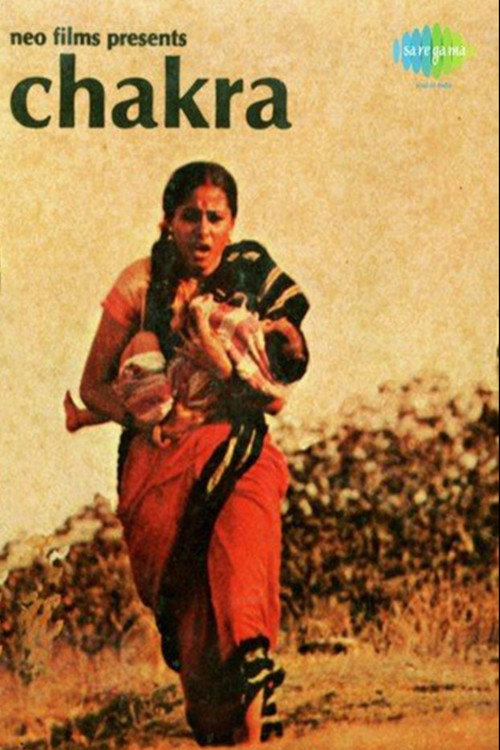
Chakra1981
Another inquiry into police corruption and personal disintegration, made with documentary-like precision. The lead character's descent is claustrophobic and convincing.
But The film hasn't aged as well visually, and it's harder to find in good condition.
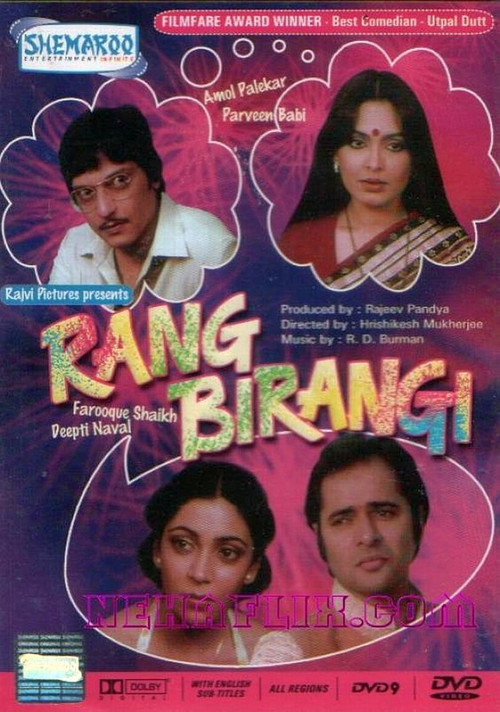
Rang Birangi1983
A darker comedy about life's compromises and the gap between ideals and reality. If you want some gallows humour while staying in the same moral universe, this delivers.
But The tonal shift to comedy will feel jarring after Ardh Satya's unrelenting grimness.
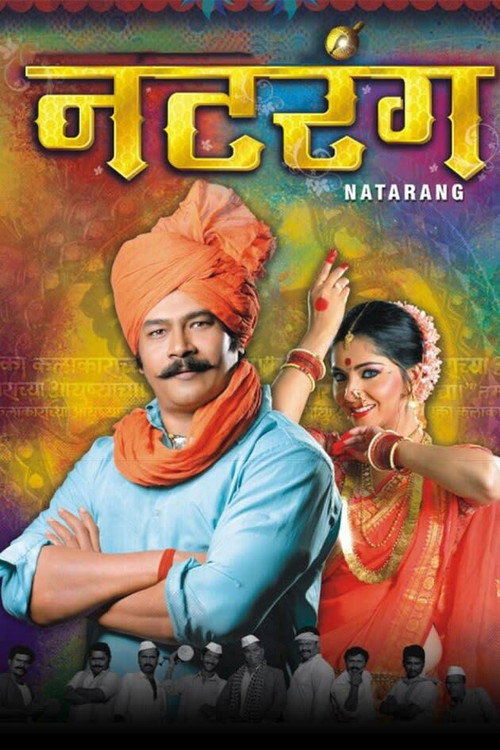
Natrang2010
A modern Indian film about artistic integrity under economic pressure. Different setting, same theme: the system will crush you if you refuse to compromise, even slowly.
But It's a Marathi-language film, which narrows the available print options. The pacing is deliberate to the point of testing patience.
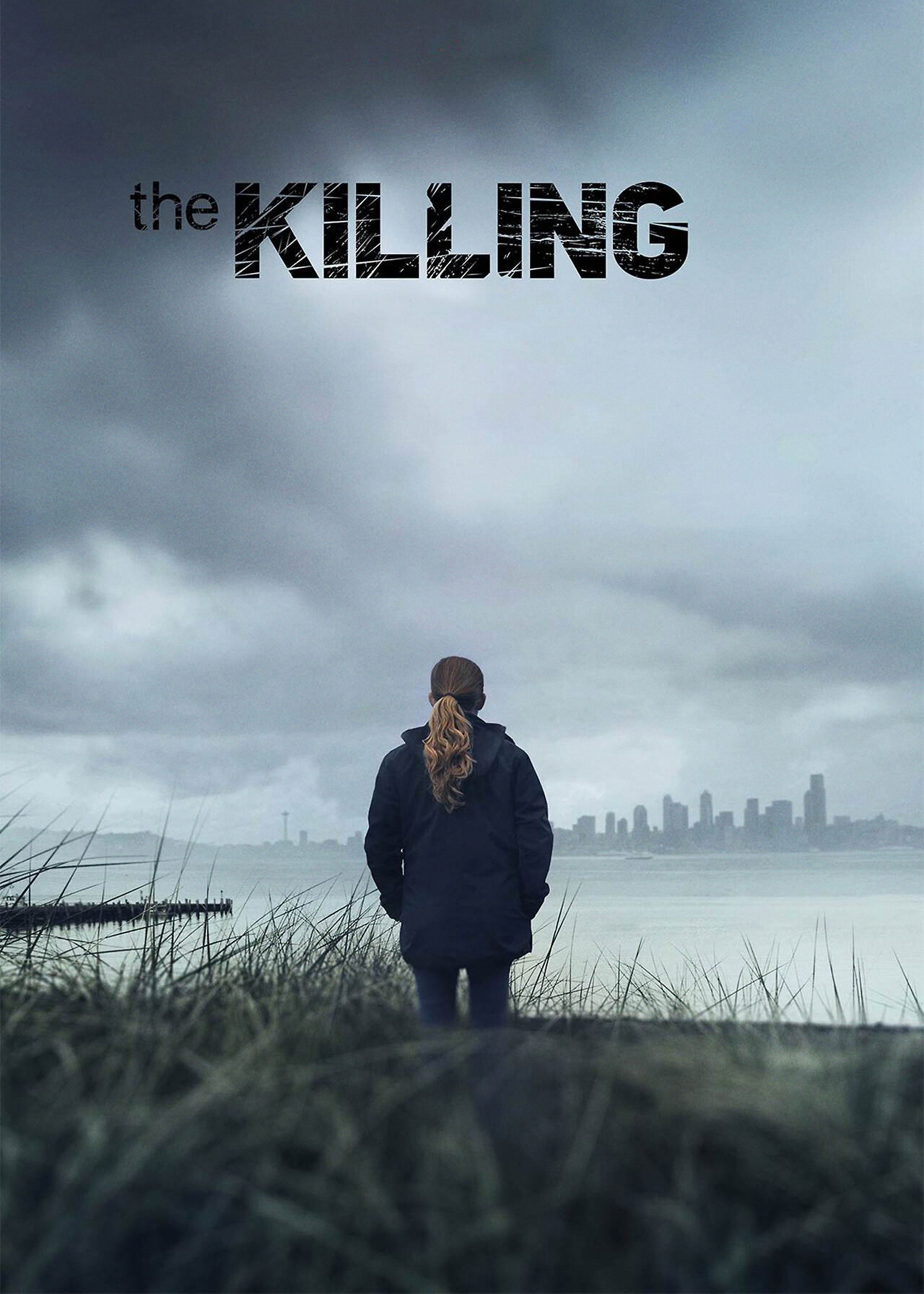
The Killing2011
An immersion in institutional corruption and how systems protect their own. The detective protagonist's moral spiral mirrors Velankar's, and the Danish setting brings fresh angles to the same story.
But It's television, not cinema, and requires a real time commitment—three seasons, sixty minutes each, cumulative rather than immediate.
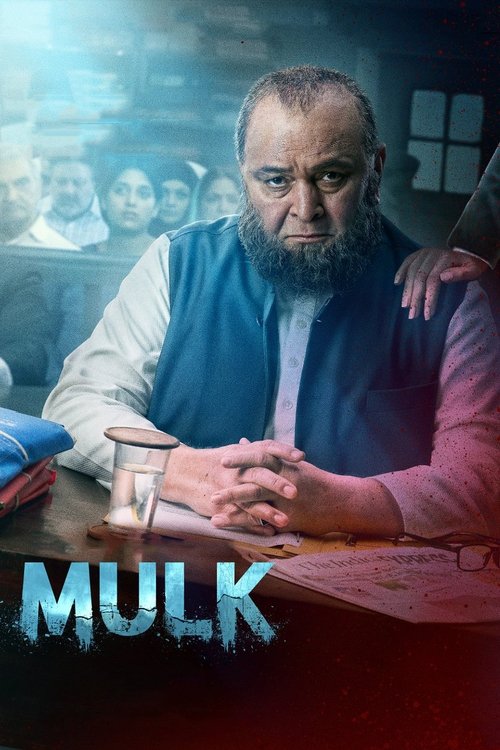
Mulk2018
A contemporary film about how institutions weaponise suspicion and power against individuals. Less hopeless than Ardh Satya but asking identical questions about justice.
But It's more of a courtroom drama than a character study, and the resolution is neater than the bleakness you might crave.
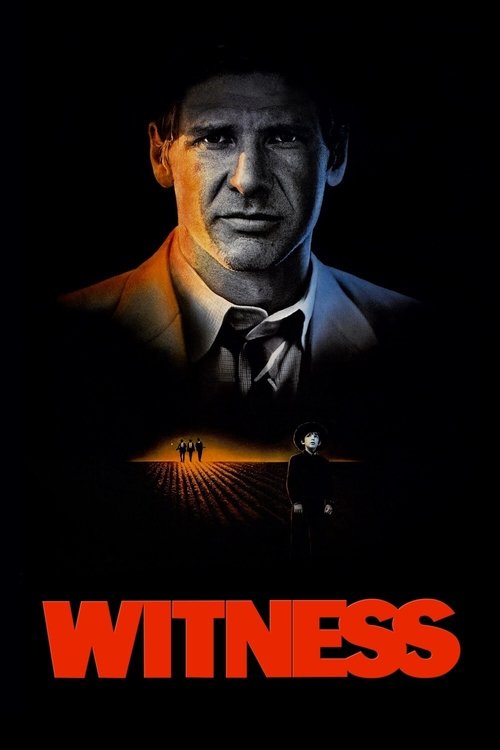
Witness1985
Both films ask: when the system becomes the enemy, where can an honest man hide? The answers are equally bleak.
An American thriller that shares Ardh Satya's interest in institutional betrayal: a cop discovers his own department is hunting him. The Amish setting and genre mechanics are entirely different, but the isolation and moral machinery are twins.
But It's a Hollywood product with stars and a romance subplot, so it resolves problems that Ardh Satya leaves festering. Some find it manipulative.
The Act of Killing2012
Both examine how institutions and violence distort the human face. Ardh Satya shows corruption as a slow rot; this shows it as a historical scar that refuses to heal.
A documentary where perpetrators of genocide stage reenactments of their crimes. It's the inverse of Ardh Satya's tragedy: instead of a good man corrupted by system, here are system creatures confronting their own monstrosity. Excruciating and necessary.
But It's a documentary about mass murder, and the moral weight is immense. Watching it is not entertainment; it is witnessing. Some find it exploitative, and the psychological toll is real.

People
Cast
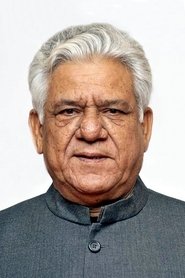 Om PuriSub-inspector Anant Velankar
 Smita PatilJyotsna Gokhale
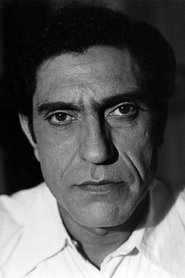 Amrish PuriFaujdar Velankar
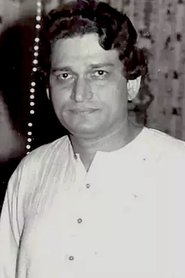 Shafi InamdarInspector Hyder Ali
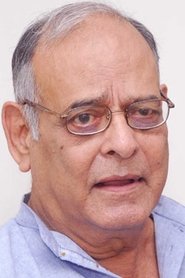 Achyut PotdarInspector Patil
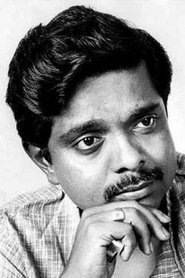 Sadashiv AmrapurkarRama Shetty
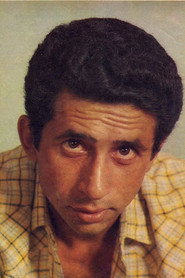 Naseeruddin ShahMike Lobo
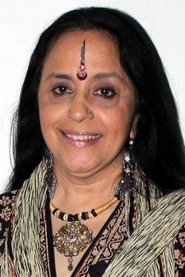 Ila ArunNeha Vajpayee
 Suresh BhagwatComplainant
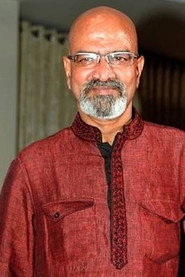 Vijay KashyapUnion Leader
Directing
- Arunabh BhattacharjeeAssistant Director
- Farhad OstavariAssistant Director
- Geeta DasguptaAssistant Director
- Prabhat JhaAssistant Director
- Raju ParsekarAssistant Director
- Govind NihalaniDirector
- Rajkumar SantoshiFirst Assistant Director
Writing
- Vasant DevDialogue
- Damodar PanvalkarOriginal Story
- Vijay TendulkarWriter
Production
- Shivanand ShettyAssociate Producer
- Vasant MamaniaAssociate Producer
- Manmohan ShettyProducer
- Pradeep UppoorProducer
- Parvez JamalProduction Manager
- Sunil SahjwaniProduction Manager
- Hanif ShakoorPublicist
Recommended by
Maqbool, Insaniyat, Ram Lakhan, Gang, Main Azaad Hoon, Shaan, Dev, Aaj Ka Arjun, Damul, Chakra, Balika Badhu, Manthan, 1: Nenokkadine, Pyaar Koi Khel Nahin, Samskara, Zakhm, Inquilaab, Dostana, Iruvar, Jeene Do, Qahar, Rihaee, Masoom, Aaj Ka Goonda Raaj