
Film
Damul
- Social drama
- Very dark
Damul exposes the bonded labour system in rural India through the story of a man forced into theft by impossible circumstances. It's a urgent, unflinching drama about economic entrapment and moral compromise, made with documentary realism but driven by genuine character. For anyone interested in socially conscious cinema that doesn't preach.
Should you watch it?
Watch it if you want a socially pointed drama that builds its outrage through the quiet, unshowy detail of everyday exploitation rather than melodrama, and you're willing to sit with a hard subject.
Skip it if the subject is bleak and the film stays with it without much relief, so if you need lightness or a brisk pace, this will wear you down.
What it asks of you: Settle in for just under two hours of deliberate, plainly observed scenes where the weight comes from accumulation rather than big set pieces.
Not sure? Find tonight's pick in a minute.
If you liked this
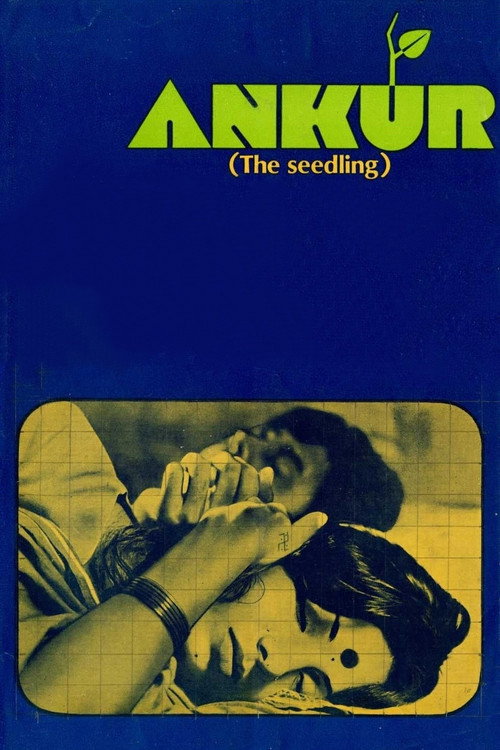
Ankur1974
Shyam Benegal's debut about rural exploitation and class conflict. Shot with the same documentary precision as Damul, it captures the slow erosion of dignity under systemic pressure.
But The pacing is deliberately glacial, and there are no easy resolutions or heroic gestures—just the weight of circumstance.
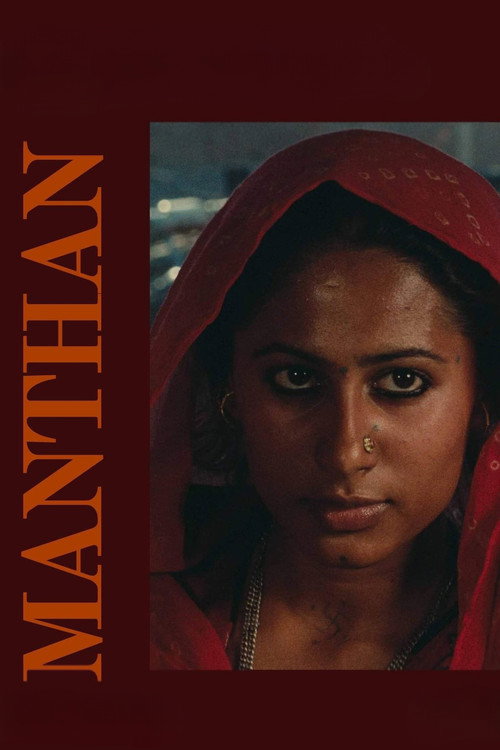
Manthan1976
Another Benegal work about rural India and economic transformation, featuring Annu Kapoor (Damul's lead). It's humane, intelligent, and genuinely moving without sentimentality.
But It's interested in ideas as much as drama, which means some scenes prioritize conversation over conventional narrative momentum.
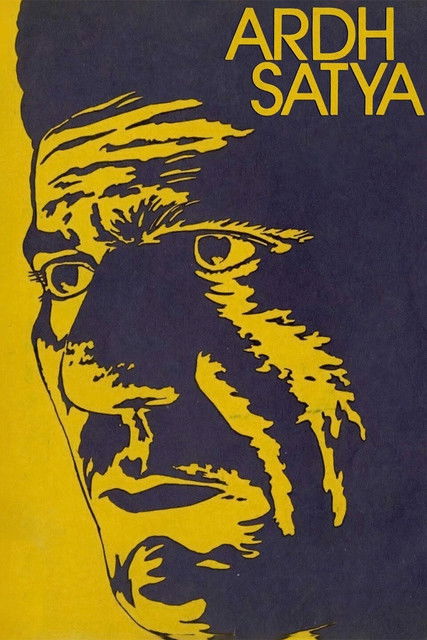
Ardh Satya1983
Govind Nihalani's film about corruption and moral compromise in a system designed to break you. The same moral architecture as Damul, applied to urban police work instead of rural bondage.
But It's deliberately bleak, and the protagonist's choices become increasingly difficult to watch, let alone root for.
Not sure tonight? Get a pick in a minute, starting from Damul
The wildcard
Something you would not have found on your own.
La Haine1995
Both are films about how poverty forces people into criminality, and both insist that the system—not the individual—is the real crime. They just happen in different continents and languages.
Mathieu Kassovitz's film about poverty, systemic entrapment, and the violence that follows. It's set in a Parisian banlieue, not rural India, but the moral architecture is identical: systems that trap people, and the choices that follow.
But It's French, it's shot in black-and-white, and it's about urban youth culture rather than rural labour. The cultural register is completely different from Damul.

More like this (3)
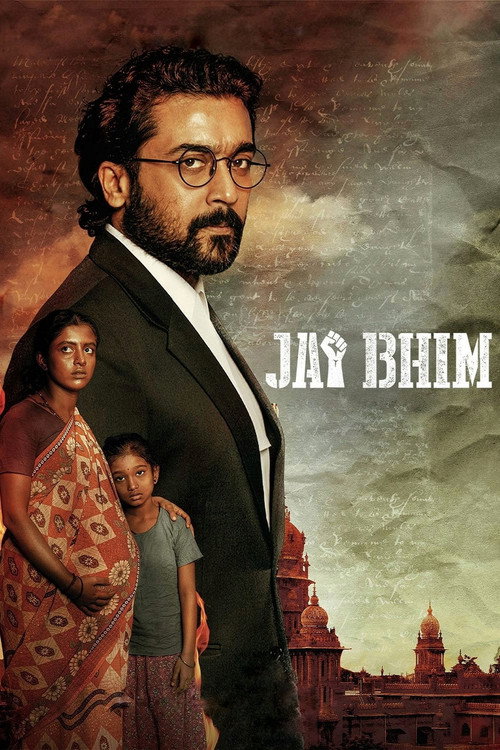
Jai Bhim2021
A modern film about systemic injustice and caste-based exploitation. It updates the themes of Damul for contemporary India, with the same sense of moral urgency.
But At over two hours, it can feel pedagogical at times, prioritizing explanation over ambiguity.
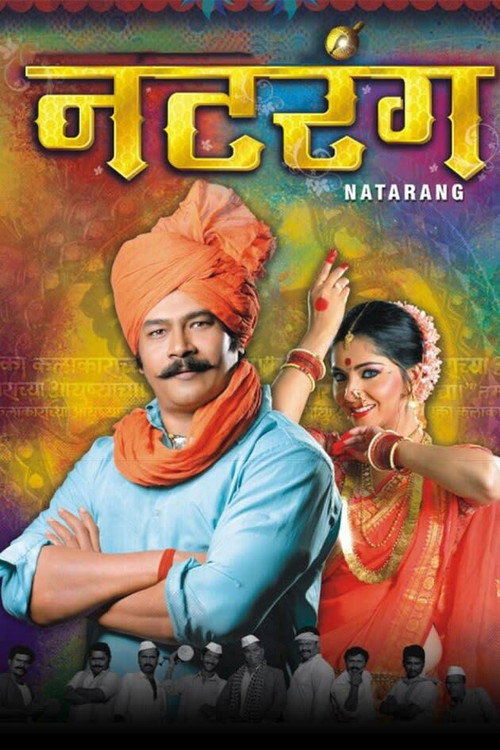
Natrang2010
A Marathi film about a theatre troupe navigating poverty and art. It shares Damul's interest in how systems constrain human flourishing, but with more humor and warmth.
But The theatrical elements and tone shifts might feel uneven if you're expecting something as consistently grave as Damul.
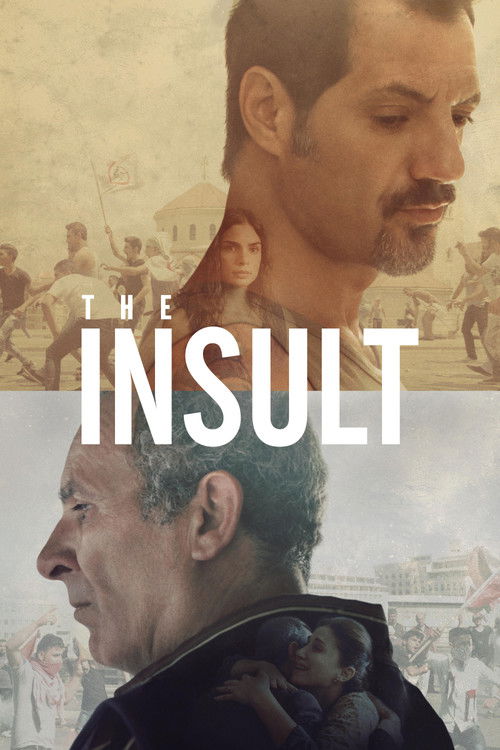
The Insult2017
Both films argue that individual morality is almost irrelevant when the system is rigged. The question isn't whether someone is good or bad—it's whether the system will allow them to survive at all.
A Lebanese courtroom drama about a collision between a wealthy Christian woman and a poor Palestinian refugee. Like Damul, it's about how class and systemic power determine everything—including who gets to be heard.
But It's a talky film set mostly in a courtroom, which is the opposite of Damul's visual storytelling. If you want action or movement, you won't find it here.
People
Cast
 Annu KapoorSanjeevan

 Manohar SinghMadho

Directing
- Prakash JhaDirector