
Film
Manthan
Manthan is a 1976 Indian drama about a veterinarian establishing a dairy cooperative in rural India, set against the real White Revolution that transformed the nation's milk production. It's a film about collective action and dignity, shot with documentary clarity but driven by individual moral conviction. Quiet, methodical, sometimes moving—for anyone interested in how real change happens.
Should you watch it?
Watch it if you like village-set drama where politics, money and caste are argued out in close-up, and you're happy to sit with slow, talky scenes that reward patience with real feeling.
Skip it if you need brisk plotting or a clear hero's arc, since this is a patient, dialogue-heavy film of around two and a quarter hours with a deliberately unglamorous rural texture.
What it asks of you: Settle in for a full-length, unhurried stretch where the conversations carry the weight, and the dusty village life around them must be watched closely rather than skimmed.
Not sure? Find tonight's pick in a minute.
If you liked this
Pather Panchali1955
Ray's masterpiece of rural India—intimate, specific, and refusing to either exoticise or patronise its characters. The same spiritual seriousness Manthan brings to its subject.
But The first film in a trilogy. Watching just one leaves you hanging, though it does stand alone reasonably well.

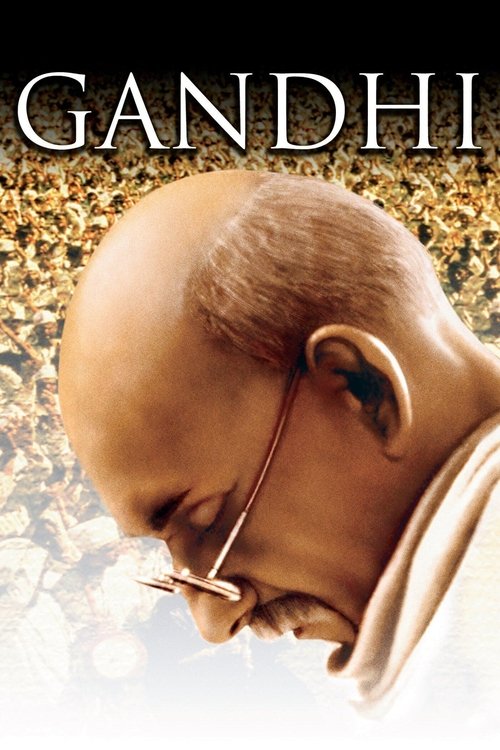
Gandhi1982
A film about large-scale social change driven by one person's conscience. Epic in scope but grounded in the quiet moral conviction that animates Manthan.
But Three and a half hours, and Attenborough's direction can feel portentous. The scale sometimes overwhelms the intimacy.
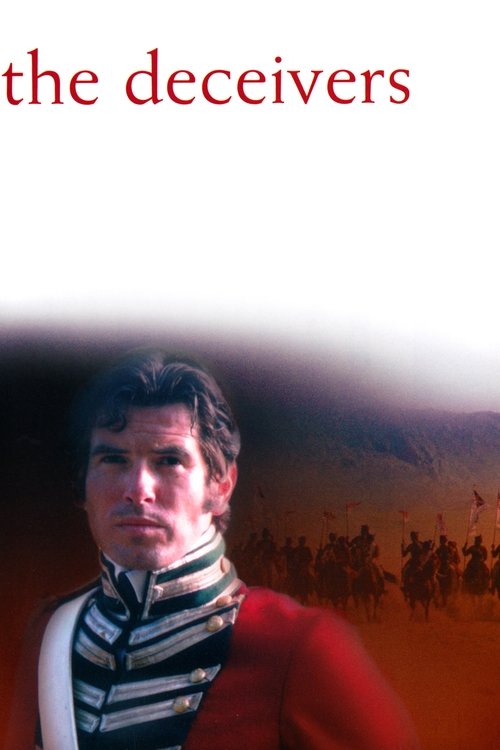
The Deceivers1988
Also set in rural India with many of the same cast members, exploring how outsiders attempt to reform village life. Similar textures and moral ambiguity.
But Less about collective action, more about individual heroism. A different register entirely from Manthan's collaborative spirit.
Not sure tonight? Get a pick in a minute, starting from Manthan
The wildcard
Something you would not have found on your own.
Stories We Tell2012
Both are concerned with how collective action is remembered and narrativised. Manthan was itself crowdfunded—funded by the very community whose story it tells.
Michael Madsen's essay on how we mythologise collective memory—told through archival footage and interviews about his own family. A meditation on how history becomes story, which is exactly what Manthan embodies.
But Formally experimental, very personal. Not about India, not about cooperatives. Requires you to extract the parallel yourself.

More like this (4)
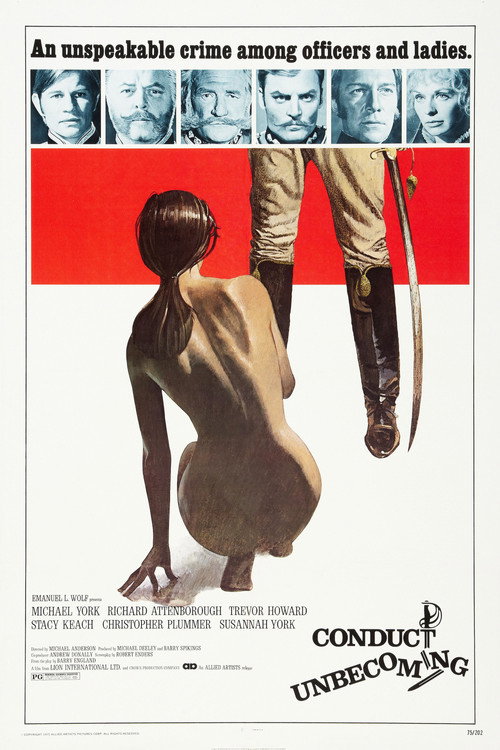
Conduct Unbecoming1975
A Hindi drama from the same era examining class and institutional corruption. Shot with similar documentary restraint and period authenticity.
But Harder to find than other recommendations here. Limited availability outside India.
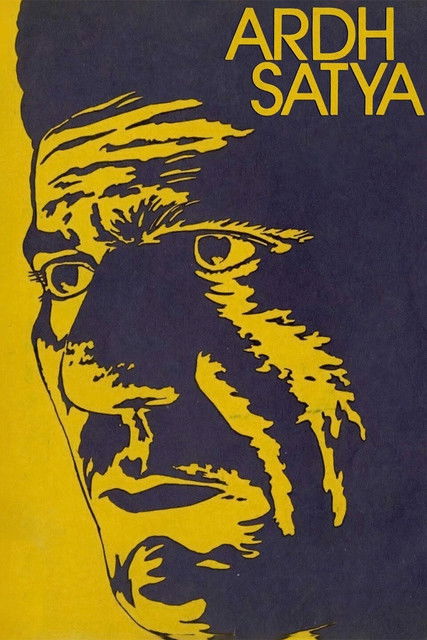
Ardh Satya1983
Naseeruddin Shah in a rawer, darker film about moral compromise in rural Maharashtra. Explores the same landscape of institutional change, but through corruption and violence.
But Intensely bleak. The opposite of Manthan's cautious optimism. Not a film that ends hopefully.
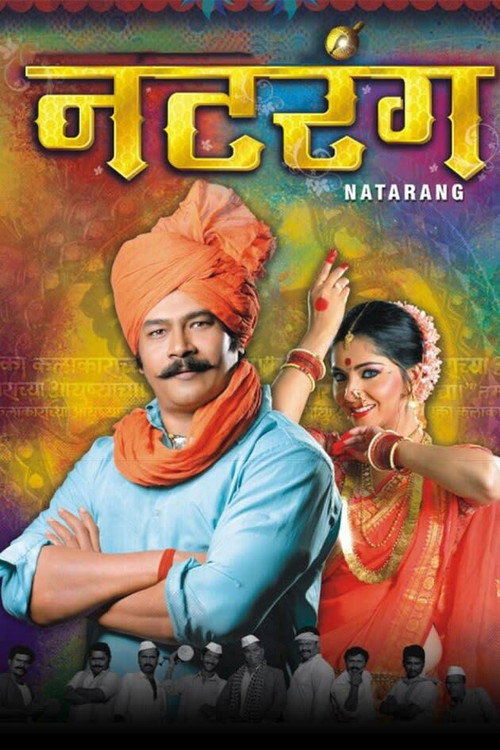
Natrang2010
A Marathi-language film about tradition and modernity in village life, with the same specificity and refusal to simplify rural experience that Manthan exemplifies.
But In Marathi with subtitles. The theatrical subplot may feel tangential if you're watching for social realism.
Samskara1970
A Kannada film from the same moment as Manthan, about a village transformed by the arrival of a new idea. Shares the moral seriousness and period texture.
But Abstract and philosophical. Less plot-driven even than Manthan. Might feel like watching ideas wrestle rather than a story unfold.

People
Cast
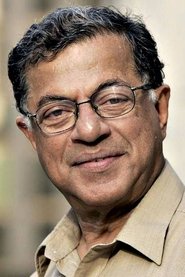 Girish KarnadDr. Manohar Rao
 Smita PatilBindu
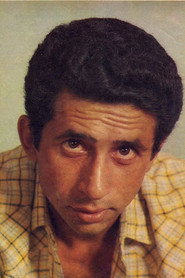 Naseeruddin ShahBhola
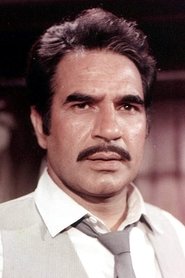 Kulbhushan KharbandaSarpanch
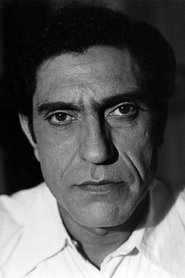 Amrish PuriGanga Prasad Mishra
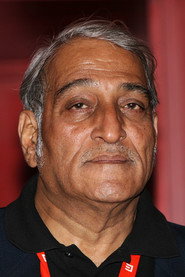 Mohan AgasheDeshmukh
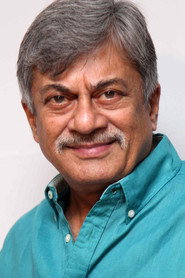 Anant NagChandavarkar
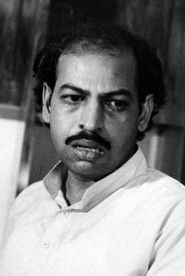
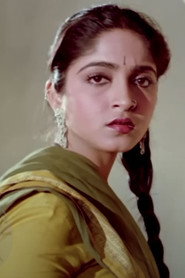
- Abha DhuliaShanta
Directing
- Dayal NihalaniAssistant Director
- Girish GhanekarAssistant Director
- Kalpana LajmiAssistant Director
- Prahlad KakarAssistant Director
- Shyam BenegalDirector
Writing
- Niti SagarLyricist
- Vijay TendulkarScreenplay
- Shyam BenegalStory
- Verghese KurienStory
- Kaifi AzmiWriter