
Film
Conduct Unbecoming
A 1975 court-martial mystery set in colonial India, where a young officer must defend a brother-in-arms against vicious accusations while the truth grows murkier. Michael York, Richard Attenborough, and Christopher Plummer anchor this ensemble examination of honor, prejudice, and institutional power. It's deliberately paced, morally complicated, and shot through with the specific dread of men in uniform facing ruin.
Should you watch it?
Watch it if you enjoy a stiff-upper-lip courtroom drama where the pleasure lies in watching gentlemen's codes buckle under pressure, much like the tight military procedure of Breaker Morant.
Skip it if you want brisk momentum, since much of the runtime is talky interrogation and regimental posturing, and the period rhythms can feel stagey and slow.
What it asks of you: Settle in for a measured, dialogue-heavy film of about 107 minutes, where attention to who says what in a hushed room matters more than action or spectacle.
Not sure? Find tonight's pick in a minute.
If you liked this
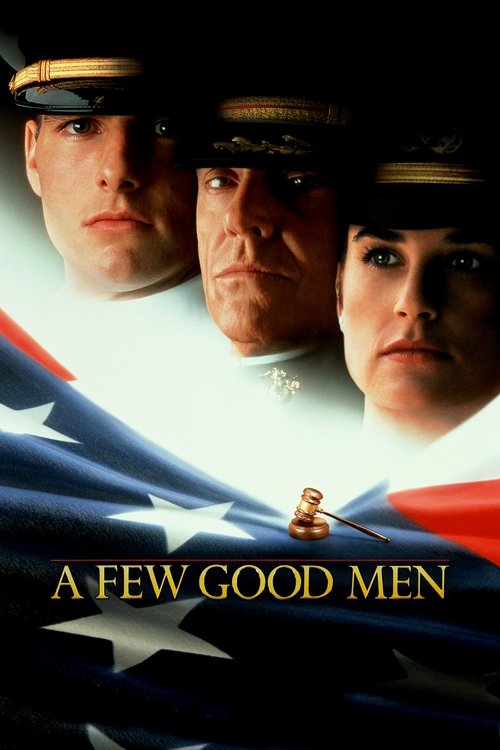
A Few Good Men1992
A military courtroom drama with teeth, where a defense lawyer must expose institutional corruption and groupthink. Faster-paced than Conduct Unbecoming but animated by the same moral urgency about what happens when hierarchy trumps justice.
But The famous monologue overshadows everything else, and it's been quoted to death. Also depends on your tolerance for Tom Cruise in sunglasses.
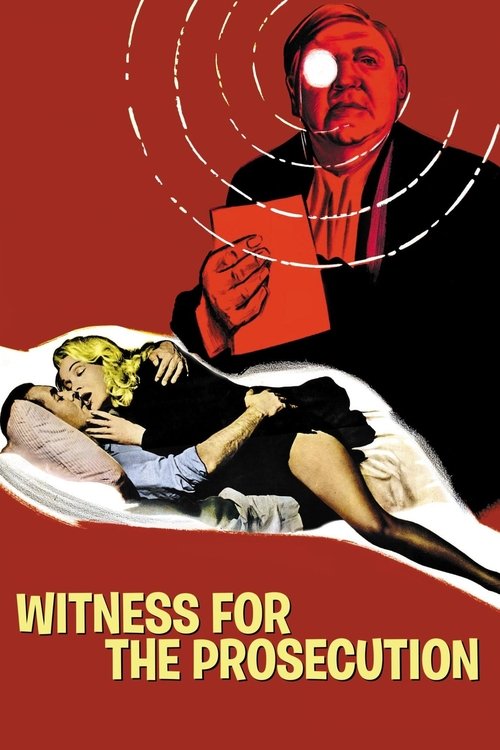
Witness for the Prosecution1957
Billy Wilder's masterpiece about a trial where nothing is what it seems. It shares Conduct Unbecoming's pleasure in watching careful men dismantle each other's certainties through cross-examination and revelation.
But Deliberately artificial in the best courtroom way—it plays like theater, not realism. Requires patience with its deliberate unspooling of clues.
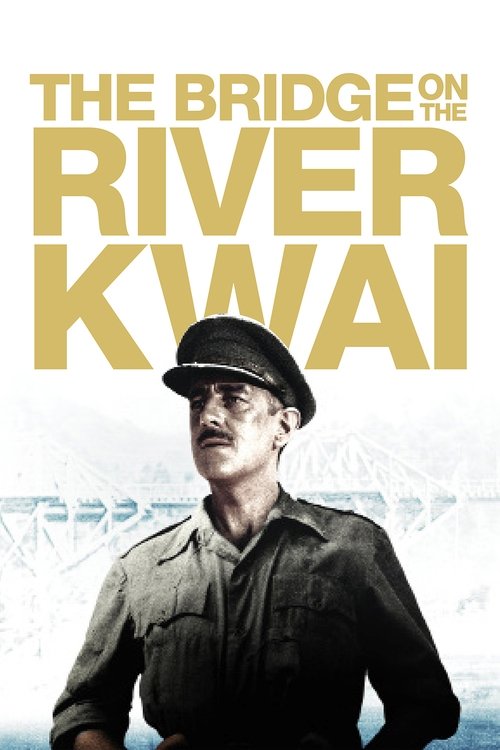
The Bridge on the River Kwai1957
Another epic about British officers in impossible colonial circumstances, grappling with duty, honor, and the question of whether following orders makes you complicit. David Lean's scope and ambition, but intimate character stakes.
But Nearly three hours and feels it. The philosophical arguments can overwhelm plot momentum if you're not in the mood for that particular conversation.
Not sure tonight? Get a pick in a minute, starting from Conduct Unbecoming
The wildcard
Something you would not have found on your own.
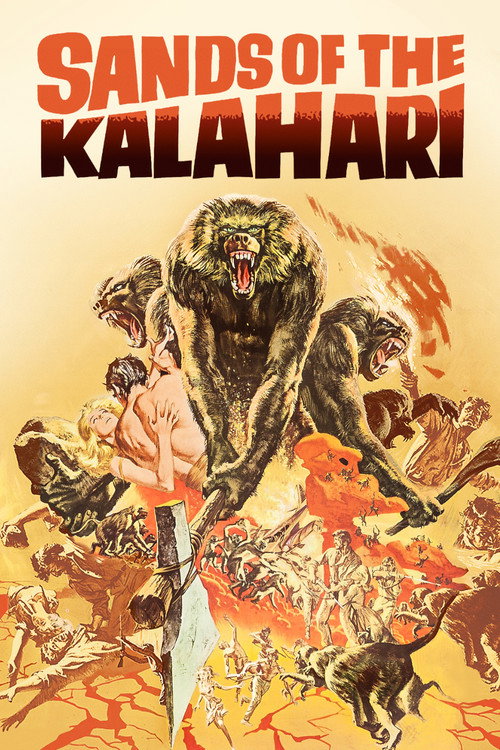
Sands of the Kalahari1965
Both examine honor and masculinity under duress; both ask whether civilized men are just wearing a costume that tears away.
A completely different genre—a survival film about plane crash survivors in the African desert—yet it shares Conduct Unbecoming's obsession with how hierarchy breaks down under pressure and men reveal their true natures. Michael York in a far more physical role, and the moral questions are equally sharp.
But The animal violence is genuine and uncomfortable. Also, the gender politics are appalling by modern standards and no amount of historical context fixes that.
More like this (7)
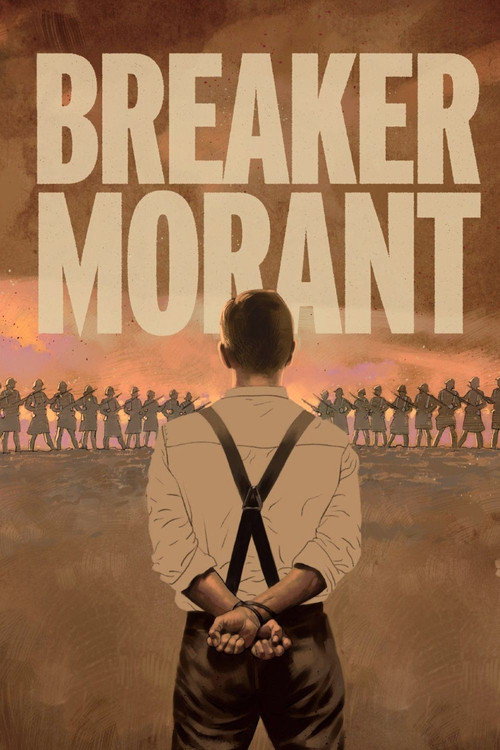
Breaker Morant1980
An Australian court-martial about soldiers scapegoated for their superiors' failures in the Boer War. It shares Conduct Unbecoming's fury at institutional betrayal and the way the guilty hide behind rank and protocol.
But Bleaker than you might expect. It ends badly and means to. Not a film that lets anyone off easy or offers comfort.
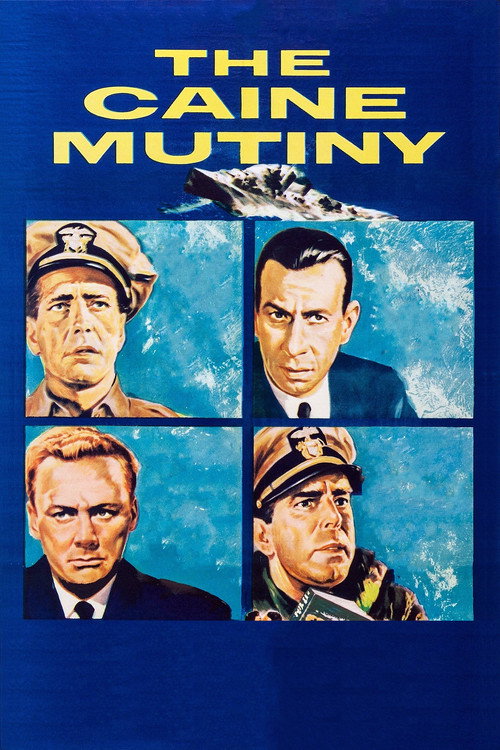
The Caine Mutiny1954
A naval courtroom drama where the trial itself becomes a referendum on loyalty, mental health, and whether obedience has limits. Humphrey Bogart is magnificent and the ensemble questioning of command mirrors Conduct Unbecoming's concerns.
But It pivots in its final act toward a conclusion some find morally troubling. The courtroom theatrics can feel overplayed to modern eyes.
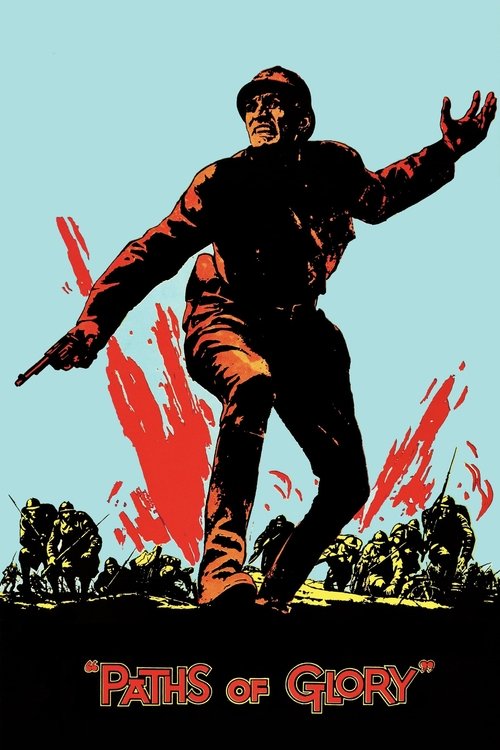
Paths of Glory1957
Kubrick's devastating indictment of military hierarchy and the way officers sacrifice their men for advancement. A courtroom sequence that builds unbearable tension by refusing to play the game by its own rules.
But Relentless and angry. There is no catharsis or clever legal maneuvering—the system wins and you feel it like a punch.
Ghosts... of the Civil Dead1988
An Australian film about institutional brutality inside a prison, shot with documentary severity. Operates in the same register as Conduct Unbecoming—systems grinding over individuals, power structures protecting themselves.
But Bleak, violent, and deliberately ugly to watch. Difficult subject matter handled without sentiment or mercy.
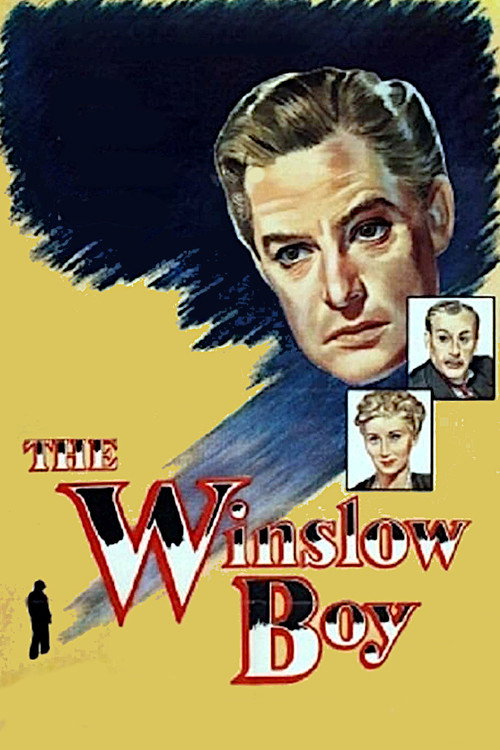
The Winslow Boy1948
A Terence Rattigan adaptation about a family fighting military injustice through the courts. Less about guilt than Conduct Unbecoming, more about the sheer stubbornness required to challenge institutional certainty.
But Very English, very restrained. The emotional stakes emerge slowly and some modern viewers find the pace glacial.
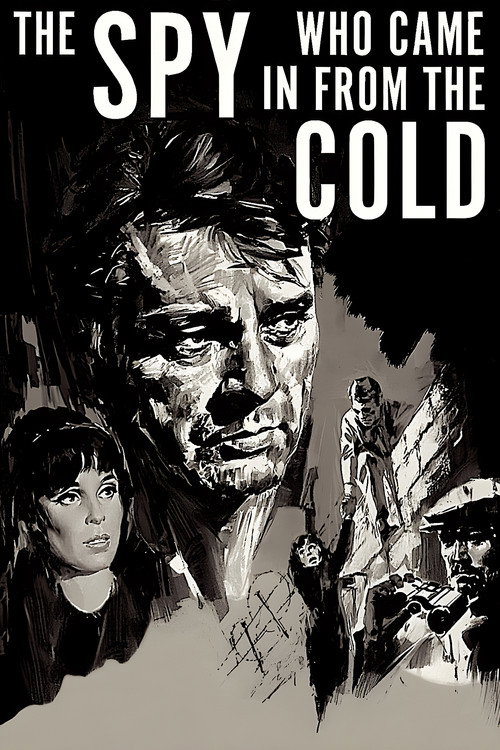
The Spy Who Came In from the Cold1965
Both understand that institutional power corrupts moral clarity; both end by suggesting the system survives and the individual is crushed.
Adapted from John le Carré, this is a Cold War thriller about espionage and institutional betrayal—but it's shot as a gray, moral inquiry rather than adventure. Burton's weariness and the film's refusal of catharsis echo Conduct Unbecoming's skepticism about loyalty and official narratives.
But Slow, talky, and deeply cynical. The action is minimal and the ending offers no victory or justice, only exhaustion. Requires faith in conversations over plot.
Stalker1979
Both are skeptical of institutional authority and certainty; both suggest that truth may be unknowable and that the systems meant to reveal it are themselves corrupted.
Andrei Tarkovsky's philosophical science fiction about three men on a journey into a mysterious zone. Absolutely nothing like a courtroom drama except in one crucial way: it's a sustained meditation on whether desire corrupts truth, and whether we can trust anyone's certainty about anything.
But Nearly three hours, almost no plot, almost no dialogue. Shot in Russia, subtitled, in black and white for much of it. Requires a specific patience and mood.

People
Cast
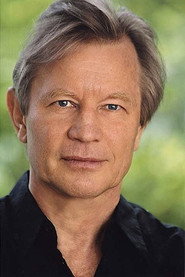 Michael York2nd Lieutenant Arthur Drake
 Richard AttenboroughMajor Lionel E. Roach
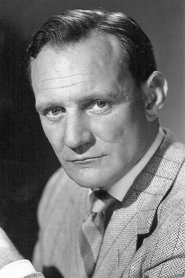 Trevor HowardColonel Benjamin Strang
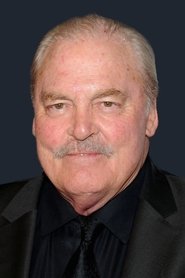 Stacy KeachCaptain Archer
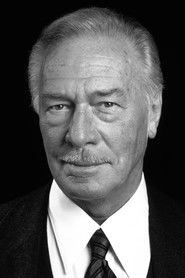 Christopher PlummerMajor Alastair Wimbourne
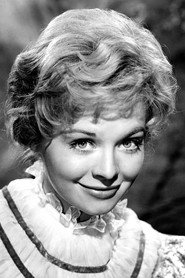 Susannah YorkMarjorie Scarlett
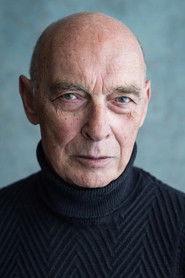 James Faulkner2nd Lieutenant Edward Millington
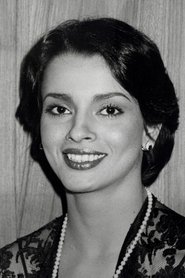 Persis KhambattaMrs. Bandanai
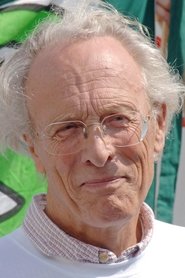 Michael CulverLt. Richard Fothergill
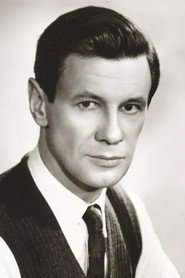 James DonaldThe Doctor
- Rafiq AnwarPradah Singh
 Helen CherryMrs. Strang
Directing
- Michael AndersonDirector
Writing
- Barry EnglandWriter
- Robert EndersWriter
Production
- Andrew DonallyProducer
- Barry SpikingsProducer
- Michael DeeleyProducer