
Film
The Bridge on the River Kwai
David Lean's sprawling, sweat-soaked war epic asks what happens when principle curdles into ego. Alec Guinness's Colonel Nicholson is magnificent and monstrous, a study in dignity gone wrong. It's stately, suspenseful, and quietly devastating, building to one of cinema's great final images. For anyone who wants their war films to be about pride and folly as much as bullets and heroism.
If you liked this
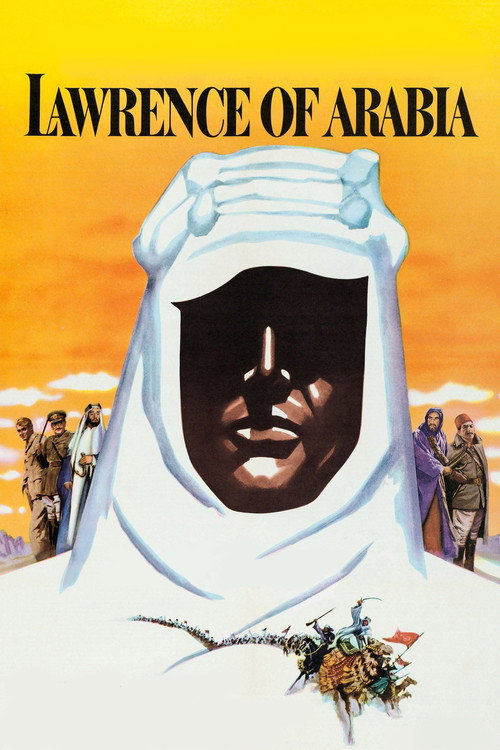
Lawrence of Arabia1962
Same director, same widescreen desert grandeur, same fascination with a charismatic man undone by his own myth-making — Lean's next epic is even bigger and just as morally slippery.
But Nearly four hours long, and its hero is even more opaque and unknowable than Nicholson.
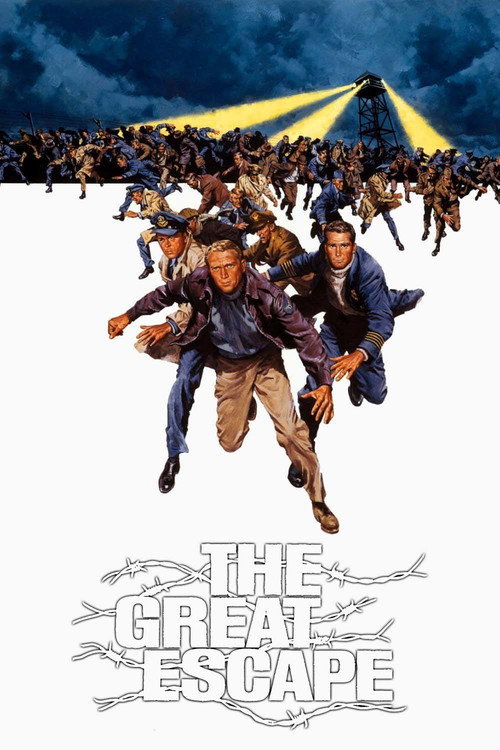
The Great Escape1963
If you want more stiff-upper-lip POWs outwitting their captors, this is the gung-ho, star-studded cousin — funnier, faster, and far less interested in moral shading.
But Trades Kwai's psychological depth for pure escapist adventure; the tunnel-digging swagger can feel a little too jaunty given the stakes.
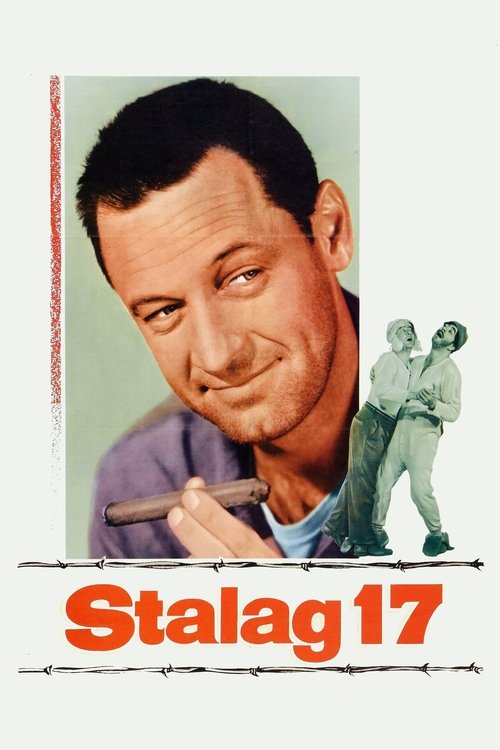
Stalag 171953
William Holden again, this time as a cynical operator in a German POW camp, in a film that mixes dark comedy with real tension about who you can trust.
But Billy Wilder's tone is sharper and snarkier than Lean's — less epic, more barbed comedy of survival.
The wildcard
Something you would not have found on your own.
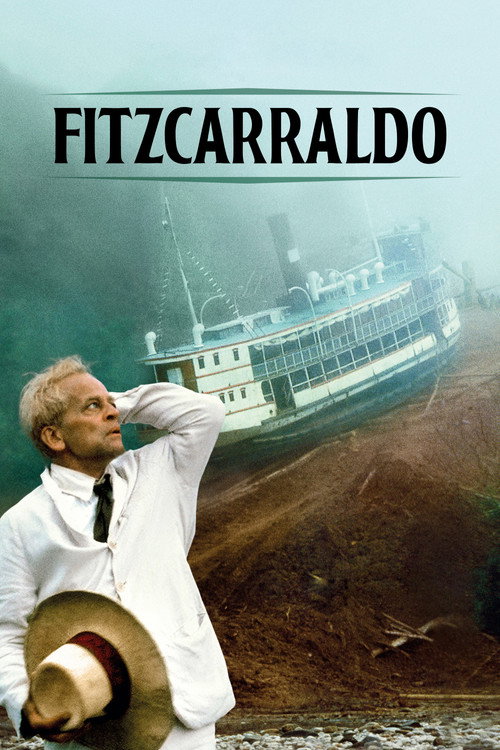
Fitzcarraldo1982
Both are about a man's obsessive, almost holy devotion to an impossible engineering feat in a hostile jungle, mistaking his own monument-building for virtue — Guinness's bridge and Kinski's steamship are cousins in delusion.
Werner Herzog actually hauled a steamship over a mountain to shoot this, and Klaus Kinski's unhinged intensity makes the obsession feel dangerously real, not metaphorical.
But Slower, stranger, and far less concerned with plot — this is myth and madness, not narrative suspense.
More like this (8)
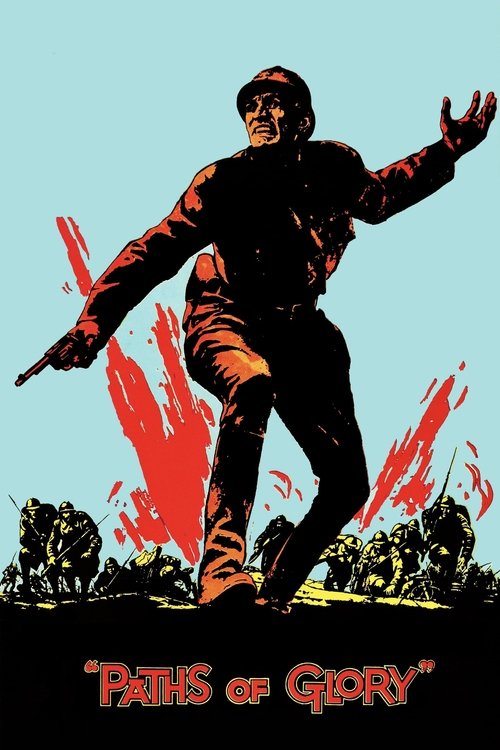
Paths of Glory1957
Kubrick's lean, furious WWI drama shares Kwai's disgust at officers who value institutional pride over the men beneath them, minus any grandeur to soften the blow.
But Bleak and unforgiving from start to finish, with none of Kwai's scenic sweep or dark humor to leaven it.
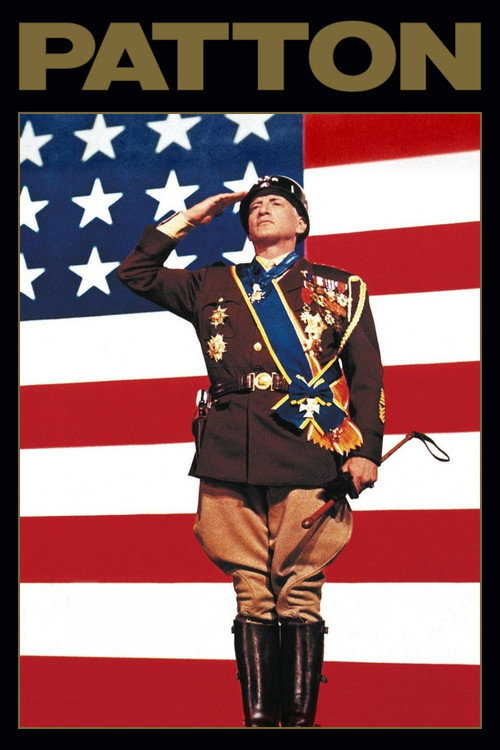
Patton1970
Another towering performance built entirely on a commander's need to prove something to history — George C. Scott is just as magnetic and just as terrifying.
But More conventional biopic momentum, less interested in the corrosive irony that makes Nicholson so uncomfortable to watch.
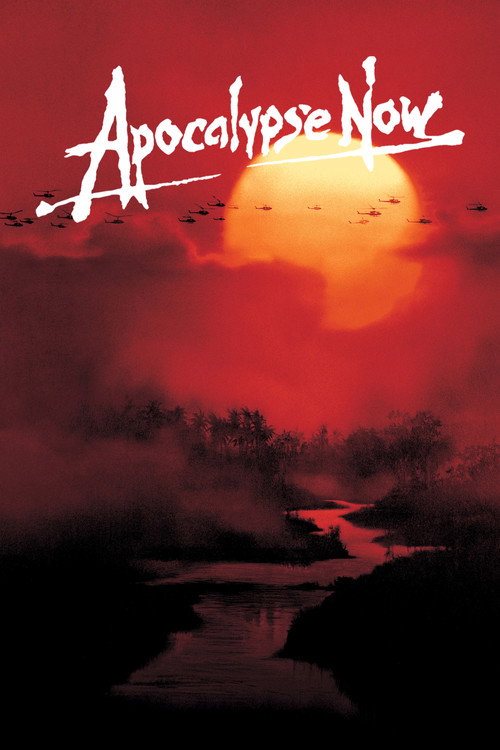
Apocalypse Now1979
If Kwai is about a man losing himself to duty, this is about men losing themselves to war itself — escalation from professionalism to madness, filmed as fever dream.
But Far more hallucinatory and disorienting; this isn't a tidy morality tale, it's an assault on the senses.
King Rat1965no page yet
A leaner, meaner POW story where survival trumps honor entirely — James Fox's schemer is the anti-Nicholson, and just as interested in what captivity does to character.
But Grubbier and more cynical, with none of the visual splendor or musical whistling to soften the mood.
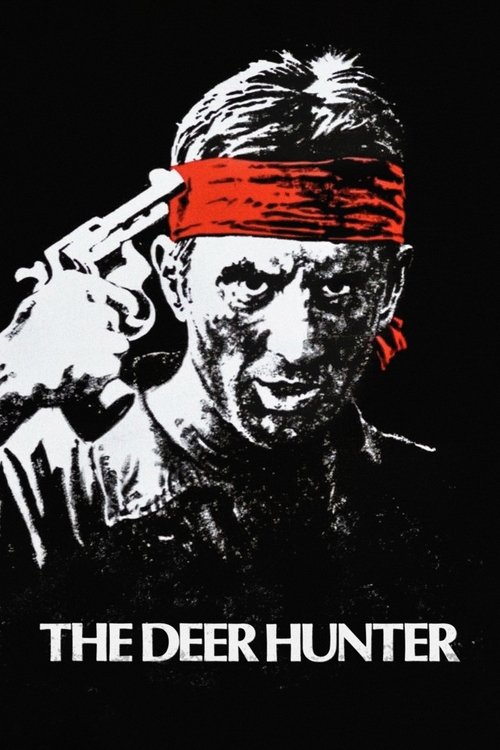
The Deer Hunter1978
Another long, patient film about ordinary men transformed by captivity and war, with a shattering final act that earns every minute of its slow build.
But Vietnam-era and much rawer emotionally — this one leaves bruises Kwai never intends to.
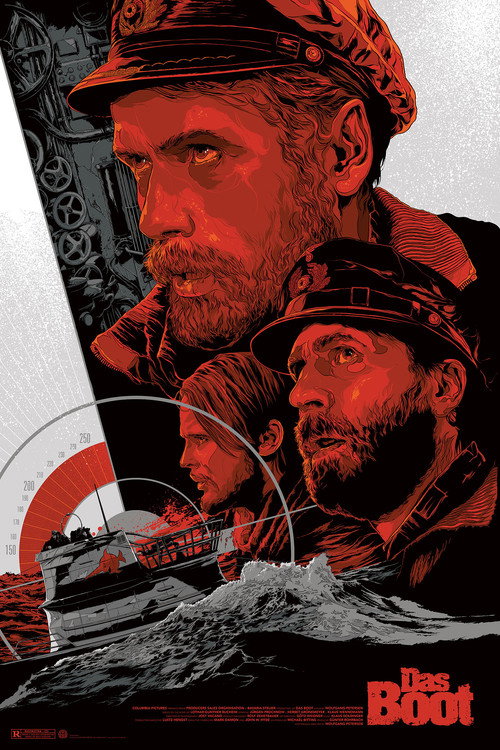
Das Boot1981
Swap the jungle for a U-boat and the British for Germans, and you get the same claustrophobic study of duty, pride, and the machinery men build to serve a war they can't control.
But Subtitled and submarine-bound; the confinement is total, with none of Kwai's sprawling vistas.
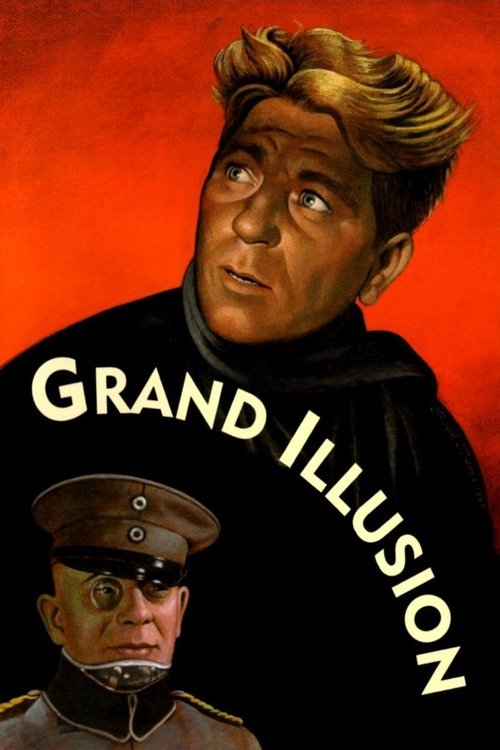
Grand Illusion1937
Renoir's WWI film invented the genteel, honor-bound POW drama two decades before Kwai — the same fascination with class, decency, and the absurd courtesies officers extend to their enemies runs through both.
A gorgeous, humane early classic that treats captivity as a stage for grace and dignity rather than horror, with a tenderness that quietly rebukes the idea of war as glory.
But Black-and-white, subtitled, and gentler in pace — this is empathy over spectacle, and some will miss the fireworks.
Tenko1981no page yet
Same setup, wildly different vantage point — British women interned by the Japanese, wrestling with the same questions of dignity, complicity, and what captivity does to character, stretched across a whole series instead of one bridge.
A quietly brilliant, underseen BBC drama that gives POW life the long-form attention a two-hour film can't, with sharp writing about hierarchy and survival among the women left out of most war stories.
But Early-80s TV pacing and production values ask patience a modern viewer used to prestige TV might not expect to give.
People
Cast
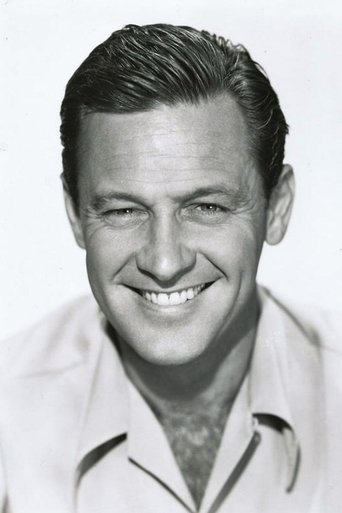 William HoldenCmdr. Shears
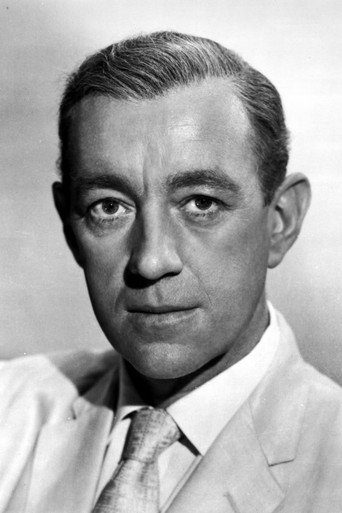 Alec GuinnessCol. Nicholson
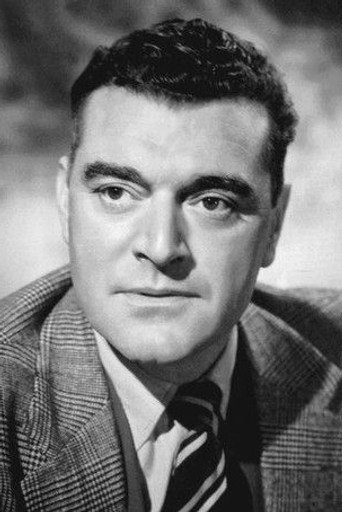 Jack HawkinsMaj. Warden
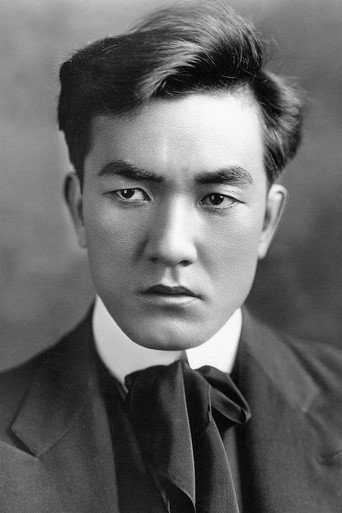 Sessue HayakawaCol. Saito
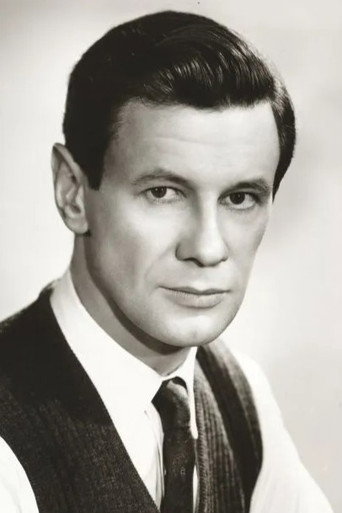 James DonaldMaj. Clipton
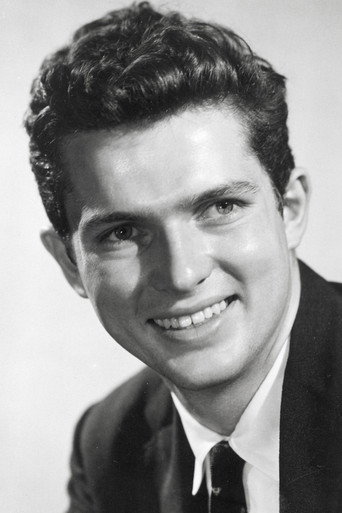 Geoffrey HorneLt. Joyce
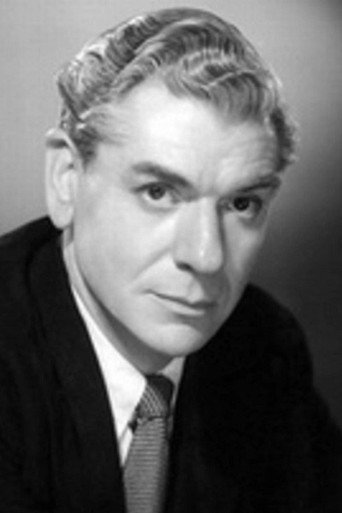 André MorellCol. Green
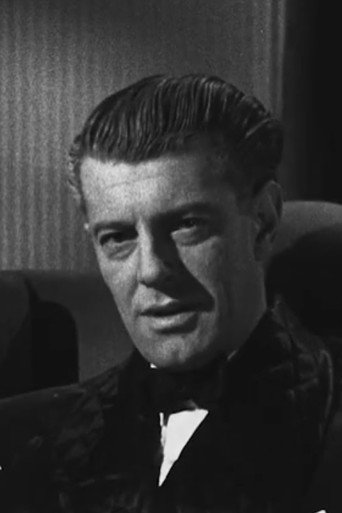 Peter WilliamsCapt. Reeves
- John BoxerMajor Hughes
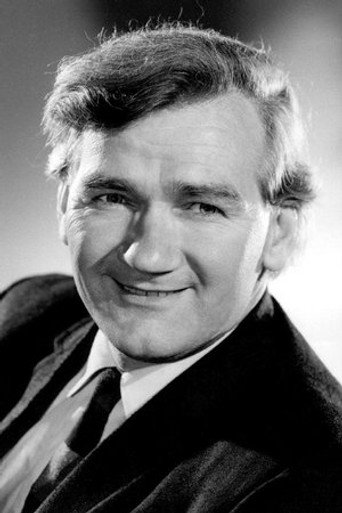 Percy HerbertGrogan
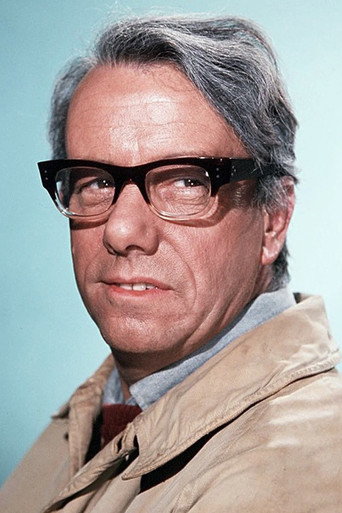 Harold GoodwinBaker
 Ann SearsNurse
Directing
- Gus AgostiAssistant Director
- Ted SturgisAssistant Director
- Angela MartelliContinuity
- David LeanDirector
- A. B. RajSecond Unit First Assistant Director
Writing
- Pierre BoulleNovel
- Carl ForemanScreenplay
- Michael WilsonScreenplay
Production
- Sam SpiegelProducer
- Cecil F. FordProduction Manager
Recommended by
Fargo, The Great Escape, Papillon, Lawrence of Arabia, The Man Who Would Be King, The African Queen, Empire of the Sun, The Caine Mutiny, The Wind Rises, The Life and Death of Colonel Blimp, Grand Illusion, Stalag 17, Fitzcarraldo, The Human Condition I: No Greater Love, In Which We Serve, Land of Mine