
Film
Hamburger Hill
- War action
- Very dark
- Relentless
A brutal, unvarnished account of fourteen American soldiers fighting for a worthless Vietnamese hilltop in 1969. Hamburger Hill is a grit-and-blood procedural about exhaustion, camaraderie, and the grinding horror of trench warfare. It asks nothing of you but attention and a strong stomach. For anyone who wants to understand what Vietnam actually felt like to the men who fought it.
Should you watch it?
Watch it if you want a grunt's-eye view of infantry combat that trades speculation for mud, exhaustion and squad-level chaos, and you're fine with a film that never pauses to explain the war.
Skip it if you need distinct characters to follow, since the men blur together in the mud and the film keeps its eye on the assault rather than on their lives.
What it asks of you: Expect 110 minutes that spends most of its runtime in sustained, punishing sequences of mud, noise and fatigue, with little breathing room between assaults.
Not sure? Find tonight's pick in a minute.
If you liked this
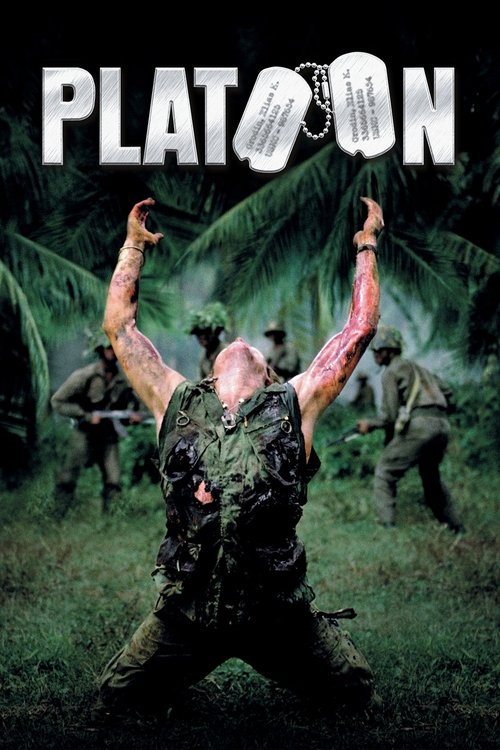
Platoon1986
Oliver Stone's visceral Vietnam epic that set the template for war films about moral confusion and survival. If you want the same era and intensity, this is the immediate predecessor that defined the genre.
But Stone's more interested in symbolic struggle than character specificity. Some moments feel didactic rather than lived.
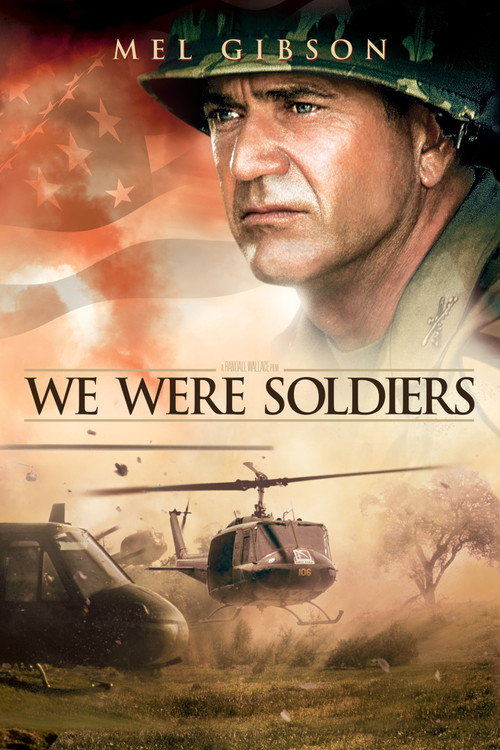
We Were Soldiers2002
Another battle-focused Vietnam film that refuses sentimentality, following a cavalry unit through one day of nightmare logistics and valor. Brutal and clear-eyed about the cost of small tactical victories.
But Mel Gibson's presence and some of the home-front material soften what could have been harder. Occasionally slips toward the mythic.
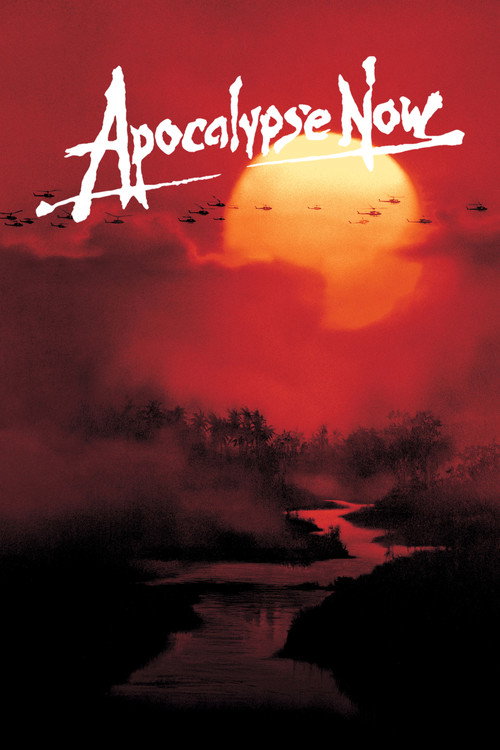
Apocalypse Now1979
Coppola's hallucinogenic descent into Vietnam's madness. Utterly different in tone and method from Hamburger Hill, but obsessed with the same question: what does war do to men?
But It's a fever dream, not a clarification. You need to be in the mood for baroque strangeness rather than clarity.
Not sure tonight? Get a pick in a minute, starting from Hamburger Hill
The wildcard
Something you would not have found on your own.
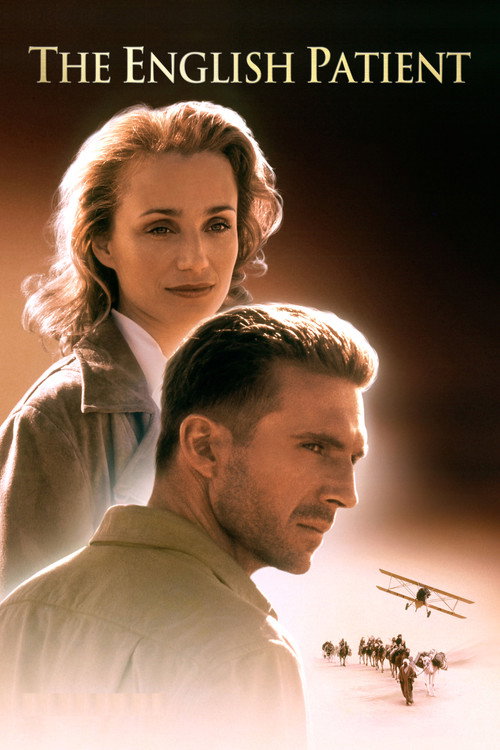
The English Patient1996
Both structured around a single military engagement, but one treats it as the total subject and the other as context for private feeling.
A lavish, non-linear love story set partly in North Africa during WWII. The connection: both films are structured around a single battle—but English Patient uses it as backdrop for intimacy and memory, where Hamburger Hill uses it as the whole foreground. They're inverted approaches to how war becomes story.
But At nearly three and a half hours, it moves by emotional logic rather than plot momentum. If you want action propulsion, this will feel glacial and sentimental.
More like this (8)
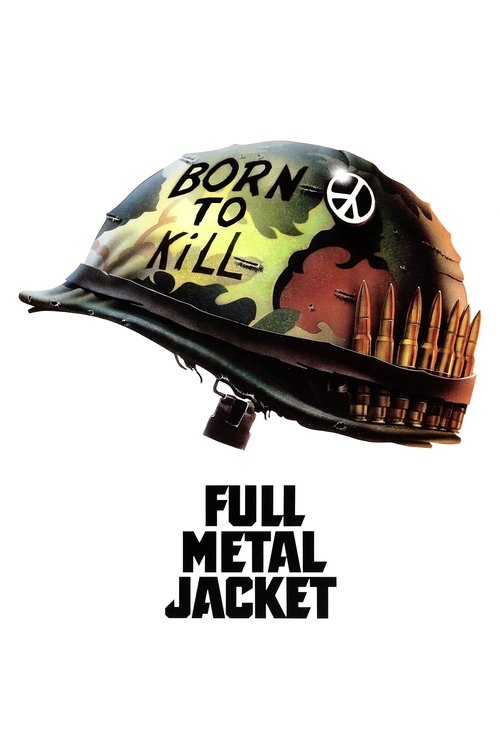
Full Metal Jacket1987
Kubrick's two-part machine for understanding how soldiers are made and unmade. The boot camp half is nearly perfect. Shares Hamburger Hill's refusal to prettify the machinery of war.
But The Vietnam half is visibly a set and feels less alive. Some sexual violence that some viewers find gratuitous rather than necessary.
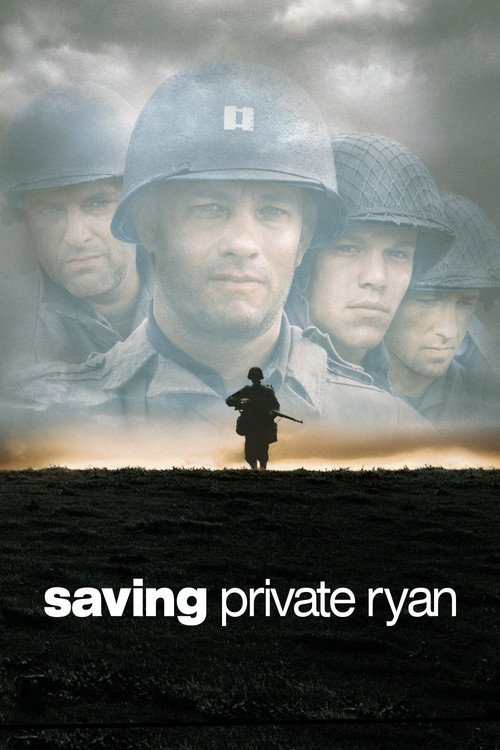
Saving Private Ryan1998
Spielberg's technically masterful recreation of the Omaha Beach landing and its aftermath. Visceral combat that influenced how war is shot, and a meditation on what victory actually costs.
But The framing story softens the ambiguity. The film occasionally verges on saying too much instead of letting you sit in the horror.
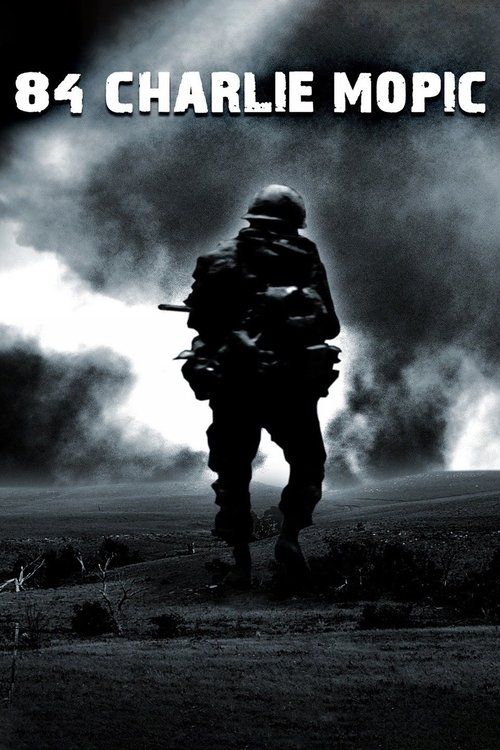
84 Charlie Mopic1989
A small, exact film about a six-man reconnaissance team in Vietnam. Less known than it deserves, more focused on the psychological weight of constant danger than on big set pieces.
But Lower budget means less cinematic sweep. Some viewers find it too quiet to be gripping.
Come and See1985
A Soviet film about a boy conscripted into WWII. The most unsparing war film ever made—it doesn't judge, doesn't comfort, just shows what warfare does to the human animal.
But It is genuinely difficult to watch. The final sequence may be the hardest thing on film. Not a film you enjoy; it's a film you endure and are changed by.

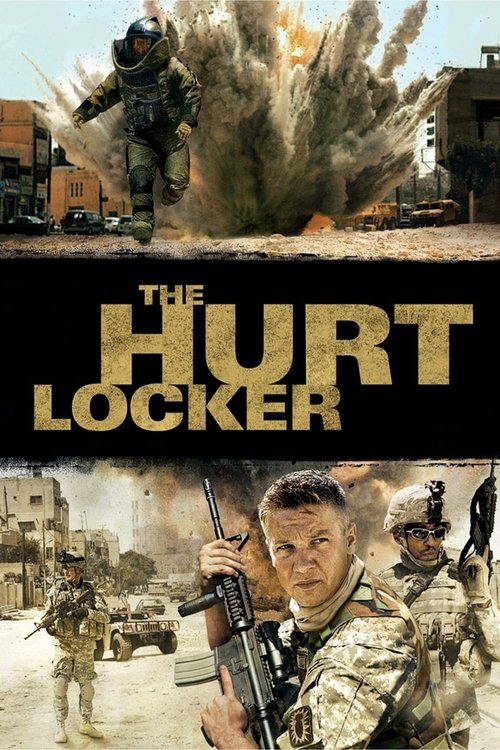
The Hurt Locker2008
A taut, almost procedural account of a bomb-disposal expert in Iraq. Less ensemble than Hamburger Hill, but equally focused on the mundane brutality of staying alive in an incomprehensible conflict.
But Some critics argue the politics are muddled and the protagonist's psychology simplified. The action can overshadow character.
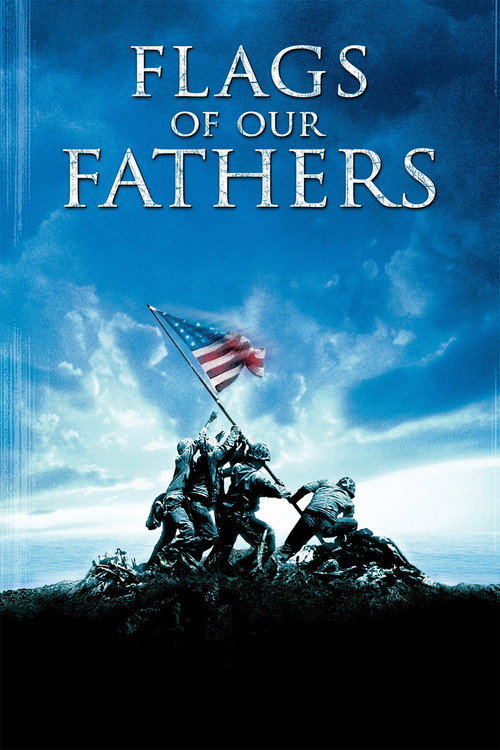
Flags of Our Fathers2006
Eastwood's examination of Iwo Jima and the mythology that grew around it. Interested in the gap between what soldiers experience and what gets told about them.
But Splits its attention between battle and home-front PR machinery. Some find the parallel structure confusing rather than deepening.
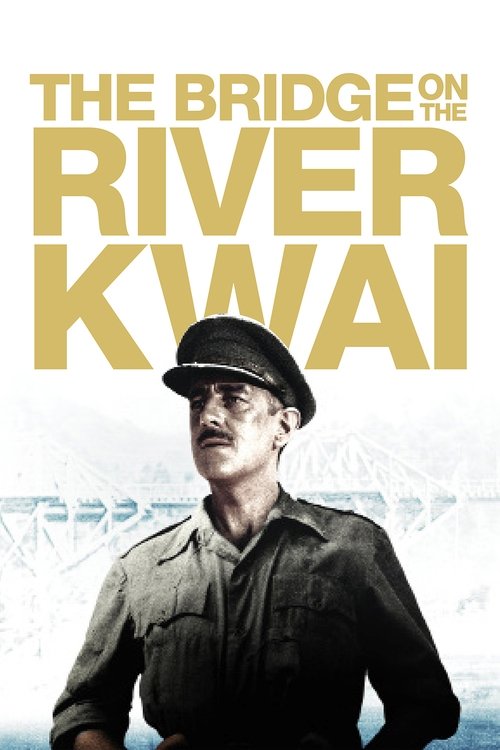
The Bridge on the River Kwai1957
Both examine how men bond and maintain dignity under systematic dehumanization. One is intimate and modern, the other is classical and distant—but the core question is identical.
David Lean's WWII epic about British prisoners and the bridge they're forced to build. It's fascinated by the same theme: how discipline, duty, and fellowship form under conditions of extremity. Made in a completely different idiom—widescreen, classical—but asking identical questions.
But It's a studio film from 1957, which means it has a removed, almost Shakespearean quality. If you want gritty verisimilitude, the lush cinematography and heroic framing might feel false.
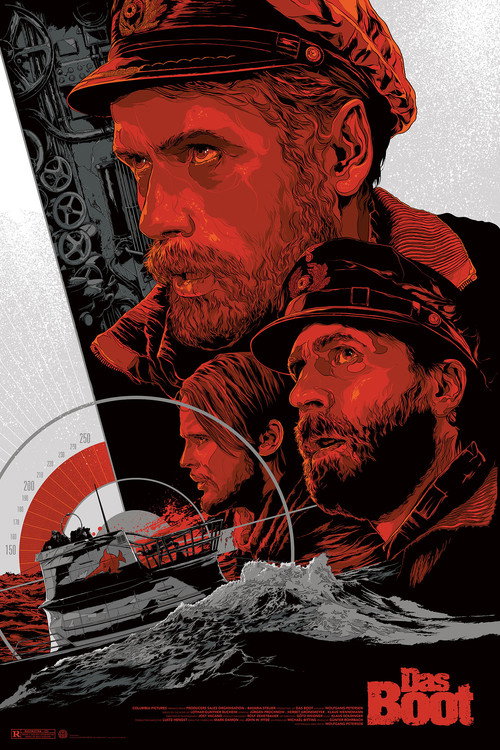
Das Boot1981
Both treat soldiers on either side as fully human and equally worthy of attention. Both make you identify across enemy lines rather than along ideological ones.
A German film (in German) about a U-boat crew in WWII. Claustrophobic and precise, it builds tension without spectacle. The connection: both are ethnographic films about combat that refuse to distinguish between 'us' and 'them'—the humanity of the soldiers matters more than whose side they're on.
But It's subtitled and slow-building. The second half slackens. Some find the intimacy with German soldiers uncomfortable, and that discomfort is the point—which isn't the same as being entertaining.
People
Cast
 Dylan McDermottSgt. Adam Frantz
 Steven WeberSfc. Dennis Worcester
 Tim QuillPvt. Joe Beletsky
 Michael BoatmanSpc Motown
 Anthony BarrilePvt Vincent 'Alphabet' Languilli
 Don CheadlePvt. Washburn
 Courtney B. VanceSpc. Abraham 'Doc' Johnson
 Tommy SwerdlowPvt. Martin Bienstock
 Tegan WestLt. Terry Eden
 Daniel O'SheaSPC Gaigin
 Harry O'ReillySpc. Michael Duffy
 Michael DolanSpc Murphy
Directing
- John IrvinDirector
Writing
- James CarabatsosScreenplay
Production
- Mary ColquhounCasting
- Jerry OffsayExecutive Producer
- James CarabatsosProducer
- Marcia NasatirProducer
Recommended by
Apocalypse Now, Platoon, We Were Soldiers, Casualties of War, Tour of Duty, The Big Red One, Sands of Iwo Jima, Dear America: Letters Home from Vietnam, A Bright Shining Lie, 84 Charlie Mopic, Navy Seals, The Lost Battalion, The Green Berets, Heartbreak Ridge, Pork Chop Hill, The Boys in Company C, The Naked and the Dead, Tigerland, Hell Is for Heroes, Go Tell the Spartans, Combat!, Bravo Two Zero