
Film
Hell Is for Heroes
- War drama
- War action
- Very dark
A lean, tense 1962 war film where a small squad of exhausted GIs must hold an impossibly wide front against the German Siegfried Line through deception and grit. Steve McQueen commands the screen as a soldier caught between survival, pride, and a desperate solo mission. It's intimate rather than epic—a character study wrapped in the machinery of combat.
If you liked this
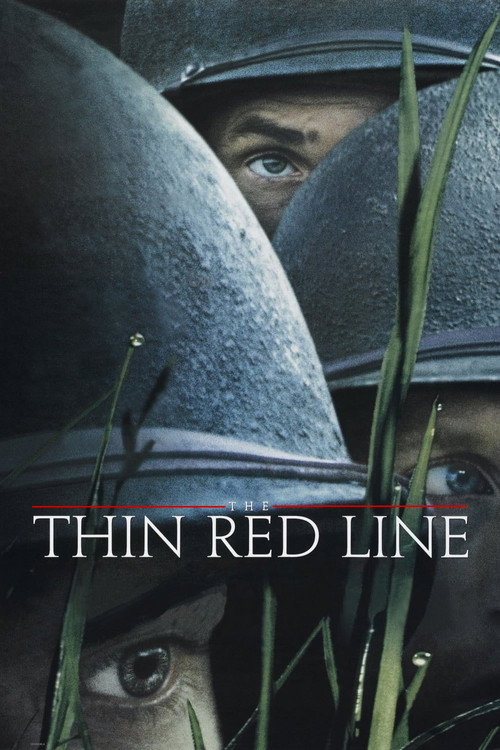
The Thin Red Line1998
Terrence Malick's sprawling meditation on combat, mortality, and the self amid chaos. Like Hell Is for Heroes, it finds philosophy in the trenches and refuses to make war simple or glorious.
But At nearly three hours and deeply introspective, it moves at a philosophical rather than narrative pace. Some find it beautiful; others find it self-indulgent.
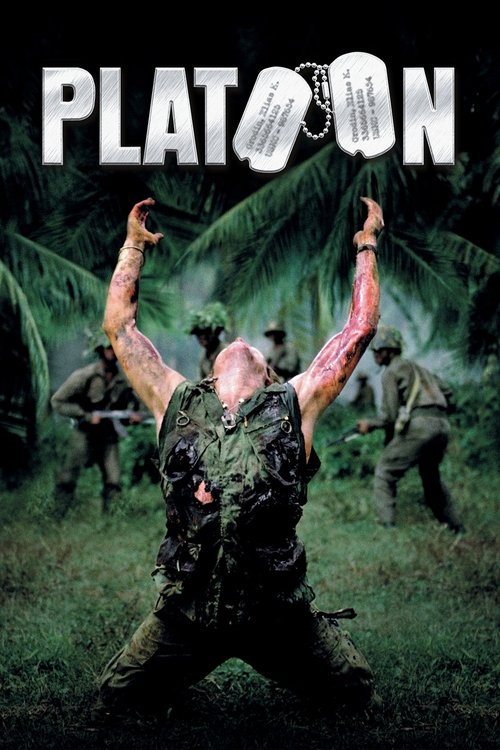
Platoon1986
Oliver Stone's visceral, personal account of Vietnam infantry life. Raw performances and a focus on small-unit dynamics and moral ambiguity—the same ground Hell Is for Heroes covers with 1962 restraint.
But Brutally graphic violence and a bleak worldview. The film doesn't offer comfort or easy answers about combat or leadership.
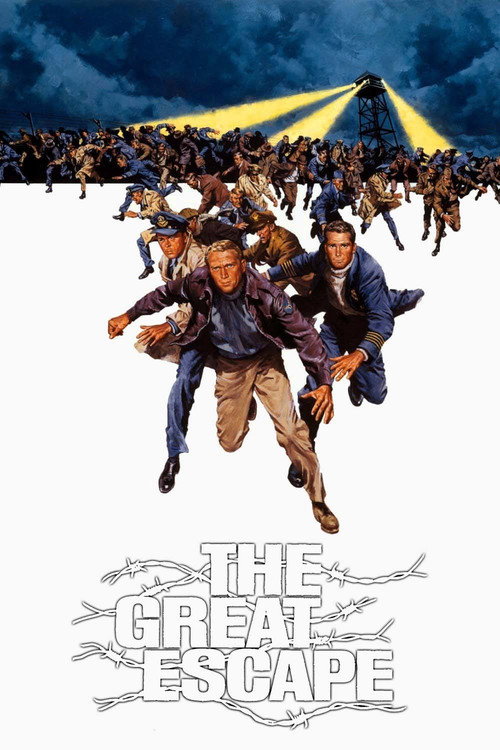
The Great Escape1963
McQueen again, leading a ensemble cast through meticulous planning and execution. It has the same blend of tactical ingenuity, camaraderie under pressure, and one man's refusal to accept defeat.
But Longer and more of a heist-adventure than a war drama. The tone is lighter, almost playful at times, which shifts the emotional stakes.
Not sure tonight? Get a pick in a minute, starting from Hell Is for Heroes
The wildcard
Something you would not have found on your own.
Come and See1985
Both films center a single soldier's journey through fire and moral reckoning, but Come and See abandons narrative control to show what Hell Is for Heroes implies: the shattering of the self.
Elem Klimov's apocalyptic, hallucinatory portrait of a Soviet boy soldier on the Eastern Front. It's a war film that abandons realism for psychological trauma—the inverse of Hell Is for Heroes' lean, controlled manner, but mining the same depths of what combat does to a person.
But One of the most difficult films ever made. Not just violent but profoundly nauseating; it's designed to break you. Many viewers cannot finish it.

More like this (8)
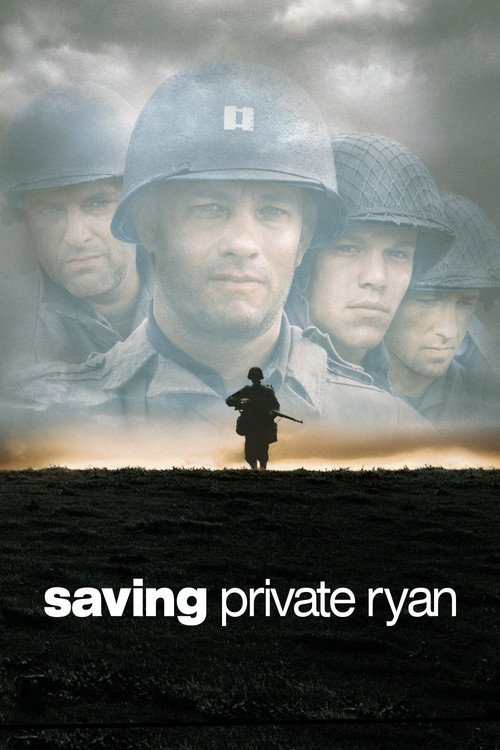
Saving Private Ryan1998
Spielberg's unflinching portrait of infantry combat and the mission that drives men forward. Like Hell Is for Heroes, it's concerned with the cost of orders and the weight of command at squad level.
But The opening sequence is extraordinarily violent and traumatic. Some find the later portions sentimental compared to the opening's raw power.
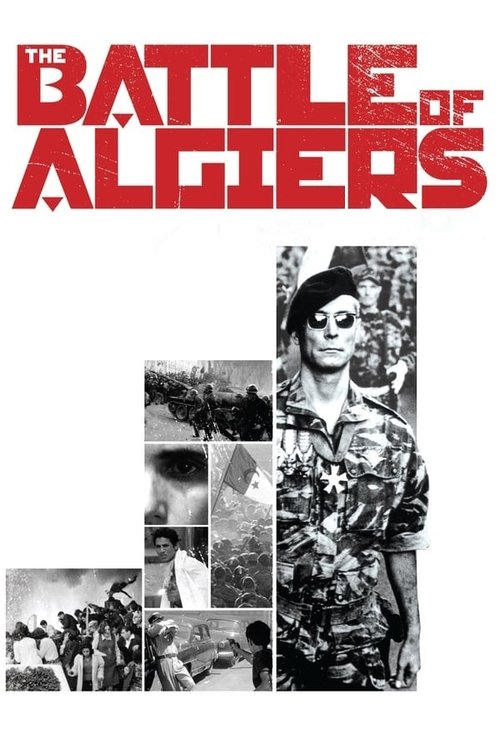
The Battle of Algiers1966
A masterclass in suspense and asymmetric warfare. Though set in a different conflict, it shares Hell Is for Heroes' interest in small groups improvising under impossible odds and the moral questions that arise.
But Shot in documentary style, deliberately artificial-looking. It's about insurgency, not traditional soldiering, which may feel oblique if you want conventional war action.
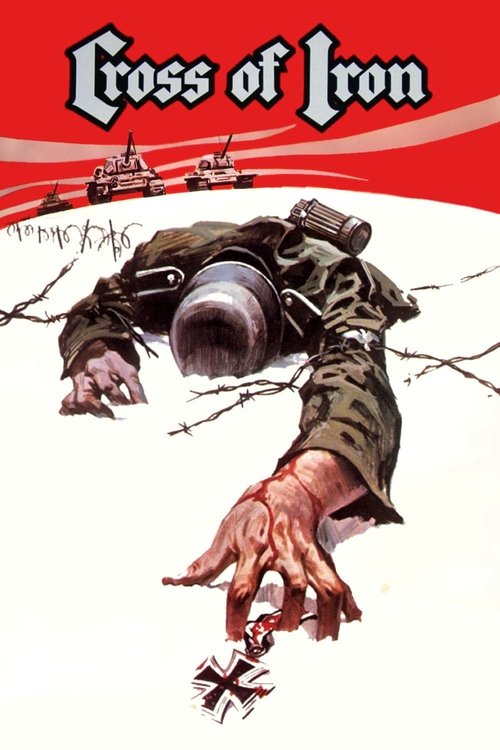
Cross of Iron1977
Sam Peckinpah's brutal Eastern Front drama. McQueen's grim competence echoes here—a study of a soldier's integrity tested by command, survival, and the machinery of war.
But Extremely violent and nihilistic. Peckinpah's style is showy and can feel dated. It's punishing rather than cathartic.
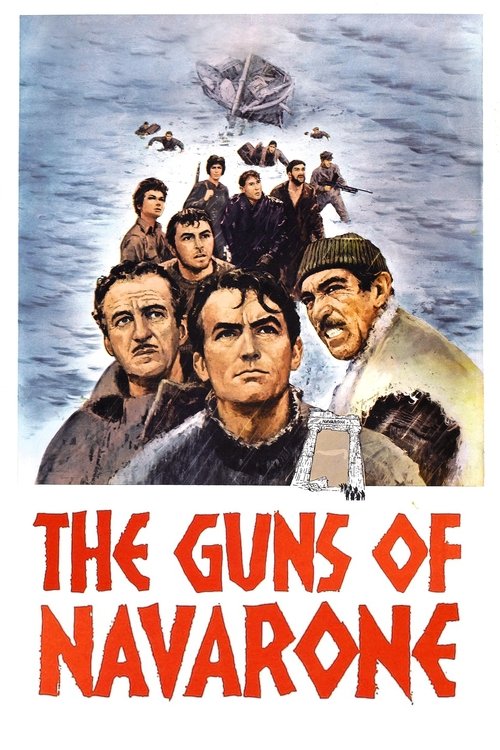
The Guns of Navarone1961
A taut, intelligent sabotage thriller with a small team executing a high-risk mission. The ingenuity and ensemble work echo Hell Is for Heroes, though the tone is more adventure-thriller than intimate drama.
But It's primarily a suspense mechanism rather than a character study. If you want deeper emotional or moral texture, you won't find it here.
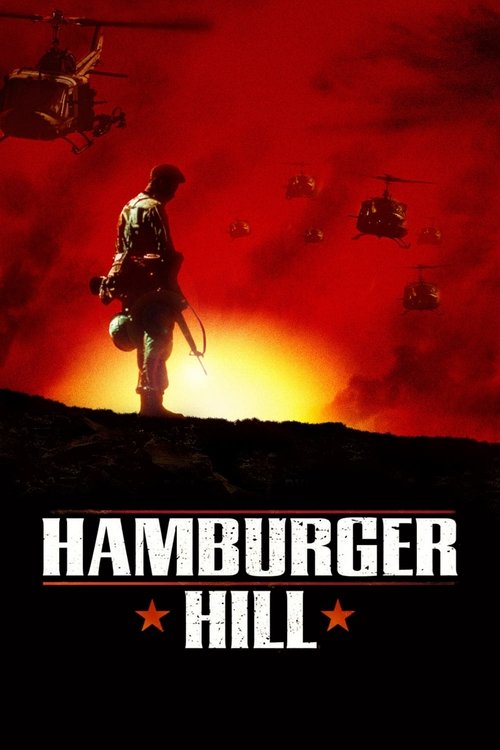
Hamburger Hill1987
A focused, unglamorous account of a single battle and the men fighting it. Like Hell Is for Heroes, it's interested in the gap between orders and reality, and in the bonds between soldiers under fire.
But The plotting is fairly straightforward—take the hill, lose men, take it again. Emotionally repetitive and sometimes feels like a catalog of scenes rather than a shaped narrative.
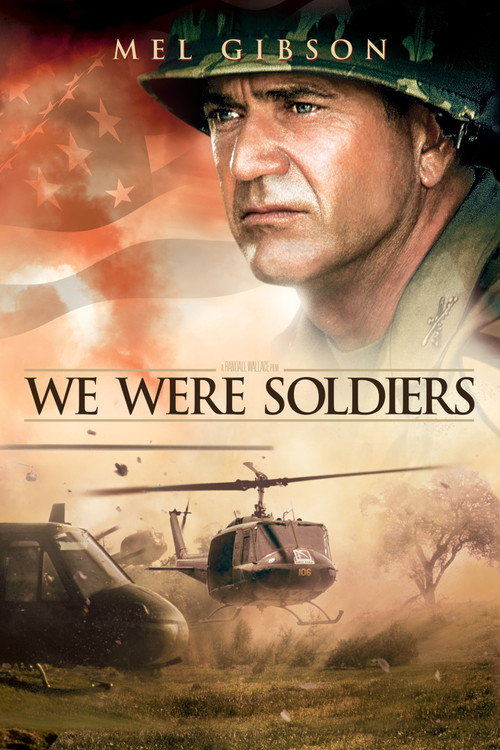
We Were Soldiers2002
Mel Gibson leads a large-scale but character-focused account of the first major engagement in Vietnam. It shares Hell Is for Heroes' interest in command decisions and their human cost at the squad level.
But Often earnest to the point of reverence. The film wants to honor its soldiers, which can feel like it's asking you not to think critically about the decisions being made.
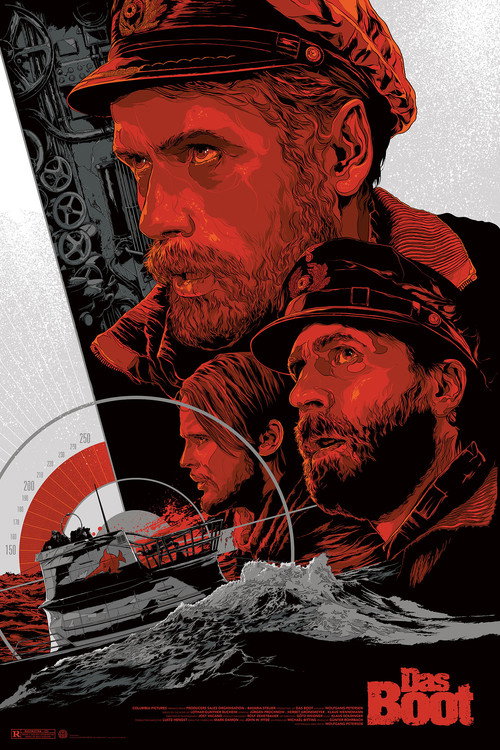
Das Boot1981
Both pit a small group against impossible odds in confined spaces. Hell Is for Heroes uses a minefield and a pillbox; Das Boot uses the ocean and depth charges. Same psychological engine.
Wolfgang Petersen's claustrophobic masterpiece traps you inside a U-boat with a German crew. It's the most intimate war film ever made—ten men in a steel tube, waiting to die. Like Hell Is for Heroes, it finds drama in containment, small decisions, and the erosion of morale.
But It's a German war film where the Germans are sympathetic. If you need clear heroes and villains, this will frustrate you. Also nearly three hours of mounting dread.
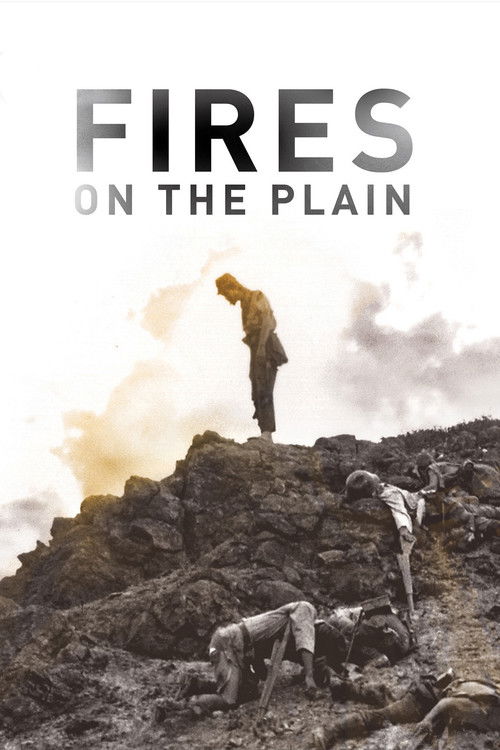
Fires on the Plain1959
Both explore what combat does to a soldier's character and choices, but where Hell Is for Heroes finds honor in defiance, Fires on the Plain finds horror in what a man will do to survive. Inverse moral registers, same artistic rigor.
Kon Ichikawa's Japanese masterpiece follows a soldier abandoned by his unit in the Philippines, starving and alone. It's a war film that becomes a descent into madness and cannibalism. Like Hell Is for Heroes, it's lean and pitiless, but it strips away unit cohesion entirely to show the individual at the absolute end of endurance.
But Extremely bleak, extremely strange. Black and white, subtitled, and concerned with moral degradation rather than heroism. It will not comfort you.
People
Cast
 Steve McQueenPvt. John Reese
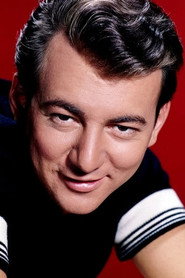 Bobby DarinPvt. Dave 'J.J.' Corby
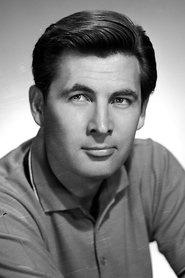 Fess ParkerSgt. Bill Pike
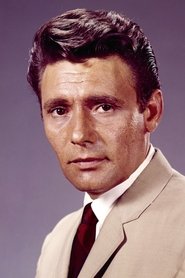 Harry GuardinoSgt. Jim Larkin
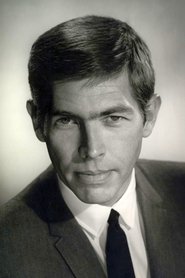 James CoburnCpl. Frank Henshaw
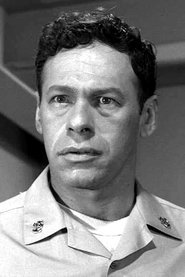 Mike KellinPvt. Stan Kolinsky
- Joseph HooverCapt. Roger Loomis
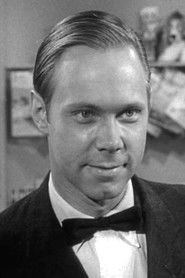 Bill MullikinPvt. Joe Cumberly
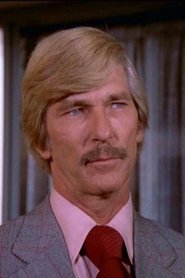 L.Q. JonesSupply Sgt. Frazer
 Michele MontauMonique Ouidel
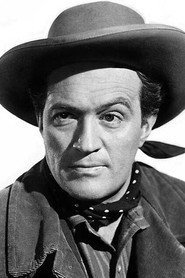 Don HaggertyCapt. Mace
 Nick AdamsHomer Janeczek
Directing
- James A. RosenbergerAssistant Director
- William McGarryAssistant Director
- Don SiegelDirector
Writing
- Richard CarrScreenplay
- Robert PiroshScreenplay
- Robert PiroshStory
Production
- Henry BlankeProducer
Recommended by
Dark of the Sun, Seven Into Hell, Suicide Commando, Ring of Fire