
Film
Fires on the Plain
Other titles called Fires on the Plain: the 2015 film.
- War drama
- Very dark
- Slow-burning
A 1959 Japanese masterpiece about a tubercular soldier abandoned on a Philippine island as WWII collapses. Kon Ichikawa strips warfare of heroism entirely, showing only degradation, hunger, and moral dissolution. Brutal and hypnotic—a film that trusts you to sit with horror without flinching or looking away.
Should you watch it?
Watch it if you are drawn to slow, unflinching war films that strip heroism away and watch one man's mind fray in the jungle, the way Kon Ichikawa's own bleak craft sets the mood.
Skip it if you want momentum or sweeping battle set-pieces; this is mostly a lonely trudge through heat and hunger, with long stretches where little happens beyond endurance.
What it asks of you: Roughly ninety-odd minutes of patient, black-and-white attention, with a grim tone that rarely lifts and scenes that linger longer than you expect.
Not sure? Find tonight's pick in a minute.
If you liked this
Come and See1985
Elem Klimov's Soviet war film pursues the same unflinching logic: war as systematic dehumanization. A boy's face registers the erasure of childhood in real time. Unmatched in its refusal to make violence anything but sickening.
But So relentlessly bleak that watching it feels like an endurance test. The image of a corpse-strewn village lingers in a way some viewers find unwatchable rather than enlightening.

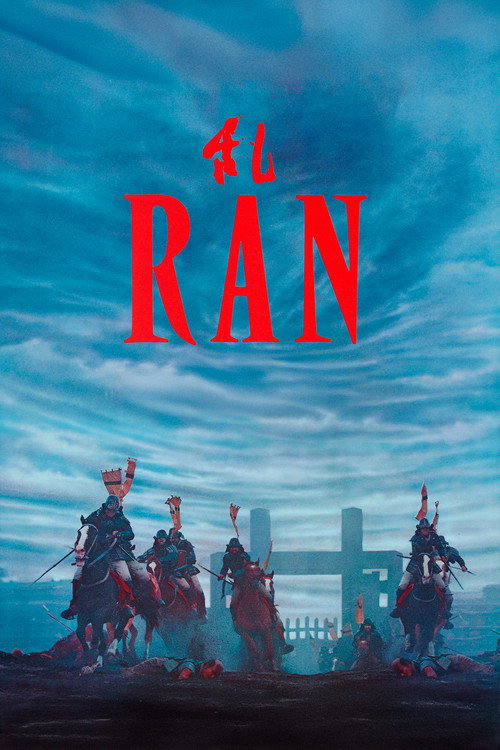
Ran1985
Kurosawa's late masterpiece about the dissolution of power and meaning. Visually operatic where Ichikawa is austere, but both films believe war unmakes everyone it touches, victor and vanquished alike.
But Three and a half hours, deliberately paced, built for contemplation not momentum. Some find its grandeur obscures rather than clarifies its moral argument.
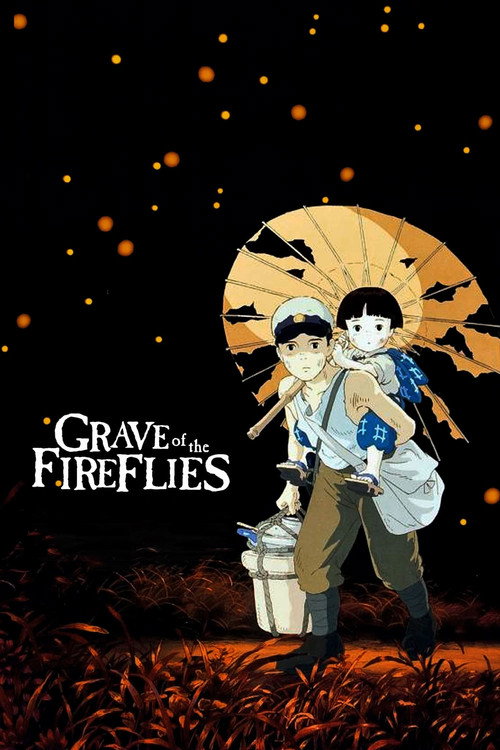
Grave of the Fireflies1988
Isao Takahata's animated film depicts Japanese civilians starving in the final months of WWII with the same pitiless clarity. A different medium, same unflinching gaze at suffering stripped of meaning or redemption.
But An animated film about children dying of hunger. The beauty of its animation can feel like it's prettifying unbearable subject matter.
Not sure tonight? Get a pick in a minute, starting from Fires on the Plain
The wildcard
Something you would not have found on your own.
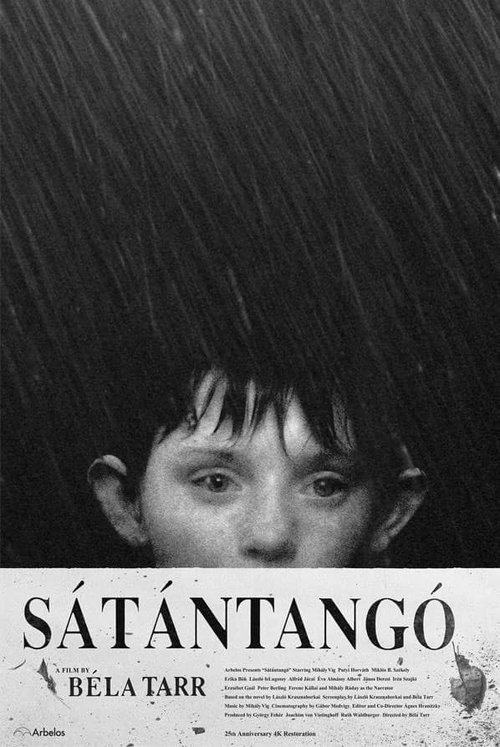
Satantango1994
Both use landscape and movement through space as the primary language for depicting moral and spiritual degradation. Both trust the viewer to draw meaning from observation rather than exposition.
Béla Tarr's seven-and-a-half-hour Hungarian film about dissolution and moral emptiness. Like Fires on the Plain, it moves through a landscape of human wreckage with no redemption offered, no easy answers. A drift through spiritual abandonment.
But Black and white, glacially paced, nearly dialogue-free for long stretches. Watching it is more like a physical ordeal than entertainment. Tests patience in ways few films do.
More like this (8)
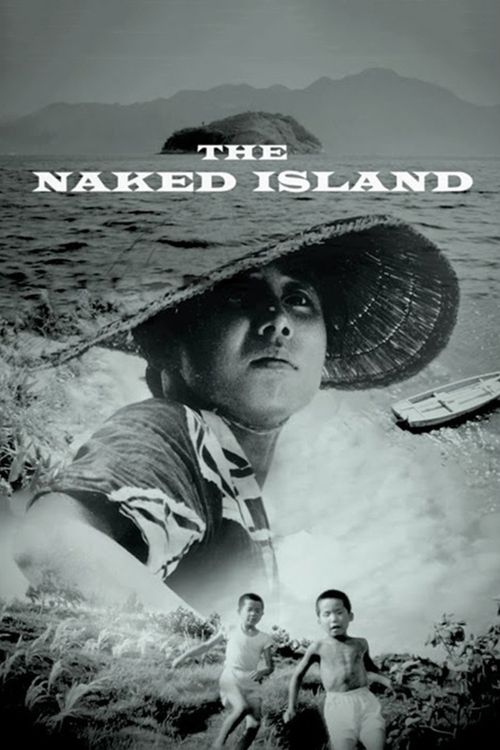
The Naked Island1960
Kaneto Shindō's nearly dialogue-free film about Japanese peasants surviving postwar deprivation. Shares Ichikawa's belief that cinema need not explain or commentate—just witness.
But Punishingly slow and abstract. If you want plot momentum or character development in traditional forms, this will frustrate you.
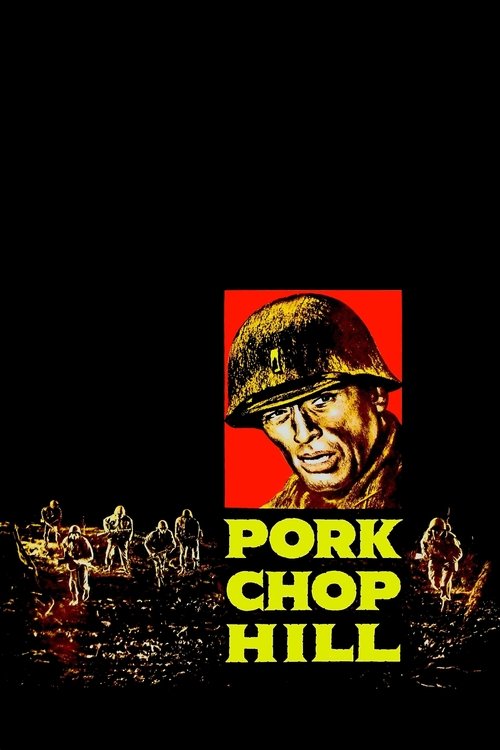
Pork Chop Hill1959
Lewis Milestone's Korean War film released the same year, also skeptical of military glory. American perspective, but the same conviction that war is waste and those giving orders are often fools.
But Ensemble war film with less philosophical depth than Ichikawa's work. Sometimes lapses into conventional heroics despite its intentions.
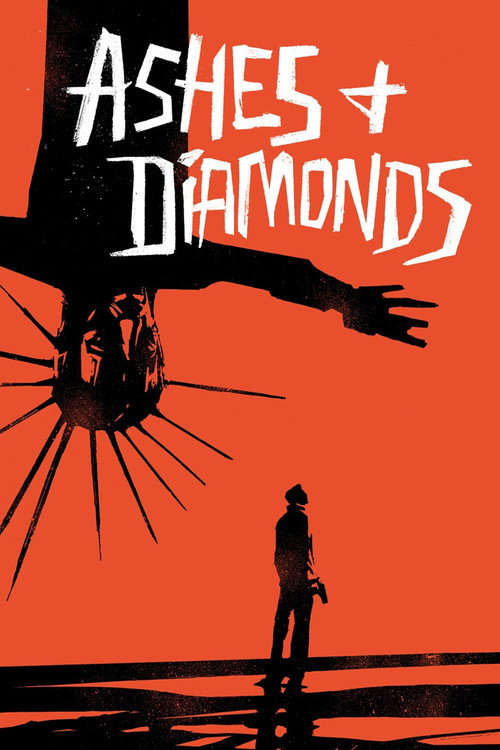
Ashes and Diamonds1958
Andrzej Wajda's Polish film about a nationalist fighter on the last day of WWII. Moral ambiguity and physical degradation mirror Ichikawa's themes, though filtered through European existentialism.
But The political context (Polish resistance, Soviet occupation) may feel distant. Requires patience with 1950s pacing and philosophical digression.
Tokyo Story1953
Ozu's gentle elegy for postwar Japan shot just years before Fires on the Plain. Different genre entirely, but the same attention to the particular textures of Japanese life amid national collapse.
But Almost anti-cinematic in its stillness. If you expect drama or plot, this spare meditation on aging and displacement will seem like nothing happens.

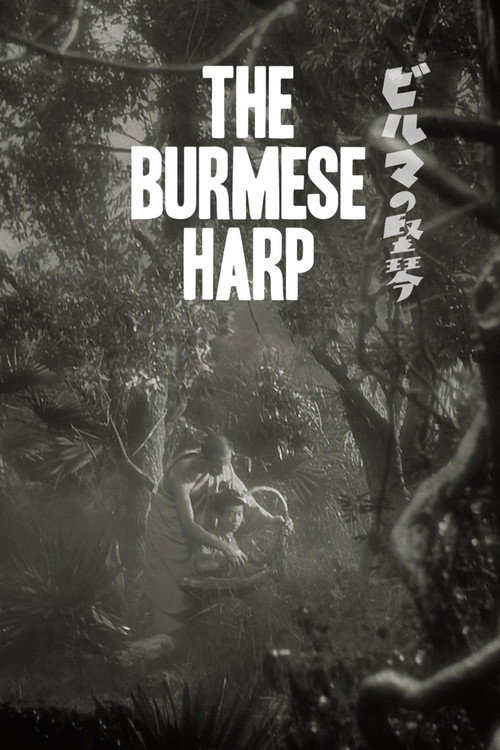
The Burmese Harp1956
Masaki Kobayashi's film follows a Japanese soldier in Burma after surrender, also focused on what happens to individual conscience when institutional order dissolves.
But More redemptive in its ending than Ichikawa's work, which some find compromises its moral severity. Slower-paced than most wartime dramas.
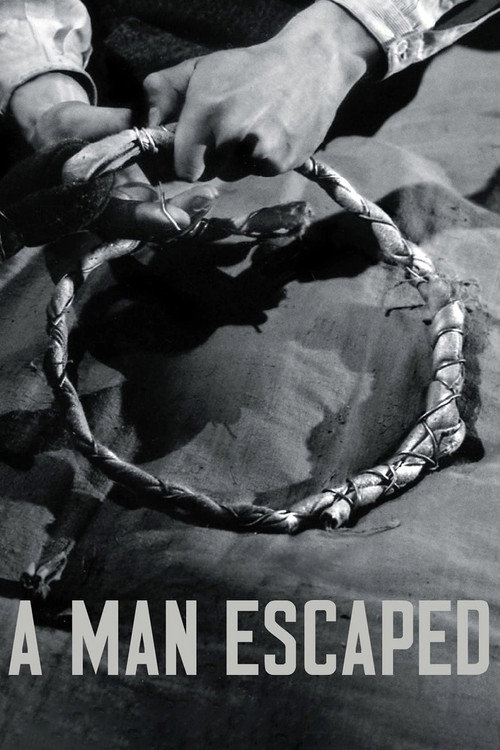
A Man Escaped1956
Robert Bresson's austere POW film shares Ichikawa's belief in withholding judgment and requiring viewers to contemplate suffering in near-silence. The grammar of survival through minute physical detail.
But Deliberately mannered and difficult. Bresson's use of non-professional actors and sparse sound design alienates as many as it absorbs.
Harakiri1962
Both examine how systems destroy individuals from within, and how the language of duty masks abandonment. Both are Japanese films from the same era reckoning with institutional cruelty.
Masaki Kobayashi's samurai film uses the rituals and codes of honor to explore how institutions demand sacrifice and how individual dignity is systematically erased. Ichikawa's contemporary and ideological twin.
But A period film about suicide through ritual. Visually beautiful but emotionally punishing. The formal perfection of its aesthetics can seem to contradict its despair.

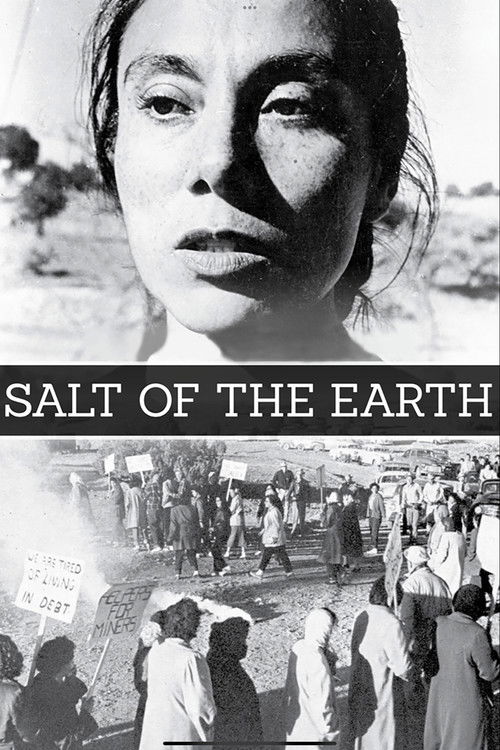
Salt of the Earth1954
Both were made by filmmakers willing to be excluded rather than compromise on their vision of how cinema should witness human degradation and structural injustice.
Herbert Biberman's blacklisted American film about a miners' strike in New Mexico, made by people excluded from the system. Rough and urgent where Ichikawa is composed, but shares the conviction that cinema must document suffering without prettifying it.
But Didactic and propagandistic by design. Non-professional actors and intentional staginess repel viewers expecting naturalism. The politics can feel dated, the filmmaking deliberately non-polished.
People
Cast
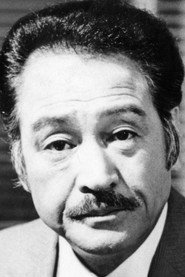 Eiji FunakoshiTamura
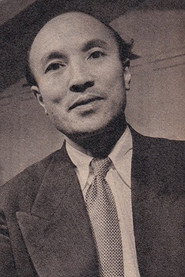 Osamu TakizawaYasuda
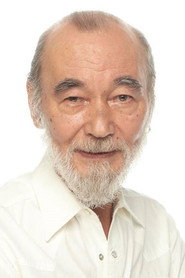 Mickey CurtisNagamatsu
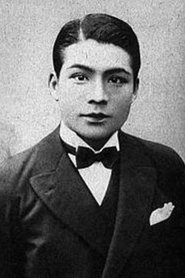 Hikaru HoshiSoldier
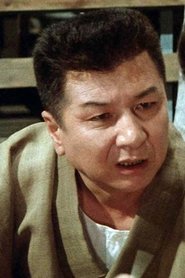 Mantarō UshioSergeant
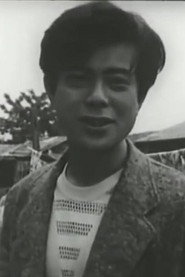 Masaya TsukidaSoldier
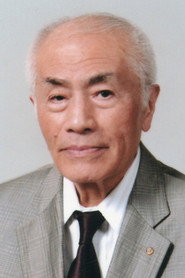 Koh SugitaSoldier
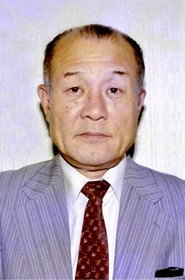 Yoshihiro HamaguchiOfficer
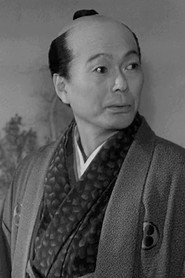 Tatsuya IshiguroUnshaven Army Doctor
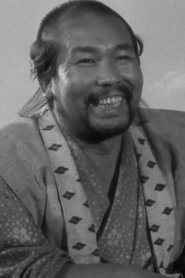 Yoshio InabaSquad Leader
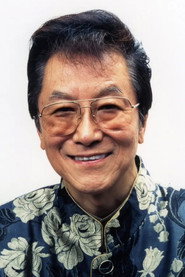 Jun HamamuraDeranged Officer
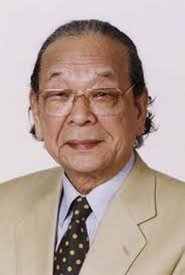 Asao SanoSoldier
Directing
- Tarō YugeAssistant Director
- Kon IchikawaDirector
Writing
- Shohei OokaNovel
- Natto WadaScreenplay
Production
- Masaichi NagataProducer
- Hiroaki FujiiProduction Coordinator
- Asao KumadaProduction Manager
Recommended by
Hell in the Pacific, Waterloo, Cross of Iron, Wooden Crosses, The Winter War, 9th Company, Battleground, Bataan, Fixed Bayonets!, The Tanks Are Coming, Men Behind the Sun, The Camp on Blood Island, City of Life and Death, Outcast of the Islands, Hell Is for Heroes, Five Branded Women, Limbo, The Battle of the Rails, The Virginian, The Long Day's Dying