
Film
The Camp on Blood Island
- War drama
- Very dark
A 1958 British war drama set in a Japanese POW camp, examining how Allied prisoners endure systematic brutality and moral degradation. Unflinching about the clash between cultures and the collapse of civilisation under extremity, it's austere and claustrophobic rather than action-driven. For those drawn to serious examinations of survival, complicity, and how people behave when rules dissolve.
Should you watch it?
Watch it if you want a compact prisoner-of-war drama that argues about law and conscience as hard as it shows cruelty, and you respect older British films that handle their material plainly.
Skip it if you want relief or lightness; the camp scenes are relentless, and the staging is stagey and dated, with a low budget showing.
What it asks of you: Expect a lean, brisk eighty-one minutes with little room to breathe, and talk-heavy scenes where debates about guilt sit alongside violence you have to stay with.
Not sure? Find tonight's pick in a minute.
If you liked this
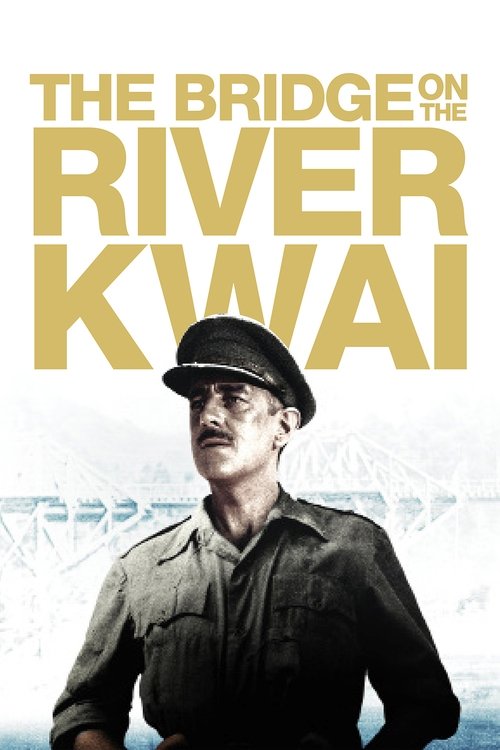
The Bridge on the River Kwai1957
A masterpiece about Allied officers building a Japanese railway in a POW camp. It has the scale, the moral complexity, and the unforgettable finale that made it an instant classic. David Lean at his peak.
But Nearly three and a half hours long, and the final act hinges on a plot twist some find overwrought or didactic.
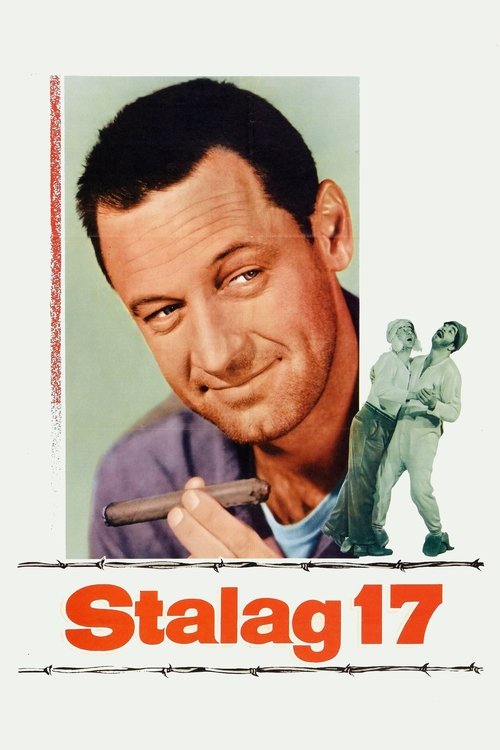
Stalag 171953
Billy Wilder's taut thriller set in a German POW camp, balancing humour, paranoia, and genuine danger. It's lean, clever, and proves escape narratives can be about psychology as much as wire-cutting.
But The comedy beats may feel mismatched if you're expecting unrelenting grimness; some find the tonal shifts jarring.
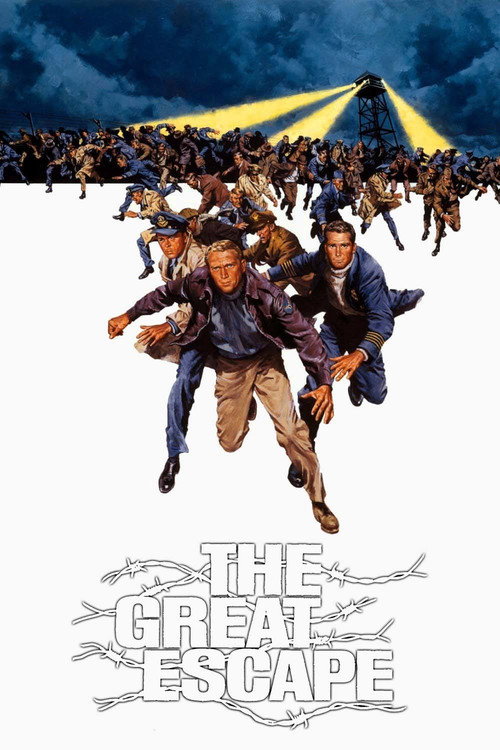
The Great Escape1963
A later, larger take on POW camp life that centres ingenuity and camaraderie over horror. It's a rousing, beautifully made ensemble film with Steve McQueen and an iconic motorcycle chase.
But Its scope and optimism put it far from the bleakness of Blood Island; if you want realism about suffering, this softens it.
Not sure tonight? Get a pick in a minute, starting from The Camp on Blood Island
The wildcard
Something you would not have found on your own.
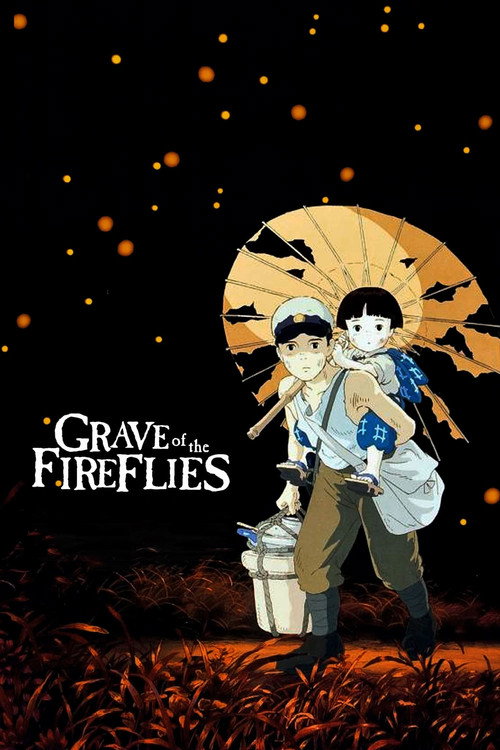
Grave of the Fireflies1988
Both examine how war destroys ordinary people from the inside, without redemption or moral instruction. Blood Island shows captors and captives; this shows the home front's equivalent suffering, with the same refusal to look away.
An animated film about two orphaned children in wartime Japan, starving and homeless after American firebombing. It's unbearably tender and wholly unsparing. Animation lets it reach emotional depths live-action sometimes cannot.
But It's a cartoon, which prepares you for nothing. Many viewers find it too painful to finish; it offers no recovery or meaning, only witness.
More like this (8)
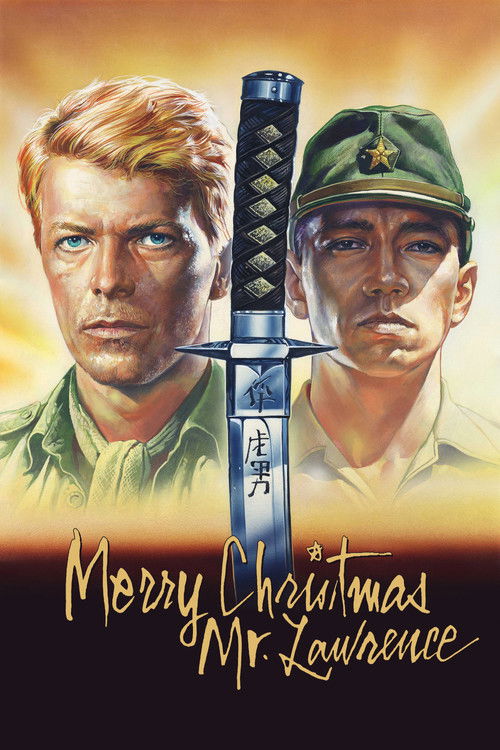
Merry Christmas, Mr. Lawrence1983
Nagisa Oshima's haunting film about a Japanese POW camp commandant and a British officer, exploring desire, duty, and the impossible humanity between captors and captives. Visually beautiful and deeply unsettling.
But The relationship at its core is oblique and emotionally abstract; some viewers find it too slow or too removed from conventional narrative.
Come and See1985
A Soviet masterpiece about a boy soldier witnessing the horrors of Nazi occupation on the Eastern Front. It's unflinching, brutal, and one of cinema's most powerful statements on the cost of war.
But Genuinely hard to watch. The violence and despair are relentless; this is not an evening's entertainment but a confrontation.

The Pianist2002
Polanski's account of a Polish Jewish musician surviving the Holocaust and Nazi occupation. Extraordinarily restrained; it shows degradation and resourcefulness without sensationalising either.
But The pacing is glacial and the emotional payoff is modest; some find its distance from the subject matter cold rather than respectful.

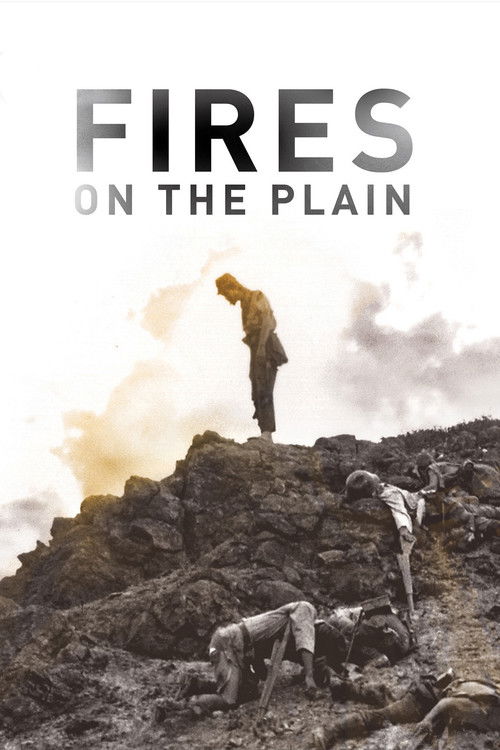
Fires on the Plain1959
A Japanese film about Japanese soldiers in the Philippines, desperate and dying. Rare because it shows the war from the losing side's perspective, with unflinching honesty about starvation and moral collapse.
But Obscure, slow-moving, and deeply unpleasant; the bleakness offers no uplift or catharsis whatsoever.
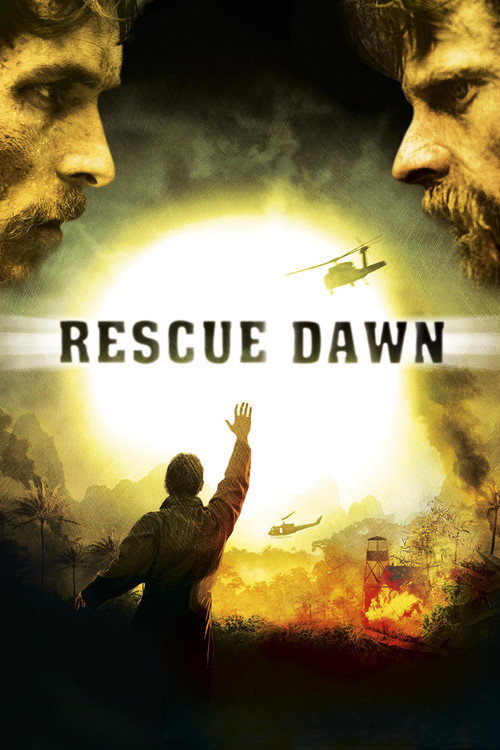
Rescue Dawn2007
Werner Herzog's survival drama about a pilot shot down over Laos, imprisoned and tortured by his captors. Tense, intimate, and fascinated by how humans endure and deceive themselves.
But Herzog's detachment can feel cold; the film doesn't moralise, which some read as indifference rather than artistic rigour.
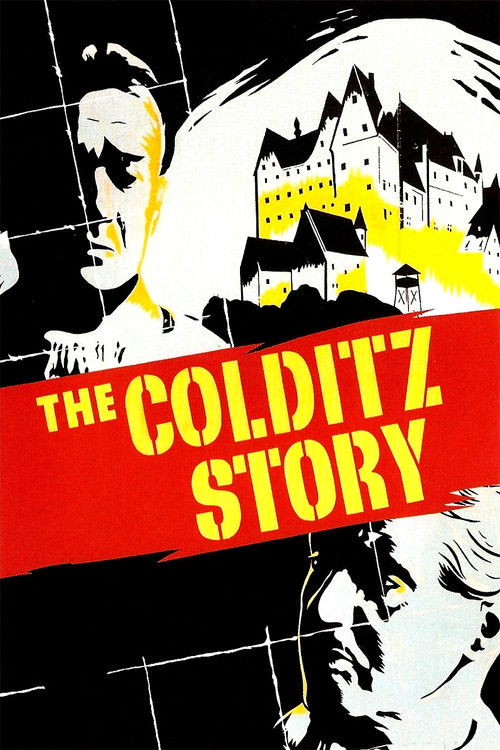
The Colditz Story1955
A British POW escape film set in a supposedly inescapable German castle. It has charm and ingenuity without betraying the genuine danger; a solid, well-made companion to the escape-film tradition.
But Lighter and more conventional than Blood Island; if you want moral ambiguity, this is a straightforward adventure instead.
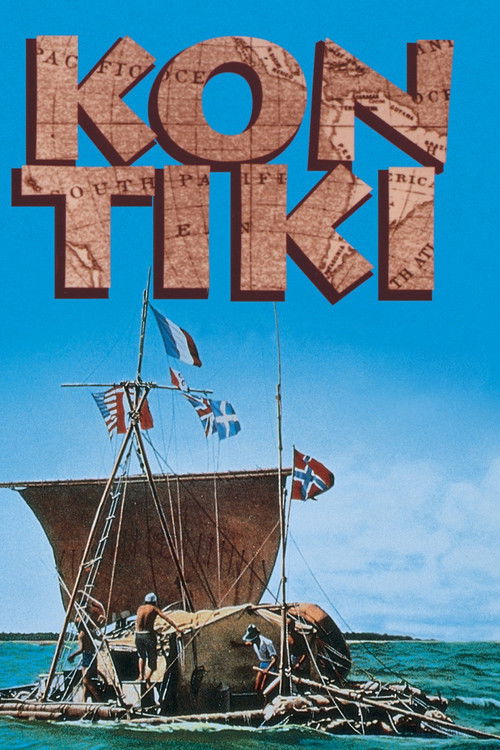
Kon-Tiki1950
Both trap men in confined spaces facing deprivation and the possibility of death. But where Blood Island examines moral decay under cruelty, Kon-Tiki shows strangers building trust under pressure—the inverse discovery of what humans can be.
A Norwegian documentary following Thor Heyerdahl's balsa raft expedition across the Pacific. It's thrilling, intimate, and captures real men under genuine duress—thirst, storms, starvation—with no script and nowhere to hide.
But It's documentary, not drama, so pacing is loose; some find the ethnographic asides tedious. Also, the heroism is unambiguous, which may feel naive after Blood Island's moral murk.
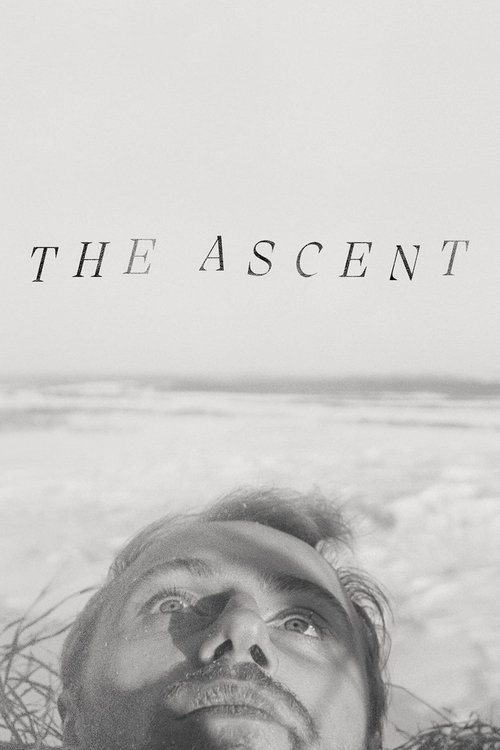
The Ascent1977
Both are about captivity, suffering, and the question of what we owe each other when everything human has been stripped away. Blood Island is secular and pragmatic; this is metaphysical and searching. Same furnace, different faiths.
A Soviet film about two partisan priests in World War II, captured by the Nazis and facing execution. Shot in black and white, it's a meditation on faith, suffering, and whether meaning survives torture. Spiritually intense and formally austere.
But It's glacially paced, entirely in Russian, and interested in theology rather than plot. The ending is bleak and offers no consolation; some find this gratuitous rather than illuminating.
People
Cast
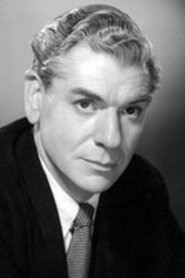 André MorellCol. Lambert
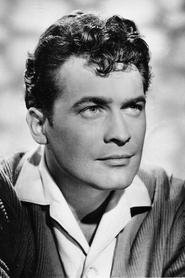 Carl MöhnerPiet Van Elst
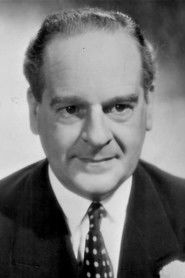 Walter FitzgeraldCyril Beattie
 Edward UnderdownMajor Dawes
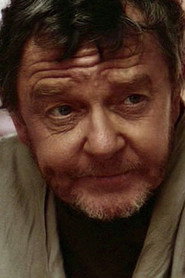 Phil BrownLt. Peter Bellamy
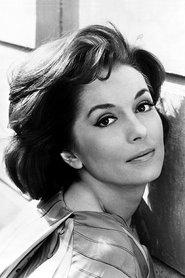 Barbara ShelleyKate Keiller
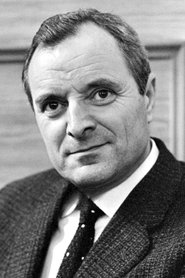 Michael GoodliffeFather Paul Anjou
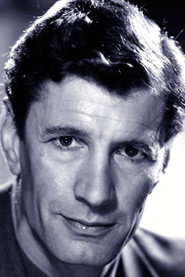 Michael GwynnTom Shields
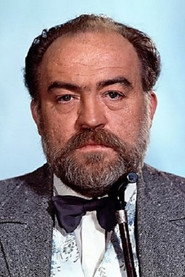 Ronald RaddCommander Yamaitsu
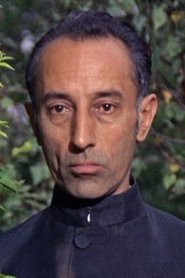 Marne MaitlandCaptain Sakamura
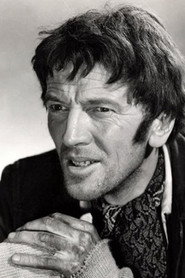 Richard WordsworthDr. Robert Keiller
 Mary MerrallMrs. Helen Beattie
Directing
- Val GuestDirector
Writing
- Val GuestScreenplay
- Jon Manchip WhiteStory
Production
- Anthony Nelson KeysAssociate Producer
- Michael CarrerasExecutive Producer
- Anthony HindsProducer