
Film
Merry Christmas, Mr. Lawrence
- War drama
- Very dark
A Japanese prison camp in 1942 becomes the stage for a collision between a British officer's stoic dignity and his captor's fractured humanity. Nagisa Oshima's film moves with the languid intensity of a fever dream, all glances and silences, powered by an extraordinary cast and Ryuichi Sakamoto's haunting score. It's for anyone who understands that war films don't need battle scenes to destroy you.
Should you watch it?
Watch it if you are drawn to war stories that study the stubborn, uneasy courtesy between enemies rather than the battles themselves, and you don't mind a film that lets its silences do the arguing.
Skip it if the drama turns on a long, slow tangle of pride and manners, so if you want firm action or a clear moral line, its ambiguity will frustrate you.
What it asks of you: Expect a measured pace, long stretches of talk, and a loose, fragmented rhythm, with the violence arriving in short, sharp bursts rather than steady doses.
Not sure? Find tonight's pick in a minute.
If you liked this
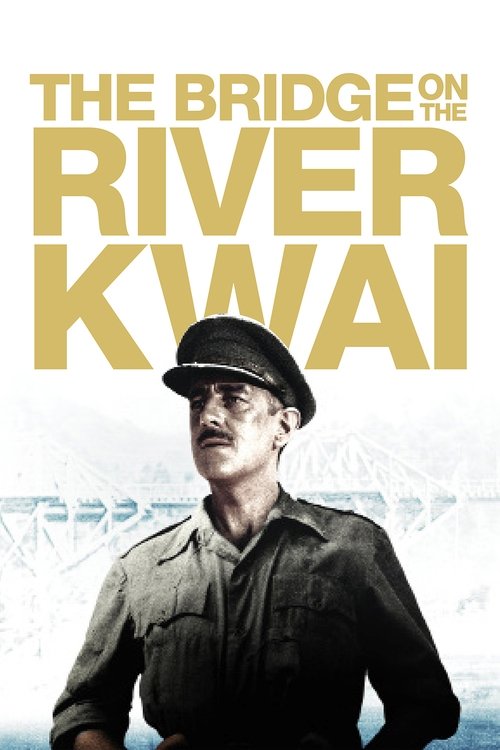
The Bridge on the River Kwai1957
A masterpiece about Allied prisoners building for their captors. Explores the same terrain of duty, dignity, and moral compromise under Japanese occupation, with equal grandeur and psychological complexity.
But At nearly three hours, it's a different kind of commitment. The ending is less ambiguous than Oshima's, which some find more satisfying and others find easier to dismiss.
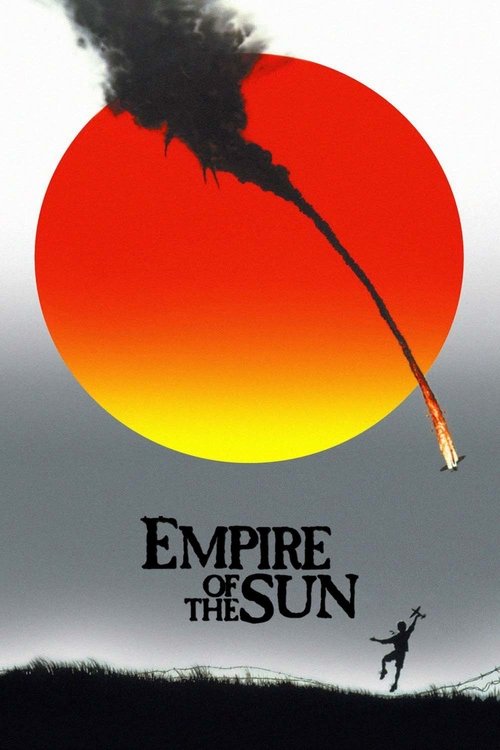
Empire of the Sun1987
Spielberg's fever-dream account of a British boy in a Japanese camp. Shares the hallucinatory quality and explores how captivity reveals character across impossible cultural divides, but through a younger, more innocent lens.
But It's a coming-of-age story first, not a meditation on power. The sentimentality will either move you or feel like a betrayal of the material's darkness.
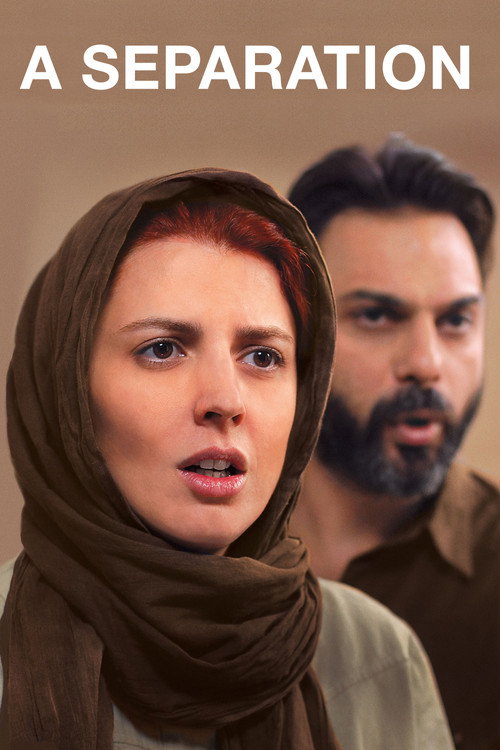
A Separation2011
Asghar Farhadi's study of how people reveal themselves under pressure, trapped in a room with incompatible values. Hypnotic, economical, built on glances and the weight of unspoken things, like Oshima's.
But It's a domestic drama, not historical. If you came for the war and the stakes, this will feel intimate to the point of suffocation.
Not sure tonight? Get a pick in a minute, starting from Merry Christmas, Mr. Lawrence
The wildcard
Something you would not have found on your own.
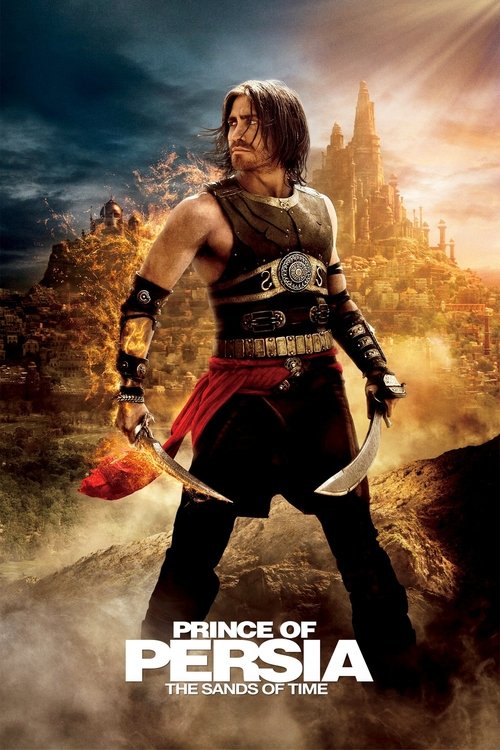
Prince of Persia: The Sands of Time2010
Both use formally radical means—one through absence and silence, one through excess and chaos—to show how confinement and constraint fragment the mind. Both treat cinema itself as a character.
Vera Chytilová's 1971 experimental Czech film about time, memory, and the self under pressure. Uses rapid cuts, distortion, and fragmentation to create psychological states—a completely different formal language for the same interior collapse Oshima approaches through stillness.
But It's nearly unwatchable by conventional standards. No plot, no clear narrative, deliberately assaultive to the eye. Most people will turn it off before understanding what it's doing.
More like this (8)
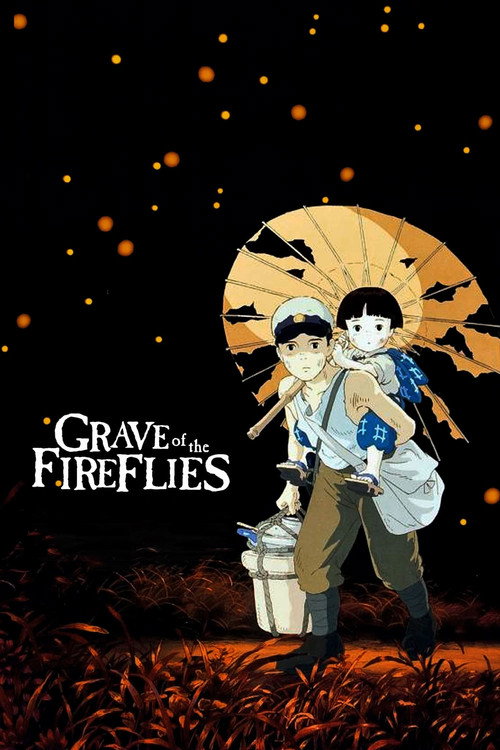
Grave of the Fireflies1988
An animated film about two orphans in wartime Japan that carries the same tone of inevitability and loss. Devastating without spectacle; it understands how quietly war destroys people.
But It's a wreck. You will weep, and the numbness afterward lasts hours. Not a film you enjoy; it's one you survive.
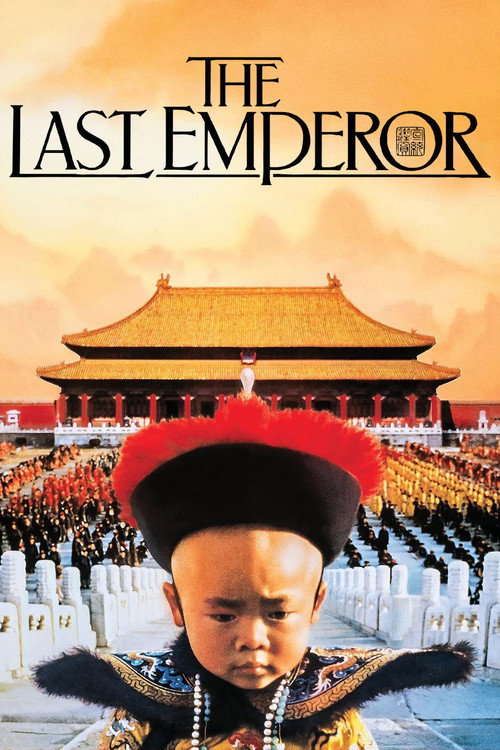
The Last Emperor1987
Bernardo Bertolucci made this the same year Spielberg made Empire. It's similarly a meditation on how power and culture collide, with gorgeous cinematography and a protagonist unmade by forces beyond his control.
But It's longer and more of a biographical epic. The scale works against intimacy; you're watching history rather than feeling captivity.
Come and See1985
Elem Klimov's Soviet film about a boy conscripted into combat. Like Merry Christmas, it doesn't show you what you expect; it goes somewhere far darker, into the psychology of survival and dehumanization.
But This is genuinely one of the most difficult films ever made. It's not contemplative like Oshima—it's a scream. Many people find it unwatchable.

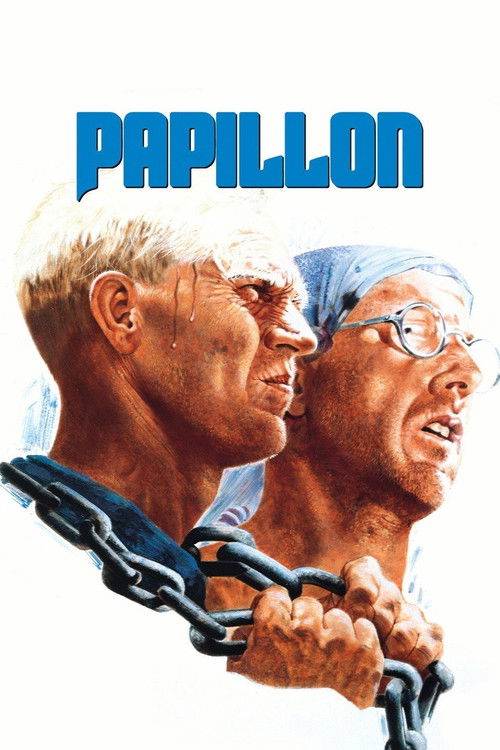
Papillon1973
Steve Reeves and Dustin Hoffman in a prison film about escape and the bond between captives. It has Oshima's sense of how confinement becomes a character in itself, though it's more of an adventure.
But It's ultimately a Hollywood thriller dressed as serious drama. The escape plot takes precedence over the moral questions Oshima sits with.
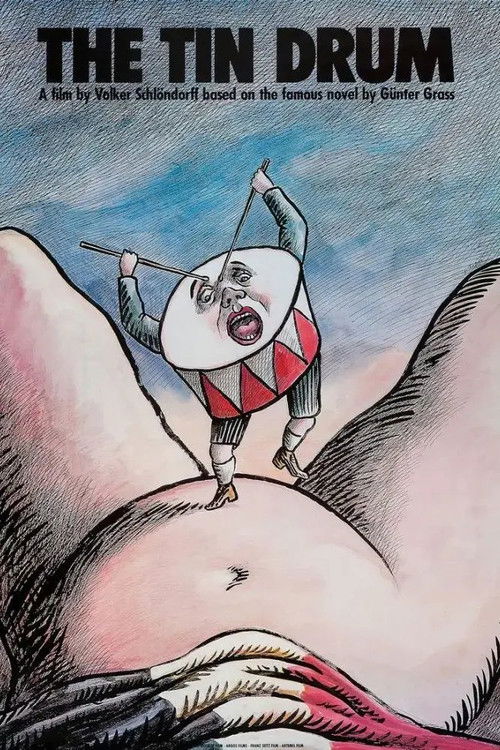
The Tin Drum1979
Volker Schlöndorff's surreal German film about a boy in Nazi Germany. Shares the dreamlike register, the use of an outsider perspective to interrogate evil, and a similar refusal to make things simple.
But It's bizarre and sometimes grotesque. If you want clarity and conventional narrative, you'll be frustrated by its obliqueness.
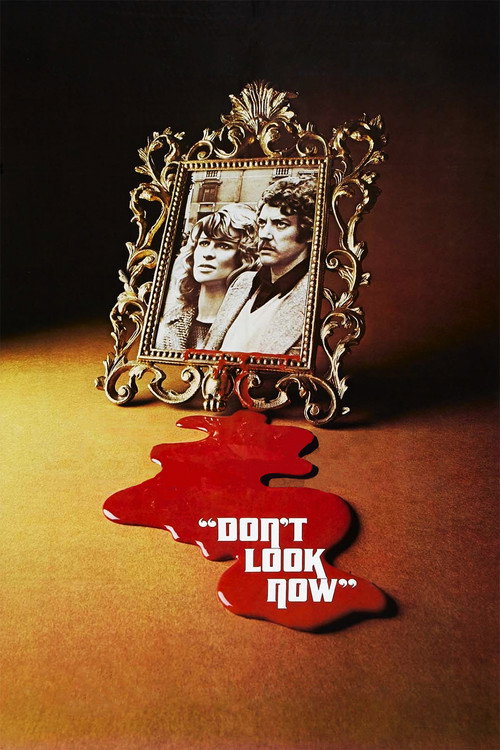
Don't Look Now1973
Nicolas Roeg's masterpiece about grief and intuition in Venice. Like Merry Christmas, it moves in ellipses, trusts you to read the spaces between scenes, and builds dread through suggestion rather than action.
But It's a ghost story disguised as a psychological drama. If you're looking for a war film, this will feel like a detour into something personal and strange.
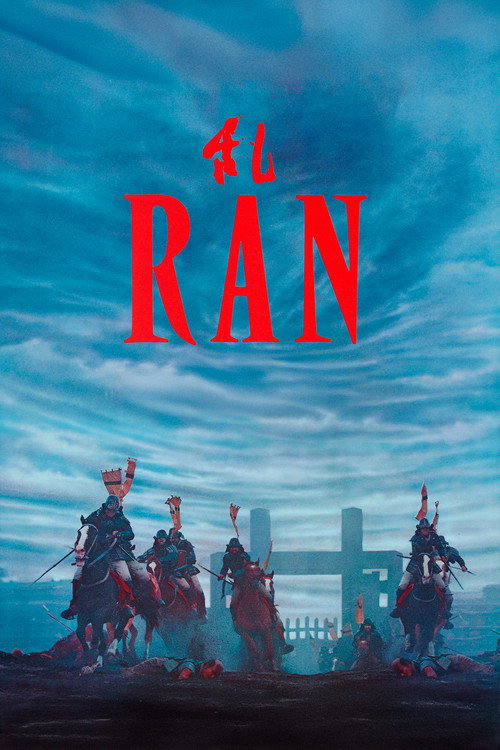
Ran1985
Both are about the architecture of power between men from different systems of honor. Both understand that culture isn't a backdrop—it's the tragedy itself. Both feature Takeshi Kitano (here as a younger soldier, embodying the same brutal code).
Kurosawa's adaptation of King Lear, with a Japanese warlord at its center. The formal precision and the meditation on power, legacy, and dignity across cultures—it's Shakespearean tragedy meeting samurai code, which is exactly the collision happening in Oshima.
But It's three hours and famously difficult. The color grading is shocking; the violence is operatic. If you want restraint, this is its opposite.
Tokyo Story1953
Both are Japanese films that understand dignity as a kind of performance, and both see the deepest emotions as things unsaid. Oshima made his film in dialogue with Ozu's legacy of restraint and suggestion.
Ozu's masterpiece, where almost nothing happens and everything matters. It's made of glances, silences, and the weight of obligation and loss. Completely different subject, same emotional register as Oshima—a Japanese film that trusts you to feel absence.
But It moves at the speed of grief. Patience isn't enough; you need to surrender to it. Modern viewers often find it boring until suddenly it isn't, and by then you've already checked out.

People
Cast
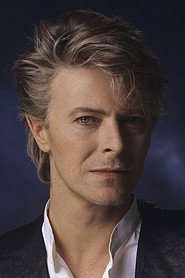 David BowieCelliers
 Tom ContiLawrence
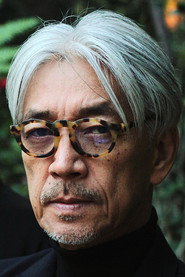 Ryuichi SakamotoYonoi
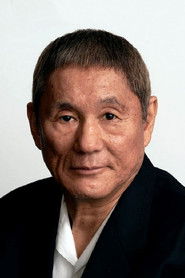 Takeshi KitanoHara
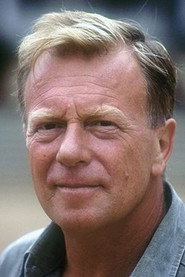 Jack ThompsonHicksley
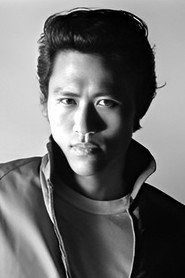 Johnny OhkuraKanemoto
 Alistair BrowningDe Jong
- James MalcolmCelliers' Brother
- Chris BrounCelliers (12 Years)
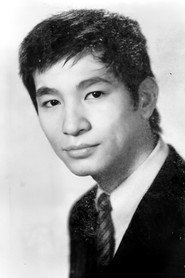 Yuya UchidaCommandant of Military Prison
 Ryūnosuke KanedaPresident of the Court
 Takashi NaitoLieutenant Iwata
Directing
- Roger PulversAssistant Director
- Raijin NakahataContinuity
- Nagisa ŌshimaDirector
- Lee TamahoriFirst Assistant Director
- Jonty BarraudSecond Assistant Director
Writing
- Laurens van der PostNovel
- Nagisa ŌshimaScreenplay
- Paul MayersbergScreenplay
Production
- Joyce HerlihyAssociate Producer
- Larry ParrAssociate Producer
- Diana RowanCasting
- Takashi UenoCasting
- Eiko OshimaExecutive Producer
- Geoffrey NethercottExecutive Producer
- Masato HaraExecutive Producer
- Terry GlinwoodExecutive Producer
- Jeremy ThomasProducer
Recommended by
Empire of the Sun, Rescue Dawn, King Rat, Nowhere Boy, A Town Like Alice, The Ceremony, The Sergeant, The Camp on Blood Island, Absolute Beginners, The Last Hunt, The Captive Heart, A Christmas Story Christmas, Achtung! The Desert Tigers