
Film
The Ceremony
- Period drama
- Very dark
- Slow-burning
Nagisa Oshima's sprawling family saga uses the Sakurada household and its rituals as a lens onto Japan's militaristic rise and postwar collapse. Dense, formally daring, and deeply uncomfortable, it demands patience but rewards with a portrait of complicity and moral drift that feels urgently contemporary. For viewers ready to sit with difficulty.
Should you watch it?
Watch it if you like slow, formal family dramas where ceremonies become a way to watch history, power and private shame shift beneath composed, beautifully framed rituals.
Skip it if you want brisk plotting or easy emotional payoffs; this is long, deliberate and cool, with a detached eye that keeps its distance from the people it watches.
What it asks of you: Over two hours of patient, formal staging where scenes hold long and the camera stays still, so you must settle into its rhythm before anything feels like it is moving.
Not sure? Find tonight's pick in a minute.
If you liked this
Tokyo Story1953
Ozu's masterpiece of family dynamics and generational tension, shot with serene precision. It's quieter than Oshima but shares his obsession with how ritual structures hold (or fail to hold) a fractured household together.
But The pace is glacial and nothing loud happens. If you need conflict spelled out, this will feel like watching paint dry.

Ikiru1952
Kurosawa's meditation on mortality and meaning in a bureaucratic life. Like Oshima, it uses the mundane structures of Japanese society to ask urgent questions about what we're actually living for.
But The second half shifts register dramatically. Some find the tonal shift redemptive; others feel manipulated by it.

Harakiri1962
Masaki Kobayashi's devastating critique of honour and ritual in feudal Japan. Both films use ceremony as a weapon to expose hypocrisy and violence lurking beneath tradition's surface.
But Relentlessly bleak and graphic. There are no easy catharses here, only accumulated betrayal.

Not sure tonight? Get a pick in a minute, starting from The Ceremony
The wildcard
Something you would not have found on your own.
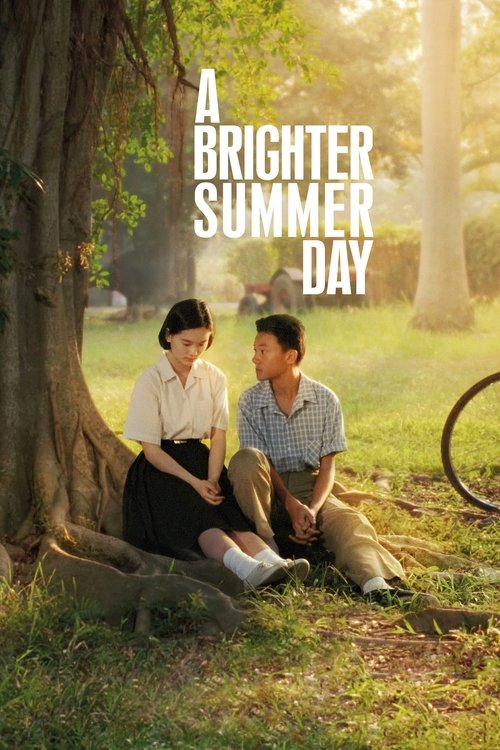
A Brighter Summer Day1991
Both films use the micro-scale of youth/family life and ritualized social structures as a way to track how a nation eats its own children. Both end in blood.
Edward Yang's four-hour Taiwanese epic follows a gang of teenage boys through the 1960s, using ritual, ceremony, and the family as Yang does—as battlegrounds where national trauma gets written on intimate bodies. Absolutely hypnotic.
But Nearly 4 hours long, in Mandarin, with subtitles. The narrative moves like molasses. Most viewers won't finish it.
More like this (8)
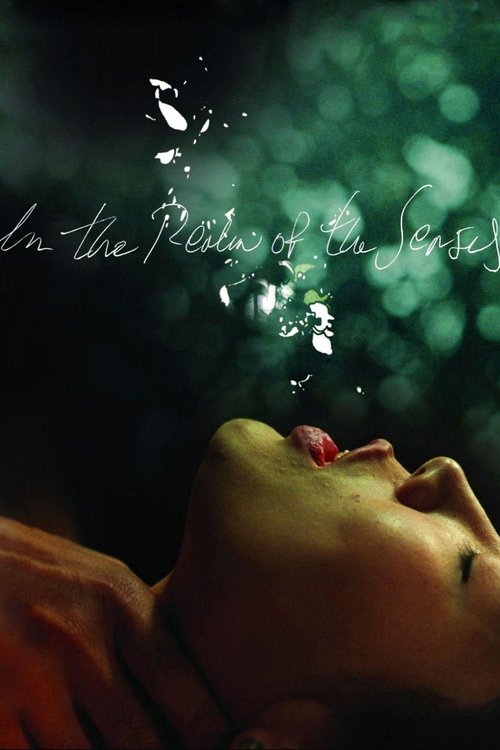
In the Realm of the Senses1976
Oshima's own later film, even more transgressive and sexually explicit. If you want to see how far he was willing to push cinema as provocation, this is the answer.
But Extremely graphic sexual content throughout. Some will find it liberating; many will find it exhausting or exploitative.
L'Avventura1960
Antonioni's study of ennui and moral emptiness in post-war Europe. It shares Oshima's refusal to comfort the viewer, using landscape and silence to question what we owe each other.
But Nothing resolves. The pacing is hypnotic for some, tedious for others. Patience isn't optional.

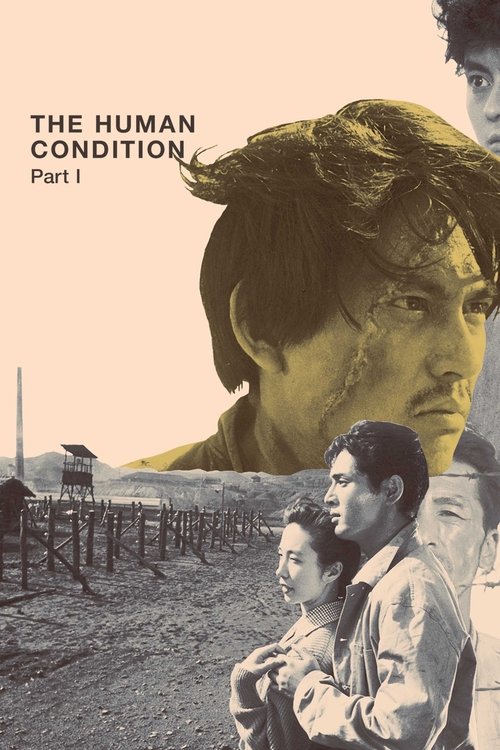
The Human Condition I: No Greater Love1959
Masaki Kobayashi's nine-hour trilogy (watchable as three films) about a man's conscience clashing with Imperial Japan. Epic in scope and moral seriousness, it's a companion piece to Oshima's vision of complicity.
But The length is real and the subject matter is relentlessly grim. This demands a commitment most viewers won't make.
Woman in the Dunes1964
Hiroshi Teshigahara's fever dream about entrapment and ritual repetition. Formally inventive and deeply strange, it shares Oshima's willingness to use surreal logic to explore social pressure.
But The plot sounds like a premise and mostly stays there. If you need narrative momentum, you'll be frustrated.

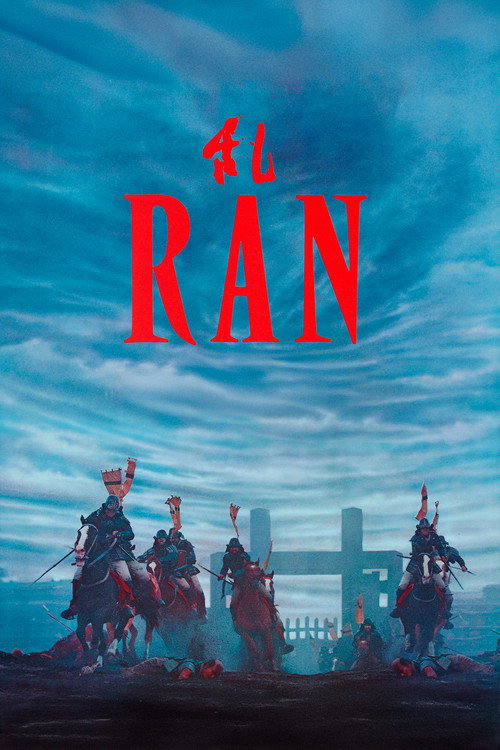
Ran1985
Kurosawa's final masterpiece, a Shakespeare adaptation about power, family fracture, and the chaos beneath order. Like Oshima, it sees ritual and dynasty as doomed constructs.
But Three and a half hours, Shakespeare's plot, and apocalyptic bleakness. Not a comfortable watch, even in its beauty.
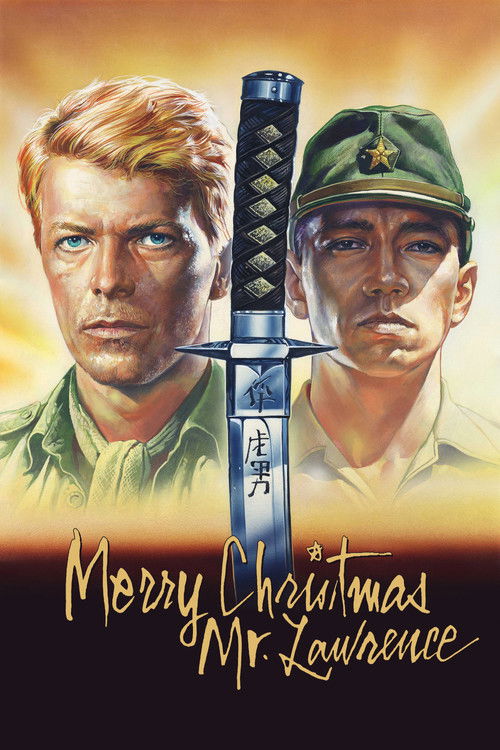
Merry Christmas, Mr. Lawrence1983
Oshima's own later work (directed while ill), a prisoner-of-war drama about competing codes of honour and the breakdown of ritual under extremity. Quieter than The Ceremony but thematically rich.
But The pacing is uneven and the emotional registers shift abruptly. Some scenes feel incomplete.
The Act of Killing2012
Both use ritual, ceremony, and performance as a way to expose how ordinary people become capable of extraordinary violence, and how they live with themselves afterward.
Joshua Oppenheimer's documentary asks Indonesian death-squad leaders to reconstruct and roleplay their own massacres. Like Oshima, it's obsessed with how ritual, performance, and ceremony allow people to rationalize atrocity and evade responsibility.
But Difficult to describe and harder to watch. The moral vertigo is intentional but it can feel unbearable, even voyeuristic.

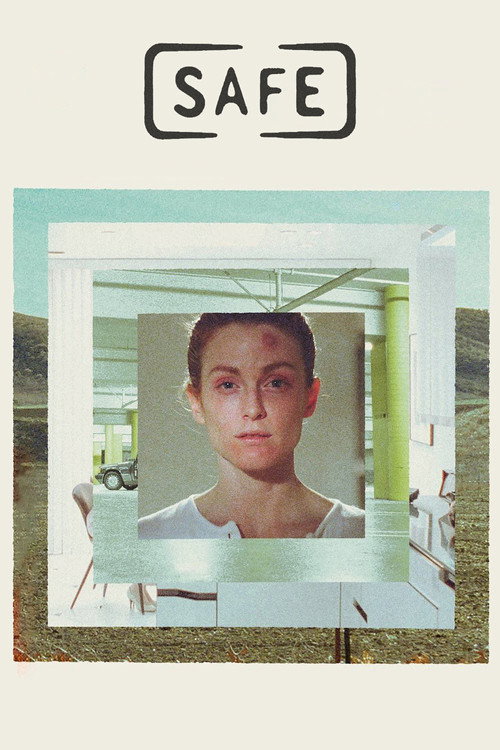
Safe1995
Both use the family and its domestic ceremonies as a metaphor for social contagion and complicity. Both ask: when does shelter become a trap?
Todd Haynes's horror film about environmental illness and the American family, told with clinical distance. Like Oshima, it uses the household and its rituals as a site where something insidious grows—sickness literal and social.
But Sparse, eerie, and deliberately unsexy in its visuals. The slowness will bore people who want plot. Some find it brilliant; others find it pointless.
People
Cast
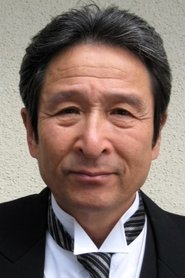 Kenzō KawarasakiSakurada Masuo
- Atsuko KakuSakurada Ritsuko
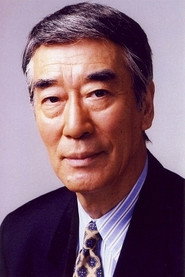 Atsuo NakamuraTachibana Terumichi
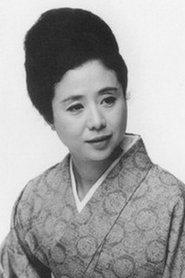 Nobuko OtowaSakurada Shizu
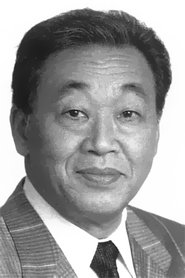 Hōsei KomatsuSakurada Isamu
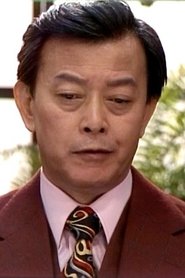 Rokkō TouraSakurada Mamoru
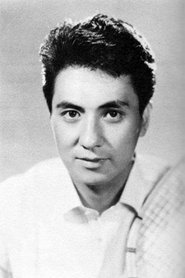 Fumio WatanabeSusumu
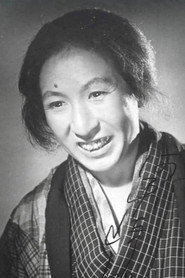 Shizue KawarazakiSakurada Tomiko
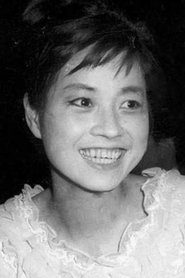 Chisako HaraIsamu's flower girl
- Maki TakayamaSakurada Kiku
- Sue MitobeSakurada Chiyo
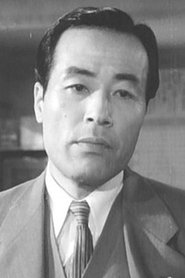 Eitarō OzawaTachibana Takeyo
Directing
- Nagisa ŌshimaDirector
Writing
- Mamoru SasakiScreenplay
- Nagisa ŌshimaScreenplay
- Tsutomu TamuraScreenplay
Production
- Kinshirō KuzuiProducer
- Takuji YamaguchiProducer