
Film
The Human Condition I: No Greater Love
Masaki Kobayashi's monumental first chapter of a nine-hour trilogy follows an idealistic pacifist forced into managing a Manchurian labour camp during WWII. Shot in stark black-and-white with painterly compositions, it's a slow-burning moral drama about the impossibility of staying decent inside an inhuman system. Demanding, deliberate, and devastating — for viewers who want cinema that argues rather than entertains.
If you liked this
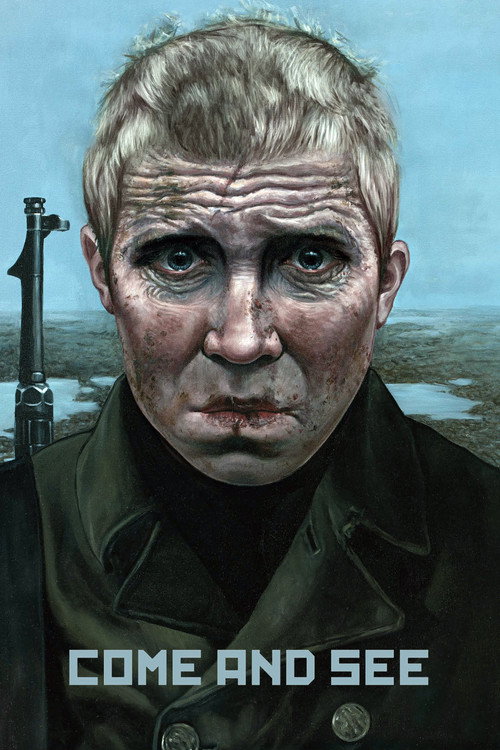
Come and See1985
For anyone who wants war cinema at its most unflinching, Elem Klimov's film puts you inside the atrocity rather than showing it from a safe distance, and its power still hits like a punch to the sternum decades later.
But It's relentless, nightmarish, and offers virtually no relief — not a film you casually put on some evening.
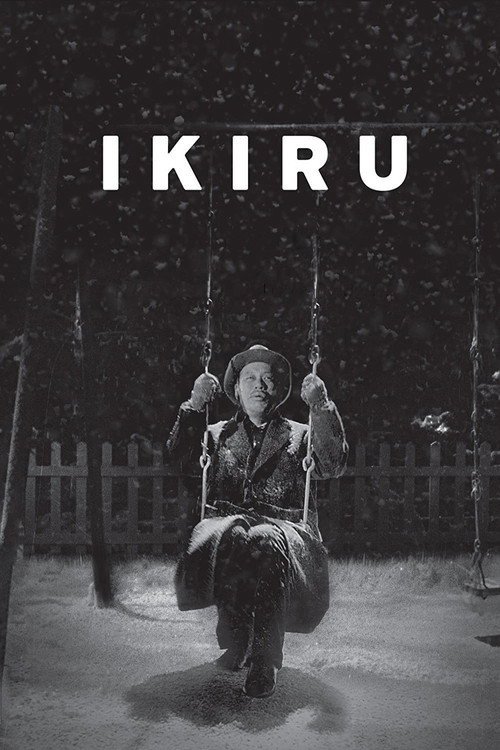
Ikiru1952
Kurosawa's quiet masterpiece about a bureaucrat facing his own mortality shares Kobayashi's belief that decency is a daily, difficult choice, told with the same patient humanism and aching sincerity.
But It's slow and melancholic by design, so if you want momentum or spectacle this will test your patience.
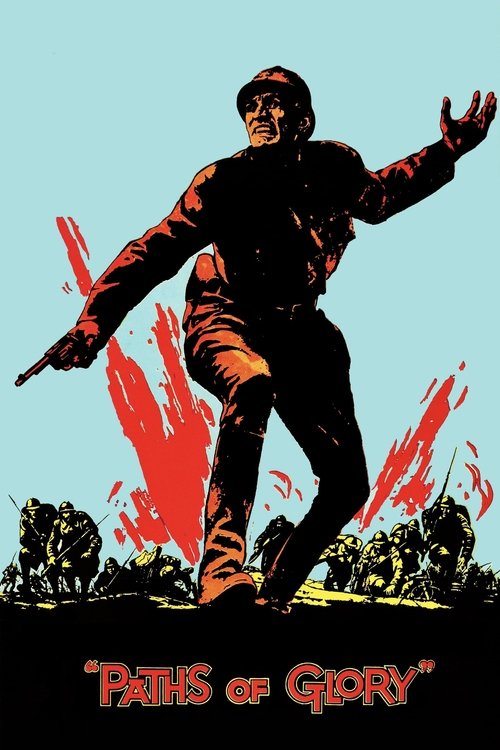
Paths of Glory1957
Kubrick's court-martial drama shares Kaji's exact nightmare — a decent man trapped inside a military hierarchy that punishes conscience — compressed into ninety furious minutes.
But Its cynicism is total; there's little of the tenderness that softens Kobayashi's film.
The wildcard
Something you would not have found on your own.
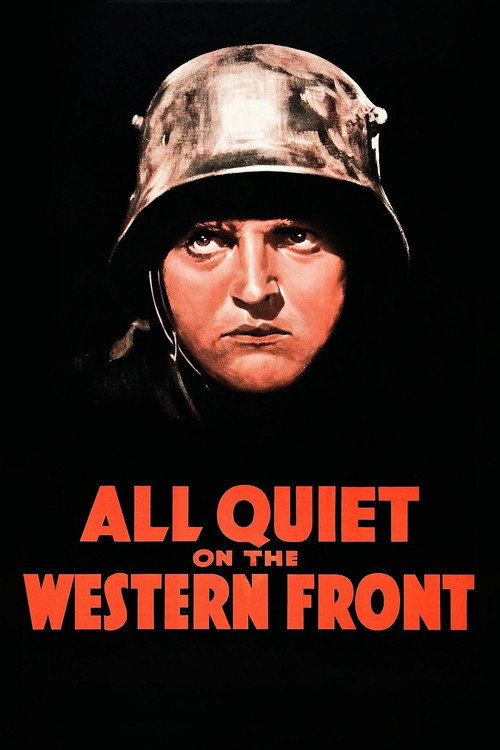
All Quiet on the Western Front1930
Both films use one soldier's disillusionment to indict an entire system that demands obedience over conscience — Kobayashi just had thirty more years of atrocity to draw on.
Made just twelve years after WWI ended, this was one of the first films to say plainly that war destroys the humanity of everyone it touches — the same argument Kobayashi makes three decades later, with startling technical daring for its era.
But Early sound-era filmmaking is stiff by modern standards, and some scenes creak where Kobayashi's craft feels timeless.
More like this (8)
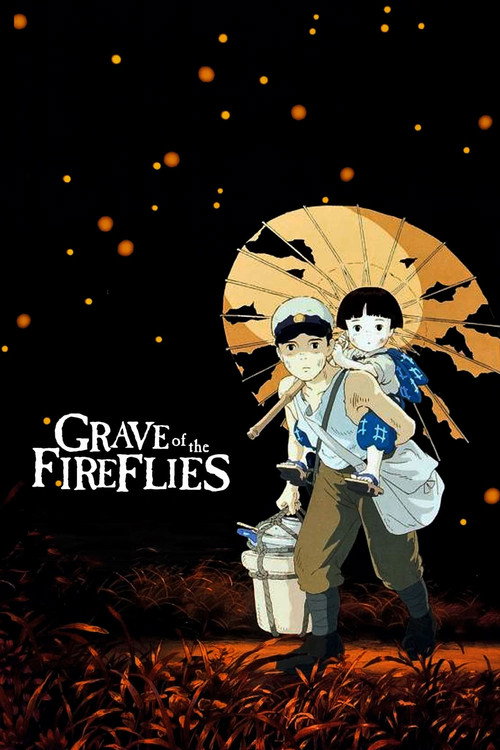
Grave of the Fireflies1988
Studio Ghibli's animated account of Japanese civilians during WWII carries the same devastating clarity about ordinary people crushed by forces beyond their control, proving animation can hit as hard as anything live-action.
But It's genuinely one of the saddest films ever made — go in braced, not expecting comfort.
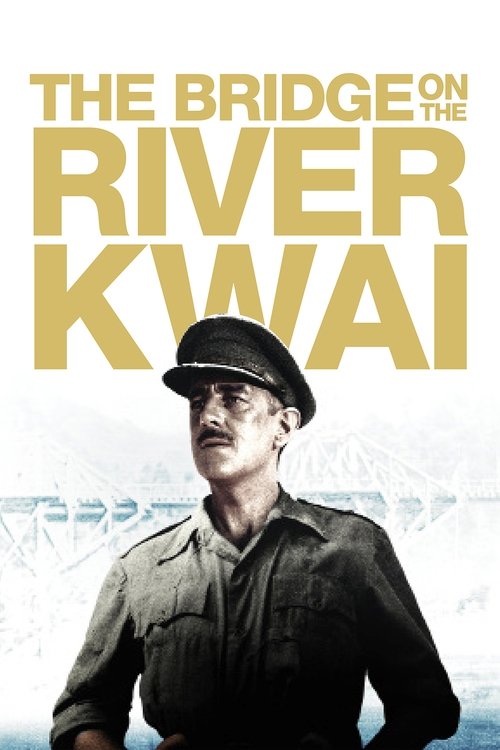
The Bridge on the River Kwai1957
A POW camp drama about a man whose principles curdle into something worse than the enemy he's fighting, this is a big, handsome David Lean epic with real moral teeth underneath the spectacle.
But Its irony can feel like an old-fashioned trick compared to Kobayashi's more sustained interrogation of complicity.
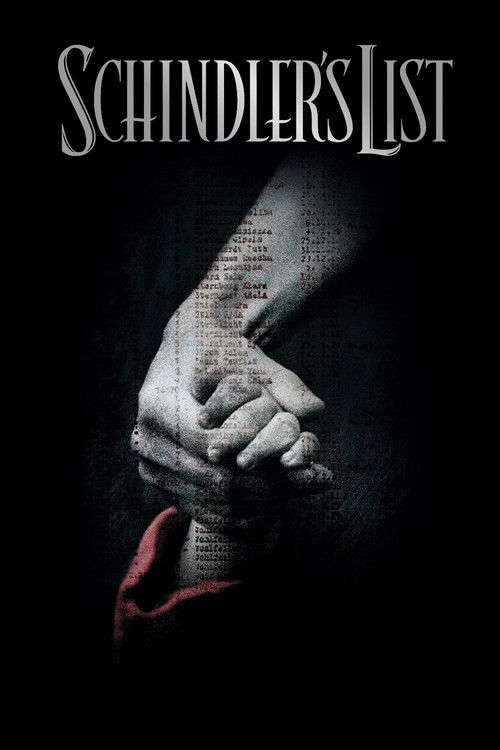
Schindler's List1993
Spielberg's account of one man's slow moral awakening inside an industrialized system of murder is the most famous version of Kaji's dilemma — how much good can one person do from within?
But Its craftsmanship and emotional cues are more polished and manipulative than Kobayashi's austere, observational style.
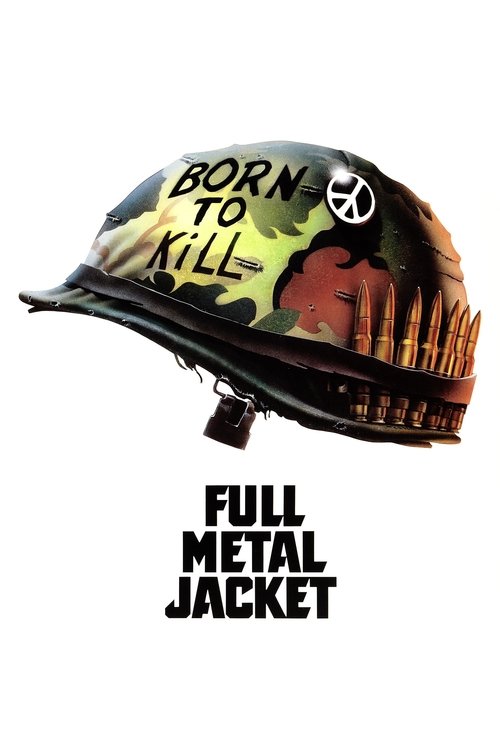
Full Metal Jacket1987
Kubrick again, this time on how institutions manufacture obedience and cruelty from ordinary young men — a bracing companion piece to Kaji's fight against dehumanization.
But Its jagged two-part structure is cold and detached where Kobayashi's film builds slow, coherent dread.
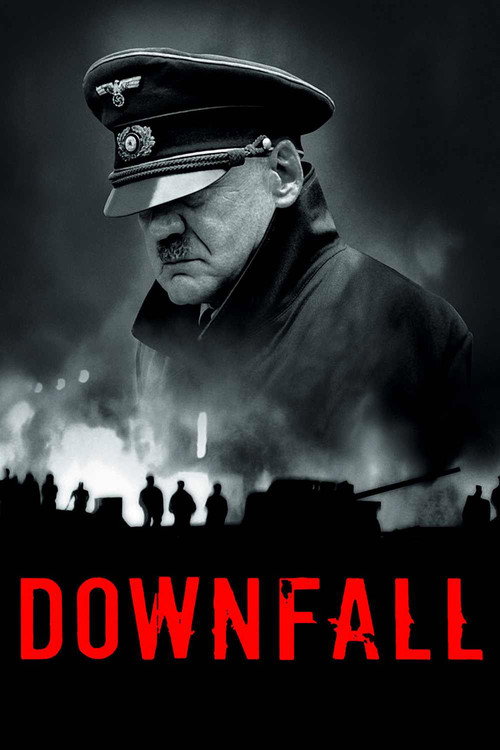
Downfall2004
Set in Hitler's last days, this German drama shows the machinery of a monstrous system from the inside, with the same unflinching, almost clinical eye Kobayashi turns on the Japanese military bureaucracy.
But It's claustrophobic and grim, focused on perpetrators rather than a sympathetic protagonist to root for.
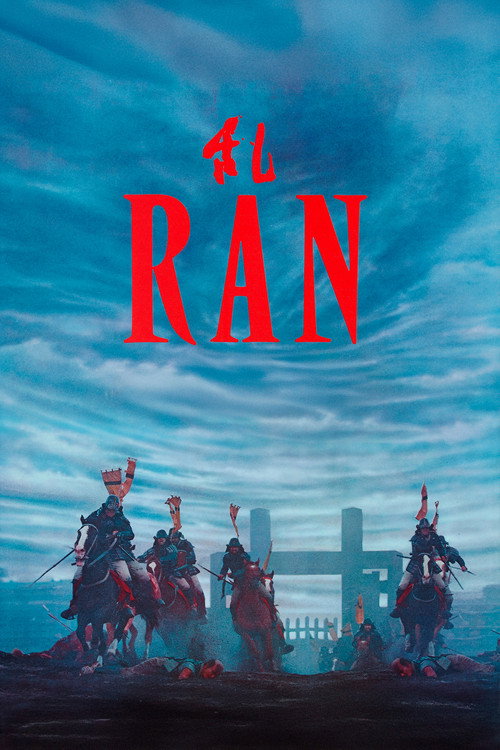
Ran1985
Kobayashi's leading man Tatsuya Nakadai returns, decades later, for Kurosawa's Shakespearean war epic — a chance to see the same great, haunted face carrying an entirely different kind of tragedy.
But It's more operatic and mythic than grounded — closer to tragedy on a grand stage than intimate moral drama.
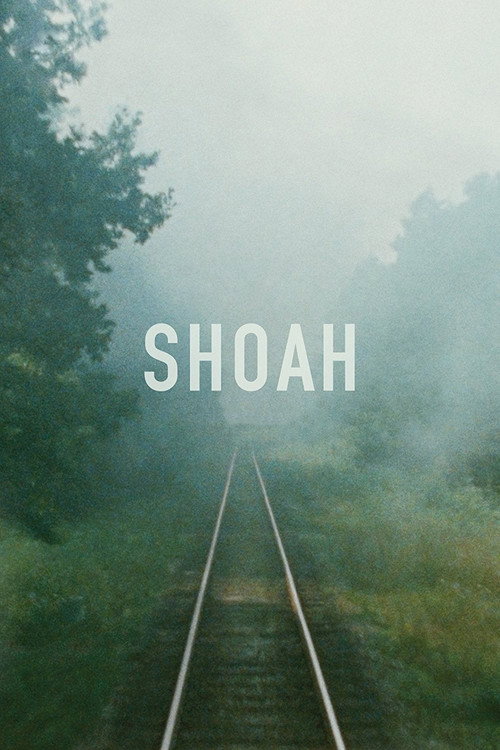
Shoah1985
Both insist that understanding atrocity requires sitting with it at enormous, uncomfortable length — length itself becomes a moral argument in both works.
Claude Lanzmann's nine-hour documentary, built entirely from testimony and no archival footage, confronts the machinery of the Holocaust the way Kobayashi confronts the machinery of the labour camp — through patient, exhaustive witness rather than drama.
But It demands an even bigger commitment than Kobayashi's trilogy, with none of the narrative shape of fiction to carry you through.
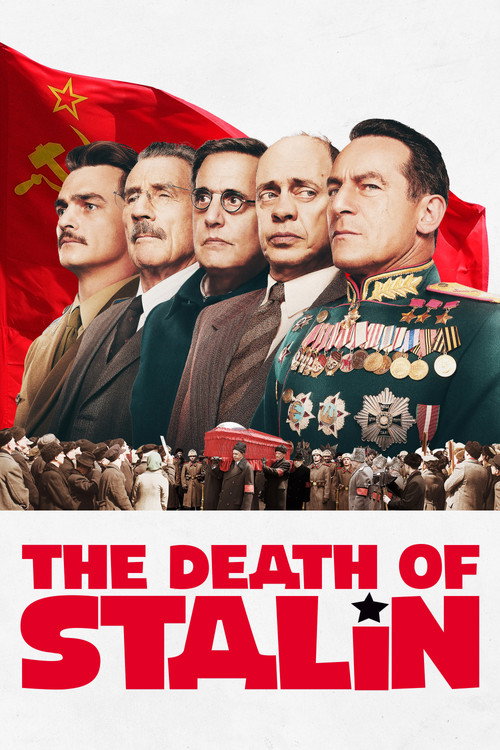
The Death of Stalin2017
Same bureaucratic terror, same moral cowardice dressed up as pragmatism — Kobayashi shows you the tragedy, Iannucci shows you the absurdity that makes tragedy possible.
Armando Iannucci's pitch-black comedy about bureaucrats scrambling for power after Stalin's death runs on the exact same fuel as Kobayashi's tragedy — ordinary men making grotesque compromises to survive inside a monstrous system — but plays it for savage laughs instead of grief.
But If tonal whiplash bothers you, hearing genocide-adjacent horror played as farce might feel like a betrayal of the subject rather than a comment on it.
People
Cast
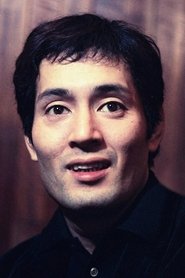 Tatsuya NakadaiKaji
 Michiyo AratamaMichiko
 Chikage AwashimaTôfuku Kin
 Ineko ArimaShunran Yô
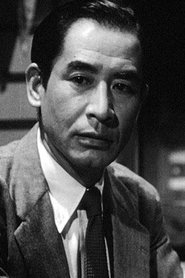 So YamamuraOkishima
 Akira IshihamaChin
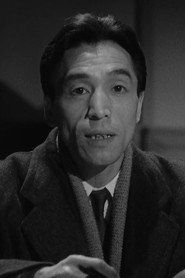 Seiji MiyaguchiKyôritsu Ô
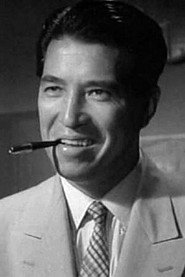 Tōru AbeWatarai Gunsô
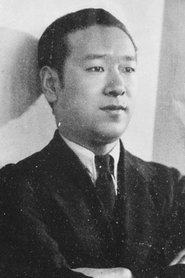 Masao MishimaKuroki Shochô
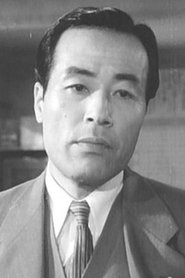 Eitarō OzawaOkazaki
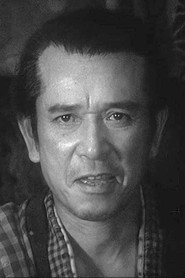 Kōji MitsuiFuruya
Directing
- Koichi InagakiAssistant Director
- Yûgorô ImaiAssistant Director
- Masaki KobayashiDirector
Writing
- Jumpei GomikawaNovel
- Masaki KobayashiScreenplay
- Zenzō MatsuyamaScreenplay
Production
- Shigeru WakatsukiProducer
- Shigeru WakatsukiProduction Manager