
Film
Fires on the Plain
Other titles called Fires on the Plain: the 1959 film.
- War drama
- Very dark
Takashi Ishii's brutal 2015 remake of a 1959 classic follows starving Japanese soldiers in the Philippine collapse of 1945. It's a methodical descent into dehumanization—physically, morally, psychologically. Unsparing about what hunger does to men. Not cathartic. Necessary.
If you liked this
Come and See1985
Elem Klimov's Soviet masterpiece about a boy conscripted into WWII's Eastern Front. Shows the same pitiless arc: how war doesn't test character so much as erase it. A companion piece in moral devastation.
But Relentlessly bleak. Long, uncut sequences of atrocity. Not interested in heroism or redemption. Watching it feels less like entertainment than witnessing.

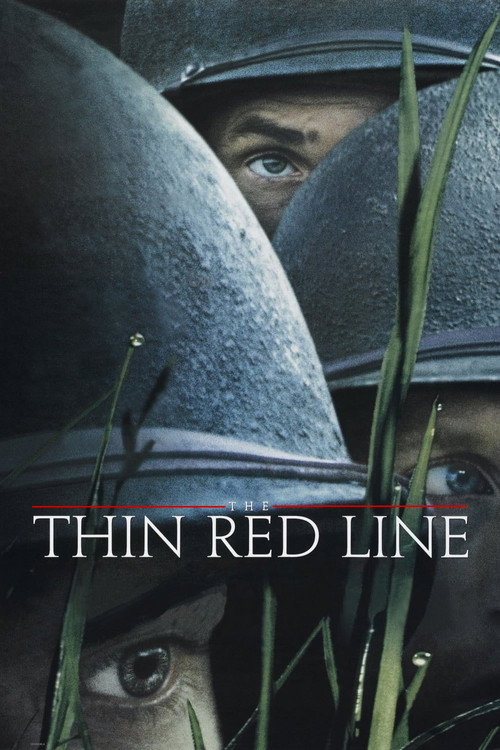
The Thin Red Line1998
Terrence Malick's Guadalcanal film moves between combat and philosophy, asking if war reveals truth or obscures it. Gorgeous and strange where Fires is grim, but equally serious about what soldiers become.
But Narration-heavy and impressionistic. Cuts between soldiers without a clear narrative thread. If you want straightforward storytelling, this dissolves it into poetry.
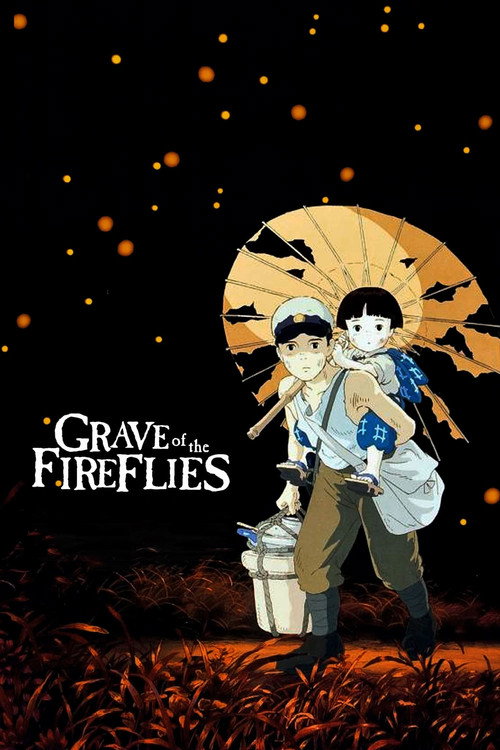
Grave of the Fireflies1988
Isao Takahata's animated film about two Japanese siblings starving during the firebombing campaign. Equally uncompromising about suffering. Proves the horrors of war don't need live action to devastate.
But Animation can feel distancing to some viewers. The pacing is slow. You know the ending from the first scene—the film is the *why*.
Not sure tonight? Get a pick in a minute, starting from Fires on the Plain
The wildcard
Something you would not have found on your own.
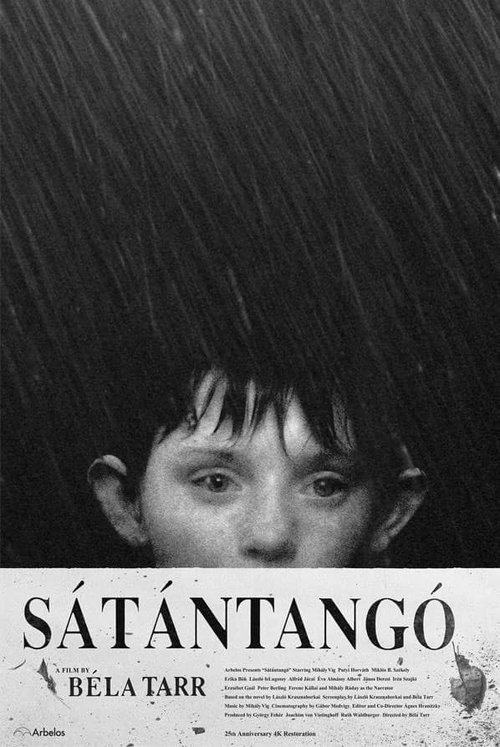
Satantango1994
Both strip away narrative momentum to show degradation as process, not event. Both refuse sentiment. Both insist you watch men become something other than themselves.
Béla Tarr's Hungarian masterpiece: seven and a half hours of people in a decaying collective farm, waiting, degrading, trying to find meaning in emptiness. It's Fires' spiritual cousin—same glacial pace, same refusal to look away from human dissolution.
But Black and white, glacially slow, minimal plot. Not a film you watch; a film you endure, which is exactly the point. Most audiences will quit.
More like this (7)
In the Realm of the Senses1976
Nagisa Oshima's film about obsession and the body during wartime Japan. Like Fires, it strips away social pretense to show what remains. Transgressive and formal in equal measure.
But Explicitly sexual. Controversial on release. Not about war directly—it's about desire as the one human thing war cannot destroy, which some find irrelevant.

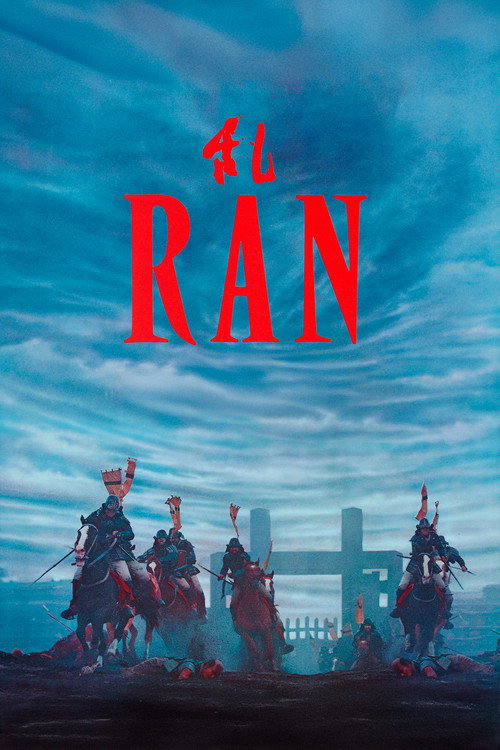
Ran1985
Kurosawa's samurai epic shows the chaos and stupidity of power struggles. Different era and style, but the same view: authority collapses into individual survival, and there's no honor in it.
But Three and a half hours. Operatic in scope. If you're looking for the intimate claustrophobia of Fires, Ran sprawls across landscapes and time.
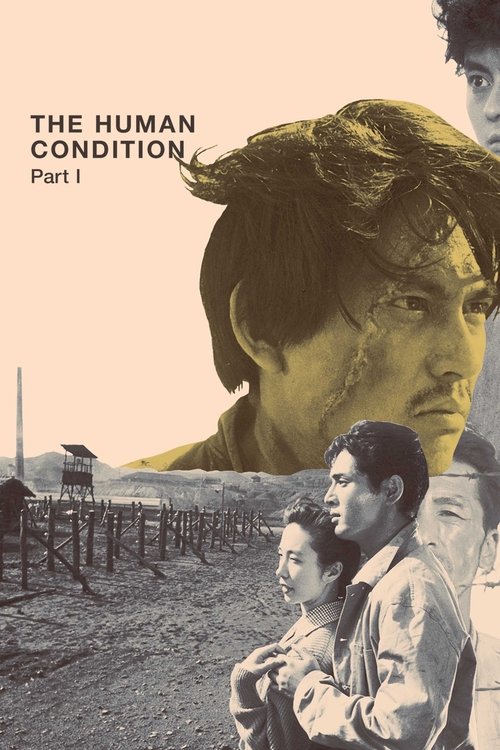
The Human Condition I: No Greater Love1959
Masaki Kobayashi's nine-hour trilogy following a pacifist drafted into the Japanese army. The definitive statement on how institutional violence crushes individual morality. Monumental.
But A serious commitment of time. Slow-paced. The first film alone is over three hours. Requires patience that few films demand anymore.
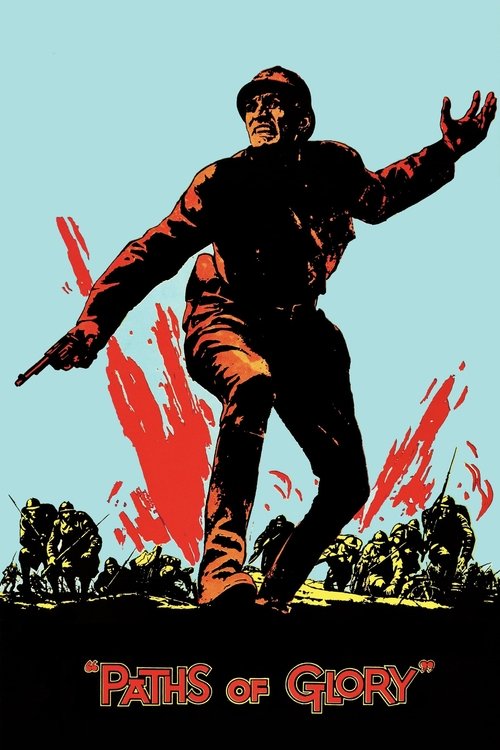
Paths of Glory1957
Kubrick's WWI film shows how armies use soldiers as expendable units. Tighter and faster than Fires, but the same contempt for the machinery that grinds men into nothing.
But The trial sequence, though brilliant, can feel schematic compared to the trench scenes. More interested in military logic than individual dissolution.
Stalker1979
Tarkovsky's science fiction film about desire and the unknown. Like Fires, it's about what happens when men are stripped of certainty. Hypnotic and philosophical where Fires is visceral.
But Science fiction in name only—really a philosophical meditation. Deliberately slow. If you want plot momentum, this will frustrate you.

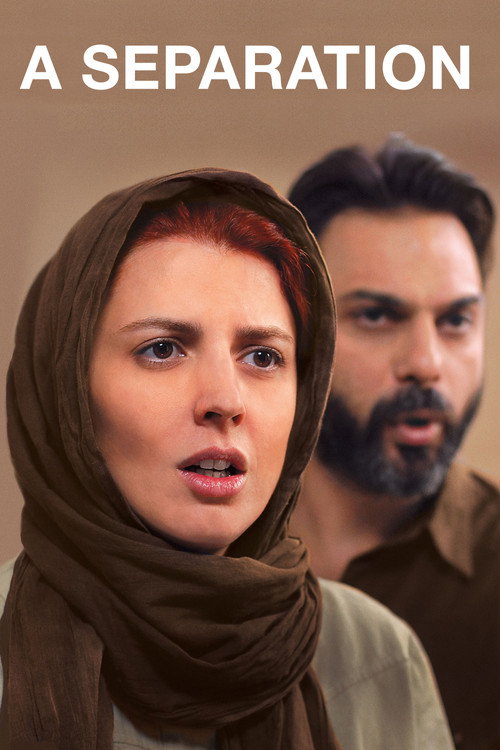
A Separation2011
Asghar Farhadi's film about a marriage collapsing under pressure. Not a war film, but structurally similar: civilized people discovering how thin the veneer is. Compressed, devastating, real.
But Domestic drama, not epic. If you're drawn to Fires for scale and combat, this is intimate and small. Also a bit dry in tone.
The Ballad of Little Jo1993
Both are about how survival requires shedding identity. Both show the self as negotiable under pressure, disposable. Both refuse to make this tragic or romantic.
Maggie Greenwald's Western about a woman passing as a man to survive on the frontier. Quiet, precise, about invisibility and the cost of pretense. Totally different genre and setting, but the same moral inquiry: what do you surrender to live?
But Westerns and gender politics don't sound like a match for a WWII survival film. Moves at a deliberate pace. Not what you're expecting.

People
Cast
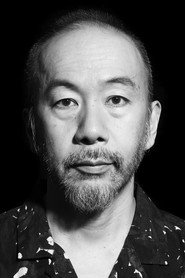 Shinya TsukamotoTamura
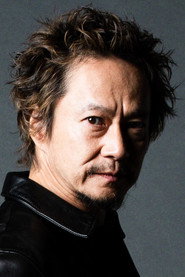 Tatsuya NakamuraCorporal
 Lily FrankyYasuda
 Yuko NakamuraTamura's Wife
 Yusaku MoriNagamatsu
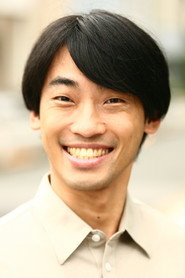 Hiroshi YamamotoSquad Leader
 Masato TsujiokaSoldier with Malaria
- Mamoru YamauchiArmy Doctor
- Takahiro KamitakaPrivate First Class
- Tsunehito IrieSenior Private
- Arlene DinglasanFilipino Woman
Directing
- Satoshi HayashiAssistant Director
- Shinya TsukamotoDirector
Writing
- Shohei OokaNovel
- Shinya TsukamotoScreenplay
Production
- Shinya TsukamotoProducer