
Film
The March
A 1990 TV film following thousands of African migrants crossing the Sahara and Mediterranean toward Europe, carrying a political message about global inequality. It's a rare mainstream engagement with migration as collective action rather than individual tragedy—urgent, allegorical, sometimes didactic. For viewers interested in how cinema confronts economics and borders.
If you liked this
Stalker1979
Tarkovsky's philosophical science fiction moves at the pace of genuine contemplation. A guide, a scientist, and a writer journey inward through a mysterious zone. It asks what we truly desire and whether we can bear to know.
But Nearly three hours of slow tracking shots and extended silences. If you need plot momentum or conventional drama, this will feel like waiting for something that never arrives.

The Battle of Algiers1966
A masterpiece about anticolonial resistance shot in urgent black-and-white. Gillo Pontecorvo captures the Algerian independence struggle with documentary immediacy and moral complexity. Essential viewing on cinema and politics.
But Graphic depictions of torture and violence. Its formal brilliance doesn't soften what it shows—it intensifies it. Some find the ambivalence about means and ends more unsettling than outright condemnation.

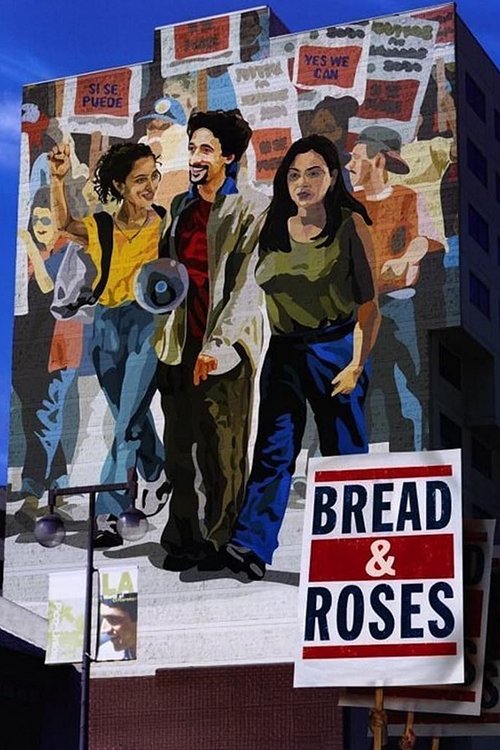
Bread and Roses2000
Ken Loach's film about immigrant janitors organizing for dignity in Los Angeles. Moving, angry, and grounded in real struggle. It treats working people as subjects of their own story rather than objects of pity.
But Loach's style can feel didactic to viewers expecting subtlety. The emotional beats are clear and sometimes broad. Not a film interested in moral ambiguity.
Not sure tonight? Get a pick in a minute, starting from The March
The wildcard
Something you would not have found on your own.
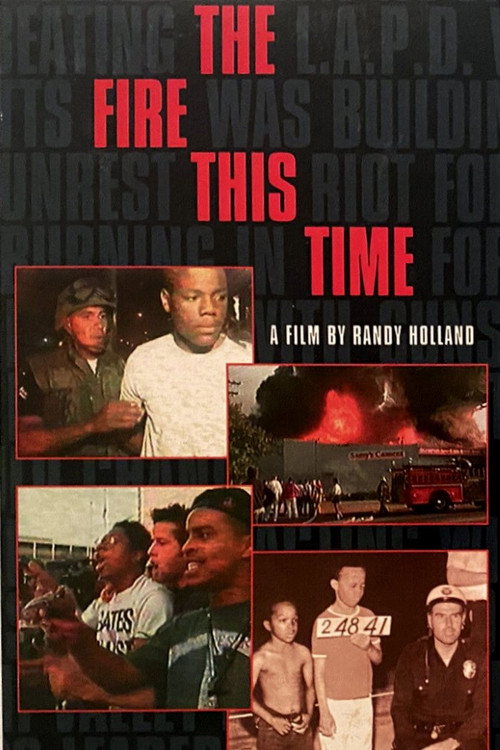
The Fire This Time1994
Both treat political conviction as cinematic substance rather than message wrapped in entertainment. Neither compromises the idea to reach a wider audience.
A radical documentary essay exploring race, police violence, and Black liberation through theory, archive footage, and image. Made by and for thinking people. It's James Baldwin and Black Panthers and rage and clarity, all at once.
But No conventional interviews or neutral framing. The film has a clear political position and doesn't pretend otherwise. If you want balance, you'll hate it.
More like this (7)
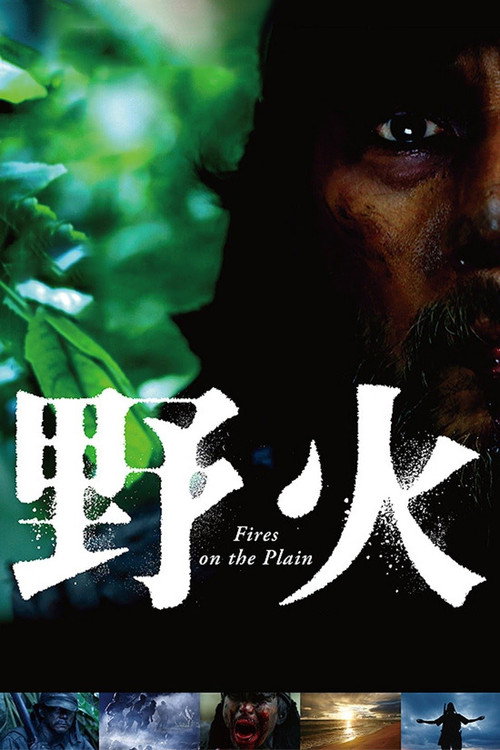
Fires on the Plain2015
Shin'ya Tsukamoto's devastating film about Filipino and Japanese soldiers during WWII, surviving on scraps and cannibalism. Visceral, hallucinatory, a true horror grounded in historical atrocity. Extraordinary filmmaking.
But Extreme body horror, graphic violence, and suffering. The film doesn't look away and neither should you, but that's asking something difficult.
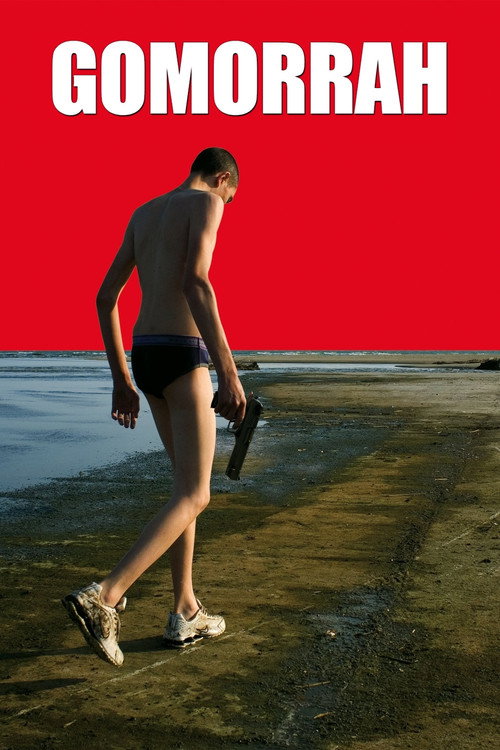
Gomorrah2008
Matteo Garrone's film about Neapolitan organized crime structures everyday life near Naples. Not a crime saga—a portrait of how systems of exploitation become invisible because they're normal.
But Multiple storylines with no conventional narrative through-line. The film trusts you to find the connections or sit with fragmentation.
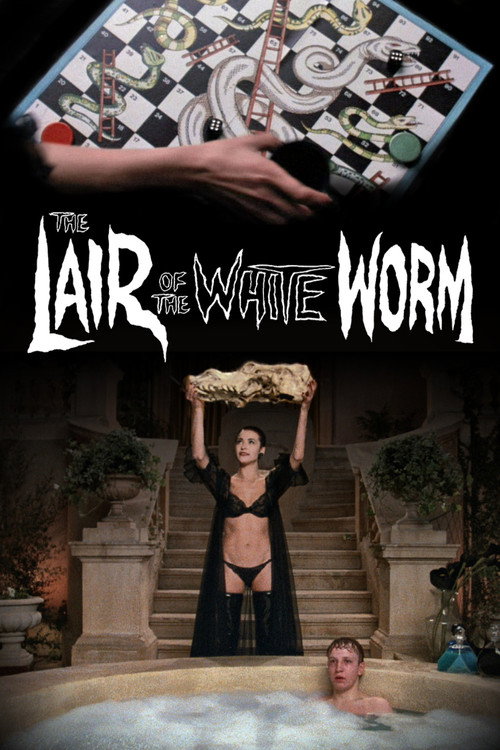
The Lair of the White Worm1988
Ken Russell's delirious, erotic Gothic horror about an aristocratic vampire woman. Wildly inventive, visually extravagant, genuinely strange. A director at full fever pitch.
But Tastes wildly between sublimity and ridicule—often on the same shot. The sexual violence and animal cruelty are real and ugly, not stylized.
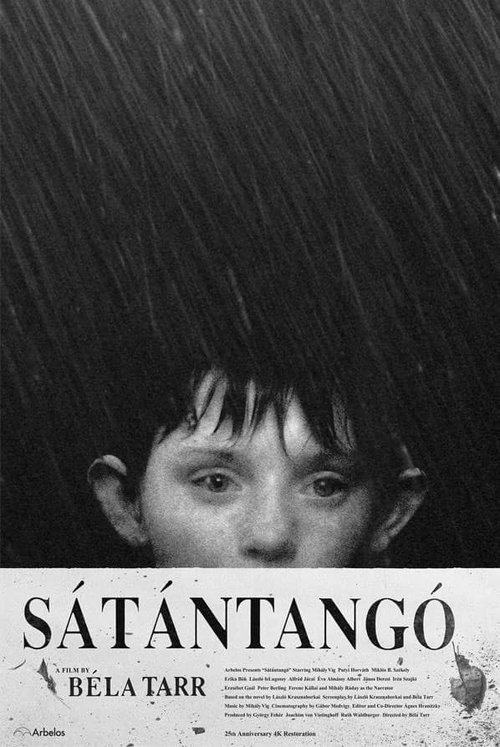
Satantango1994
Béla Tarr's seven-and-a-half-hour masterpiece about a community in a decaying Hungarian town, filmed in hypnotic black-and-white. Time becomes texture. You'll feel the weight of waiting and false hope.
But Seven and a half hours, minimal plot, static camera, no conventional entertainment. It's asking for surrender, not engagement. Most people will find it punishing.
Chungking Express1994
Wong Kar-wai's radiant, formally inventive film about loneliness and connection in Hong Kong. Two stories, acid colors, a cop in love with a woman who doesn't know him. Longing has never looked this beautiful.
But The narrative is deliberately elusive and the tone shifts without warning. It privileges mood over story. Some will find it precious rather than moving.

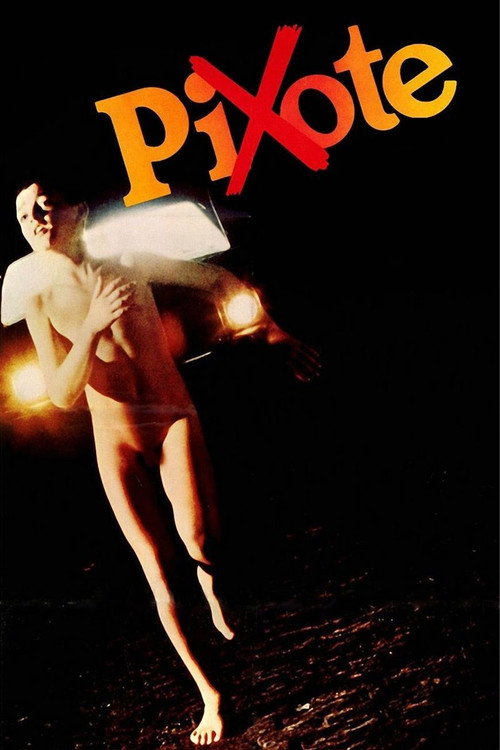
Pixote1980
Both center displaced populations not as tragedy or spectacle but as agents moving through a system designed against them. The camera respects their agency without softening their situation.
Héctor Babenco's shattering film about street children in São Paulo. Shot with real favela kids, it's neither exploitation nor sentimentality—a document of structural violence that never looks away but never condescends.
But Graphic poverty, child abuse and abandonment, and the murder of a child. The film's realism means it shows suffering without narrative redemption. Difficult and necessary, not cathartic.
Sans Soleil1983
Like The March, it grapples with inequality and movement across borders, but through associative rather than narrative means. Both see cinema as a tool for political thought, not illustration.
Chris Marker's essay-film is a meditation on memory, travel, politics, and cinema itself. Images from Guinea-Bissau, Japan, and Iceland. Marker's voice narrates fragmentary thoughts on colonialism, capital, and what lingers. Hypnotic and strange.
But There is no plot and no conventional structure. It requires you to think alongside it rather than follow. The density of ideas can feel overwhelming on first viewing.

People
Cast
 Malick BowensIsa El-Mahdi
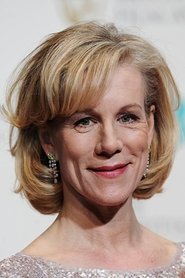 Juliet StevensonClare Fitzgerald
 Dermot CrowleyRoy Cox
- Mary DuddyWoman in Studio
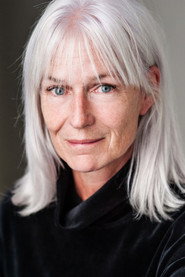 Sian WebberJenny
Directing
- David WheatleyDirector
Writing
- William NicholsonWriter