
Film
2 or 3 Things I Know About Her
Godard's provocative 1967 essay-film about a Parisian housewife turning to sex work in the age of consumer capitalism. It's a collage of philosophy, politics, and everyday life—fractured, digressive, sometimes maddening. For viewers ready to think as much as watch, and willing to meet a restless formal experiment halfway.
Should you watch it?
Watch it if you enjoy essayistic films that wander between documentary observation and fiction, where the pleasure lies in a voiceover musing on consumer Paris and in long, deliberately fragmented scenes.
Skip it if you want a conventional plot that moves forward with momentum; this one is loose, digressive and often cool in tone, and its ideas may feel more like a lecture than a story.
What it asks of you: It runs about an hour and a half and asks you to stay patient with stretches of quiet observation, Brechtian distance and repeated everyday routines rather than rewarding you with steady emotional payoffs.
Not sure? Find tonight's pick in a minute.
If you liked this
Vivre Sa Vie1962
Godard's earlier portrait of a woman navigating Paris and sex work, with crystalline black-and-white photography and philosophical rigor. A masterclass in how cinema can be both intimate and intellectual.
But It moves by association and mood rather than plot. If you want narrative momentum, you'll feel its absence acutely.

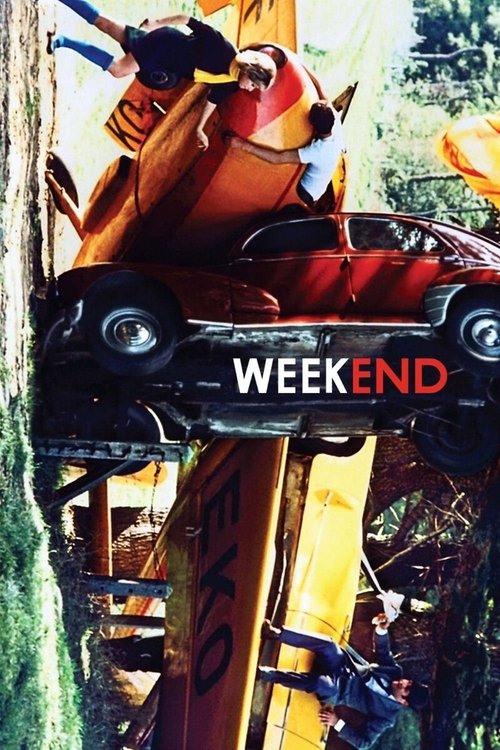
Weekend1967
Godard's other 1967 masterwork: a bourgeois couple's roadtrip becomes apocalyptic satire of consumer society and bourgeois complacency. Audacious, blackly funny, formally daring in ways that still shock.
But The violence is graphic and deliberate. It's a film designed to alienate as much as provoke—that's kind of the point, but the point isn't for everyone.
Contempt1963
Godard's most accessible film: a marriage dissolving while a producer, writer, and director clash over a Homeric adaptation. Technicolor beauty paired with marital anguish. Brigitte Bardot is extraordinary.
But The philosophical asides can derail what feels like a conventional drama. Not everyone wants Godard's ideas interrupting their feelings.

Not sure tonight? Get a pick in a minute, starting from 2 or 3 Things I Know About Her
The wildcard
Something you would not have found on your own.
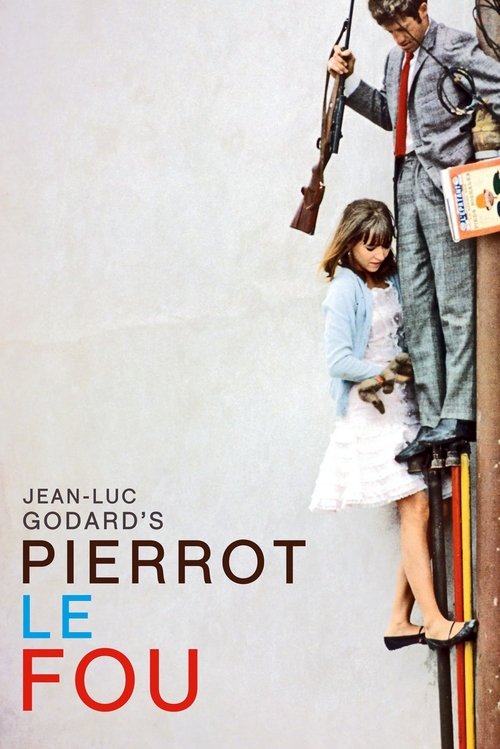
Pierrot le Fou1965
Both films document the economic desperation of ordinary French people, but where 2 or 3 Things stays grounded in the mundane, Pierrot explodes into romantic myth—showing how fantasy becomes another trap.
Godard and Belmondo's most lyrical film: a couple flee Paris in a Cabriolet and slowly destroy each other, painted in electric primary colors. It's Godard having genuine fun, and you can feel it.
But The narrative is deliberately circular and circular narratives exhaust people. Also: Belmondo's face painted blue for the final act may feel whimsical or ridiculous depending on your tolerance.
More like this (5)
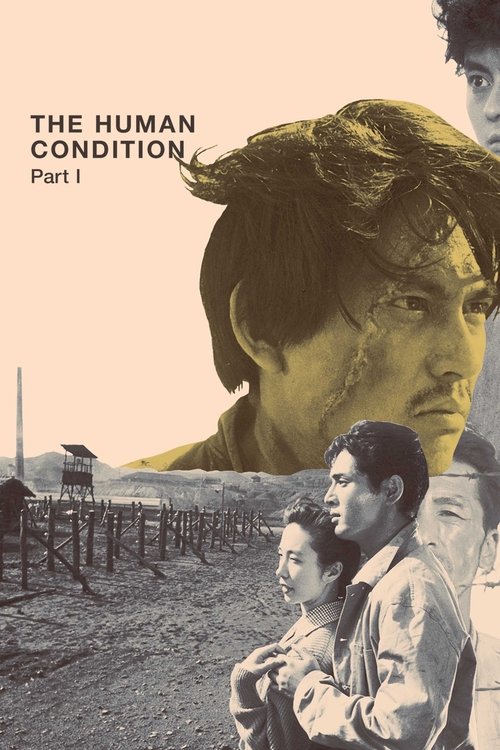
The Human Condition I: No Greater Love1959
Masaki Kobayashi's nine-hour humanist epic about a pacifist refusing to participate in the machinery of war. Rigorous, uncompromising, morally unambiguous in ways Godard never is.
But Nine hours. It demands everything. Watch in installments or commit a full day—there's no alternative.
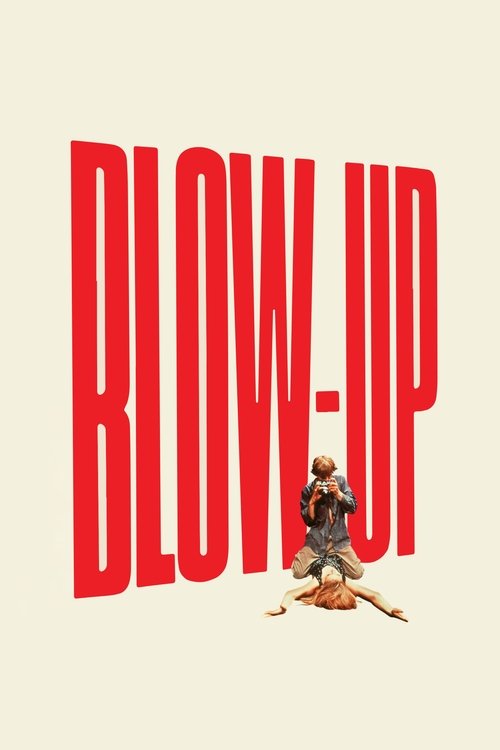
Blow-Up1966
Antonioni's fractured London mystery about a photographer who may have witnessed a crime. Formally dazzling, erotically charged, and genuinely unsettling. The decade's visual sophistication at full tilt.
But The narrative deliberately dissolves. If you need plot resolution, this will frustrate you by design.
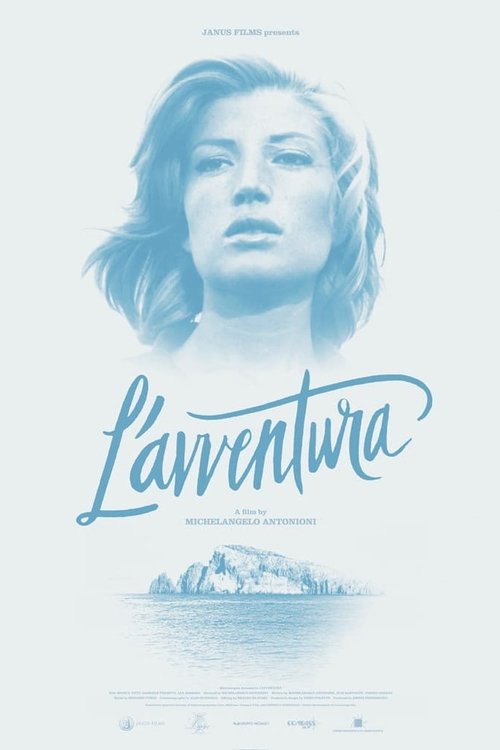
L'Avventura1960
Antonioni's investigation into ennui among the Italian bourgeoisie. A woman disappears; no one quite cares enough. Glacial pacing matched to extraordinary landscape photography and moral emptiness.
But Deliberately anticlimactic. Intended to bore you into recognition of a deeper alienation. That intention doesn't guarantee it won't just bore you.
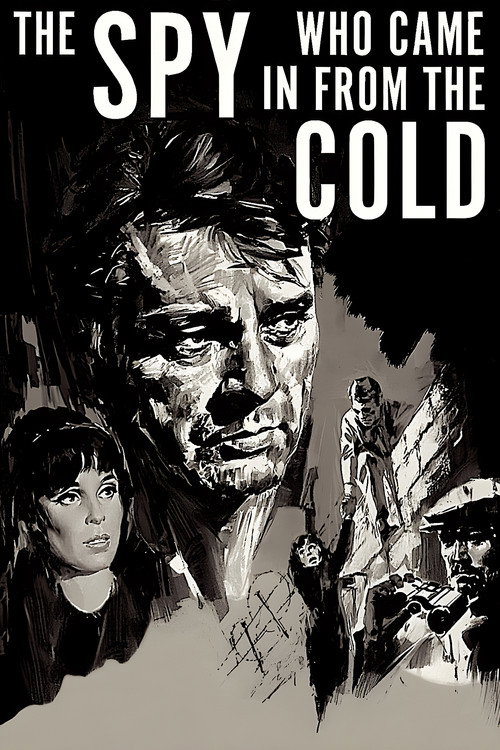
The Spy Who Came In from the Cold1965
John le Carré's Cold War realism adapted with documentary austerity. Spycraft as bureaucratic tedium rather than glamour. Richard Burton is perfectly, exhaustedly right.
But It's grimly functional, aesthetically unglamorous. If you want cinematic pleasure, this offers something closer to obligation.
Sans Soleil1983
Both are Godard-adjacent experiments in collage and digression, but Marker uses the form to build toward emotional truth rather than philosophical rupture. It's what happens when Godard's techniques are deployed in service of genuine longing.
Chris Marker's video essay: a meditation on memory, politics, and cinema itself, told through footage from Guinea-Bissau, Japan, and Iceland. Hypnotic, devastating, and formally alive in ways most narrative cinema isn't.
But It's not a film in any conventional sense—it's pure essay and montage. If you need actors and scenes, this will feel like punishment.

People
Cast
 Marina VladyJuliette Jeanson
 Jean-Luc GodardNarrator (voice)
 Anny DupereyMarianne
- Roger MontsoretRobert Jeanson
 Raoul LévyJohn Bogus, the American
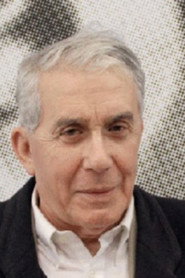 Jean NarboniRoger
 Yves BeneytonYoung Man
 Juliet BertoGirl Talking to Robert
- Helena BielicicGirl in Bath
 Christophe BourseillerChristophe Jeanson
- Marie BourseillerSolange Jeanson
Directing
- Charles L. BitschAssistant Director
- Isabelle PonsAssistant Director
- Jean-Luc GodardDirector
Writing
- Jean-Luc GodardWriter
Production
- Anatole DaumanProducer
- Raoul LévyProducer
- Claude MillerProduction Manager
- Philippe SennéProduction Supervisor
Recommended by
A Man and a Woman, Céline and Julie Go Boating, Weekend, Godard's Passion, Made in U.S.A, The Married Woman, Le Petit Soldat, Subjectivity, Number Two