
Film
Pierrot le Fou
A restless husband ditches his marriage for a girl mixed up with gunrunners, and Godard turns their flight south into a jazzy, jump-cut fever dream — primary colours, songs, direct-to-camera asides, sudden bursts of violence. It's less plot than mood: playful, melancholic, self-aware almost to the point of parody. For anyone wanting cinema that improvises like music rather than tells a story.
If you liked this
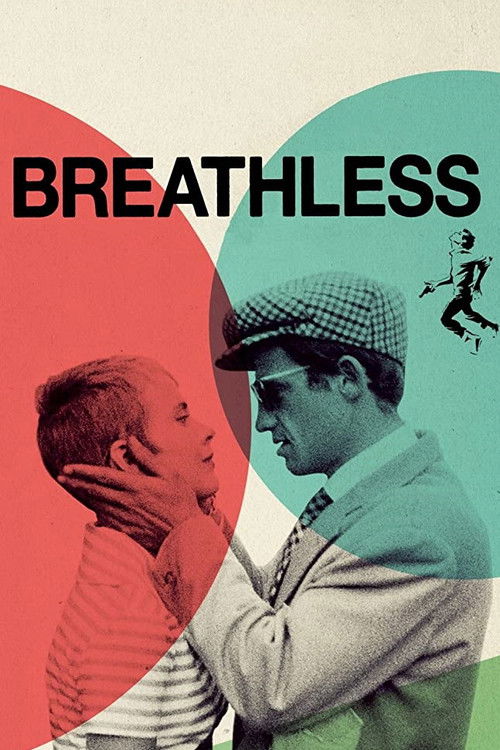
Breathless1960
The film that made Belmondo a star and put Godard's jump-cut anarchy on the map — see where Ferdinand's restless cool actually came from, five years earlier.
But Rougher, cheaper, and monochrome; if you want Pierrot's saturated widescreen lyricism this feels comparatively austere.
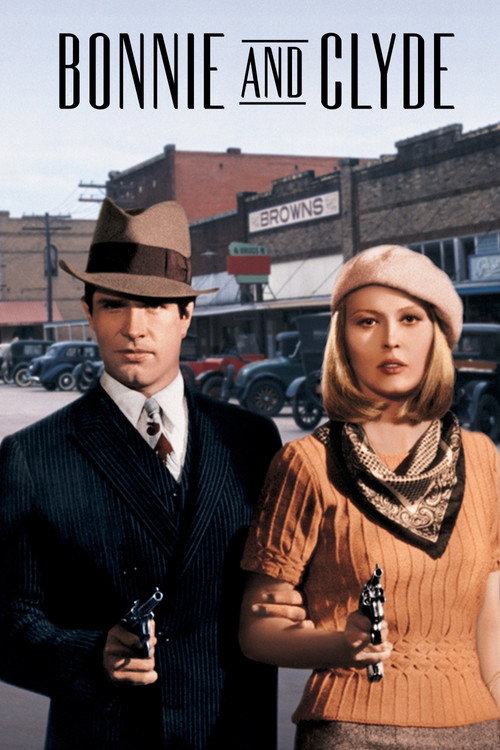
Bonnie and Clyde1967
American cinema's own couple-on-the-run myth, glamorous and doomed, directly indebted to the French New Wave's cool amorality and sudden violence.
But More classically structured and star-lit than Godard's ramshackle collage; less interested in interrupting itself.
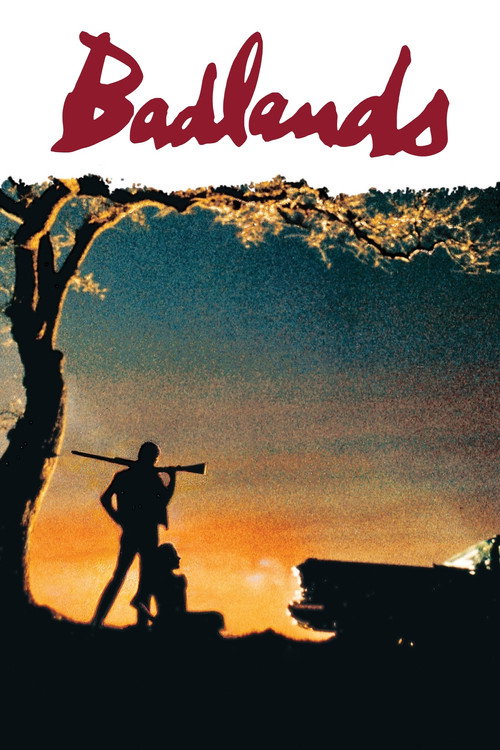
Badlands1973
Malick's debut turns the runaway-lovers story into hushed, poetic Americana — gorgeous, eerie, and just as morally weightless as Ferdinand and Marianne's spree.
But Glacially paced and deadpan where Pierrot is manic; dry wit instead of jokes, patience required.
The wildcard
Something you would not have found on your own.
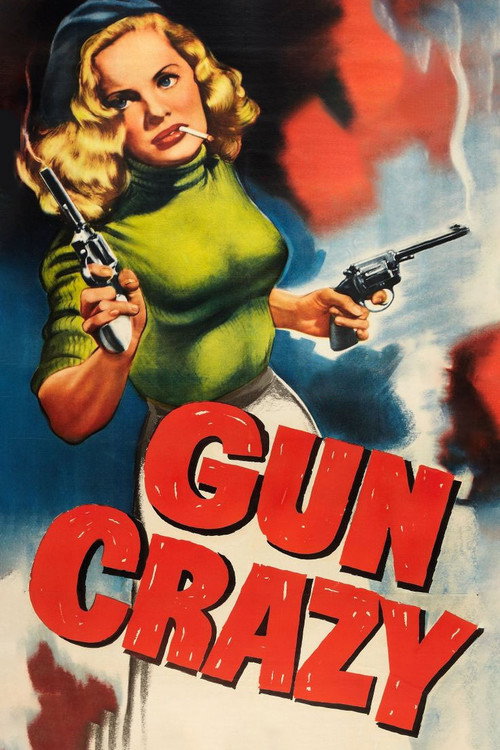
Gun Crazy1950
Godard and his New Wave friends worshipped exactly this kind of cheap American pulp; Pierrot le Fou is his loving, ironic remix of the doomed-couple template Gun Crazy set fifteen years earlier.
A poverty-row noir about a besotted couple who rob and run because they can't stop themselves — raw, fast, and astonishingly modern in its fatalism.
But Black-and-white B-movie grain and 1950 pacing; none of Godard's colour, jokes, or narrative games.
More like this (8)
Contempt1963no page yet
Godard again, in ravishing CinemaScope colour, dissecting a marriage and the movie business with the same painterly compositions and sardonic detachment.
But Slower and talkier, more about disillusionment with cinema itself than pulp thrills or romantic flight.
Band of Outsiders1964no page yet
Godard's playful heist-that-isn't, with the famous Madison dance sequence — the same appetite for genre games and tenderness hiding under a cool surface.
But Slighter and more whimsical, with lower stakes than Pierrot's slide into obsession and violence.
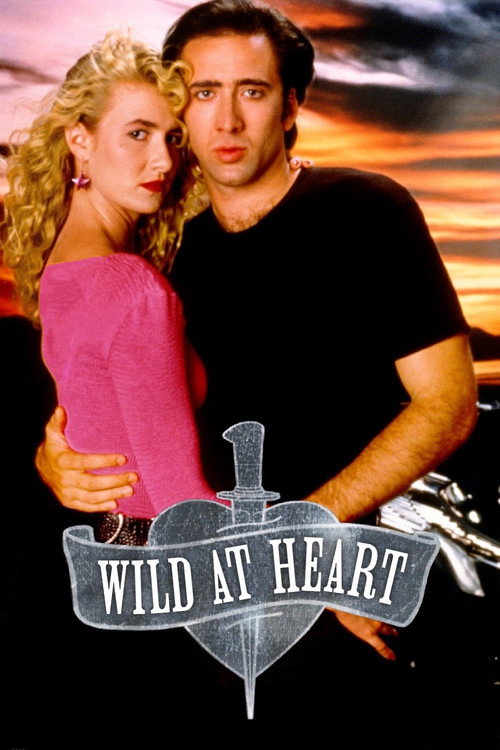
Wild at Heart1990
Lynch's lurid, Elvis-quoting road movie about a couple fleeing into American weirdness shares the same anything-goes tonal whiplash and pop-art violence.
But Broader, campier, and more horror-inflected than Godard's irony; not for the squeamish.
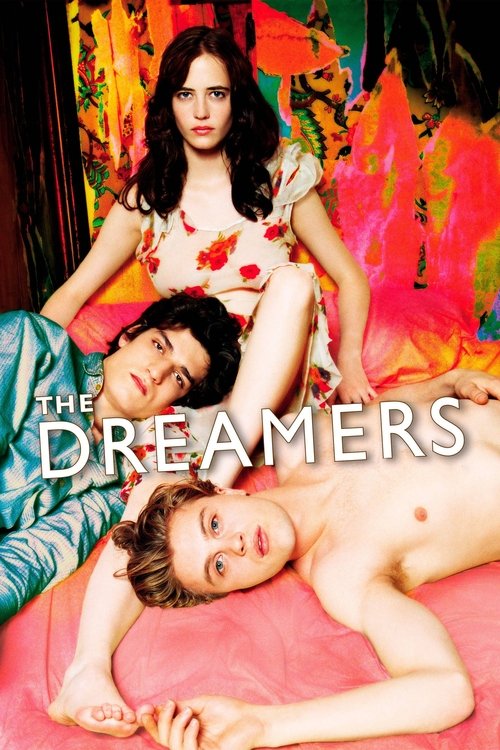
The Dreamers2003
Bertolucci's ode to cinephile Paris in '68 is steeped in the same New Wave iconography and reckless, self-mythologising youth that fuels Pierrot's escape.
But More explicit and hothouse-intense; trades Godard's irony for earnest, sometimes uncomfortable eroticism.
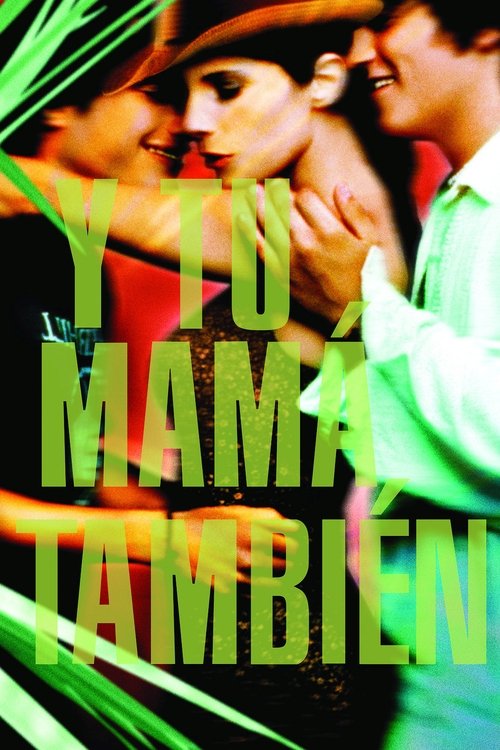
Y Tu Mamá También2001
A different continent, decades later, but the same intoxicating mix of a wild road trip, sexual freedom, and a melancholy undertow beneath the joyriding.
But Naturalistic and emotionally grounded rather than stylised; little of Godard's formal playfulness or humour.
The Sugarland Express1974no page yet
Spielberg's little-seen debut is a scrappy, fact-based lovers-on-the-run chase that shares Pierrot's mix of comedy, tenderness, and creeping doom.
But Far more conventional Hollywood filmmaking, with none of Godard's essayistic asides or colour-drunk style.
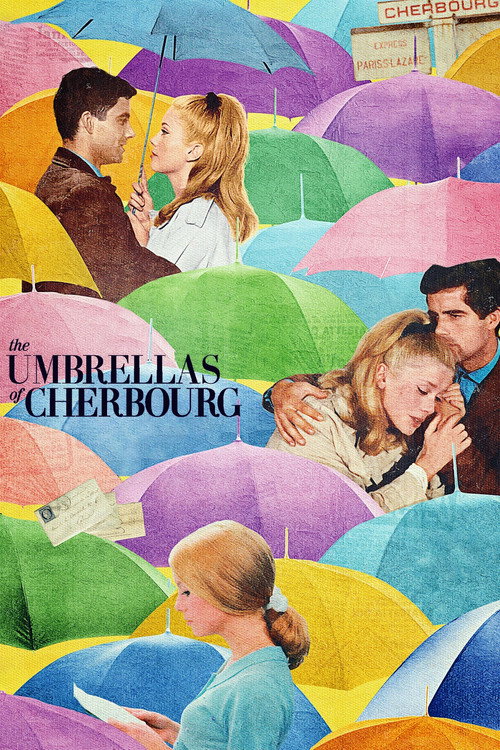
The Umbrellas of Cherbourg1964
Made the same year by Godard's friend and rival Jacques Demy, it shares Pierrot's primary-colour palette and doomed-romance heart, but plays it as heartfelt operetta instead of cool collage.
A wall-to-wall sung romantic melodrama in candy colours, where love collides with ordinary economic reality instead of gunfights — gorgeous and quietly devastating.
But Entirely sung dialogue and a much gentler, sadder register; no violence, no irony, no jokes at cinema's expense.
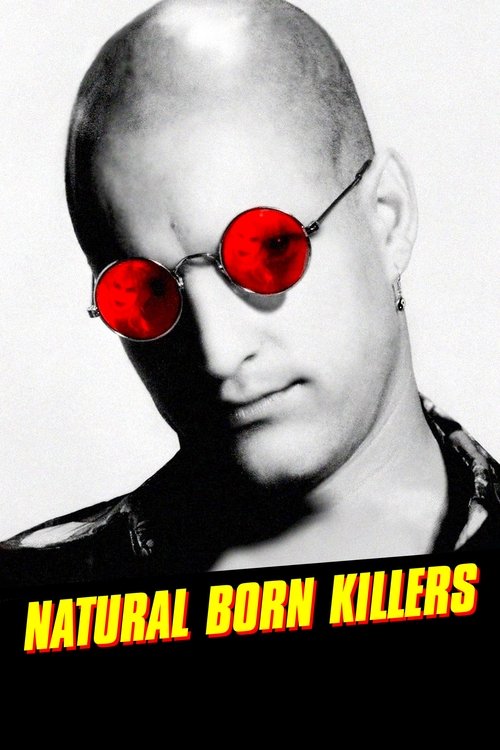
Natural Born Killers1994
Stone borrows Godard's jump cuts, direct address, and genre-smashing directly, blowing Pierrot's cool disaffection up into a loud, furious American satire of the same runaway-couple myth.
Oliver Stone's hallucinatory satire follows another couple burning across America, jump-cutting through film stocks and genres in a media-drunk frenzy of style.
But Far more violent, garish, and cynical — this is Godard's collage technique weaponised into an assault on TV culture, not a mood piece.
People
Cast
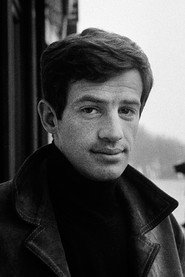 Jean-Paul BelmondoFerdinand Griffon, 'Pierrot'
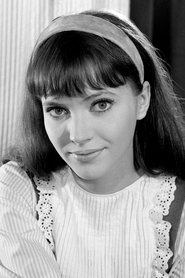 Anna KarinaMarianne Renoir
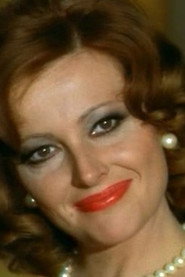 Graziella GalvaniMaria, Ferdinand's Wife
- Aicha AbadirAicha Abadir (uncredited)
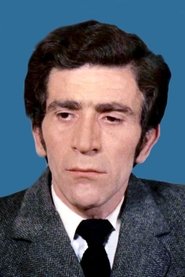 Henri AttalThe First Pumpman (uncredited)
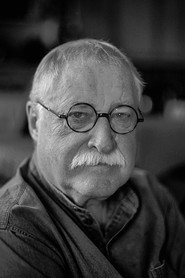 Pascal AubierThe Second Brother (uncredited)
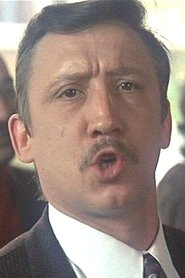 Maurice AuzelThe Third Pumpman (uncredited)
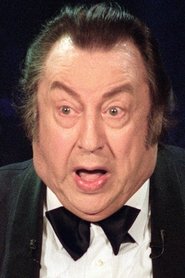 Raymond DevosThe Man from the Port (uncredited)
- Roger DutoitThe Gangster (uncredited)
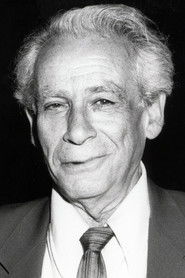 Samuel FullerSamuel Fuller (uncredited)
- Pierre HaninThe Third Brother (uncredited)
- Jimmy KaroubiThe Dwarf (uncredited)
Directing
- Jean-Pierre LéaudAssistant Director
- Philippe FourastiéAssistant Director
- Jean-Luc GodardDirector
Writing
- Lionel WhiteNovel
- Rémo ForlaniScreenplay
- Jean-Luc GodardWriter
Production
- Dino De LaurentiisProducer
- Georges de BeauregardProducer
- René DemoulinProduction Manager
- Roger FerretUnit Manager
- Roger ScipionUnit Production Manager