
Film
The Story of a Cheat
- Con-artist caper
- Comedy
- Light-hearted
A French charmer narrates his own life of elegant deceptions: a man who learned early that cheating pays, gliding through crimes and romantic entanglements with witty insouciance. Sacha Guitry directs himself in this 1936 marvel—almost silent, driven by his honeyed voice spinning tales of scams and near-misses. It's cinema as confession, urbane and mischievous, for anyone who loves style over morality.
If you liked this
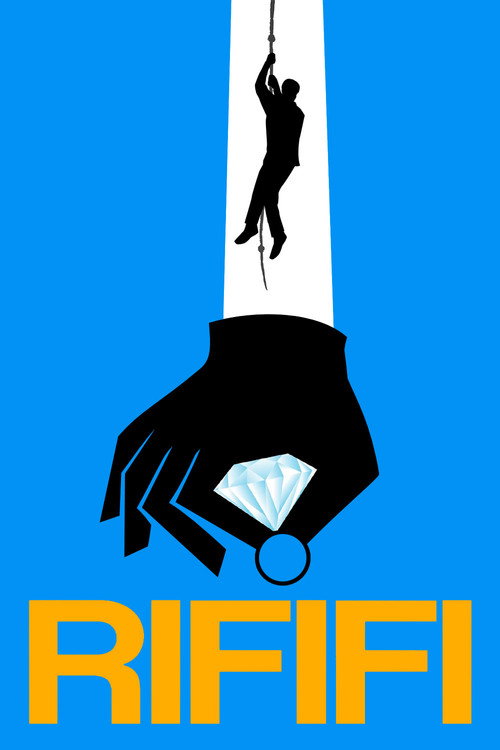
Rififi1955
A master thief plans an audacious heist in post-war Paris. Like Guitry's film, it celebrates the artistry of crime and the code among crooks, with style and ingenuity as their own reward. Silent sequences make technique shine.
But The pacing is deliberate, almost dreamlike. There's little moral comfort here—crime is presented as beautiful, which bothers some viewers more than others.
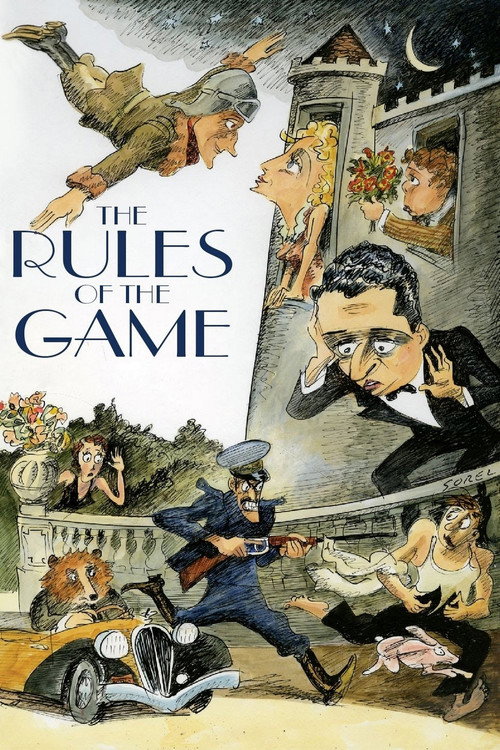
The Rules of the Game1939
Renoir's masterpiece observes the same French society Guitry moves through—the same drawing rooms, the same moral ambiguity, the same refusal to condemn anyone. Complex, intelligent, endlessly rewatchable human comedy.
But It's long, intricate, and demands attention. Multiple plotlines weave without resolution. Not a film you can half-watch.
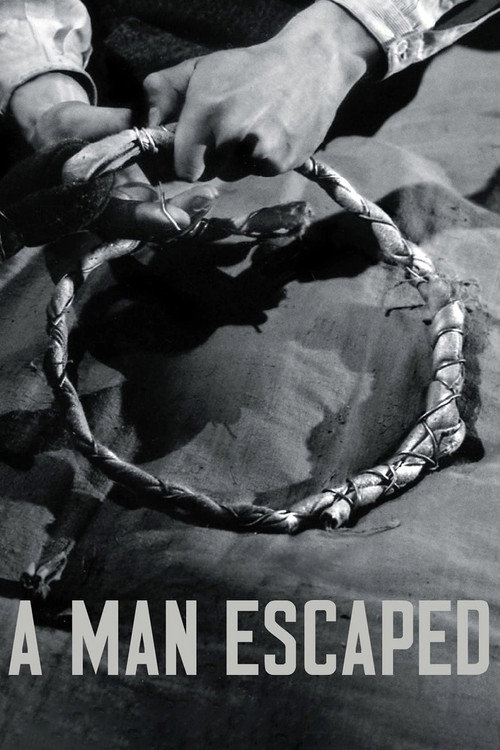
A Man Escaped1956
A French POW meticulously engineers his escape from a Nazi prison. Like Guitry, it celebrates cunning, patience, and the satisfying architecture of a perfect plan. Bresson finds drama in minute detail and moral clarity.
But It's austere and slow. Bresson offers no musical score, no emotional manipulation—just the facts of ingenuity and will. Some find it punishing rather than graceful.
Not sure tonight? Get a pick in a minute, starting from The Story of a Cheat
The wildcard
Something you would not have found on your own.
The Phantom Carriage1921
Both are virtuoso exercises in unreliable narration and the power of voice to shape how we judge a protagonist. One celebrates a rogue's cleverness; the other haunts a man with his own damage.
A Swedish silent masterpiece: a man dies and is haunted by the trolley that collects the dead, forced to witness the wreckage of his cruelty. Like Guitry's film, it uses voice (via intertitles) and visual storytelling to narrate a life—but where Guitry celebrates wit, Sjöström excavates conscience. Both are audacious experiments in narrative voice itself.
But It's fifteen years older than Guitry's film and shot in that period's aesthetic. The moral seriousness is total—there's no charm, no humor. Some find it glacially slow and visually remote.

More like this (6)
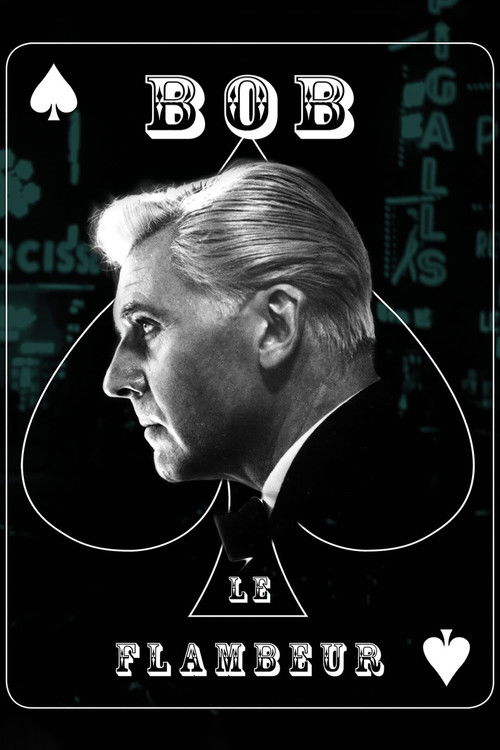
Bob le Flambeur1956
A retired safecracker plans one last casino heist in Paris. Melville captures the same romance of crime as Guitry—the suave criminal as protagonist, the heist as poetry. Influenced by Guitry's approach but with cooler, darker stylishness.
But The plot is thin and deliberately so. It's more mood and character than narrative momentum. If you need stakes and suspense, look elsewhere.
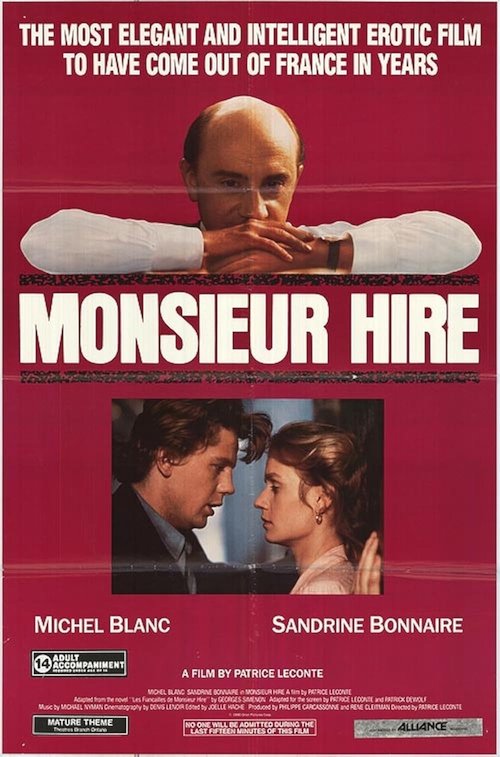
Monsieur Hire1989
A mysterious loner becomes both suspect and savior in a murder investigation. Quiet, ambiguous, and sympathetic to its troubled protagonist in ways society isn't. Explores the interior life of a man society has already judged.
But It's slow, interior, and deeply uncomfortable. The protagonist is unsettling, and the film offers no easy catharsis or redemption.
A Prophet2009
A young man survives prison by becoming indispensable to both inmates and guards. Like Guitry's trickster, he thrives by reading people and playing systems. Compelling portrait of intelligence as survival tool in an amoral world.
But It's grim and violent. The settings are bleak; the moral universe is utterly grey. Some will find it depressing rather than exhilarating.

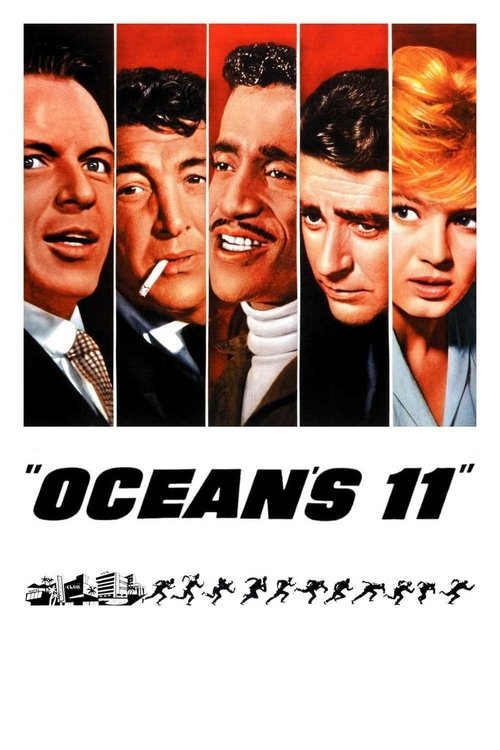
Ocean's Eleven1960
Sinatra and his crew rob Vegas in this glossy, airy heist film. It shares Guitry's tone: crime as entertainment, style as substance, the con as social performance. Lightweight but genuinely fun.
But It's slight. No real tension, minimal stakes, and the whole enterprise is designed to be breezy rather than gripping. Some find it frivolous.
The Killing1956
Both use narration as the true subject. The story matters less than how it's told and by whom—and both ask you to enjoy being complicit in an unreliable account.
Kubrick's debut: a racetrack heist told in fractured time by multiple narrators, each lying or mistaken. Like Guitry, it's fascinated by how stories are told—the narrator's voice colors everything. But where Guitry is charming, Kubrick is sharp and clinical; where Guitry celebrates crime, Kubrick shows it devouring itself.
But The fractured narrative is deliberately disorienting. Some find the technique more interesting than the story; the emotional investment is minimal by design.

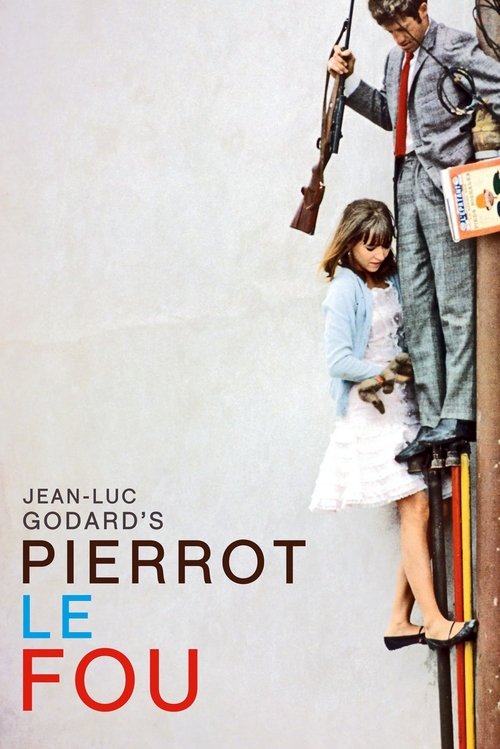
Pierrot le Fou1965
Both are essays on liberty disguised as narratives—both ask what it means to live outside society's rules. One is told as memoir; the other as fever dream. Both make anarchy seem seductive.
Godard's wildly colorful film-essay about a man and woman fleeing society in a stolen car—French New Wave anarchism at its most exhilarating. Like Guitry's film, it's playful, digressive, and anarchic about narrative. But where Guitry is elegant 1930s wit, Godard is electric 1960s rebellion: faster, brasher, more visually audacious.
But It's deliberately shapeless. The plot dissolves into philosophy, color, and formal games. If you need narrative clarity and dramatic structure, this will frustrate you intensely.
People
Cast
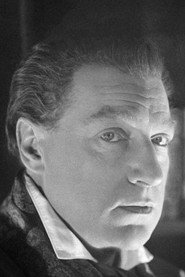 Sacha Guitryle tricheur
 Jacqueline Delubacla femme
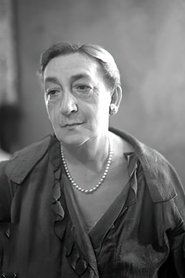 Marguerite Morenol'aventurière
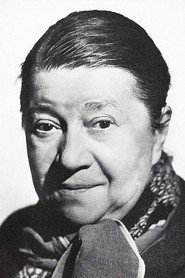 Pauline CartonMadame Moriot
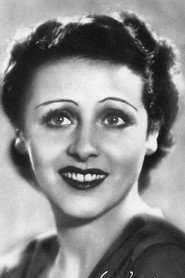 Rosine Deréanla voleuse professionnelle
 Fréhella rouquine, chanteuse du beuglant
 Elmire Vautierla comtesse Beauchamp (jeune)
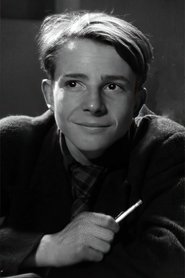 Serge Gravele tricheur (petit garçon)
 Pierre Assole tricheur (jeune homme)
 Roger DuchesneSerge Abramitch
 Henri PfeiferM. Charbonnier
 Pierre LabryMaître Morlot, le notaire et cousin