
Film
O. Henry's Full House
- Drama
- Dip in and out
Five O. Henry stories woven into one film, each a tight moral fable about ordinary people caught between self-interest and decency. Handsomely shot in black-and-white, it alternates between comedy and genuine pathos without ever feeling maudlin. A curio that works best if you come for the ensemble cast and stay for the warmth.
Should you watch it?
Watch it if you love short stories with a sly, warm wit and enjoy hopping between five different tones in one sitting, from wry comedy to quiet sentiment.
Skip it if you want a single, unbroken story, since this is five separate vignettes of uneven weight and the sentiment can feel dated and sugary.
What it asks of you: Just under two hours, delivered in five self-contained bursts, so it rewards patience with the slower stretches and lets you dip in and out easily.
Not sure? Find tonight's pick in a minute.
If you liked this
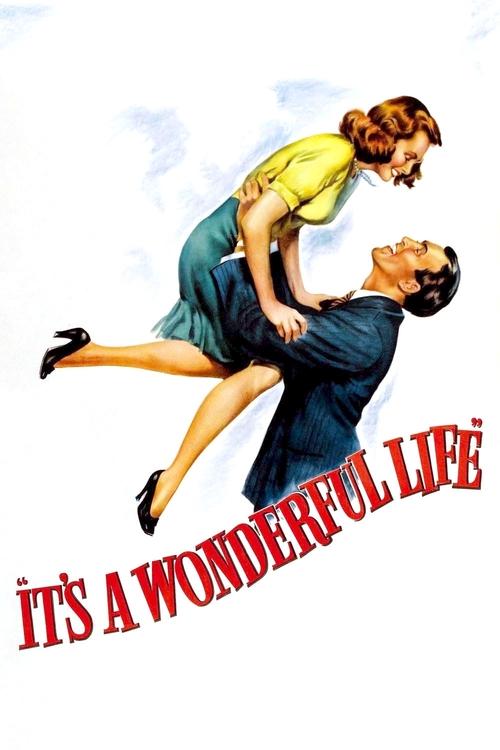
It's a Wonderful Life1946
A film equally interested in how small kindnesses ripple outward and how desperation can make you doubt your own worth. Both find grace in ordinary lives and small towns, neither preaches.
But Much longer and much more committed to sentimentality. If you want your heartwarming stories lean and unsentimental, this one swells.
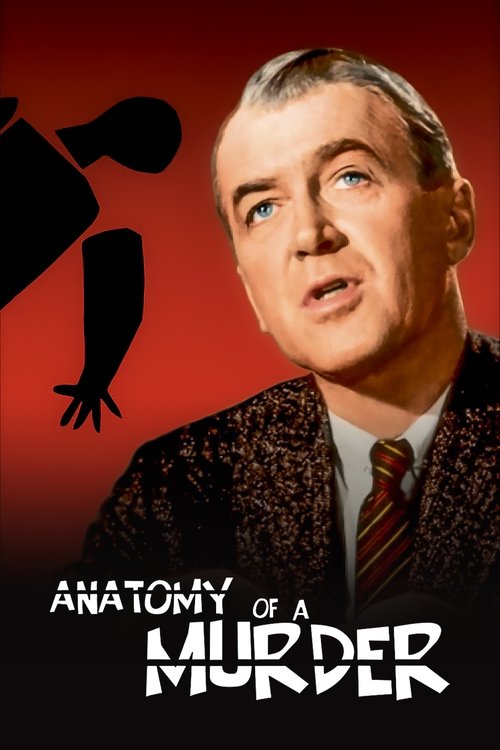
Anatomy of a Murder1959
Same ensemble-cast-tackling-separate-cases structure, grounded in character and dialogue rather than plot. Both trust you to care about people without manufactured drama.
But Courtroom procedural heaviness. Where O. Henry is light-footed and episodic, this is methodical and sustained.
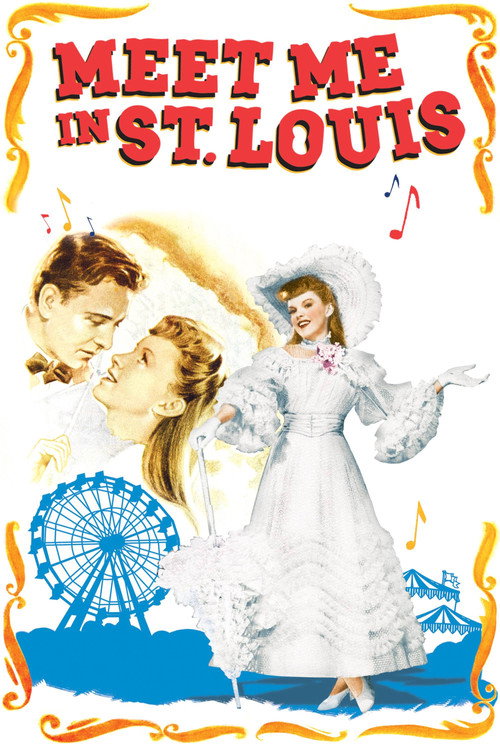
Meet Me in St. Louis1944
Another collection of moments, sketches almost, about a family finding meaning in small rituals and each other. MGm glamour wrapped around genuine emotional insight.
But Unabashedly romantic and nostalgic. If you want your Americana without the wistfulness, look elsewhere.
Not sure tonight? Get a pick in a minute, starting from O. Henry's Full House
The wildcard
Something you would not have found on your own.
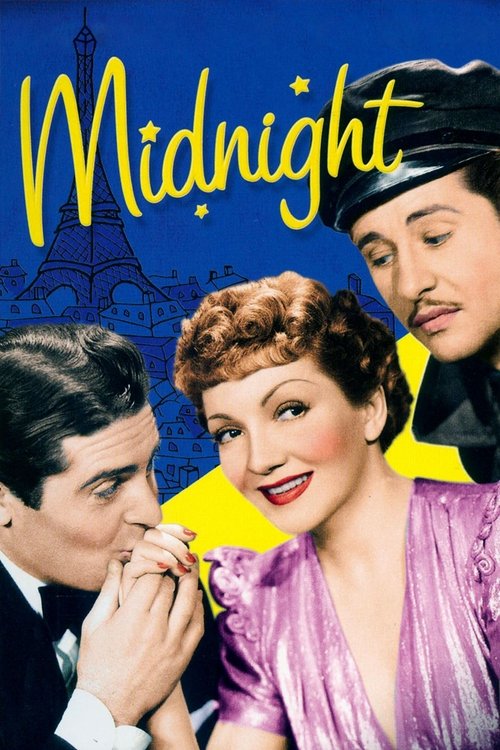
Midnight1939
Both are really about what you do when you have nothing, and both suggest that kindness and self-preservation aren't enemies.
Wilder's masterclass in moral compromise and survival—a woman with no money, no place, no options makes a series of small choices that keep her alive. The same question animates both: how do decent people act when they're cornered?
But Rapid-fire dialogue and European sophistication rather than Henry's sentimental Americana. Cynical where this is gentle.
More like this (8)
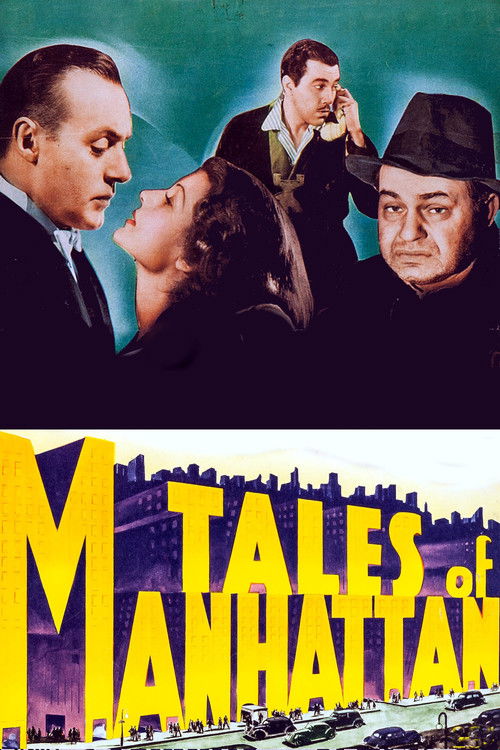
Tales of Manhattan1942
A coat passes through different hands; each segment explores what it means to different people. Exact same architecture as Full House—episodic, ensemble, about objects and choices.
But Feels more dated and more scattered. The connecting device is clever but the stories themselves are thinner.
The Asphalt Jungle1950
Heist structure that's really a character study of how ordinary desperation leads to crime. Cynical where O. Henry is sentimental, but equally invested in the interior lives of working people.
But Bleak and noir-drenched. No warmth or redemption; human nature here is more appetite than virtue.

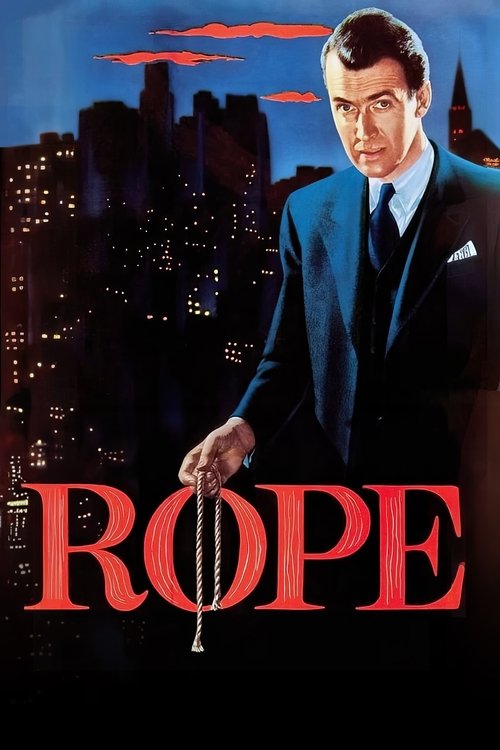
Rope1948
Hitchcock experimenting with time and confined space, two murderers unraveling over hours. If you liked how Full House trusts actors and dialogue, this takes that further.
But A chamber piece that can feel claustrophobic and airless. Nothing like the lightness of Henry's stories.
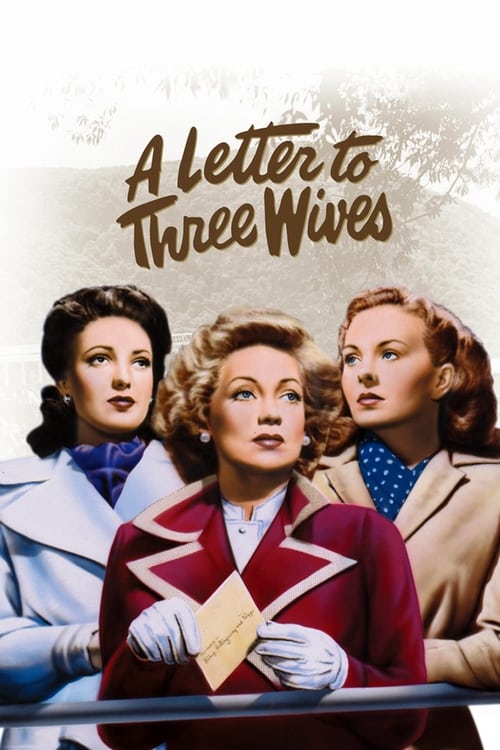
A Letter to Three Wives1949
Three women, three stories, one mystery tying them together. Smart, briskly paced comedy-drama about desire and marriage from a director at the height of his powers.
But Cynical about romance where O. Henry is romantic. More interested in ego than kindness.
The Killers1946
A murder sparks multiple flashbacks; each one peels back why a man made the choices he did. Episodic structure and sympathy for flawed people over plot mechanics.
But Violent and noirish, almost the opposite register. Dark instead of comic, fatalistic instead of hopeful.

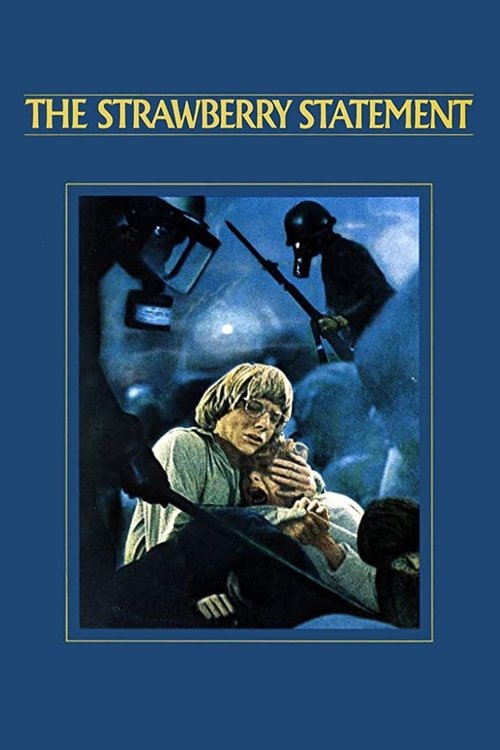
The Strawberry Statement1970
Anthology of student vignettes during campus unrest; captures a moment through small moments and interlocking lives rather than grand narrative.
But Dated politics, uneven quality across segments, and less accomplished than Full House. Feels more like a sketch show than a coherent film.
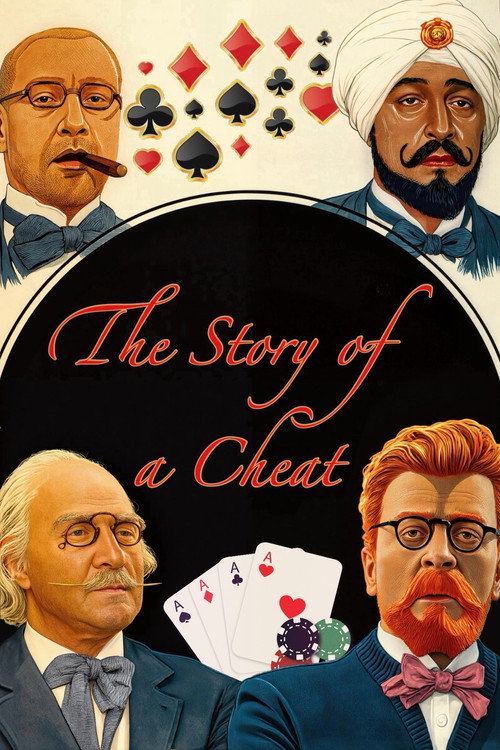
The Story of a Cheat1936
Both are French-influenced stories about con artists and small-time crooks who are fundamentally decent. Both ask: does the method matter if the person is honest about themselves?
A man narrates his life of cons and small deceits in pre-war Paris. Silent film (in 1936!) that's playful about morality exactly as O. Henry is—not condemning, just observing how people bend rules.
But Silent! In an unusual way—the protagonist speaks but we never see his lips move. Formally experimental in 1936, which means it can feel removed.
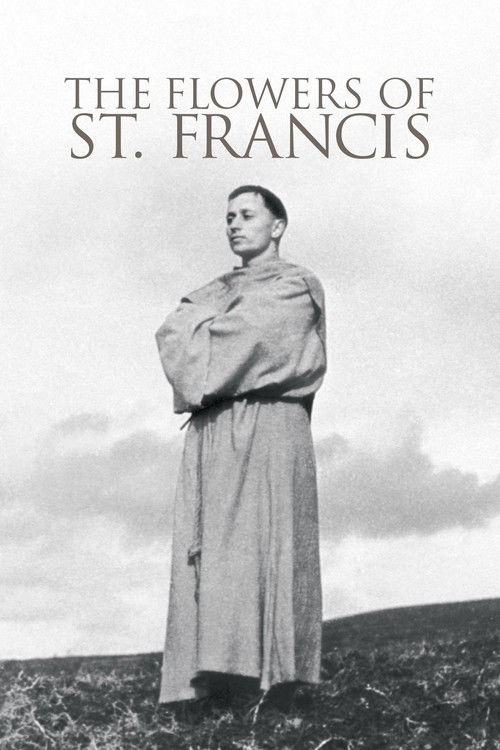
The Flowers of St. Francis1950
Identical structure to Full House—five separate stories, each testing a moral question. But where Henry's are funny and urban, Rossellini's are contemplative and sacred. Same form, totally different emotional temperature.
Rossellini's episodic film about Francis and his monks—each scene a small moral test, each character reacting differently. Pure neorealism applied to spiritual life. Shifts the register entirely but keeps the structure: five stories about how people face temptation.
But Religious content and an almost documentary plainness. If you need plot momentum or glamour, this will feel like watching life through a window, not being entertained.
People
Cast
 Charles LaughtonSoapy (segment "The Cop and the Anthem")
 Marilyn MonroeStreetwalker (segment "The Cop and the Anthem")
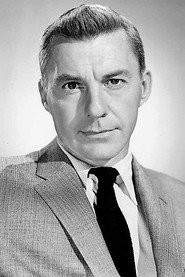 David WayneHorace (segment "The Cop and the Anthem")
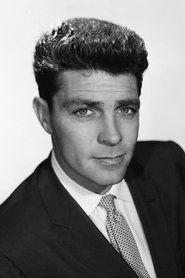 Dale RobertsonBarney Woods (segment "The Clarion Call")
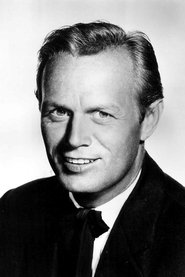 Richard WidmarkJohnny Kernan (segment "The Clarion Call")
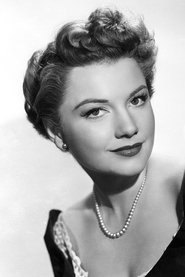 Anne BaxterJoanna Goodwin (segment "The Last Leaf")
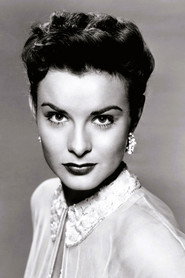 Jean PetersSusan Goodwin (segment "The Last Leaf")
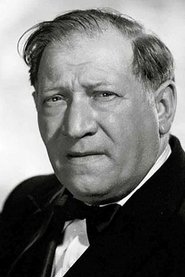 Gregory RatoffBehrman (segment "The Last Leaf")
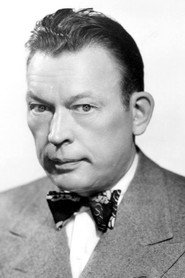 Fred AllenSam "Slick" Brown (segment "The Ransom of Red Chief")
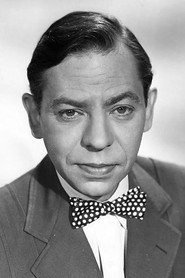 Oscar LevantWilliam Smith (segment "The Ransom of Red Chief")
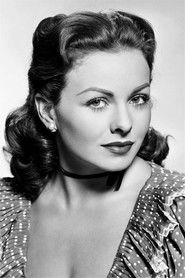 Jeanne CrainDella (segment "The Gift of the Magi")
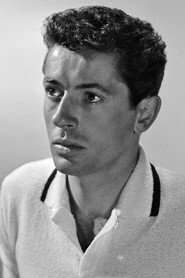 Farley GrangerJim (segment "The Gift of the Magi")
Directing
- Henry HathawayDirector
- Henry KingDirector
- Henry KosterDirector
- Howard HawksDirector
- Jean NegulescoDirector
Writing
- Ben RobertsScreenplay
- Howard HawksScreenplay
- Ivan GoffScreenplay
- Lamar TrottiScreenplay
- Richard L. BreenScreenplay
- Walter BullockScreenplay
Production
- André HakimProducer