
Film
Tales of Manhattan
- Comedy
- Dip in and out
A lavish 1942 ensemble piece where a cursed tailcoat ricochets through the lives of New York's rich and desperate, each episode a darkly comic morality play. It's a structural marvel—ten interwoven stories by an embarrassment of screenwriting talent—that feels like gossip overheard at a hotel bar. Ambitious, uneven, utterly of its moment.
Should you watch it?
Watch it if you enjoy anthology films stitched together by a single object, where each owner's brief romance or comedy lands with a wry, human turn.
Skip it if you need one continuous plot, since these episodes shift in tone and the sentimental stretches can feel creaky at nearly two hours.
What it asks of you: Settle in for a couple of hours of leisurely vignettes, each with its own rhythm, and let the gentle pace and old-studio polish do their work.
Not sure? Find tonight's pick in a minute.
If you liked this
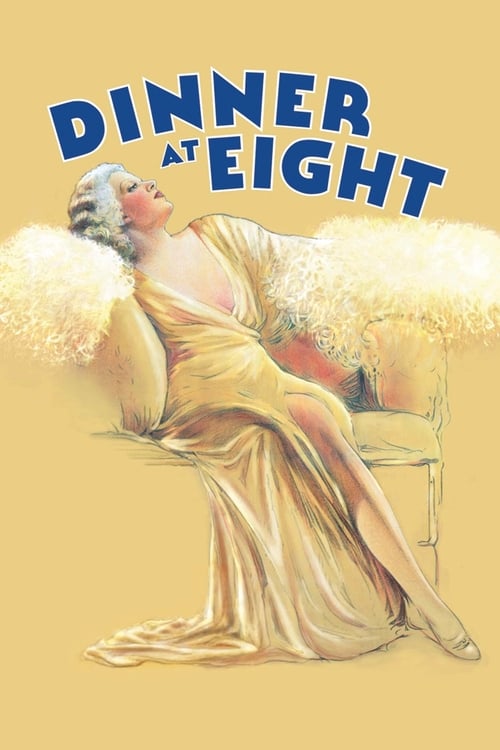
Dinner at Eight1933
An even earlier multi-narrative ensemble about dinner guests whose lives collide, sharper and more biting than Tales of Manhattan. John Barrymore and Jean Harlow alone justify the runtime.
But Pre-Code Hollywood moves fast and assumes you're keeping up. Some references have vanished into history.
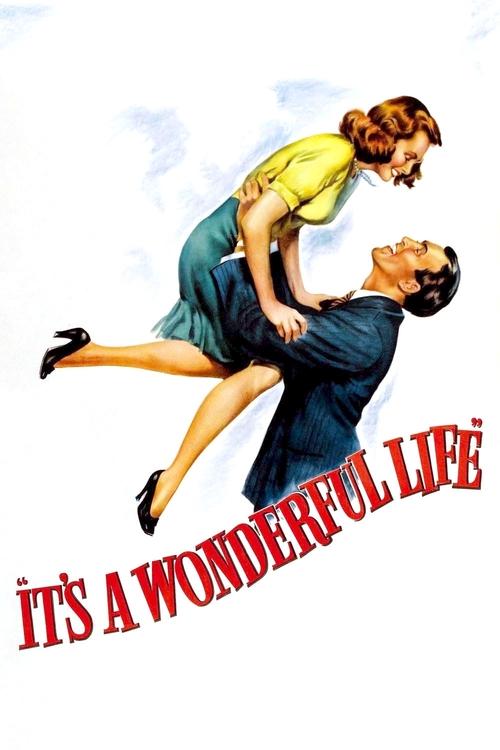
It's a Wonderful Life1946
Capra's supreme ensemble philosophy—how one person's actions ripple outward—executed with warmth instead of cynicism. The spiritual architecture you sense in Tales done with absolute mastery.
But It's been sentimentalised nearly to death by repetition. The original impact is harder to recover.
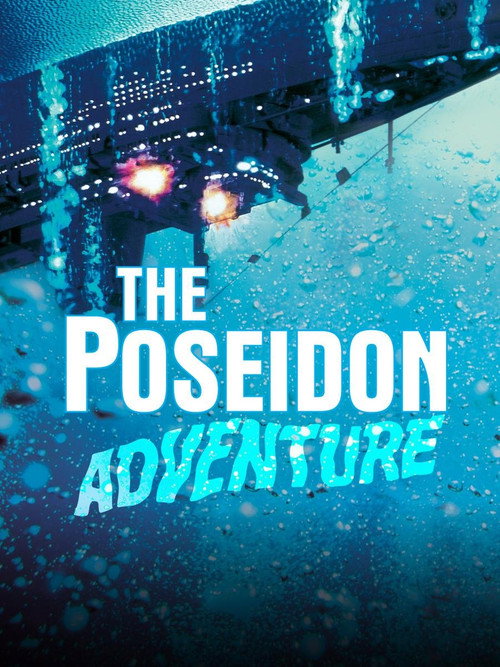
The Poseidon Adventure1972
Disaster film as multi-strand narrative, where the tailcoat's curse becomes an ocean liner. Irwin Allen's masterstroke: strangers forced together, morality tested, fate indifferent to virtue.
But It's slow to reach the disaster. The first half is pure setup, which tests patience now.
Not sure tonight? Get a pick in a minute, starting from Tales of Manhattan
The wildcard
Something you would not have found on your own.
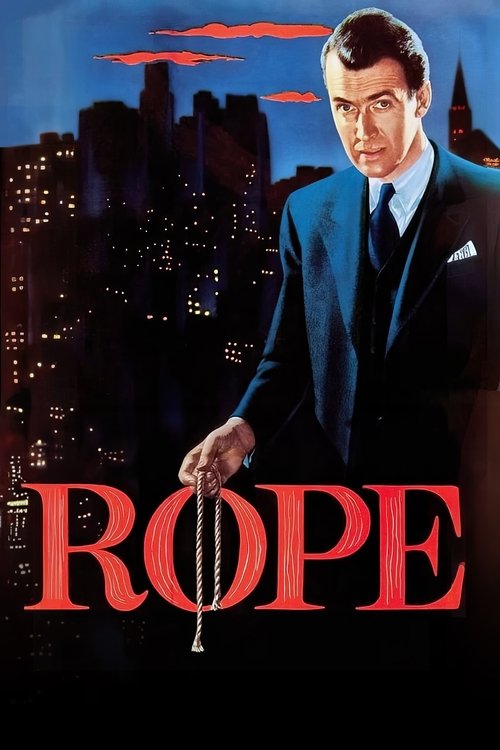
Rope1948
Both are structural experiments more interested in form than comfort. The curse or crime is just the machinery to move people through moral space.
Hitchcock's invisible architecture: one room, one afternoon, one cursed object (a rope). Like Tales, it's a technical showpiece—Hitchcock proved you can sustain tension through pure form without needing action.
But It's claustrophobic by design. The whole film happens on one stage, which some find airless.
More like this (8)
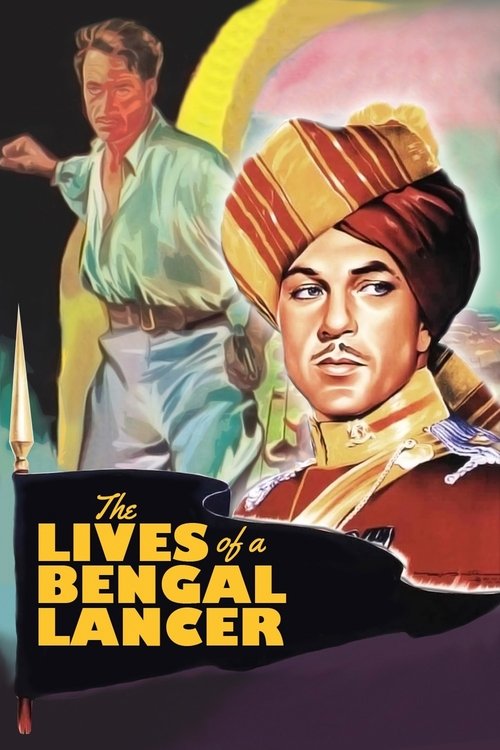
The Lives of a Bengal Lancer1935
Adventure film with the same ensemble spirit and starpower—Gary Cooper, Franchot Tone, Richard Cromwell as variations on masculine duty. Rousing, genuinely strange in its values, made with real craft.
But Colonialist attitudes are baked in. You're watching what people once thought heroic.
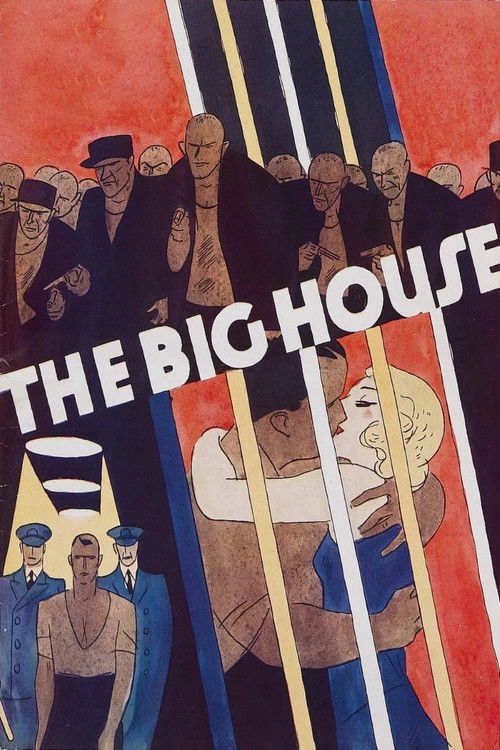
The Big House1930
Prison drama that prefigures Tales' structure: one setting, multiple lives, social commentary threaded through narrative. Chester Morris and Wallace Beery create real electricity.
But Early sound cinema means occasional artificiality in performance. Patience required.
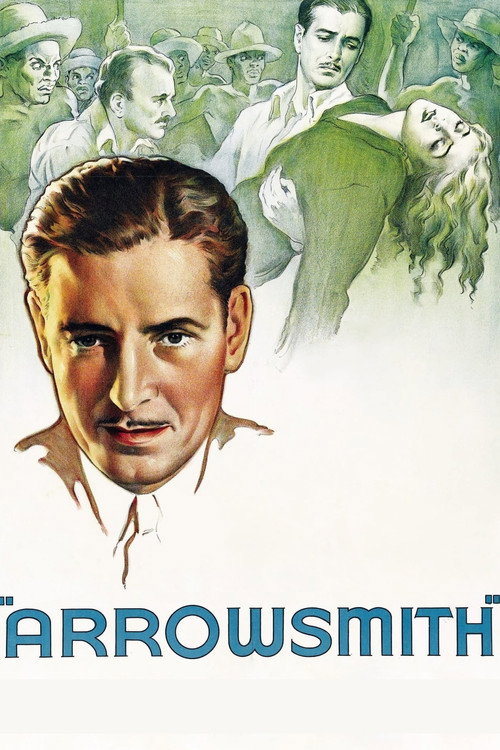
Arrowsmith1931
Ronald Colman in a moral-question drama that doesn't condescend. A man must choose between ambition and principle; the film respects that the answer isn't obvious.
But Medical science details feel quaint now. The romance subplot overtakes the real story.
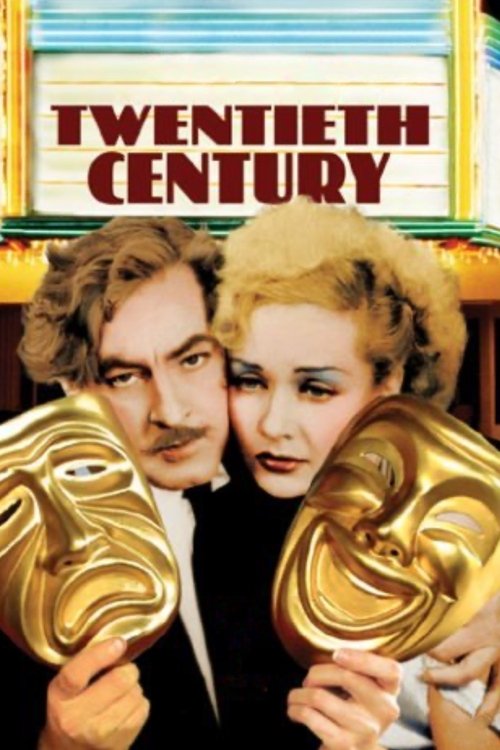
Twentieth Century1934
John Barrymore and Carole Lombard on a train, sparring with wit that crackles. Comedy-drama hybrid, wild tonal swings, the kind of movie that feels alive in the moment.
But The pacing assumes you're on the train too. It's exhausting if you're not in the mood.
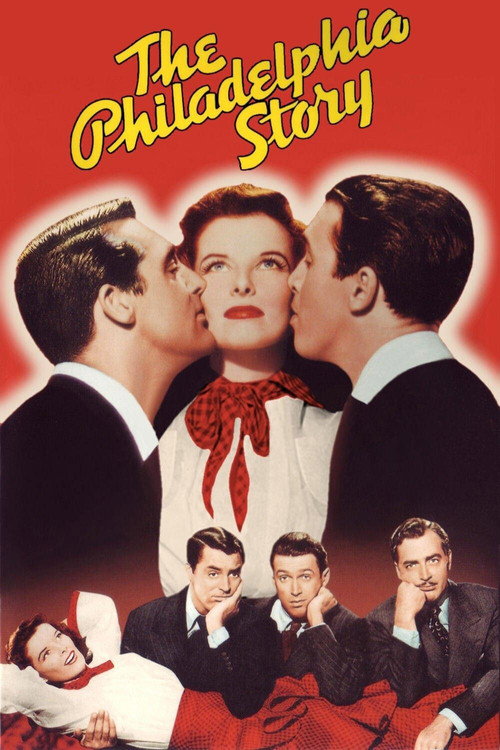
The Philadelphia Story1940
Ensemble romantic comedy where class and character collide. Cary Grant, James Stewart, and Katherine Hepburn all doing different registers of the same story, perfectly orchestrated.
But The gender politics are dated even for 1940. Rich people problems require a generous mood.
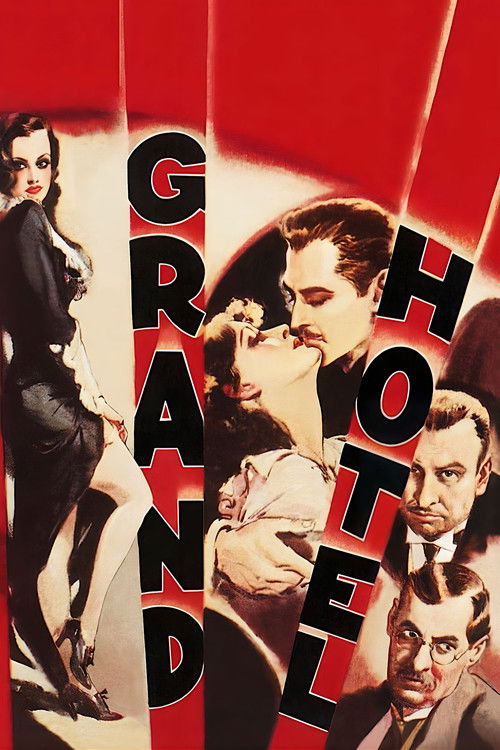
Grand Hotel1932
The original multi-story ensemble—strangers in a hotel, lives intersecting. Greta Garbo, Joan Crawford, Wallace Beery. Proof the form works when a master wields it.
But It won Best Picture in a field that included Cimarron. The verdict of 1933 doesn't always hold.
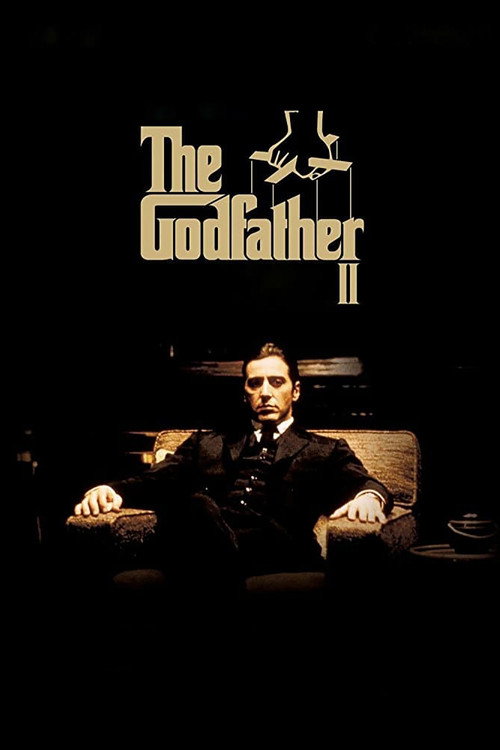
The Godfather Part II1974
Both trace an object (the tailcoat, the business) through different owners to examine what it does to people. Both ask: is the thing cursed or are people?
Parallel timelines, multiple lives across generations, an empire built from nothing. Like Tales, it's interested in how power and corruption move through different hands, but with epic scope and absolute mastery.
But It's three hours and demands full attention. If you're tired, it will feel slow.
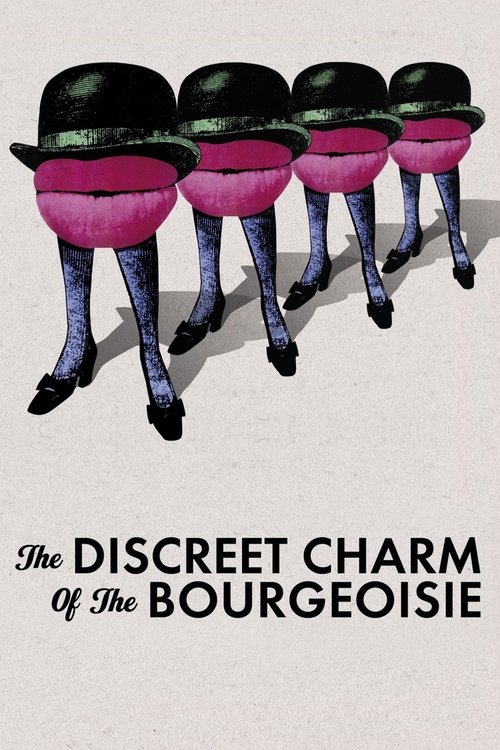
The Discreet Charm of the Bourgeoisie1972
Both use multiple scenes and episodic structure to examine social performance. But Buñuel's world is anarchic and timeless; Tales is documentary of 1942 New York. One is a mirror held up to society; one is a photograph with a supernatural trick.
Buñuel's dream-logic comedy where bourgeois rituals keep breaking down. Elegant surface, moral chaos underneath—the structure keeps slipping like Tales' narrative jumps, but to show the artificiality of order itself.
But It's surrealist. If you want plot to hold steady ground, this will irritate you thoroughly.
People
Cast
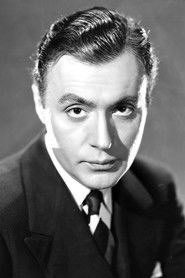 Charles BoyerPaul Orman
 Rita HayworthEthel Halloway
 Ginger RogersDiane
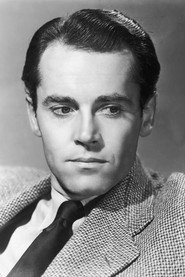 Henry FondaGeorge
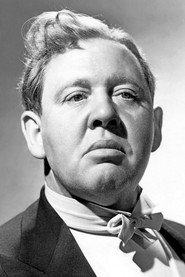 Charles LaughtonCharles Smith
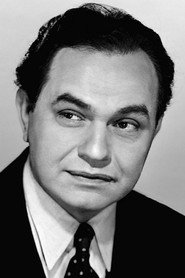 Edward G. RobinsonLarry Browne
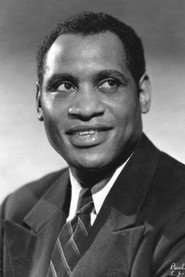 Paul RobesonLuke
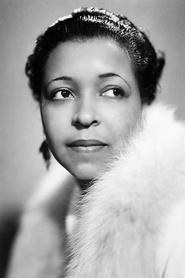 Ethel WatersEsther
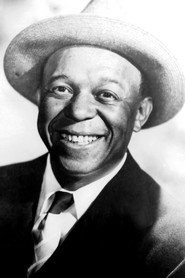 Eddie 'Rochester' AndersonReverend Lazarus
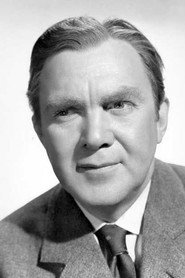 Thomas MitchellJohn Halloway
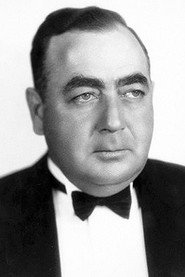 Eugene PalletteLuther
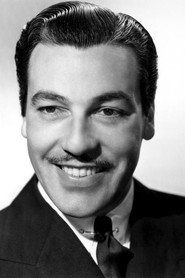 Cesar RomeroHarry Wilson
Directing
- Julien DuvivierDirector
Writing
- Alan CampbellWriter
- Ben HechtWriter
- Donald Ogden StewartWriter
- Ferenc MolnárWriter
- Henry BlankfortWriter
- Ladislas FodorWriter
- Lamar TrottiWriter
- László GörögWriter
- László VadnayWriter
- Samuel HoffensteinWriter
Production
- Boris MorrosProducer
- Sam SpiegelProducer