
Film
Arrowsmith
A 1931 medical drama about a young doctor torn between scientific principle and human compassion when sent to fight a plague outbreak. John Ford directs with intelligence and restraint, crafting something genuinely thoughtful about what we owe each other. It moves slowly by modern standards but with purpose—a film that trusts its audience to sit with difficult questions.
Should you watch it?
Watch it if you are drawn to stories about a stubborn professional whose integrity gets tested by institutions, money and personal loyalty, told with the careful, talky craft of early sound-era Hollywood.
Skip it if the staging is stagey and the pace deliberate, so if you need fast cutting or modern naturalism, the lab-bench talk and long arguments may test your patience.
What it asks of you: It runs under two hours at a measured, talky clip, asking you to sit with debate, compromise and quiet professional setbacks rather than rooting for clear-cut triumphs.
Not sure? Find tonight's pick in a minute.
If you liked this
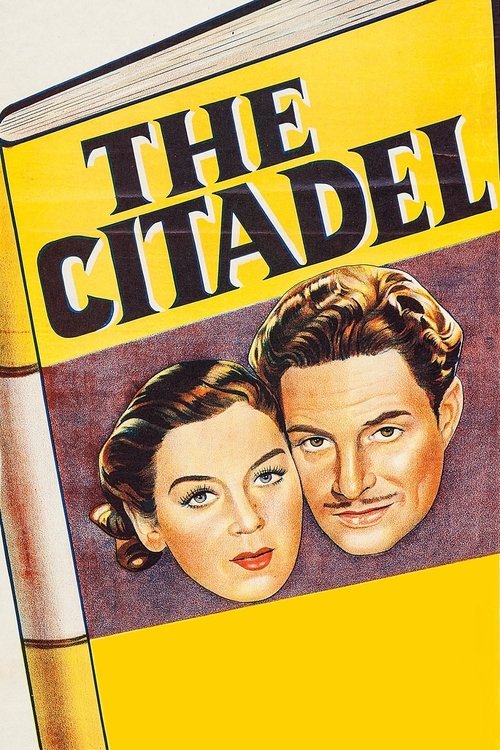
The Citadel1938
Also built on a Sinclair Lewis novel, this Scottish mining drama follows a young doctor learning that idealism and pragmatism rarely align. Ralph Richardson and Robert Donat are superb, and it asks the same questions about medical ethics with even more bite.
But It's distinctly British in sensibility and pacing, and the 1930s production values take adjustment if you're used to anything made after 1960.
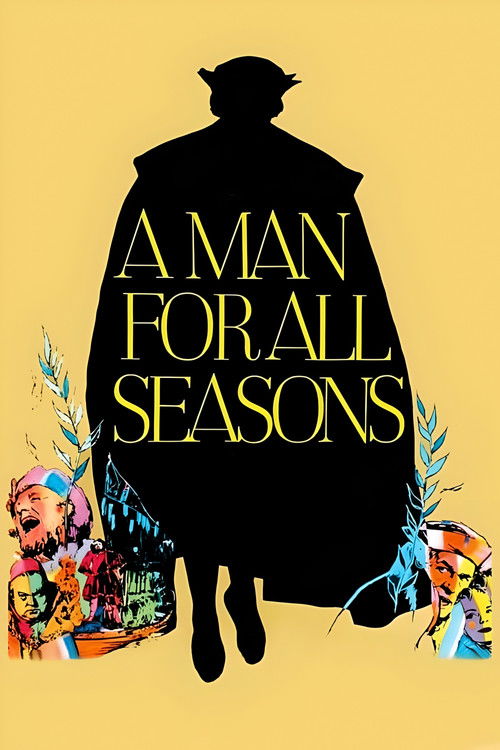
A Man for All Seasons1966
Both films use the quiet hero wrestling with conscience as their engine. Fred Zinnemann directs Paul Scofield in a film about principle versus power that feels like it's carved from marble—every frame purposeful, every silence heavy.
But It's reverent and austere to the point where it can feel like homework. There's no warmth to it, which is precisely the point and precisely what will exhaust some viewers.
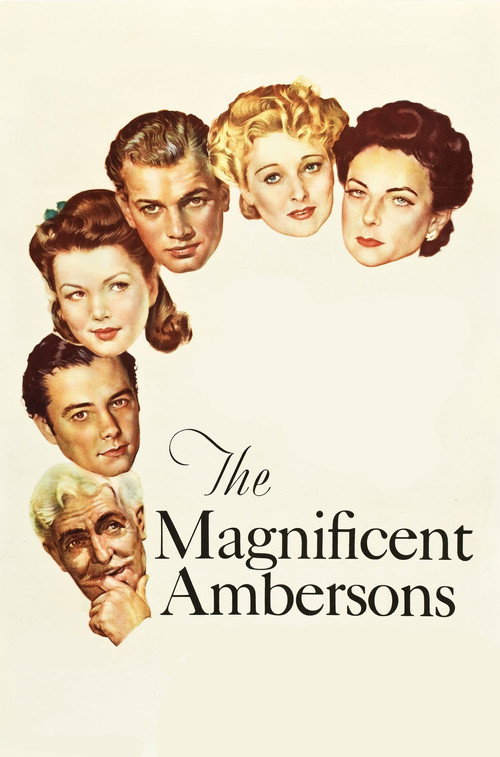
The Magnificent Ambersons1942
Another Ford film about the collisions between progress and human cost, told with his characteristic blend of sentiment and severity. It's about how change damages people we love, and it does not look away from that.
But The studio cut the film after its preview—what survives is wounded and incomplete. Watching it means sitting with that damage, which feels appropriate and infuriating in equal measure.
Not sure tonight? Get a pick in a minute, starting from Arrowsmith
The wildcard
Something you would not have found on your own.
The Seventh Seal1957
Both films use a central character facing an irresolvable moral crisis to ask what meaning we can extract from a world that offers none. Both trust silence more than dialogue.
Bergman's masterpiece about a knight playing chess with Death. Like Arrowsmith, it refuses easy answers about suffering and asks what we owe to the people around us when everything is ending. Utterly unlike anything you've seen, and it moves you without sentimentality.
But It's Swedish, in black and white, and deliberately theatrical in a way that can read as cold or pretentious. The medieval setting and religious imagery demand patience and openness.

More like this (5)
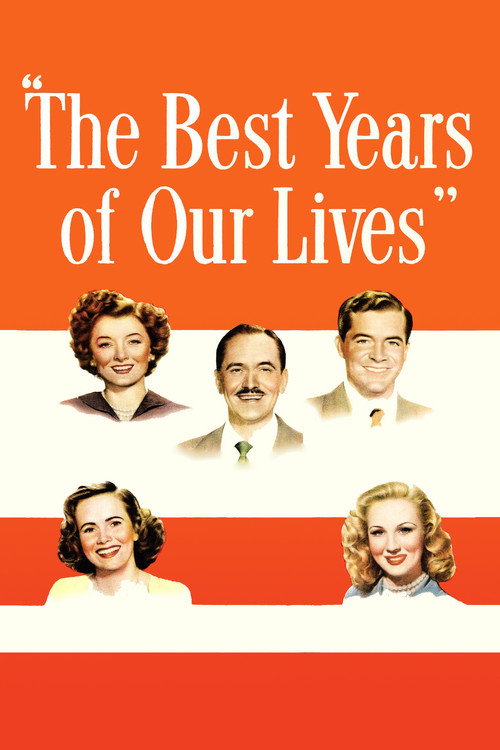
The Best Years of Our Lives1946
William Wyler's three-hour epic about men returning from war has the same attentiveness to how people actually talk and behave. It trusts you completely. Long stretches where nothing dramatic happens, but everything matters.
But The length is real, and so is the melancholy. It's not interested in making you feel better, only in being honest about what returning home actually costs.
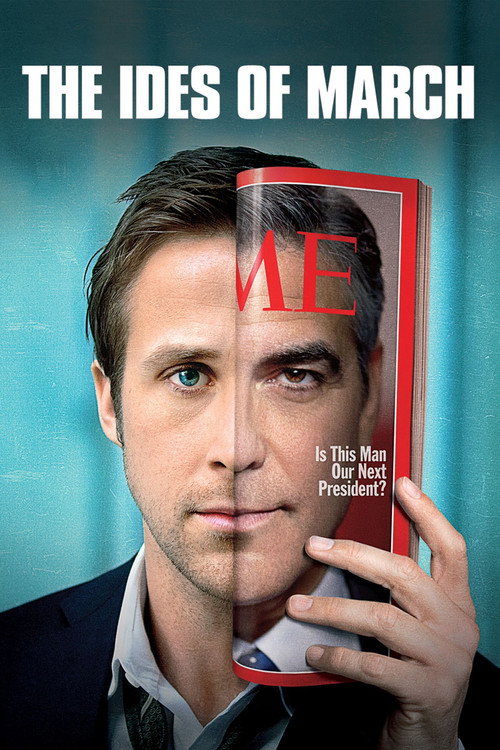
The Ides of March2011
George Clooney directs and stars in a film about political principle corroding under pressure. It has Arrowsmith's bone-deep interest in watching smart people rationalize doing the wrong thing. Tense and claustrophobic.
But It's a political thriller that doesn't quite thrill, and the cynicism feels designed rather than felt. Also considerably more style than substance once you sit back from it.
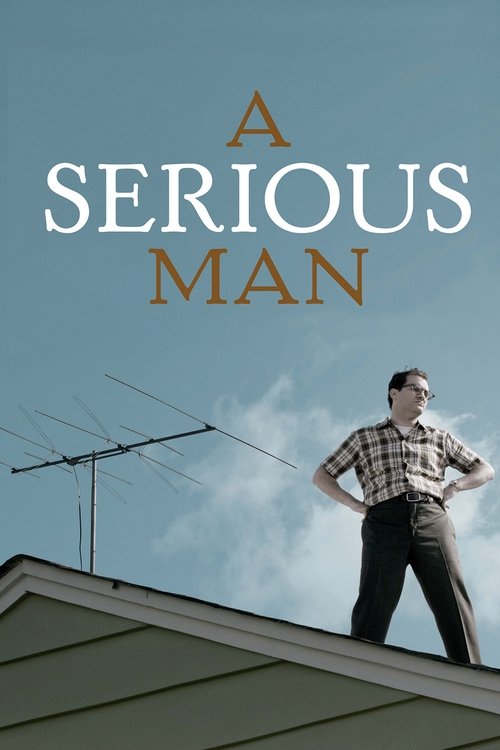
A Serious Man2009
The Coen Brothers explore a man trying to live correctly in a universe that offers no meaning or reward. It's darkly funny and genuinely philosophical, and it understands Arrowsmith's problem—what do you do when doing the right thing changes nothing?
But It's aggressively bleak and the Coens' humor is not for everyone. The ending will either devastate you or infuriate you, possibly both.
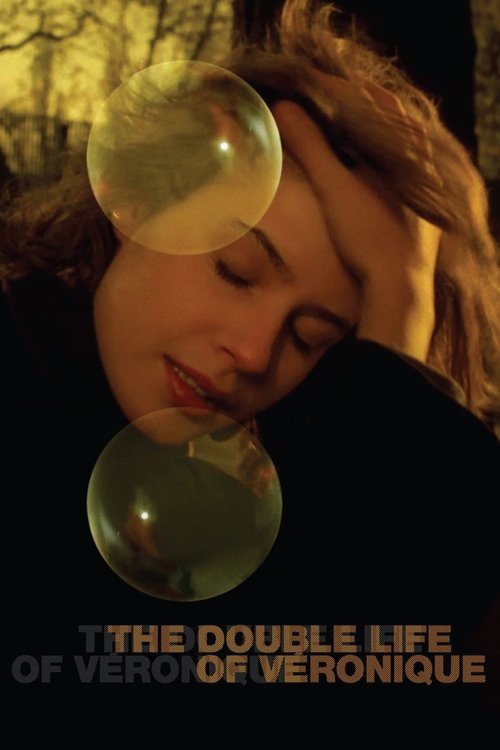
The Double Life of Véronique1991
Both films are genuinely about the interior life of moral choice. Arrowsmith shows you the thinking; Kieślowski shows you the feeling underneath it, and asks whether we can ever know what we've chosen or why.
Kieślowski's film about two women who may or may not be connected, told almost entirely through image and color. It's about accident, connection, and the impossible weight of choice. Astonishing to watch, and completely unlike the narrative clarity of Arrowsmith.
But There is almost no plot. It works entirely through mood and visual language. If you need to understand what happens, this will frustrate you into rage.
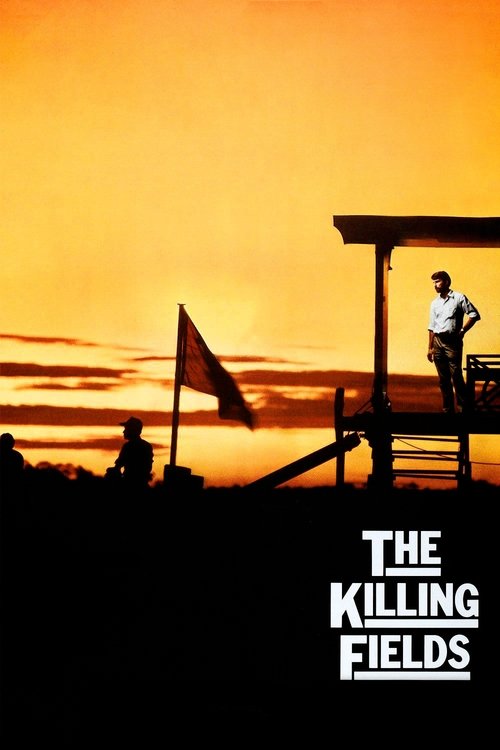
The Killing Fields1984
Both films understand that good intentions collide with historical forces beyond individual control. Both ask what responsibility looks like when you cannot fix the world, only witness it.
Jagger's documentary-inflected film about an American journalist and Cambodian interpreter during the Khmer Rouge genocide. It has Arrowsmith's refusal to separate politics from the actual bodies in the room. Harrowing and necessary.
But It is extremely graphic about suffering, and the horror is not mediated by narrative distance. It will damage you, and it should, and that's not everyone's choice for an evening.
People
Cast
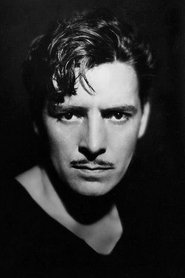 Ronald ColmanDr. Martin Arrowsmith
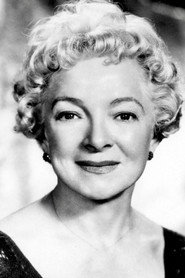 Helen HayesLeora Tozer Arrowsmith
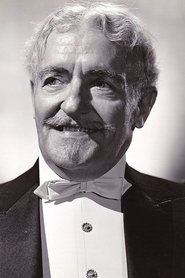 Richard BennettGustav Sondelius
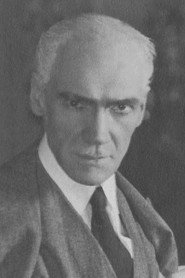 A.E. AnsonProfessor Max Gottlieb
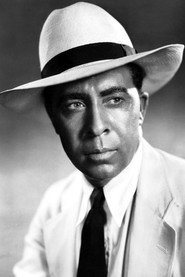 Clarence BrooksDr. Oliver Marchand
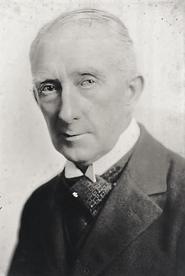 Alec B. FrancisTwyford
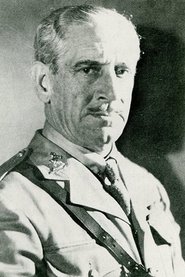 Claude KingDr. Tubbs
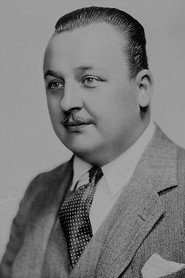 Bert RoachBert Tozer
 Myrna LoyJoyce Lanyon
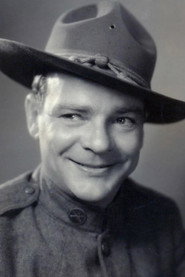 Russell HoptonTerry Wickett
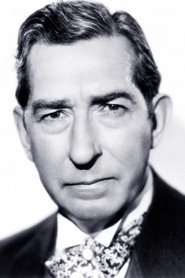 David LandauState Veterinarian
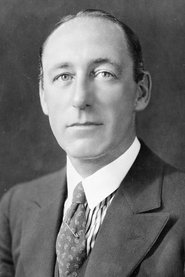 Lumsden HareSir Robert Fairland
Directing
- Herbert SutchAssistant Director
- John FordDirector
Writing
- Sinclair LewisNovel
- Sidney HowardScreenplay
Production
- Robert McIntyreCasting
- Arthur Hornblow Jr.Executive Producer
- Samuel GoldwynProducer
Recommended by
The Story of Louis Pasteur, Man's Castle, The Citadel, Tales of Manhattan, The Loves of Edgar Allan Poe