
Film
The Killing Fields
The Killing Fields dramatizes the true story of New York Times reporter Sydney Schanberg and his Cambodian colleague Dith Pran as the Khmer Rouge seize Phnom Penh. It's a war film built on friendship and guilt rather than combat set-pieces, anchored by Haing S. Ngor's extraordinary, lived-in performance. Devastating and unglamorous, this is history rendered as intimate human cost, not spectacle — essential, difficult viewing.
If you liked this
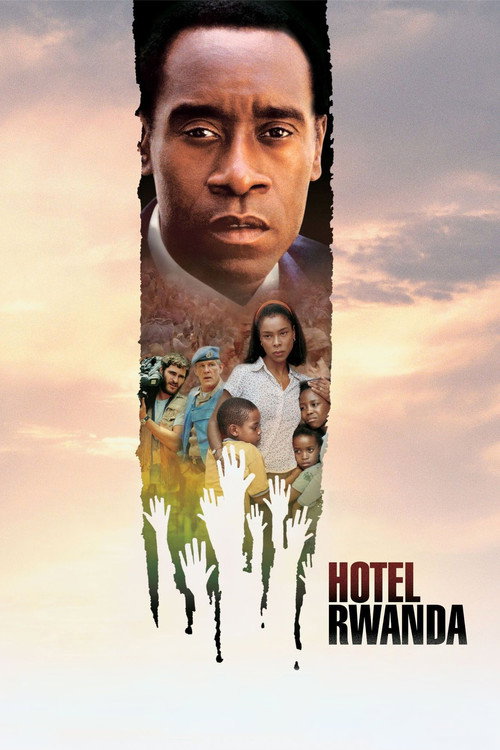
Hotel Rwanda2004
A hotel manager shelters hundreds during the Rwandan genocide while the world looks away, echoing Killing Fields' fury at Western indifference to atrocities abroad. Don Cheadle is quietly devastating.
But The tension rarely lets up, and its focus on one man's heroism simplifies a vast, horrifying historical failure.
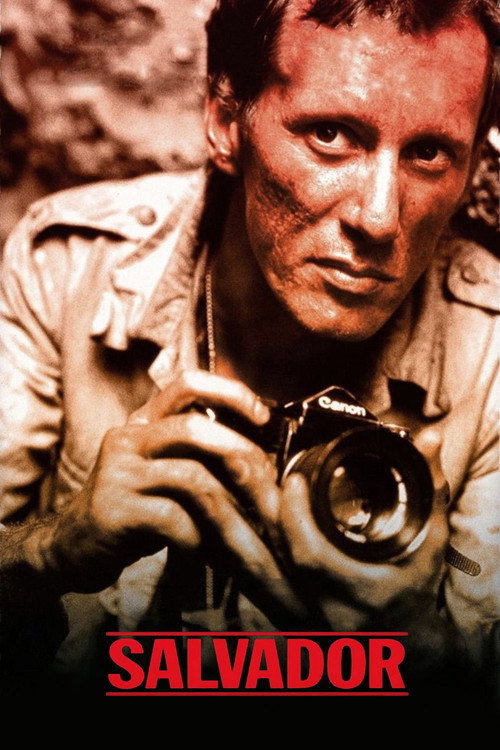
Salvador1986
Oliver Stone's ragged, furious film follows a photojournalist chasing the story amid El Salvador's death squads, capturing the same reckless adrenaline and moral confusion of covering a collapsing state.
But James Woods' character is abrasive and unlikeable by design, which some viewers find exhausting rather than compelling.
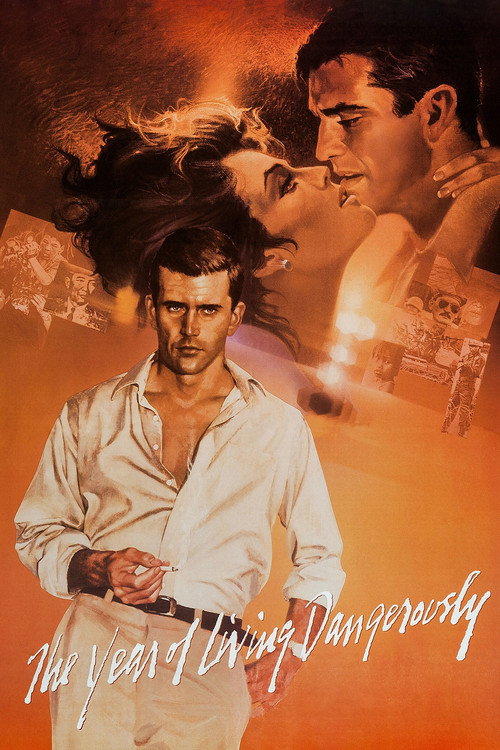
The Year of Living Dangerously1982
An Australian journalist and a Eurasian photographer navigate Indonesia's 1965 coup, capturing that same intoxicating, terrifying blend of romance and political catastrophe that Killing Fields turns to grief.
But The romance subplot with Sigourney Weaver sometimes crowds out the political story's urgency and dread.
The wildcard
Something you would not have found on your own.
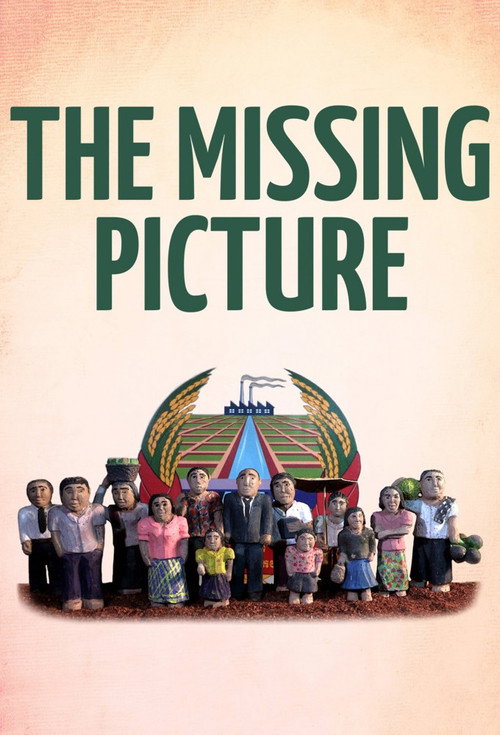
The Missing Picture2013
Killing Fields tells this history through a Western journalist's eyes; this Oscar-nominated documentary tells it from inside, by a Cambodian who actually lived it, using an entirely different visual language to reach the same grief.
Rithy Panh survived the Khmer Rouge as a child, and here he rebuilds his lost family and country using hand-carved clay figures set against archival footage — grief made into something almost unbearably tender.
But It's slow and formally strange, asking you to sit with stillness and dioramas rather than narrative momentum.
More like this (8)
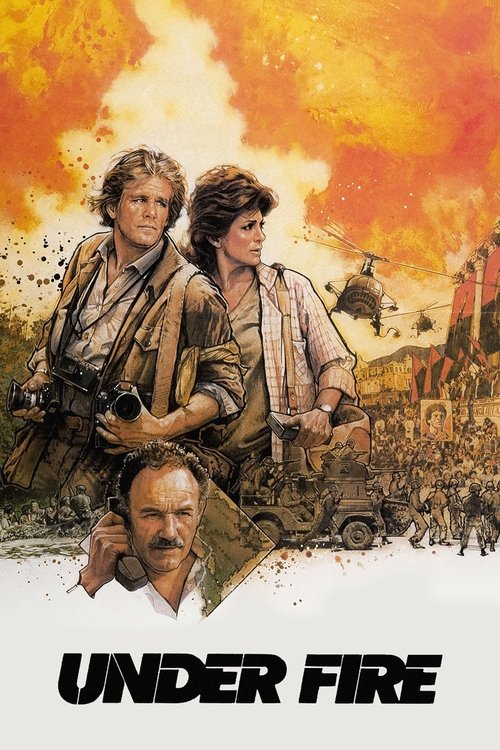
Under Fire1983
Nick Nolte plays a photojournalist drawn into Nicaragua's revolution, wrestling with the same question Killing Fields asks: what do you owe the story, and what do you owe the people inside it?
But Its early-80s pacing and visual style feel dated next to sharper, more urgent war journalism films.
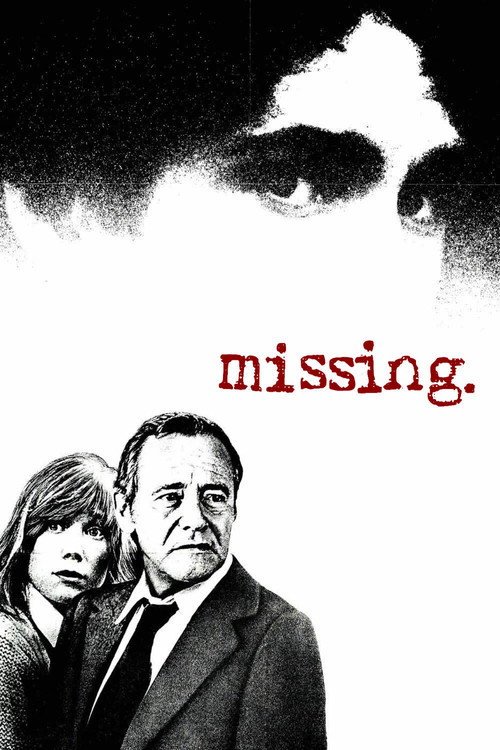
Missing1982
Jack Lemmon plays a father searching for his vanished son amid a US-backed coup in Chile, delivering the same slow-burning outrage at governments quietly erasing inconvenient people.
But It's structured as a mystery rather than a war drama, so the horror builds gradually instead of hitting all at once.
Welcome to Sarajevo1997no page yet
A British journalist tries to save a Bosnian orphan amid the siege, blending real news footage with drama for a queasy, urgent authenticity close to Killing Fields' documentary instincts.
But The mix of archival footage and fiction can feel jarring rather than seamless, breaking the spell repeatedly.
Cry Freedom1987no page yet
A white South African journalist's friendship with anti-apartheid activist Steve Biko drives this, echoing the same uneasy dynamic of who gets to tell whose story, and who ultimately survives to tell it.
But Critics have long noted it centers the white journalist's perspective, sidelining Biko's own voice and interiority.
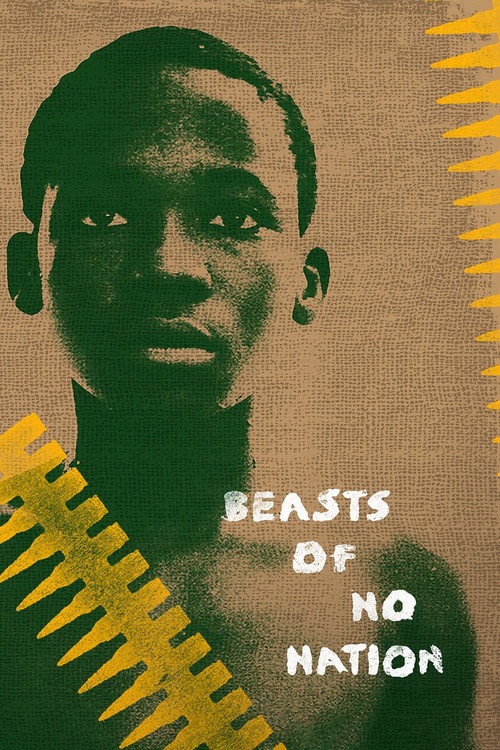
Beasts of No Nation2015
This unflinching account of a child soldier in an unnamed African civil war shares Killing Fields' refusal to look away from atrocity, anchored by Idris Elba's chilling, magnetic performance.
But It's relentlessly bleak with almost no relief offered, a genuinely difficult watch from start to finish.
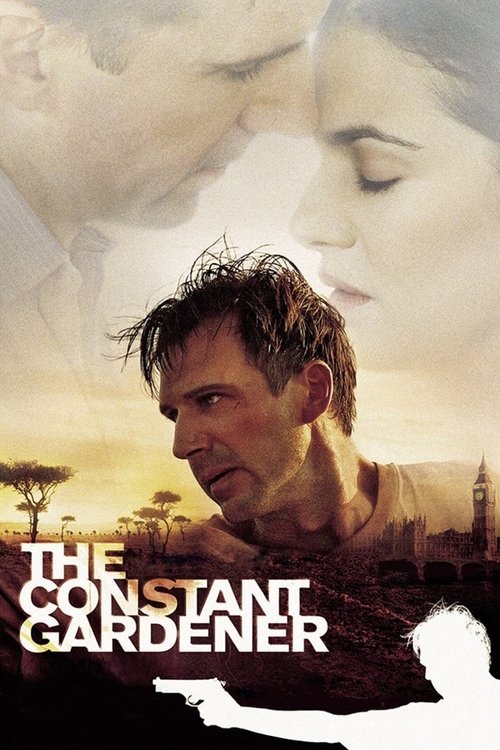
The Constant Gardener2005
A grieving diplomat investigates his wife's murder and uncovers pharmaceutical corruption in Kenya, carrying forward that same tradition of Western complicity exposed through devastating personal loss.
But It leans more toward thriller than war drama, and the corporate conspiracy plot feels slighter than Cambodia's real horror.
The Quiet American1958no page yet
Same profession, same region, same moral rot of foreign powers meddling in Southeast Asia — but made while the war it foreshadows hadn't even started, giving it an eerie, unintentional prophecy Killing Fields could only look back on.
Decades before Schanberg, Graham Greene's story follows a British journalist and an idealistic American entangled in Vietnam's brewing catastrophe — the same colonial arrogance, filtered through Cold War paranoia instead of 1970s guilt.
But This adaptation notoriously softened Greene's anti-American politics into something closer to propaganda, which can feel like a betrayal of the source novel.
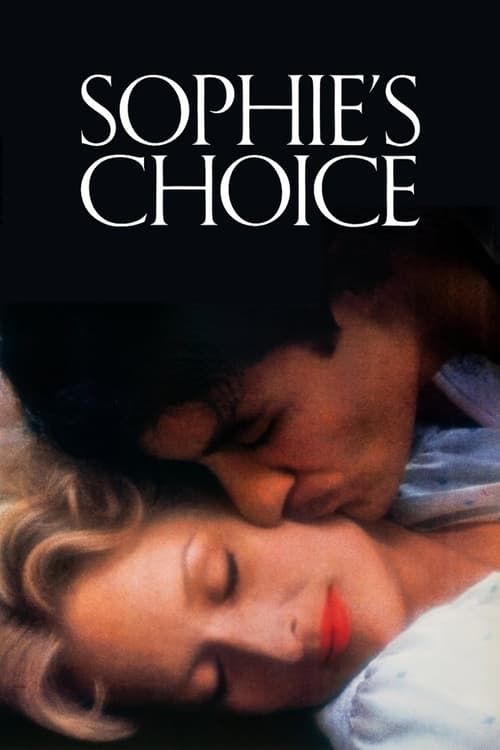
Sophie's Choice1982
Swap the battlefield for a boarding house and you get the same engine Killing Fields runs on: the unbearable weight of having lived when someone else didn't, and what that guilt does to a person for the rest of their life.
Meryl Streep's towering performance centers on a Holocaust survivor haunted by an impossible choice, trading war's chaos for a quiet Brooklyn apartment where the guilt of surviving never really leaves.
But It's a slow-building domestic drama with almost no action, and its central revelation is emotionally brutal by design.
People
Cast
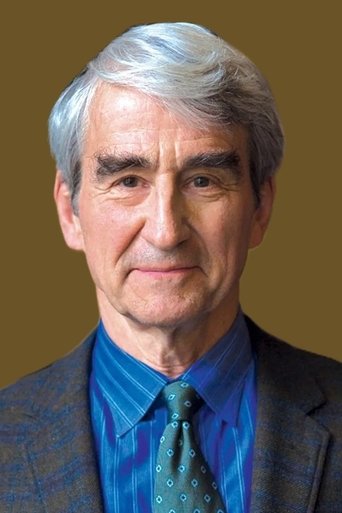 Sam WaterstonSydney Schanberg
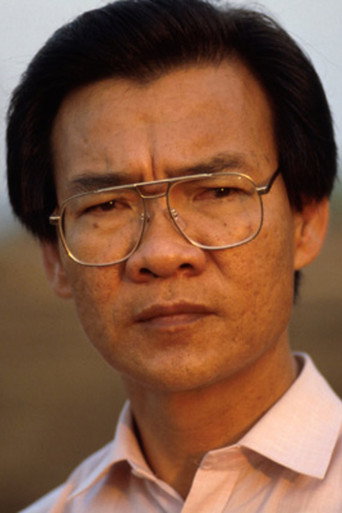 Haing S. NgorDith Pran
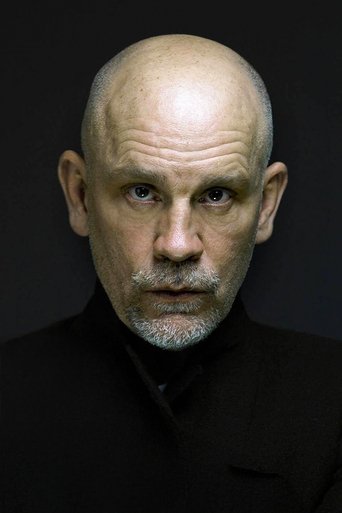 John MalkovichAl Rockoff
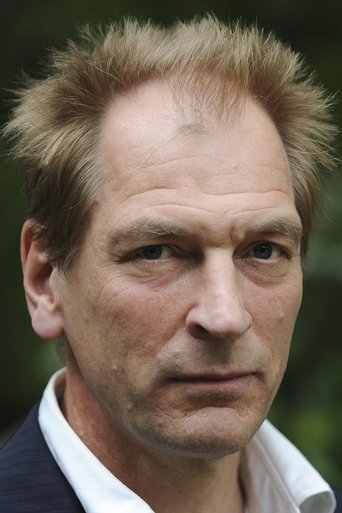 Julian SandsJon Swain
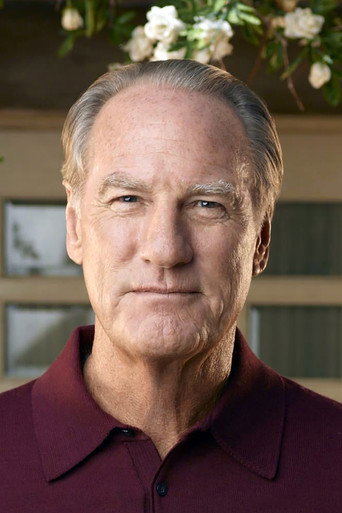 Craig T. NelsonMilitary Attaché
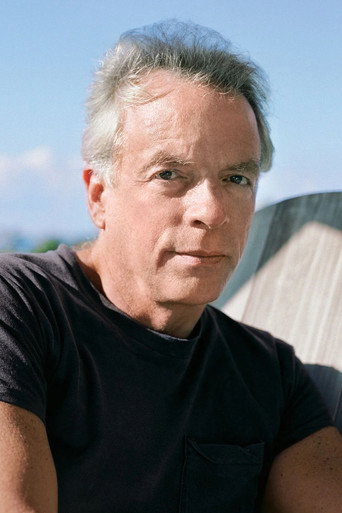 Spalding GrayU.S. Consul
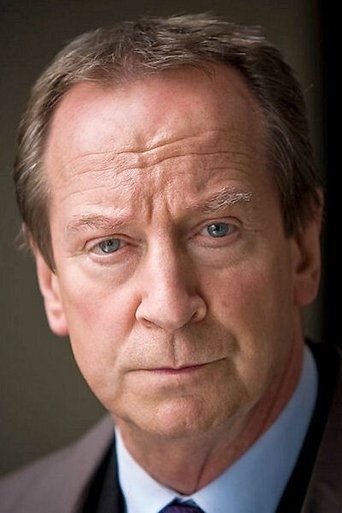 Bill PatersonDr. MacEntire
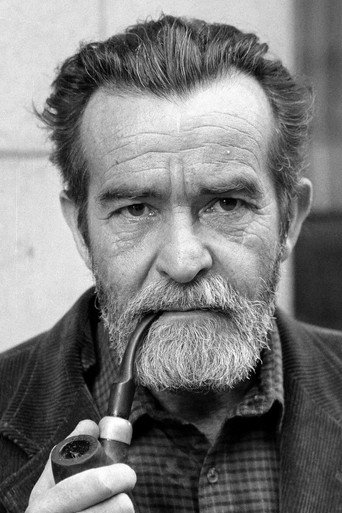 Athol FugardDr. Sundesval
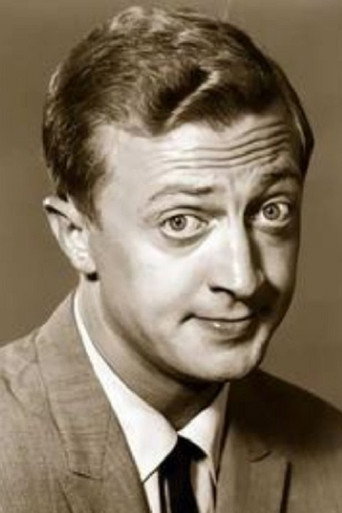 Graham KennedyDougal
- Katherine Krapum CheySer Moeum (Pran's Wife)
- Oliver PierpaoliTitony (Pran's Son)
- Edward Entero CheySarun
Directing
- Alan GoluboffAssistant Director
- Buranee RachjaibunAssistant Director
- Charles HubbardAssistant Director
- David BarronAssistant Director
- David BrownAssistant Director
- Gerry ToomeyAssistant Director
- Howard RothschildAssistant Director
- Richard HawleyAssistant Director
- Sompol SungkawessAssistant Director
- Penny EylesContinuity
- Roland JofféDirector
- Bill WestleyFirst Assistant Director
Writing
- Bruce RobinsonScreenplay
Production
- Iain SmithAssociate Producer
- Juliet TaylorCasting
- Marion DoughertyCasting
- Pat GoldenCasting
- Susie FiggisCasting
- Say HongCasting Assistant
- Hugh O'DonnellLocation Assistant
- David PuttnamProducer
- Ron QuelchProduction Assistant
- Barrie MelroseProduction Manager
- Claude HudsonProduction Manager
- David CoatsworthProduction Manager
- Philip KohlerProduction Manager
- Robin DouetProduction Supervisor
- Charles HubbardUnit Production Manager
Recommended by
Hotel Rwanda, The Act of Killing, The Year of Living Dangerously, Salvador, The Missing Picture, Empire of the Sun, Burnt by the Sun, Under Fire, The Quiet American, S21: The Khmer Rouge Killing Machine, Missing, The Mission, 20 Days in Mariupol