
Film
The Story of Woo Viet
A 1981 Hong Kong crime drama about a Vietnamese refugee navigating Southeast Asia's underworld while fleeing for his life. Chow Yun-Fat brings urgent charisma to a role that predates his action stardom, caught between desperation and danger. Taut, gritty, and anchored by a genuine human story beneath the genre machinery. For lovers of hardboiled international thrillers and early Chow performances.
Should you watch it?
Watch it if you prefer lean crime drama where suspense comes from one wary man's instincts in hostile places, and you're happy with a plain, unfussy style if the tension stays honest.
Skip it if you're after light company, because its subject of displaced people in camps stays bleak and offers little relief.
What it asks of you: It runs just 92 minutes and rewards close attention to a quiet protagonist as he moves between shifting locations, with little exposition to lean on.
Not sure? Find tonight's pick in a minute.
If you liked this
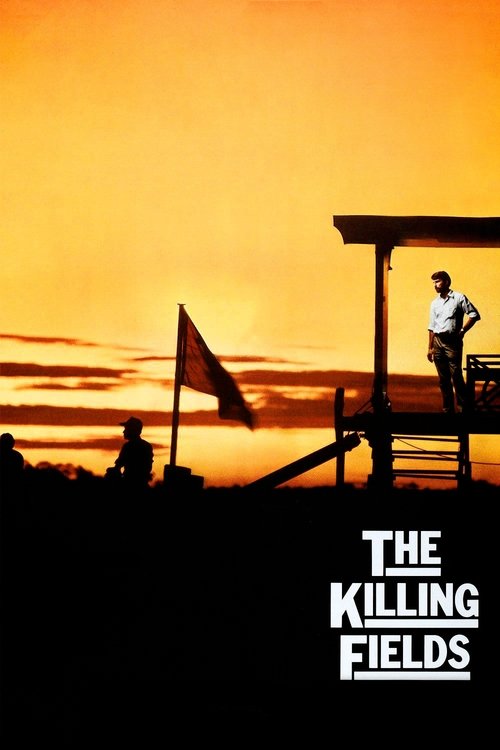
The Killing Fields1984
Shares the wrenching human cost of Southeast Asian upheaval and refugee displacement, with equally powerful performances and a commitment to moral weight over sentimentality.
But Vastly more harrowing and demanding; this is historical trauma as cinema, not entertainment, and it will exhaust you.
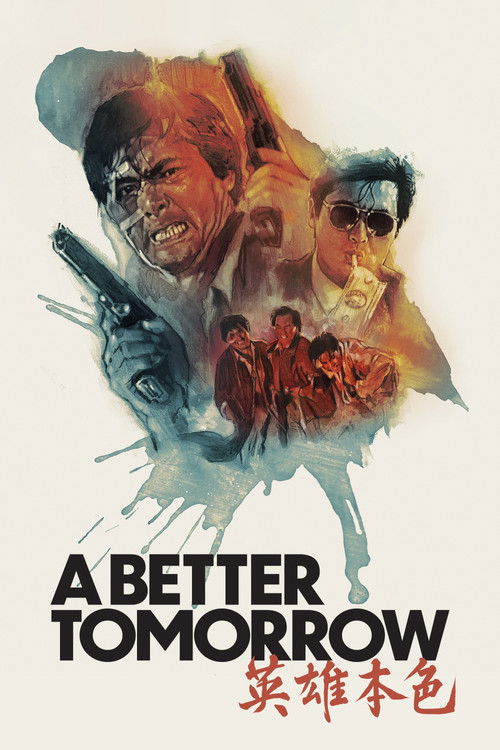
A Better Tomorrow1986
John Woo's masterpiece that made Chow Yun-Fat an icon. Similar underworld desperation, stylish violence, and a hero caught between codes of honor and survival instinct.
But Woo's action grammar is so kinetic it almost becomes abstraction. If you want plot clarity, you'll find the gunplay overwhelming.
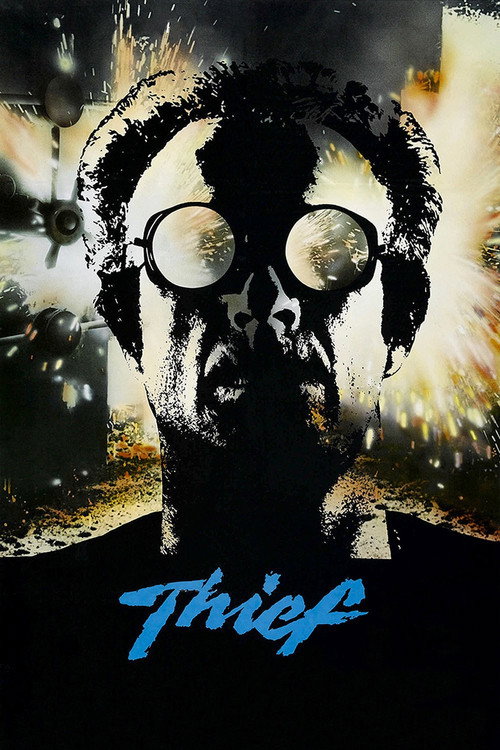
Thief1981
Michael Mann's hypnotic crime drama about a professional trying to vanish into legitimate life. Same tense, measured approach to criminal desperation and the dream of escape.
But Mann's pacing is deliberate to the point of glacial. It rewards patience but punishes distraction, and the emotional payoff is quiet, not cathartic.
Not sure tonight? Get a pick in a minute, starting from The Story of Woo Viet
The wildcard
Something you would not have found on your own.
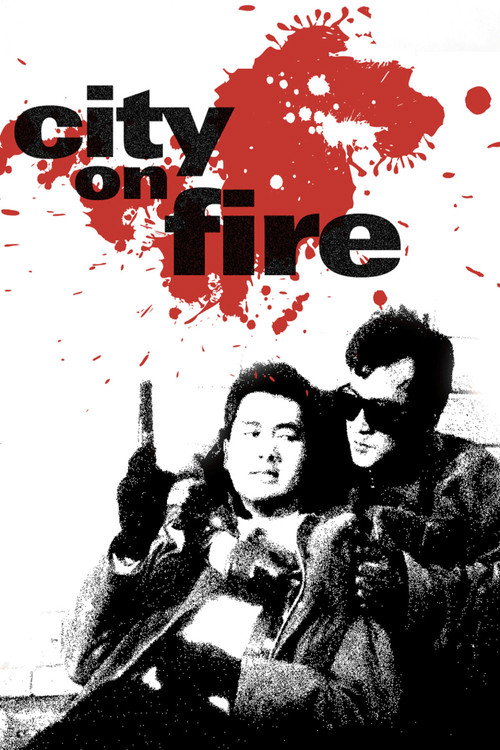
City on Fire1987
Both explore the cost of deception and the impossibility of maintaining a true self when your survival depends on a false one. Same psychological architecture, different narrative engine.
A Ringo Lam masterpiece about an undercover cop infiltrating triads. Shares Woo Viet's interest in fractured identity and the moral erosion that comes from living between worlds, but inverts the perspective and pushes toward full action spectacle.
But The film's ending is abrupt and punishing. After two hours of tension, it refuses catharsis or neat resolution.
More like this (8)
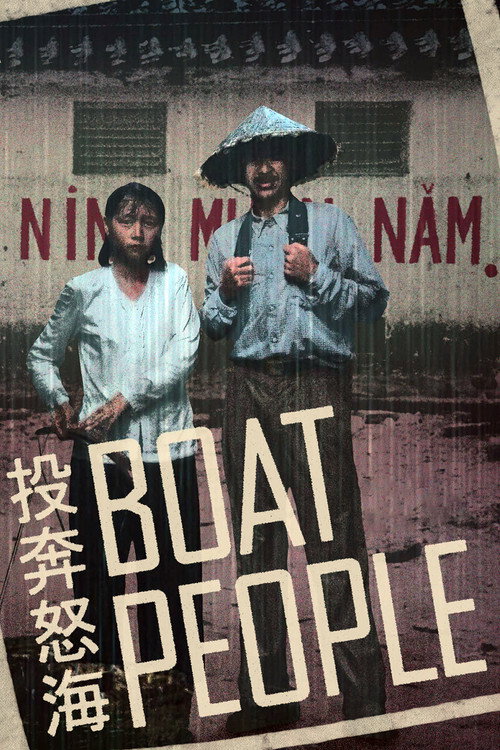
Boat People1982
Hong Kong director Ann Hui's devastating account of Vietnamese refugees' impossible choices. Documentary-like precision paired with intimate human drama; a spiritual sibling to Woo Viet's concerns.
But Relentless and unglamorous. There are no heroes here, only survival and complicity. It's a difficult watch for the right reasons.
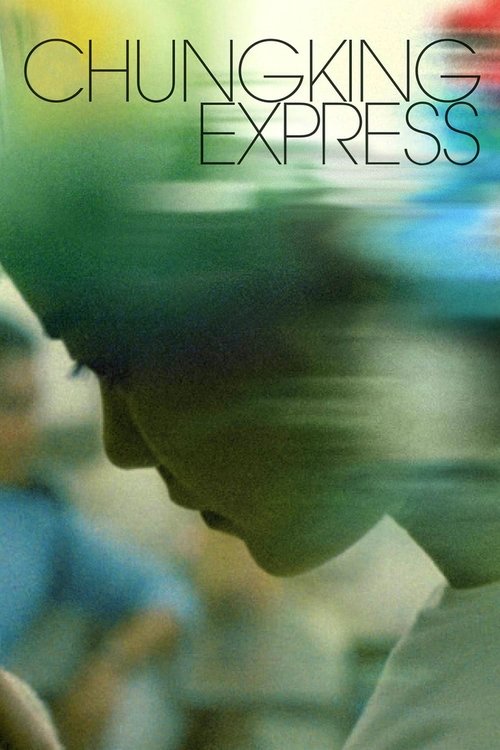
Chungking Express1994
Wong Kar-wai's melancholic masterpiece about displacement and connection in Hong Kong. Different genre entirely, but shares the film's fascination with transient lives and emotional vertigo in liminal spaces.
But Dreamlike and oblique; plot is secondary to mood and style. If you need narrative clarity, this will frustrate you.
In the Mood for Love2000
Wong Kar-wai again, this time exploring longing and identity in 1960s Hong Kong with painterly precision. A different register from Woo Viet, but equally haunted by geography and desire.
But Almost static. Wong prioritizes visual composition and atmosphere over momentum. Some find it transcendent; others find it interminable.

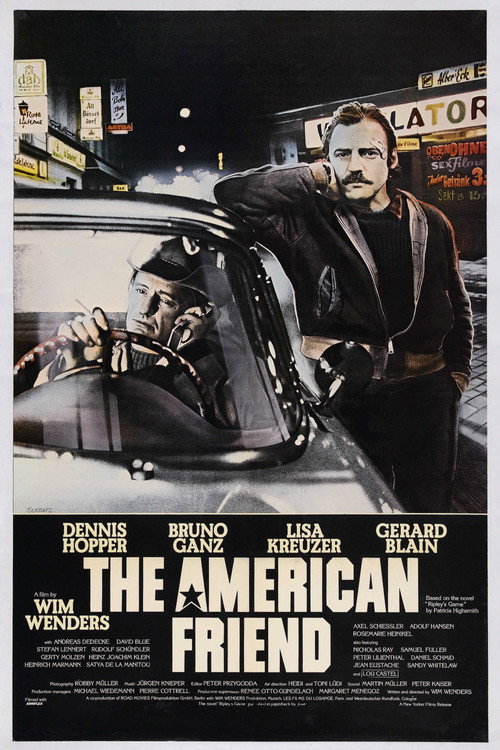
The American Friend1977
Wim Wenders' thriller about a man drawn into criminal conspiracy. Contemplative where most crime films are kinetic, but equally tense about how ordinary people spiral into danger.
But Wenders' rhythm is European and deliberate. The pacing will feel strange if you're expecting propulsive genre mechanics.
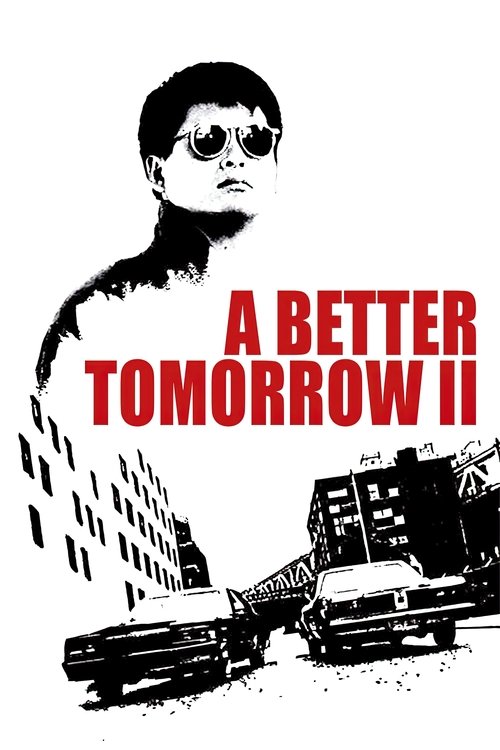
A Better Tomorrow II1987
Woo's sequel leans harder into twin performances and fractured identity—themes that resonate with Chow's refugee character split between past and future selves.
But Widely considered inferior to the first film. The plotting is repetitive and the emotional stakes feel diluted by spectacle.
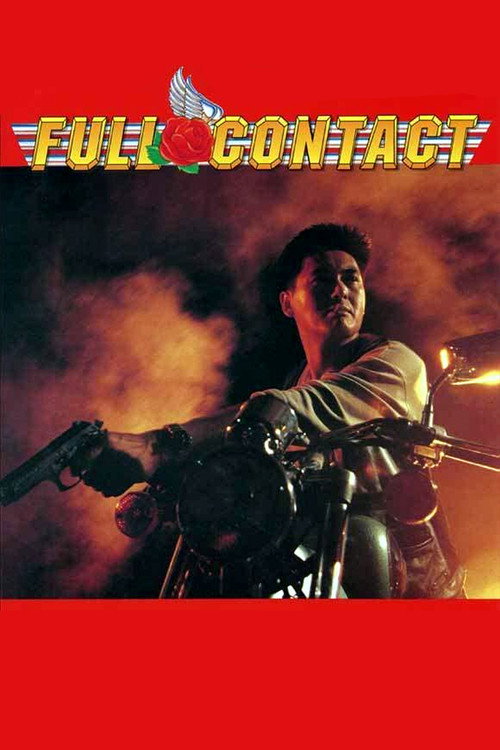
Full Contact1992
Hong Kong action drama with a similar preoccupation: decent people compromised by circumstance, survival taking priority over morality. Stylish but substantive.
But Tonal whiplash between action setpieces and intimate despair. The film doesn't quite resolve the tension between genres, which can feel unfocused.
Tokyo Story1953
Both are fundamentally about the failure of return and the recognition that home is a place you can no longer inhabit. One is urgent thriller, one is meditative reverie—same core ache.
Ozu's meditation on displacement, aging, and the impossibility of return. Chow's refugee cannot go back home; Ozu's elderly couple cannot recapture what was lost. Different cultures, same quiet devastation.
But Glacial. Nothing happens, and everything does. If you need plot, dialogue, or movement, this will test your patience severely.

Come and See1985
Both refuse the comfort of heroism. Both insist that survival strips away the self rather than proving it. Both treat violence and displacement as corrosive, not dramatic.
Elem Klimov's unflinching portrait of a young boy thrust into war's machinery. Not a thriller, but a document of how trauma fractures consciousness. Shares Woo Viet's refusal to sentimentalize survival.
But This is among cinema's most harrowing experiences. It is not entertainment. Some find it essential; others find it unwatchable.

People
Cast
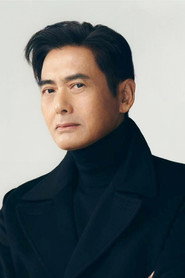 Chow Yun-FatWoo Viet
 Cora MiaoLee Lap Quan
 Cherie Chung Cho-HungShum Ching
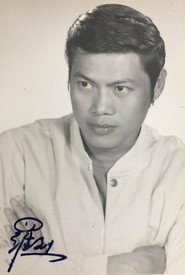 Lo LiehAh Sahm
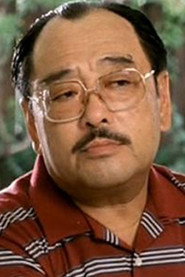 Gam BiuMr. Chung
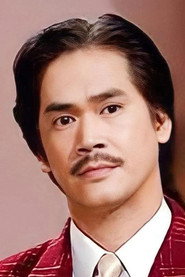 Homer CheungVietcong Special Agent
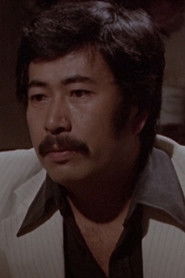 Tong Kam-TongSnakehead
 Lam Ying-FatYoung Vietnamese Refugee
- Chan To-KitElderly Vietnamese Refugee
- Chung Cheun-YingJapanese Language Teacher
- Fung Yun-ChuenHuman Trafficker
- Dave BrodettMigual
Directing
- Tony Ching Siu-TungAction Director
- Stanley Kwan Kam-PangAssistant Director
- Ann HuiDirector
Writing
- Alfred Cheung Kin-TingWriter
Production
- Teddy RobinProducer