
Film
Fury of King Boxer
A 1972 kung-fu action film where Jimmy Wang Yu leads revolutionaries in massive, brutal fights against Manchu forces. It's raw and physical, built almost entirely around combat sequences that showcase Wang Yu's distinctive style—explosive, ungainly, visceral. For anyone who loves martial arts cinema from this era before the Bruce Lee explosion standardized the form.
Should you watch it?
Watch it if you love old-school martial arts cinema built around big, choreographed brawls, and you don't mind a rousing anti-tyranny plot that's mostly a clothesline for the next fight.
Skip it if you want subtle characters or a tight, modern pace, since the drama is broad and the storytelling is blunt, with plenty of sprawling stretches between the spectacle.
What it asks of you: Expect a straightforward, unfussy watch of roughly an hour and a half, where patience for loud, stylized violence and simple moral lines goes further than close attention to plot.
Not sure? Find tonight's pick in a minute.
If you liked this
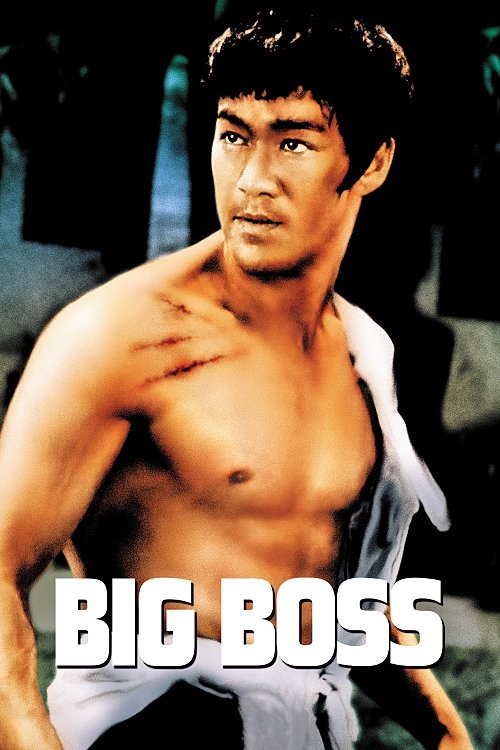
The Big Boss1971
Bruce Lee's first major starring role, similarly built around showcase fight sequences that changed action cinema forever. Raw, immediate, a glimpse of what martial arts movies could be before anyone knew yet.
But Pacing is uneven by modern standards, and the plot—a mystery at a factory—feels thin compared to the fighting. Some scenes drag between set pieces.
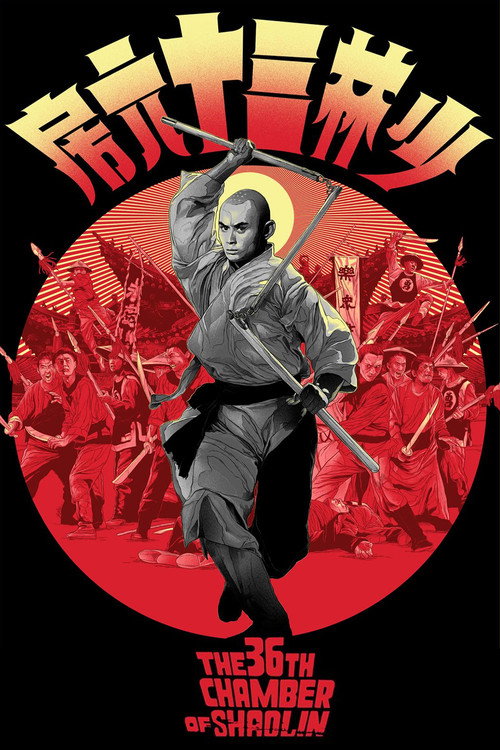
The 36th Chamber of Shaolin1978
Gordon Liu at the peak of his powers: a film about mastering martial arts that IS essentially one long, varied training montage. Genuinely inventive fight choreography and a monk who teaches the protagonist to kill pots.
But The second half repeats ideas from the first. Dubbing is occasionally awkward, and the pacing can feel repetitive even as the techniques are new.
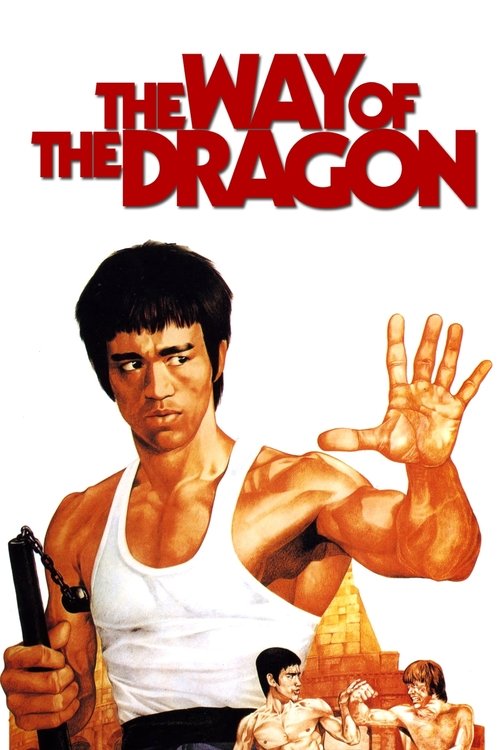
The Way of the Dragon1972
Bruce Lee's only directorial effort, shot partly in Rome with absurd charm. The climactic fight in the Colosseum is iconic, and the film has a playful energy the others lack.
But Dialogue scenes meander badly, and the plot—a restaurant protection racket—disappears for long stretches. Feels less focused than his other work.
Not sure tonight? Get a pick in a minute, starting from Fury of King Boxer
The wildcard
Something you would not have found on your own.
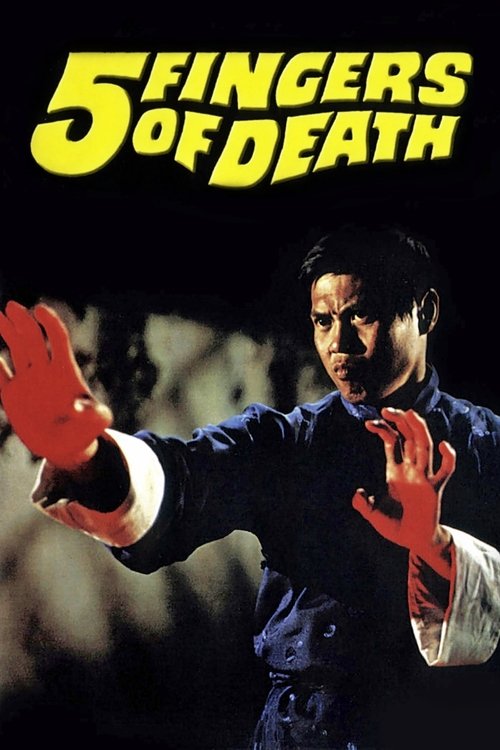
Five Fingers of Death1972
Both are 1972 martial-arts action films built almost entirely around fight sequences, both feature revolutionaries battling oppressive forces, both represent the exact moment before Bruce Lee changed everything about how action was filmed.
Released the same year, this is the kung-fu film that actually reached Western audiences first and taught the world the sound of a punch. It's rougher and more industrial than Fury of King Boxer but has identical DNA: Han vs. revolutionaries, massive fights, zero apology.
But Even cheaper-looking than Fury of King Boxer, and the dubbing is truly abysmal. Pacing is erratic and scenes repeat. It's almost difficult to watch on a basic technical level.
More like this (6)
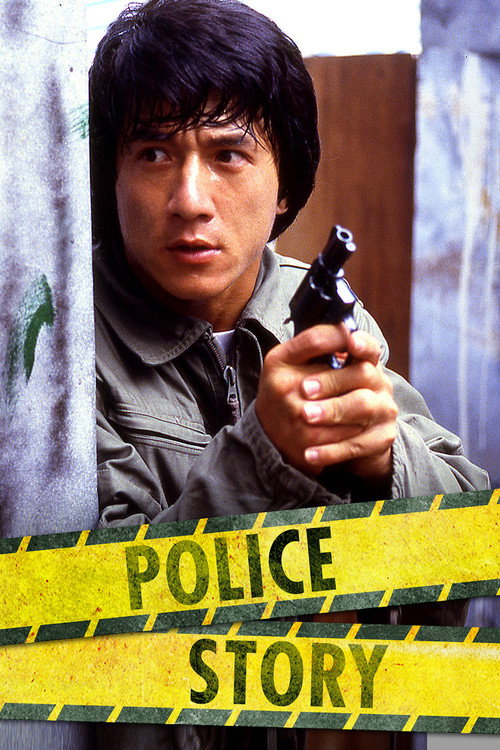
Police Story1985
Jackie Chan's breakout: propulsive, funny, inventive, and proof that martial arts comedy could match the action on sheer energy. He threw himself down a building for this and it shows.
But The plot is boilerplate cop-movie stuff, and some of the earlier comedic bits haven't aged gracefully. Dubbed English versions especially suffer.
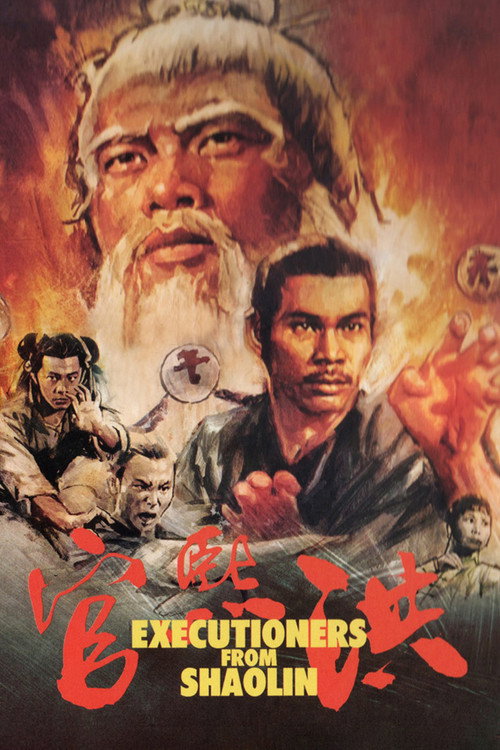
Executioners from Shaolin1977
Gordon Liu and Lily Ho as martial artists raising a son in secret: stylish, deadly serious about technique, with immaculate wire work that feels dangerous. Shaolin-revenge material at its best.
But Very talky in places. The domestic subplot slows momentum, and you need to care about the family dynamic for it to land.
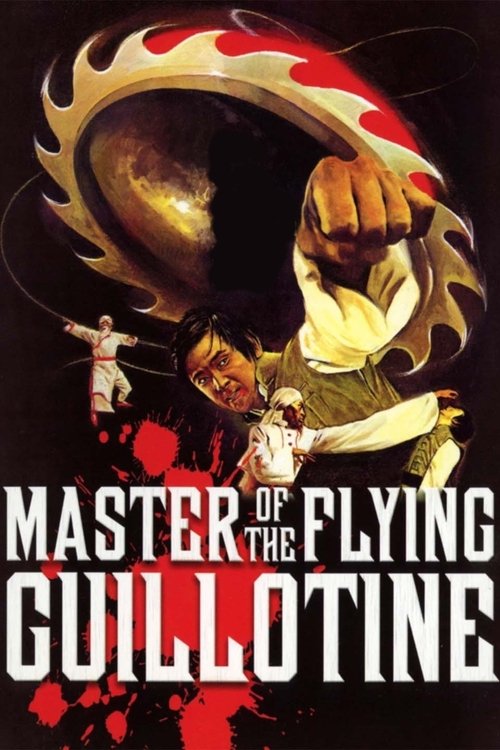
Master of the Flying Guillotine1976
Absolute fever dream: a blind martial artist chasing flying guillotines, edited like someone had four reels and let them play at once. Gloriously, unashamedly insane.
But Coherence is optional. The plot is barely there, dubbing is hilariously bad, and the editing feels less intentional than accidental in places.
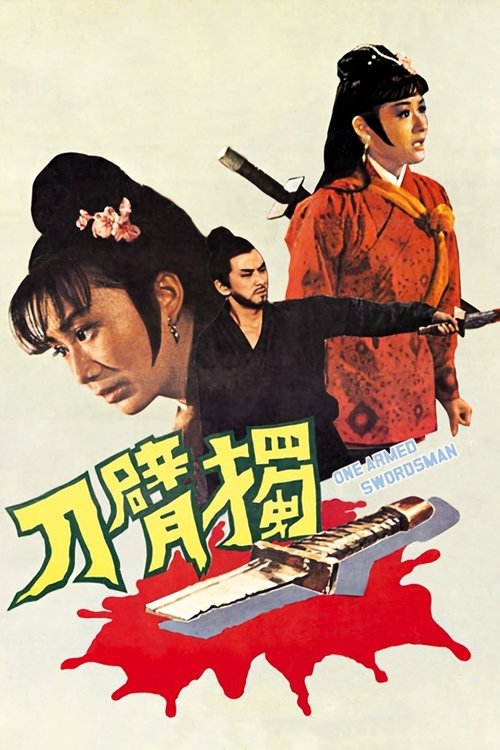
The One-Armed Swordsman1967
Jimmy Wang Yu's earlier breakout, establishing him as a star before this film. Elegant swordplay mixed with surprising pathos; you care about his character's journey.
But Slower than modern action fans expect, and the emotional beats go long. Some fight sequences feel stiff compared to what would come after.
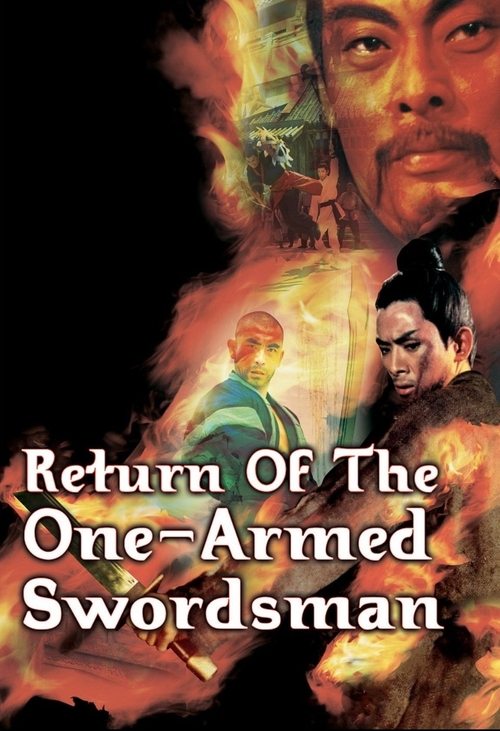
Return of the One-Armed Swordsman1969
The sequel deepens the character and stakes, with larger battles and more elaborate choreography. A solid continuation that expands the world meaningfully without retreading.
But Follows the first too closely in structure, and by the third act relies on repetition. Neither the charm of the original nor the invention of later films.
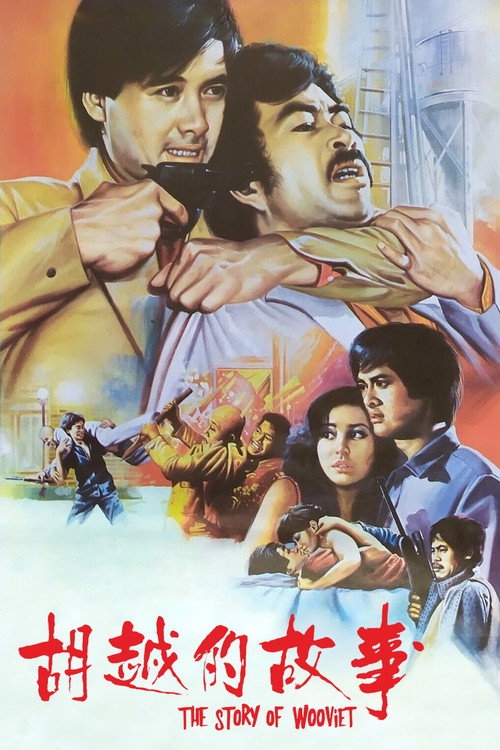
The Story of Woo Viet1981
Both feature Jimmy Wang Yu; both are set in periods where individuals fight against vast systems. But this film is the inverse—it replaces spectacle with consequence, asking what the endless combat from Fury of King Boxer actually costs.
Devastatingly serious drama about Vietnamese refugees—a cop and a thief—caught between empires, with only brief, brutal action moments. Directed by the man who did Come Drink with Me, it takes the martial arts cinema DNA and asks what happens when technique meets human cost.
But It's essentially a refugee tragedy punctuated by rare violence, not an action film. Long, slow, and primarily interested in moral exhaustion. Easy to mistake for the kind of film you think you should watch rather than want to.
People
Cast
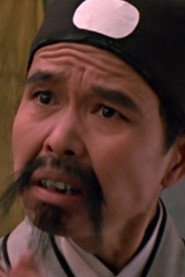
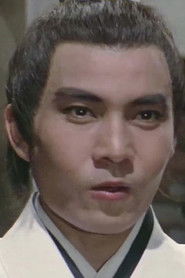
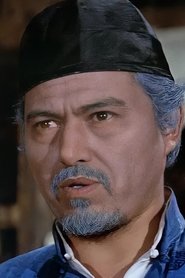
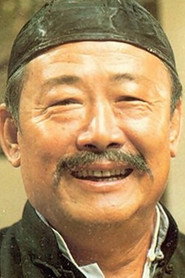
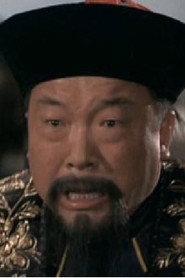
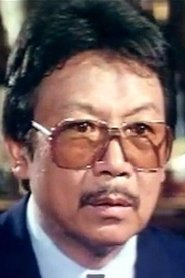
Directing
- Ting Shan-HsiDirector
Writing
- Ting Shan-HsiWriter
Recommended by
Master of the Flying Guillotine, The Chinese Boxer, The Blade, The Duel, The Shaolin Plot, Hapkido, Five Fingers of Death, Shaolin Abbot, Heroes Two, The Prodigal Boxer, One-Armed Boxer, The 18 Bronzemen, Shaolin Martial Arts, The Kung Fu Instructor, Five Element Ninjas