
Film
The Way of the Dragon
Bruce Lee's directorial debut sends a Hong Kong martial artist to Rome to save a family restaurant from mob extortion. It's a slim, propulsive film that treats action as poetry—long, patient sequences where technique and grace matter more than cuts or noise. A master class in how to film fighting, and a time capsule of Lee's charisma at its absolute peak.
Should you watch it?
Watch it if you want a lean, sun-baked brawler where the fights are the point and the plot stays out of the way, the kind of showdown that rewards patience with one unforgettable set piece.
Skip it if you need a lot of story, fast cutting or polished modern choreography, since the pacing is loose and the camera often lingers on the old-school clumsiness of its fight staging.
What it asks of you: About a hundred minutes of unhurried setup before the violence arrives, then an easy, playful tempo that asks you to enjoy the rhythm more than the logic.
Not sure? Find tonight's pick in a minute.
If you liked this
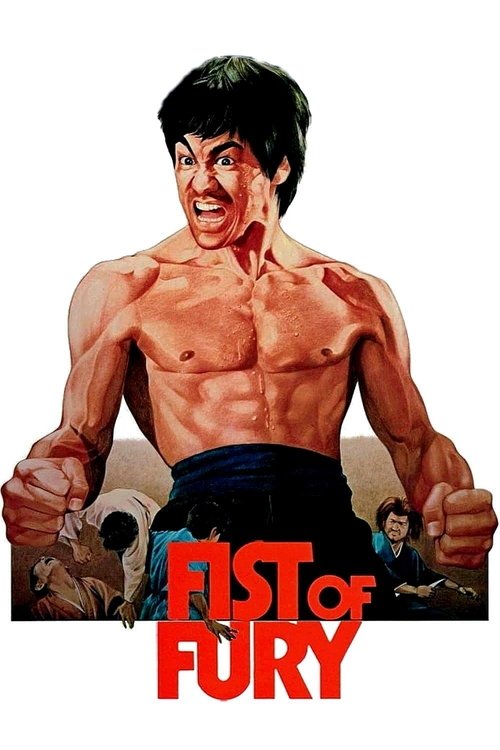
Fist of Fury1972
Lee plays a grieving kung fu master seeking vengeance for his teacher's murder. It has the raw emotional core and brutal efficiency that made Lee a phenomenon—every punch feels earned and necessary.
But Released the same year as The Way of the Dragon, it's grittier and darker, with less of the charm and more of the rage. If you want Lee's warmth, this isn't it.
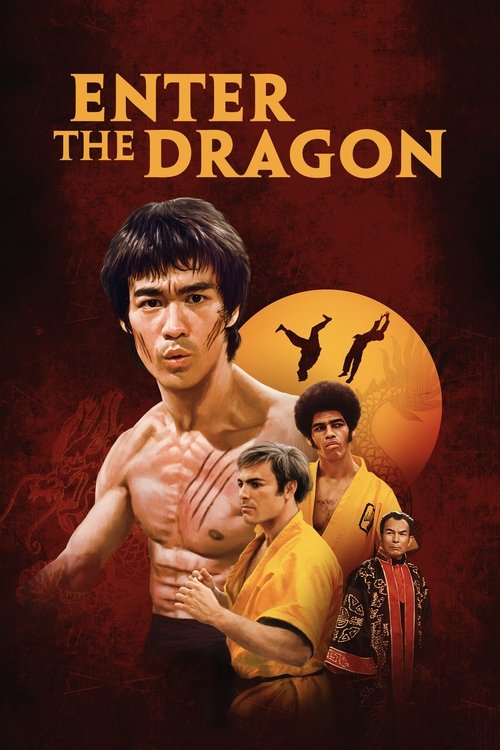
Enter the Dragon1973
Lee's final completed film, made for Hollywood. It's sleeker and bigger than The Way of the Dragon, with a plot that actually justifies the action. The Colosseum fight has no equal, but this one has the full machinery of a blockbuster behind it.
But More conventional and less interested in the poetry of fighting. It's also his only film with significant Hollywood intervention, which some find makes it feel less purely Lee.
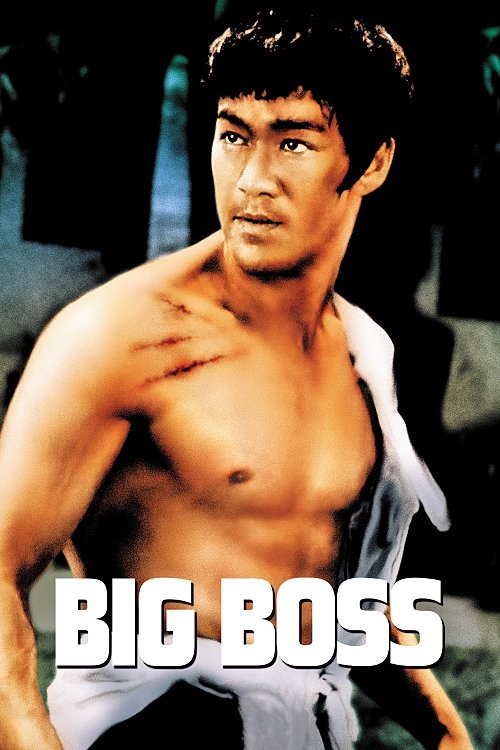
The Big Boss1971
Lee's first leading role. A factory worker uncovers a drug trafficking operation at his workplace. It's rawer and faster-paced than The Way of the Dragon, and it shows why he became a star—the screen barely contains him.
But Lower budget, cruder in places, and the story is thinner. If you're coming from The Way of the Dragon's elegance, this might feel rushed and blunt.
Not sure tonight? Get a pick in a minute, starting from The Way of the Dragon
The wildcard
Something you would not have found on your own.
Contempt1963
Both are films by artists at the height of their powers who understand that cinema is about how bodies and spaces are arranged, not about what happens. Both are more interested in the geometry of a moment than the momentum of a story.
Godard's film about a director and actress whose marriage collapses on the set of a sword-and-sandals picture. It's about performance, bodies in space, and the gap between intention and effect—exactly what The Way of the Dragon is about, translated into a completely different register.
But It's glacially paced, in French, and the 'plot' is deliberately slow and philosophical. There's virtually no action. If you want entertainment, this will feel like work.

More like this (8)
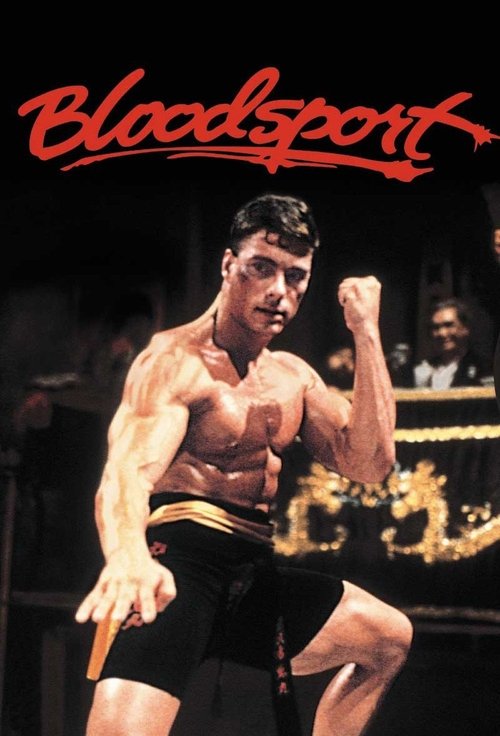
Bloodsport1988
Jean-Claude Van Damme in a tournament film that borrowed liberally from Lee's playbook. It has that same commitment to showcasing fighting styles and the same sense that physical virtuosity is its own reward.
But Van Damme is no Lee, and the film knows it—it compensates with melodrama and a more conventional action-movie structure. It's earnest but slightly silly in ways The Way of the Dragon never is.
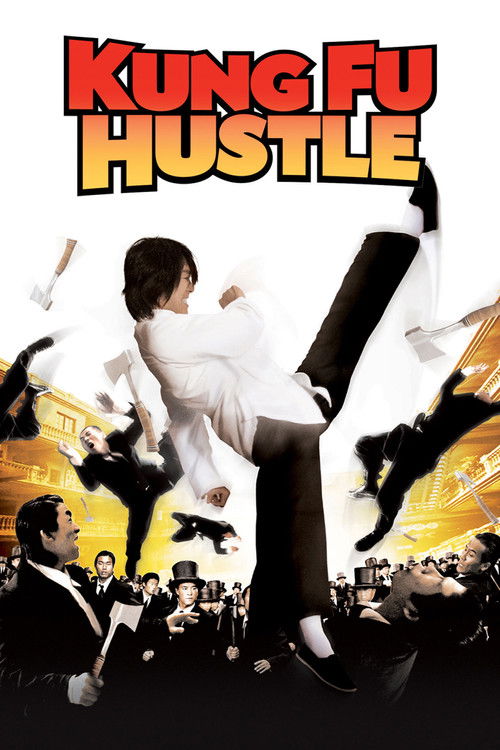
Kung Fu Hustle2004
Stephen Chow's love letter to kung fu cinema, where fighting is treated as an art form and the humor comes from character rather than irony. The action sequences have that same patient, almost balletic quality Lee pioneered.
But It's comedy first, which means the tone shifts constantly. If you want pure fighting, the jokes will feel like interruptions. Also very much a product of 2000s Hong Kong action cinema, not the 1970s minimalism.
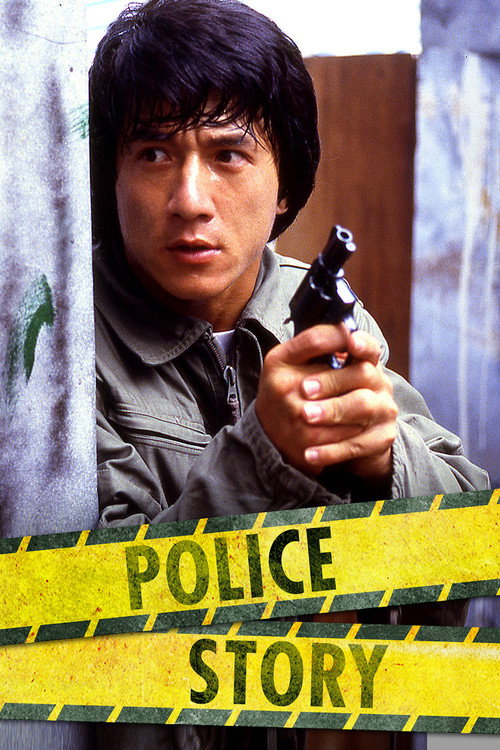
Police Story1985
Jackie Chan's masterpiece, where every stunt serves the story and the fighting is genuinely inventive. Like Lee, Chan understands that the best action films show you something you've never seen before.
But Much longer and more comedic than The Way of the Dragon. Chan's approach is also the opposite of Lee's—maximalist and acrobatic where Lee is economical and grounded.
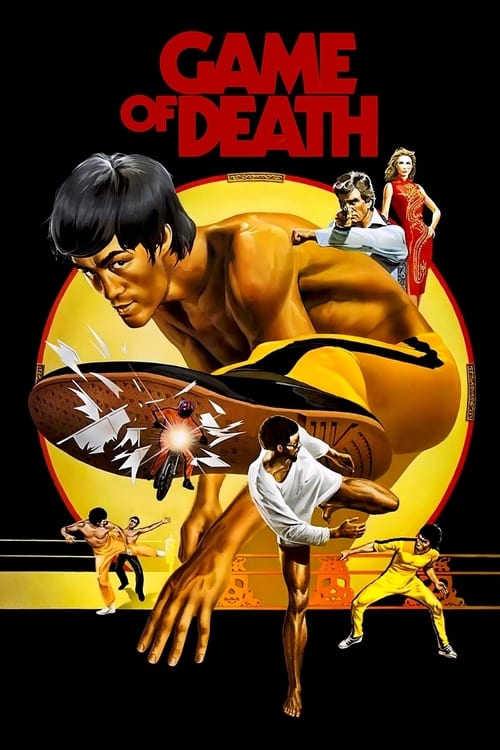
Game of Death1978
Assembled from Lee's unfinished footage, it's a flawed film but a fascinating one. The pagoda fight sequence, filmed before his death, shows Lee fighting multiple opponents in different styles—his most ambitious action work.
But It's incomplete and patchy, with obvious stand-ins and reshot scenes. Watching it means accepting a film that was never finished and never could be the way Lee intended.
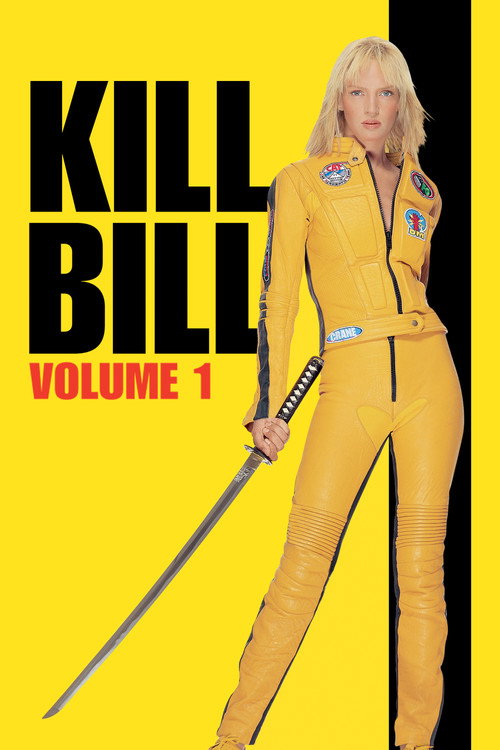
Kill Bill: Vol. 12003
Tarantino's love letter to 1970s action cinema, including a direct homage to The Way of the Dragon. He understands that great action is about style, patience, and the geometry of bodies in space—everything Lee taught.
But It's stylized to the point of artificiality, and revenge is the only plot. If you want substance beyond the fighting, you'll be disappointed. Also very bloody and extremely violent.
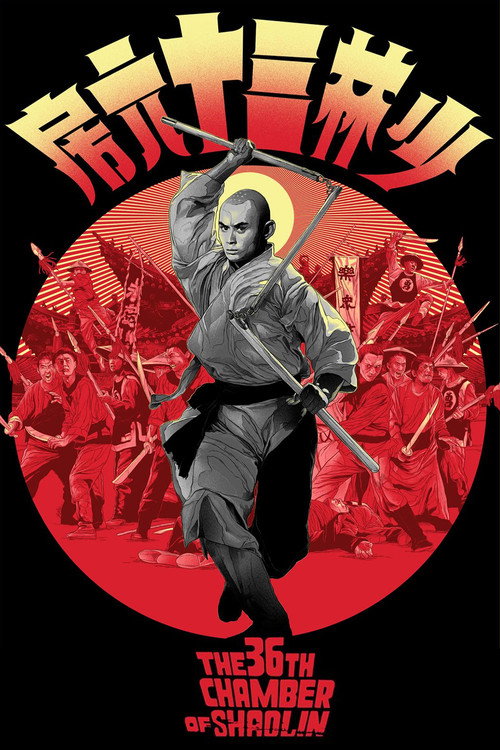
The 36th Chamber of Shaolin1978
Gordon Liu in the ur-text of kung fu training narratives. It has the same respect for technique and the same understanding that mastery requires patience and repetition that The Way of the Dragon embodies.
But It's slower and more methodical than anything Lee did. Long stretches are devoted to training montages. If you want constant action, this tests your patience.
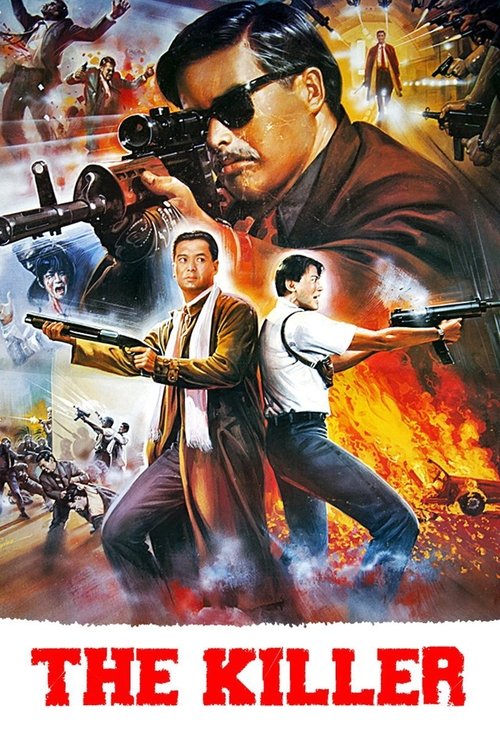
The Killer1989
Both films are built around the idea that action sequences are the truest expression of character. Both filmmakers (Lee directing, Woo as action choreographer) believe fighting can be more honest than dialogue.
John Woo's masterpiece about a hitman and a cop. It treats violence as a kind of choreography, with bullets and bodies moving through space like a dance. It's the spiritual successor to The Way of the Dragon—Asian action cinema that thinks of fighting as an art.
But It's operatic and sentimental in ways Lee never was, with a plot that doesn't quite hold together. The action is beautiful but sometimes feels more important than character or logic.
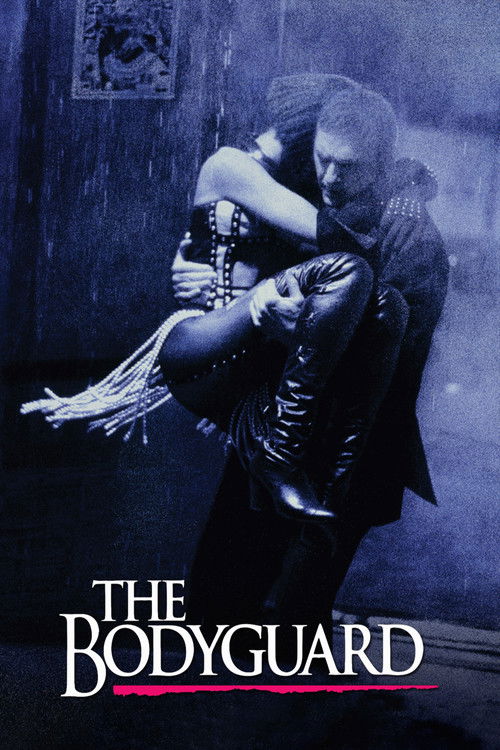
The Bodyguard1992
A direct inheritor of the approach Lee pioneered: a film where the action sequences are the point, and everything else (plot, dialogue, character development) is scaffolding. It's proof that Lee's way of thinking about cinema was a revolution, not a fluke.
Tsui Hark's film about a martial artist protecting a singer in modern Hong Kong. It has that same lean efficiency as The Way of the Dragon—no wasted motion, every frame purposeful. It's also one of the last great films of the Hong Kong action cinema Lee helped create.
But It's from a very specific moment in 1990s Hong Kong cinema and feels dated now. The plot is thin and the romance is perfunctory. It's much more interested in action than story.
People
Cast
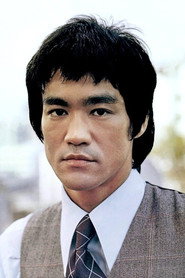 Bruce LeeTang Lung
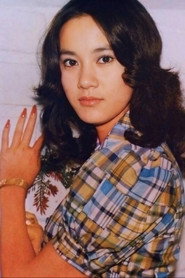 Nora MiaoChen Ching Hua
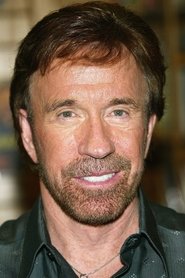 Chuck NorrisColt
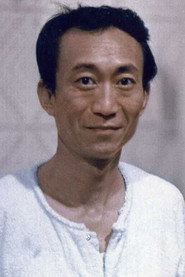
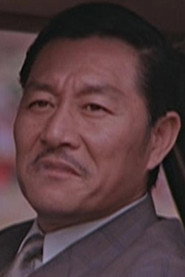 Huang Tsung-Hsun'Uncle' Wang
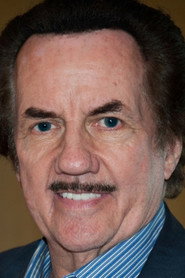 Robert WallFred
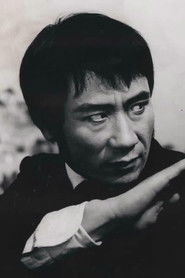 Hwang In-shikJapanese Fighter
- Chin TiAh Quen
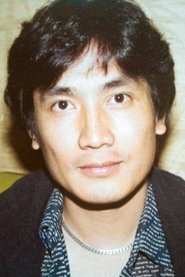
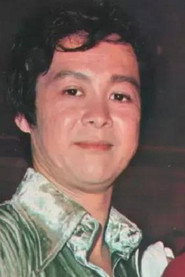 Little UnicornJimmy
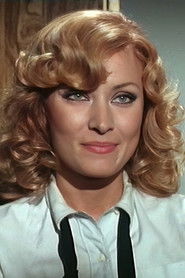 Malisa LongoItalian Beauty
- Wu NganWaiter
Directing
- Chih Yao-ChangAssistant Director
- Bruce LeeDirector
- Joe Cheung Tung-ChoScript Supervisor
Writing
- Bruce LeeScreenplay
- Joe Cheung Tung-ChoStory
Production
- Bruce LeeProducer
- Raymond ChowProducer
- Chaplin Chang Yin-PengProduction Manager
- Kuang Chih-ChungProduction Manager
Recommended by
The Green Hornet, Fist of Fury, The Big Boss, The Chinese Boxer, Game of Death, Fury of King Boxer, The Prodigal Boxer