
Film
The Chinese Boxer
A 1970 Hong Kong action film where a determined martial arts student seeks vengeance against a brutal Japanese karate master. Raw, physically immediate, and gorgeously shot in widescreen: all practical choreography, real sweat, authentic locations. Made for anyone who loves old kung fu cinema, or anyone discovering why 70s action filmmaking felt genuinely dangerous.
Should you watch it?
Watch it if you love old-school kung fu pictures where the fights carry the story, with blunt, tactile choreography and training montages that feel earned rather than filler.
Skip it if you want a modern pace or subtle characters; this is a brisk 90 minutes of stock heroics, rough 1970 production, and a hero who never wavers, so the earnestness can wear thin.
What it asks of you: Ninety minutes of steady momentum, with the action arriving often and the dialogue kept short. Expect a loud, bruising energy rather than quiet moments, and not much room for nuance.
Not sure? Find tonight's pick in a minute.
If you liked this
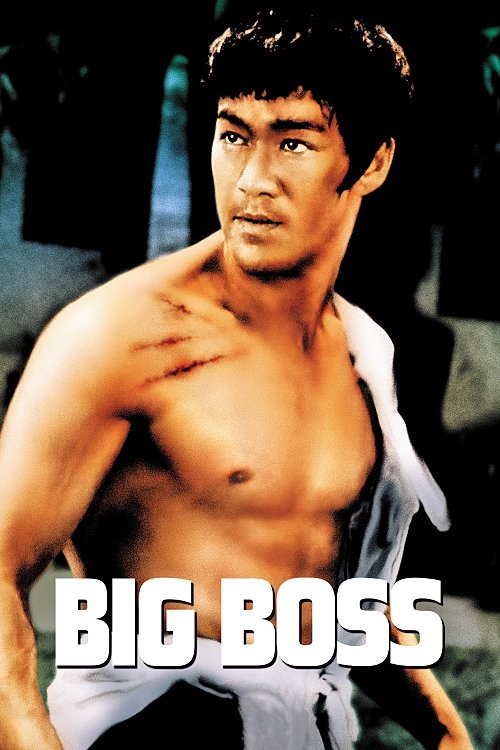
The Big Boss1971
Bruce Lee's feature debut, released the same year. A Thai factory sets the stage for Lee's volcanic charisma and the birth of modern martial arts cinema. Unmissable if you're exploring this era.
But Occasionally stilted dialogue and a plot that exists mainly to string together fights. If you need story scaffolding, this won't provide it.
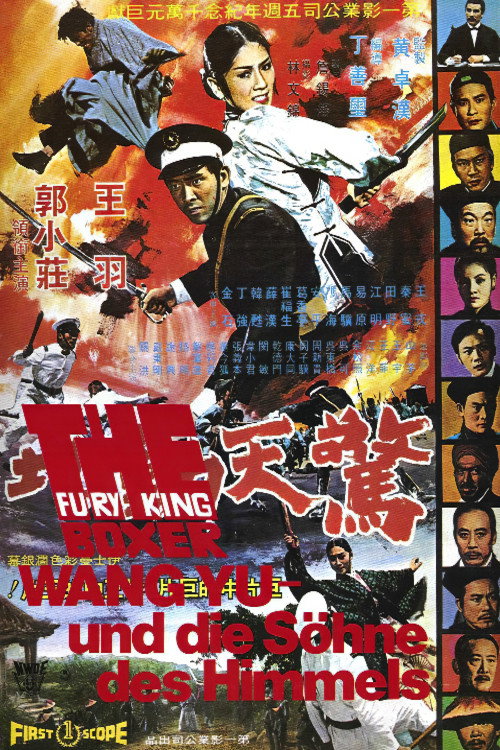
Fury of King Boxer1972
The definitive hand-to-hand kung fu film of the early 70s: brutal, balletic, and obsessed with training montages and stylised violence. If you loved the bone-breaking physicality here, this goes further.
But The dubbing is atrocious and the plot is thin. Also contains real animal harm that will upset modern viewers.
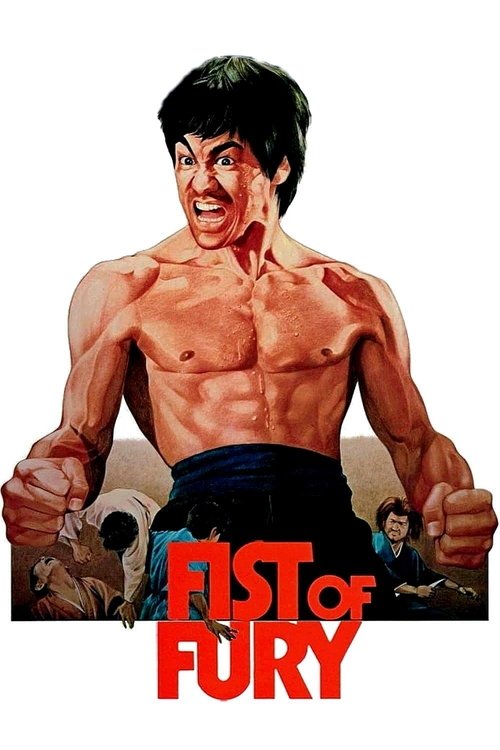
Fist of Fury1972
Bruce Lee's response to anti-Asian racism and Japanese occupation. Fiercer and more politically charged than his debut, with combat scenes that feel genuinely wrathful. A spiritual cousin to this film's themes.
But The nationalism is blunt and unironic. If you prefer subtlety in your message, this isn't it.
Not sure tonight? Get a pick in a minute, starting from The Chinese Boxer
The wildcard
Something you would not have found on your own.
Harakiri1962
Both pit an individual against a foreign martial tradition and system. Both are about the cost of violence rather than the glamour of it. Kobayashi's film is the tragic inversion of everything the Hong Kong genre celebrates.
Masaki Kobayashi's Japanese masterpiece about a samurai seeking vengeance against a clan. Same DNA as *The Chinese Boxer*—honor, betrayal, inevitable violence—but told through long static shots and moral anguish. Reveals what a martial arts narrative can do when stripped to philosophy.
But Very slow, very serious, almost dialogue-heavy. Black and white. If you want action, this will frustrate you deeply. It's a meditation that happens to contain swords.

More like this (7)
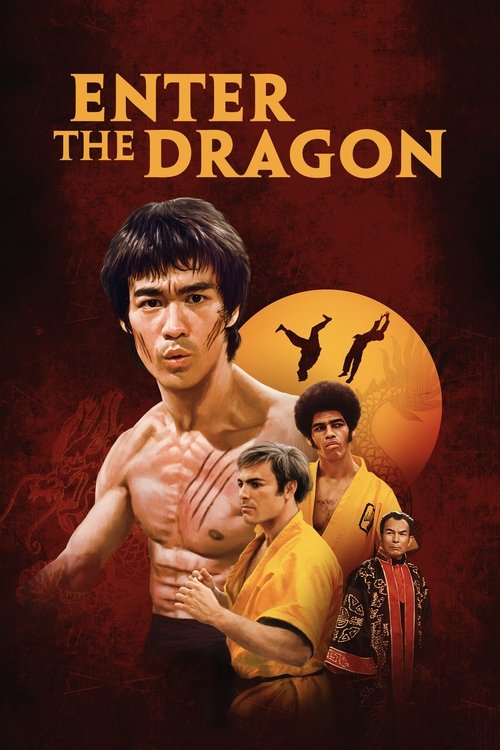
Enter the Dragon1973
Lee's only Hollywood film and the one that changed everything. More polished than earlier Hong Kong work, but that physicality and danger remain. The template for everything that followed.
But Mainstream success means less of the raw edge. If you're chasing authenticity, the Hong Kong films hit harder.
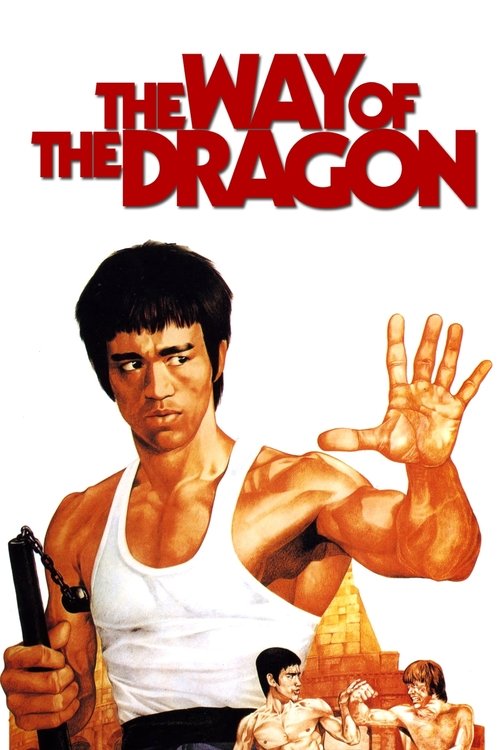
The Way of the Dragon1972
Bruce Lee wrote and directed this one. Rome as backdrop, a leisurely pace, and that famous Colosseum fight. More meditative than his other work, but the action when it comes is transcendent.
But Slower than you'd expect. Long stretches of tourism and romance before the payoff. Requires patience.
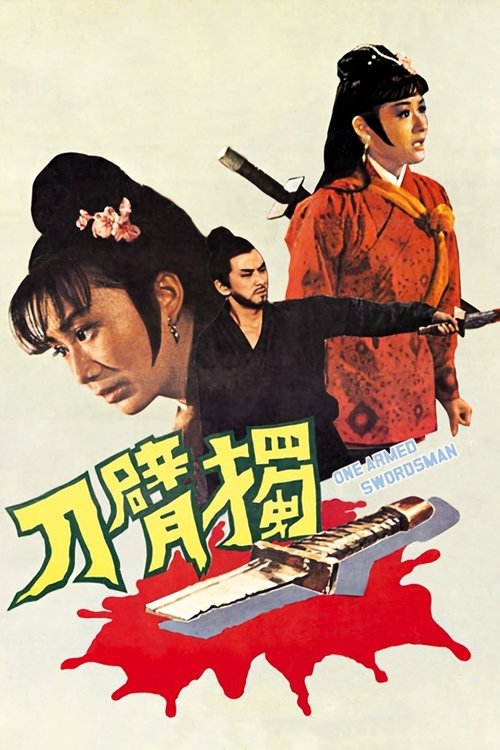
The One-Armed Swordsman1967
Chang Cheh's masterpiece and the film that accidentally invented the modern wuxia genre. Tragic, operatic, visually stunning. Essential context for understanding how Hong Kong action evolved.
But Swordplay rather than hand-to-hand combat, which is a different language entirely. Also a bit melodramatic for modern tastes.
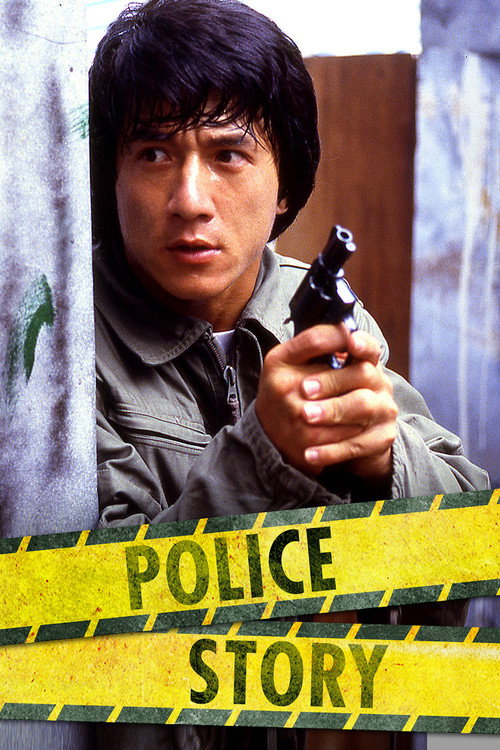
Police Story1985
Jackie Chan's most explosive film: a police officer takes on the triad. Stunts that look genuinely impossible because they are. Chan is funnier and more acrobatic than the 70s generation, but the commitment is identical.
But The tone whipsaws between comedy and violence; some find it jarring. Also, the women's roles are pretty rough.
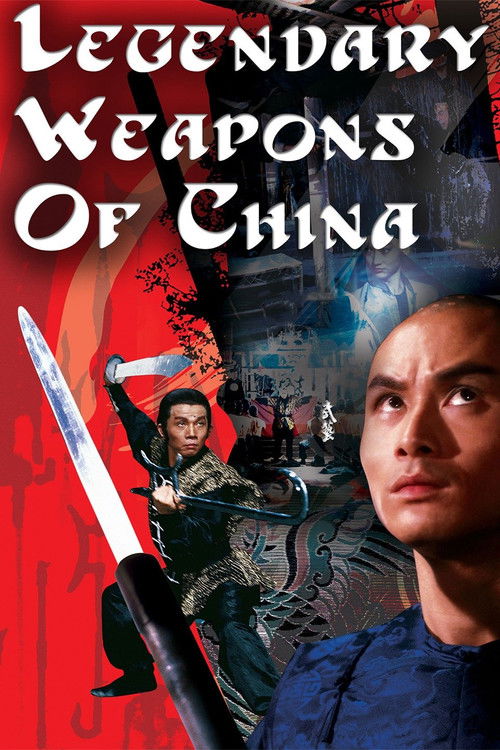
Legendary Weapons of China1982
Lau Kar-leung's film about martial arts masters defending their temple. Beautiful widescreen cinematography, intricate choreography that shows you every movement, genuine affection for classical technique.
But Very slow. You spend as much time watching monks meditate as fighting. Not for the impatient.
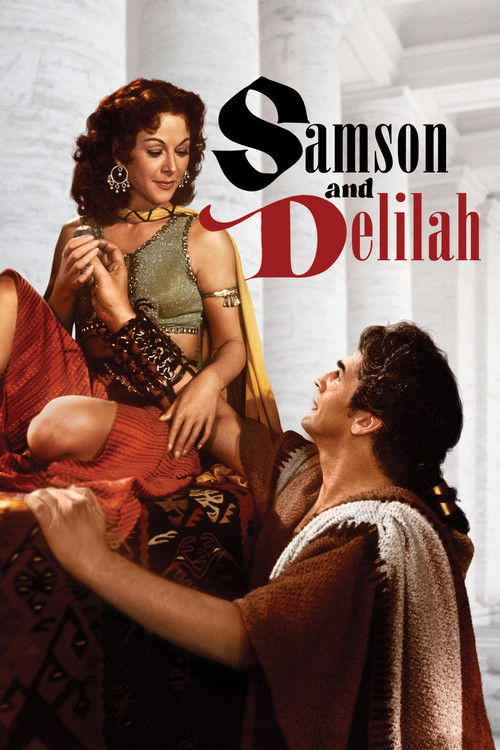
Samson and Delilah1949
Both films are about a martial artist pushed into isolation by foreign occupation or oppression. Both use montages of isolation and training as the emotional core. Both end with the protagonist's body as the only tool left.
Cecil B. DeMille's biblical epic where Samson (Victor Mature) trains, fights overwhelming odds, and faces a culture he cannot reconcile with. The choreography is primitive but the emotional architecture is identical: a man's body as his only weapon, training sequences that matter, destiny as burden.
But It's a 1949 Hollywood spectacular. Costumes, sets, schmaltz. If you're seeking authenticity or modern filmmaking language, this will feel absurdly remote.
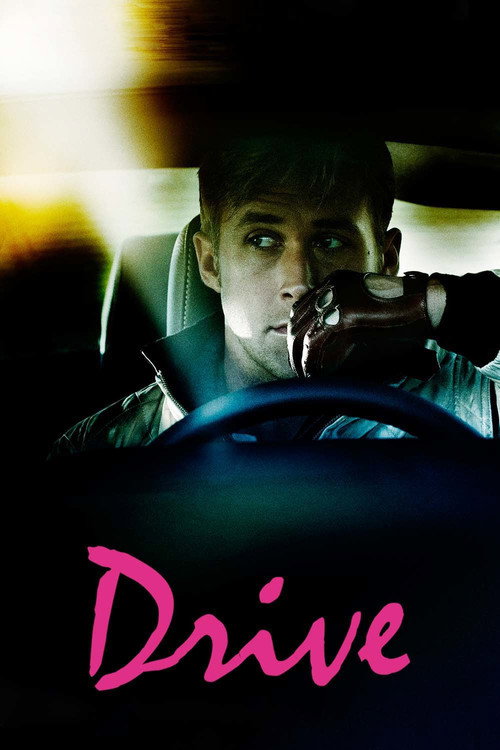
Drive2011
Both films are structured around a climactic vengeance sequence where the protagonist has been broken and remade by training and isolation. Both are 90 minutes of mounting dread interrupted by sudden, precise violence. Both trust the audience to sit with silence.
Nicolas Winding Refn's neo-noir where a Hollywood stunt driver becomes a getaway driver and then a killer. Barely any dialogue, long silences, sudden explosive violence. The DNA is pure 70s: widescreen, natural lighting, a man in motion, minimalist storytelling.
But Not martial arts cinema. Also modern, stylised, and shaped by European art film sensibilities rather than genre convention. Some will find it too slow and precious.
People
Cast
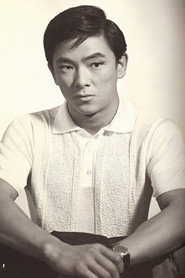 Jimmy Wang YuLei Ming
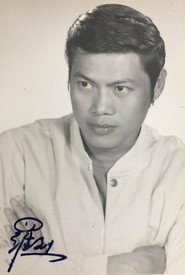 Lo LiehKitashima
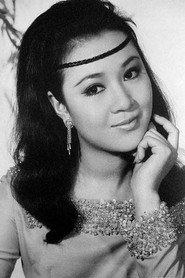 Wang PingLi Siao Ling
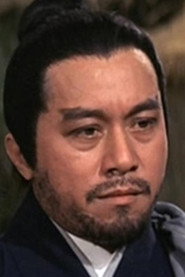 Chao HsiungDiao-Erh
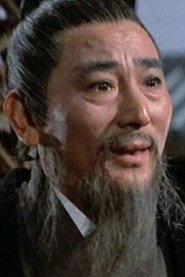 Fang MianMaster Li Chun-Hai
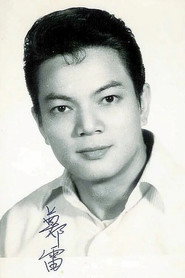 Cheng LuiCheung Da Lung
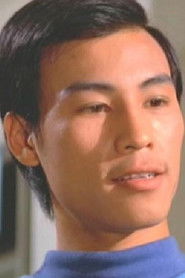 Wang Kuang-YuSuen Tung
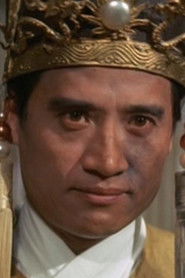 Chai NoLin Hung
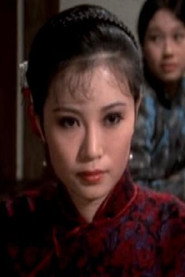 Kong LingAh Juan
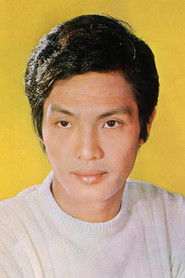 Wong ChungTanaka
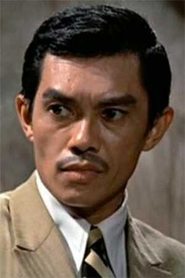 Chan SingIshihara
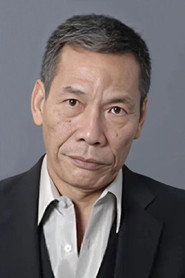 Wong ChingKume, Samurai in blue
Recommended by
The One-Armed Swordsman, Master of the Flying Guillotine, Disciples of the 36th Chamber, Five Fingers of Death, One-Armed Boxer