
Film
Five Fingers of Death
A young martial artist masters the deadly iron palm technique to defeat a criminal gang and win a prestigious tournament. This 1972 Shaw Brothers classic defined the kung fu film template: colorful costumes, acrobatic fights, moral clarity, and genuine stakes. It's pure adventure cinema, designed for maximum entertainment. If you love action that doesn't apologize for being action, this is essential.
If you liked this
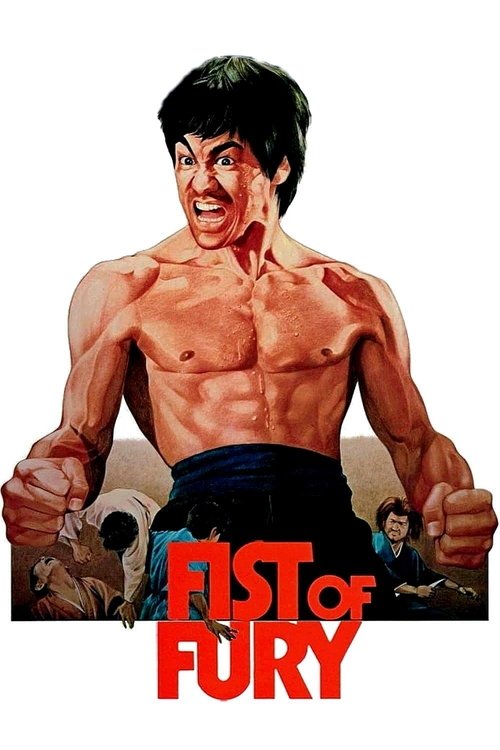
Fist of Fury1972
Bruce Lee's most focused performance, burning with righteous anger. He fights his way through a film that moves like a coiled spring, every scene economical and purposeful. The training montages alone justify the runtime.
But Released the same year, it can feel like a direct comparison—and Lee's raw charisma makes it harder to look elsewhere, which isn't fair to the rest of the film.
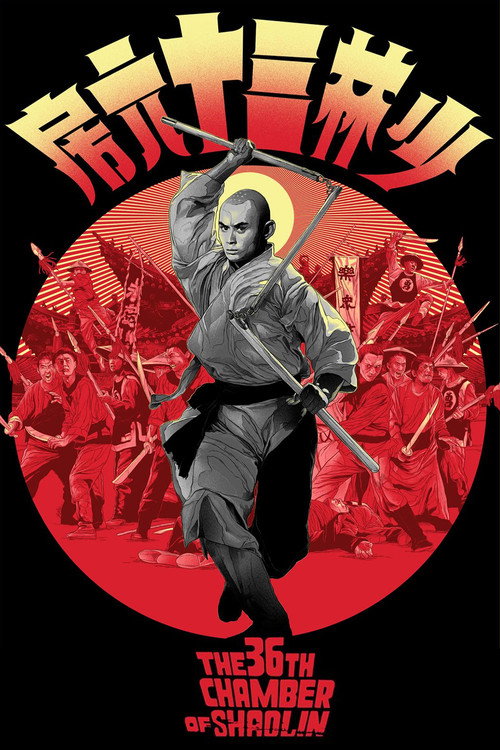
The 36th Chamber of Shaolin1978
Gordon Liu's methodical journey through impossible training sequences builds to something genuinely moving. The film earns its hero. Every chamber he masters feels like a real achievement, and the final confrontation pays off years of patience.
But The middle stretches are repetitive by design—that's the point, but some viewers find it exhausting rather than meditative.
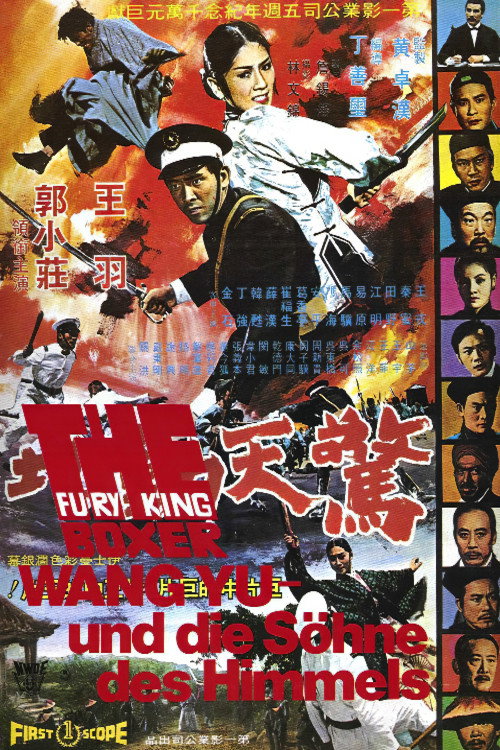
Fury of King Boxer1972
Another Shaw Brothers film from the same moment, with the same iron palm premise but a different hero's journey. It shares *Five Fingers of Death*'s DNA while feeling entirely its own thing. A genuine companion piece, not a copy.
But If you've just watched *Five Fingers*, the similarities will feel fresh for about thirty minutes, then repetitive. Watch them a week apart.
Not sure tonight? Get a pick in a minute, starting from Five Fingers of Death
The wildcard
Something you would not have found on your own.
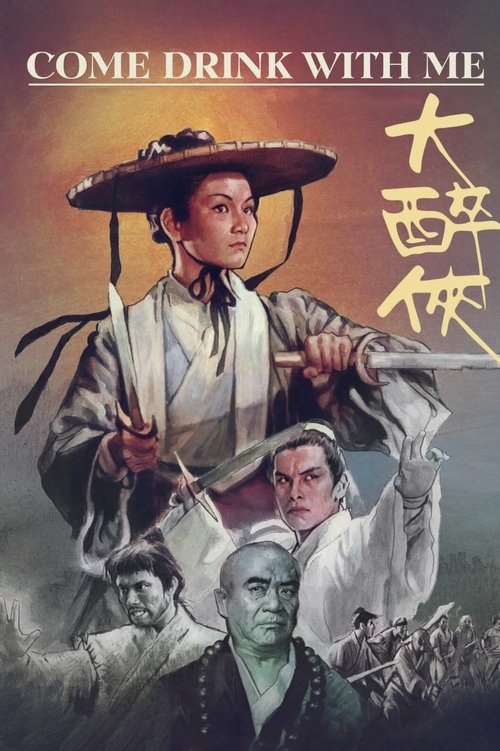
Come Drink with Me1966
The foundational film for the modern kung fu cinema that *Five Fingers of Death* would popularize. Hu's influence on every frame.
King Hu's 1966 masterpiece predates the Shaw Brothers explosion by years and established half the visual language *Five Fingers of Death* would use. Breathtakingly composed, with combat as ballet. This is where it all started.
But It's slower and more meditative than what you're expecting. The fights are fewer, the focus is artistic. Patience required.
More like this (7)
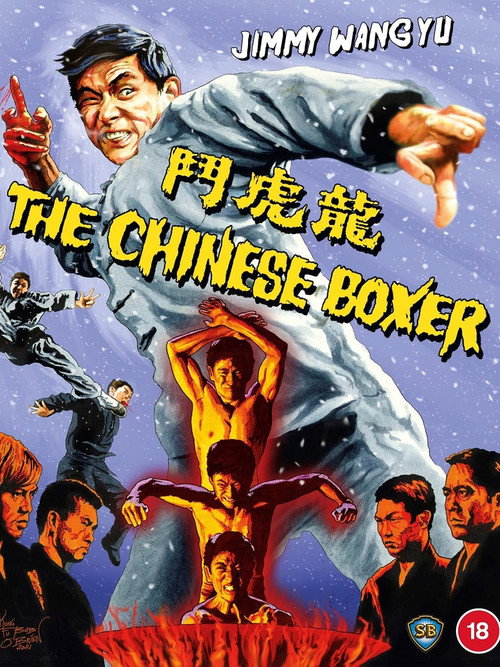
The Chinese Boxer1970
Lo Lieh (the star of your film) carries this tighter, meaner story about honor and revenge through blindness and impossible odds. His performance here is rawer, less polished—more interesting for that reason.
But It's grittier and less fun than *Five Fingers*, which some viewers will read as a step backward rather than sideways.
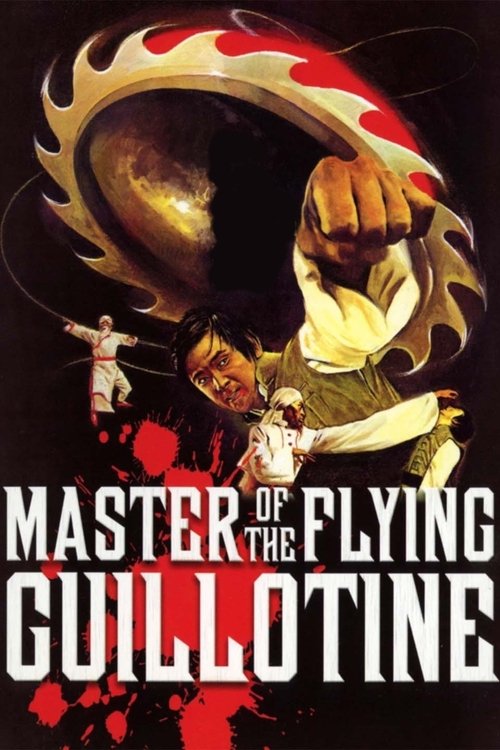
Master of the Flying Guillotine1976
The logical extreme of the kung fu film: a blind assassin with a flying weapon hunts a one-armed martial artist across the landscape. It's gorgeously strange and completely committed to its own premise, however absurd.
But The strangeness isn't subtle or winking—it demands you meet it on its own terms. If you want conventional storytelling, this will test your patience.
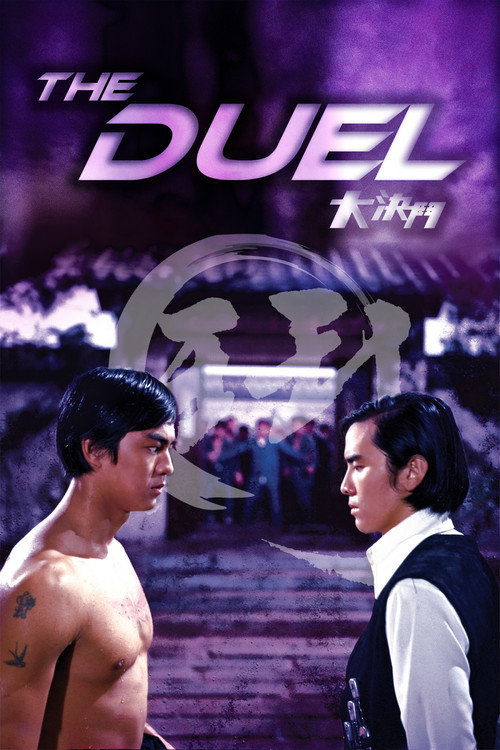
The Duel1971
A pre-*Five Fingers of Death* Shaw Brothers film that shows the studio perfecting the formula. Multiple martial arts styles clash, heroes are tested, the spectacle builds methodically. It's the blueprint before the masterpiece.
But Knowing it's the earlier version means you'll see where *Five Fingers* improves the formula, which can make this feel like homework.
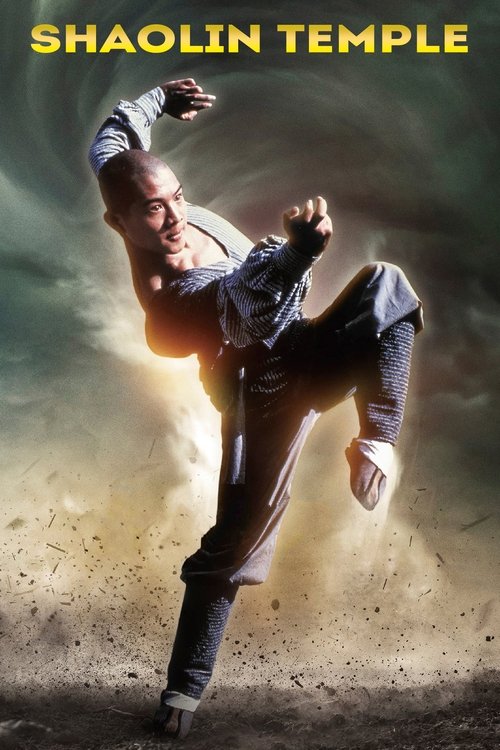
Shaolin Temple1982
Jet Li's film debut, with the scale and production value of a major release. It hits every beat you loved in *Five Fingers*—training, betrayal, tournament, iron palm—but with a star who would redefine the genre.
But The ambition sometimes outpaces the execution, and Li's screen presence hadn't fully crystallized yet. It feels like a prototype of his own brilliance.
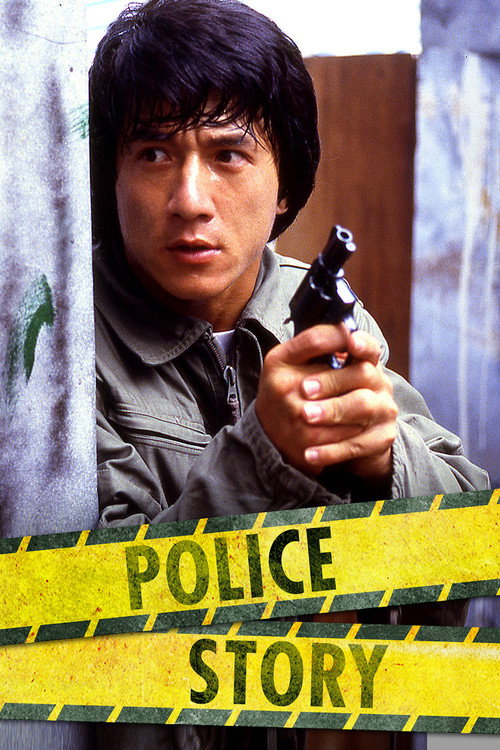
Police Story1985
Jackie Chan's masterpiece, which takes the Shaw Brothers formula and explodes it with stunts that still look impossible. It's exhilarating in a way that makes even great earlier films feel quaint. A genuine evolution of the form.
But It's so much faster and more elaborate that returning to older films afterward can feel slow, which isn't their fault.
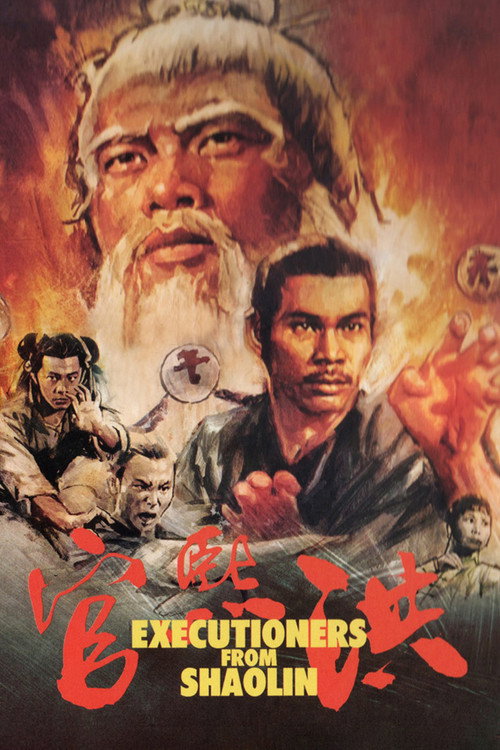
Executioners from Shaolin1977
Another Shaw Brothers gem, this one centered on a kung fu technique born from watching animals. It's inventive and charming in ways that go beyond the usual tournament plot. A deep cut that deserves more love.
But It's less focused than *Five Fingers*, with a meandering structure that will bore viewers who only want clean action beats.
Harakiri1962
Both use martial combat as a language for talking about honor and choice, but where *Five Fingers* celebrates triumph, *Harakiri* interrogates the cost.
Masaki Kobayashi's Japanese masterpiece about a ronin's final stand. It shares the moral clarity of *Five Fingers*—a hero facing impossible odds—but strips away the spectacle to show the real cost of honor. Devastating and beautiful.
But It's a tragedy, not an adventure. Long, formally precise, and ending in ruin. Not what you're asking for, which is exactly the point.

People
Cast
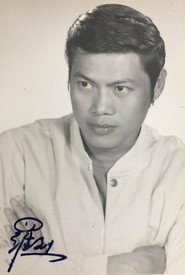 Lo LiehChao Chih-Hao
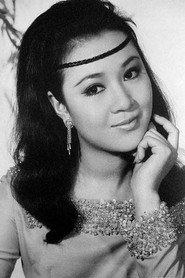 Wang PingSung Ying Ying
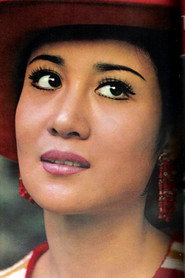 Huang Chin-fengSinger Yen Chu-Hung
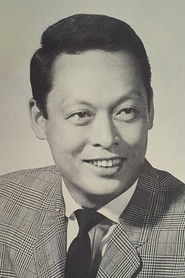 Tien FengMaster Meng Tung-Shan
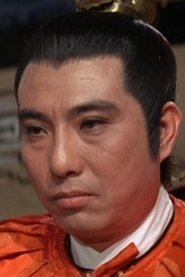 Tung LinMeng Tien-Hsiung
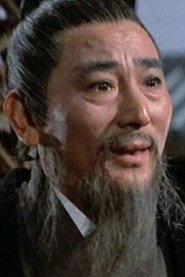 Fang MianMaster Suen Hsin-Pei
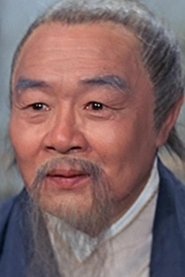 Ku Wen-ChungMaster Sung Wu-Yang
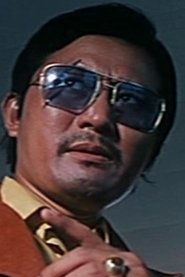 James Nam Seok-HoonHan Lung
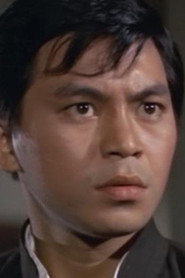 Yau LungTu Wei
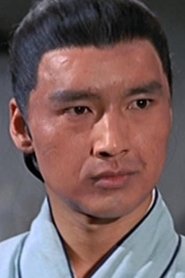 Jin Bong-jinLu Ta-Ming
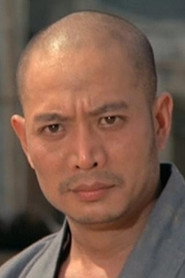 Chan ShenWan Hung-Chieh
- Kim Ki-jooChen Lang
Directing
- Chang Ching-PoAssistant Director
- Shin Ui-GyoonAssistant Director
- Jeong Chang-hwaDirector
Writing
- Patrick Kong YeungScreenplay
Production
- Run Run ShawProducer
- Shin Sang-okProducer
Recommended by
Karate Bear Fighter, Fury of King Boxer, Legendary Weapons of China, One-Armed Boxer, Hand of Death, Heroes of the East