
Film
Hand of Death
A 1976 kung fu film where a young Shaolin monk confronts a tyrannical warlord wielding the devastating Extended Iron Claw technique. It's a brisk, energetic action picture that values nimble choreography over narrative subtlety. Essential viewing for anyone fascinated by the wild variety of pre-1980s martial arts cinema, when every film tested different fighting styles and storytelling approaches.
If you liked this
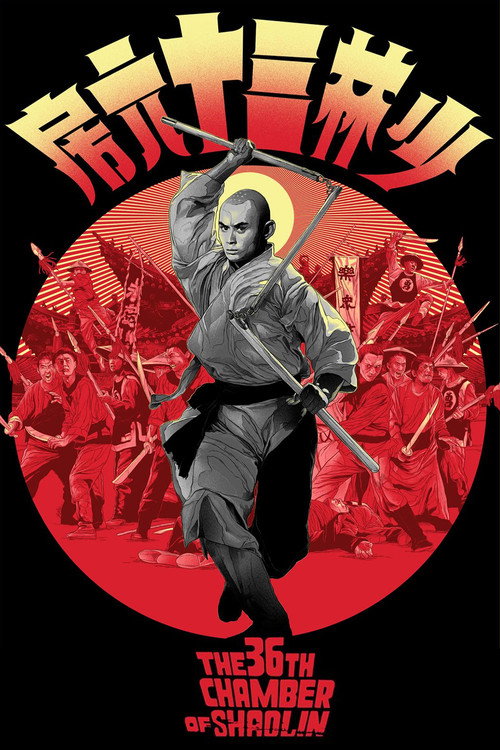
The 36th Chamber of Shaolin1978
Gordon Liu's methodical journey through Shaolin training is hypnotic—each chamber teaches a new weapon or technique, building to exhilarating payoff. The film's structure is both narrative and a showcase for pure martial artistry.
But It's deliberately paced and meditative in stretches. If you need constant action momentum, the training sequences might feel like slow accumulation rather than excitement.
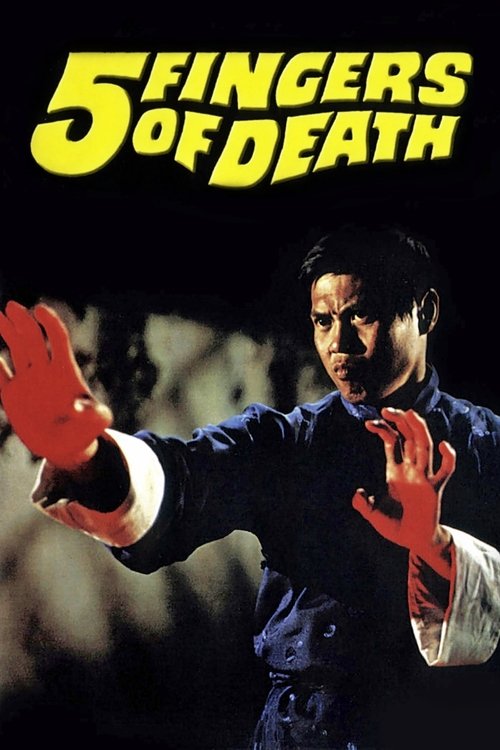
Five Fingers of Death1972
Raw, inventive kung fu with genuine stakes and inventive set pieces. The Yellow Fingers technique is terrifying, and the film builds genuine tension between training sequences and brutal confrontations.
But The picture quality is rough and the dubbing is distracting. Some plotting feels rushed, and it's very much a product of its era's sensibilities about women and story priority.
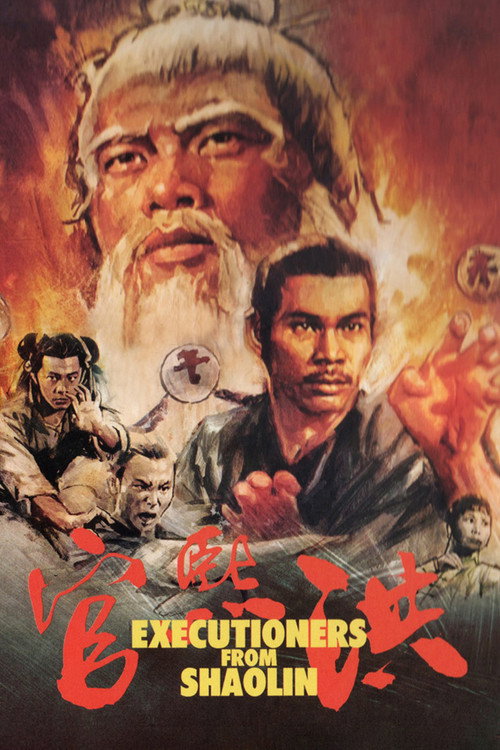
Executioners from Shaolin1977
A masterclass in kinetic fight design. Lau Kar-leung's direction transforms two contrasting kung fu styles into a philosophical duel, and the final confrontation is genuinely moving in its intensity and clarity.
But The emotional beats hang lightly on the action. If you're watching for character development or dialogue scenes, you'll find them thin and functional between the fights.
Not sure tonight? Get a pick in a minute, starting from Hand of Death
The wildcard
Something you would not have found on your own.
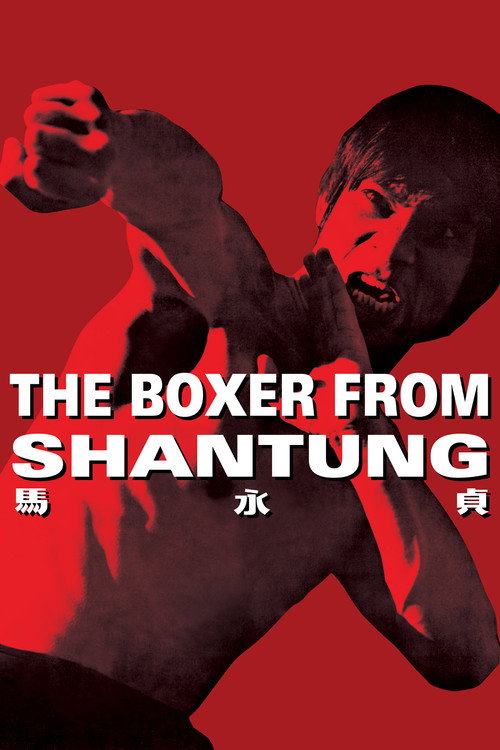
The Boxer from Shantung1972
Both films feature skilled martial artists in conflict with corrupt power, but where Hand of Death plays it as mythic heroism, Boxer from Shantung treats the same story as tragedy—the martial skill is real but insufficient against systems of exploitation.
A brutal, bitter film about a Chinese boxer in post-WWII Manchuria fighting in underground rings. It's martial arts cinema that's interested in desperation and class violence rather than heroic adventure. The boxing is raw and the emotional weight is genuinely heavy.
But It's bleak, violent, and often ugly to watch. There's no uplift or redemption arc—just a skilled fighter trapped by circumstance and corruption. The pacing is slow and the tone is remorseless.
More like this (6)
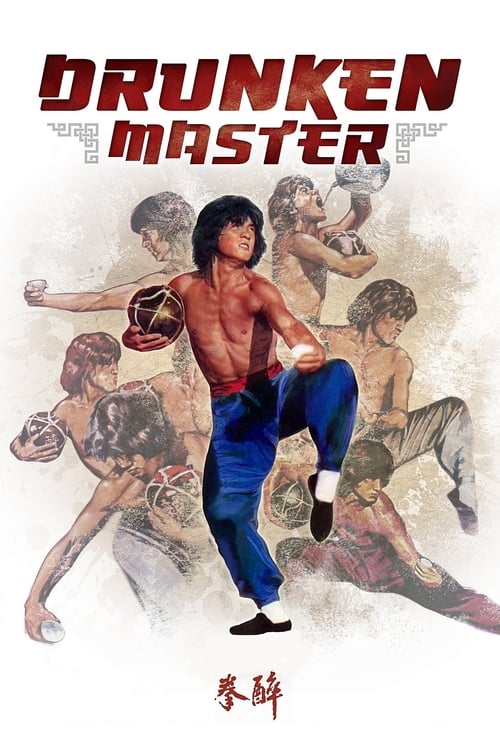
Drunken Master1978
Jackie Chan's breakthrough is pure kinetic joy—acrobatic, inventive, funny without sacrificing impact. The drunk-boxing style is endlessly creative, and the final fight is among the best ever filmed.
But The tone is deliberately comedic and wacky, which undercuts dramatic weight. Some gags date hard, and the dubbed English soundtrack has an almost surreal cheapness to it.
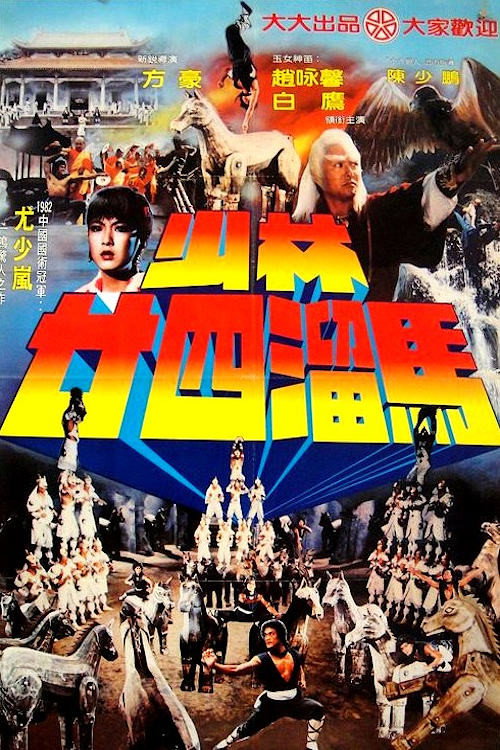
Raiders of the Shaolin Temple1982
Jet Li's film debut, and it's luminous—he moves with a grace that's almost balletic. The monastery setting and training sequences have real spiritual texture alongside the action.
But The plot is secondary to the spectacle, and Li's acting (especially in the dubbed version) is quite wooden. The early-1980s production values look dated and sometimes cheap.
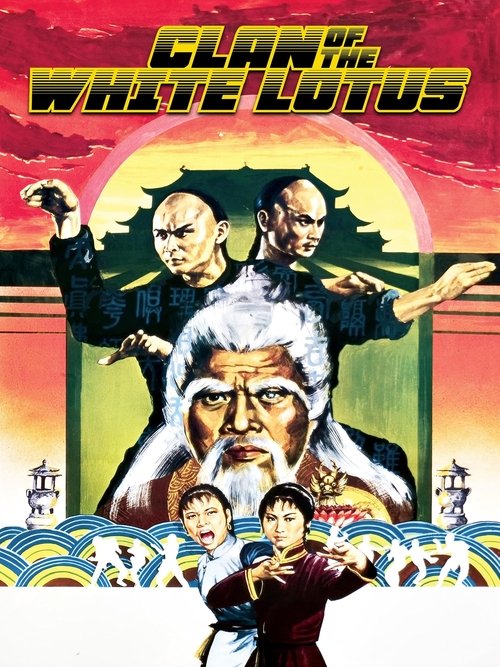
Clan of the White Lotus1980
Lau Kar-leung again, this time as both director and star, fighting an opponent whose technique genuinely unsettles him. The choreography is intricate and the moral complexities feel earned.
But It's a slower burn with less humor than contemporary action films. The story is thin and largely exists as scaffolding for the fights.
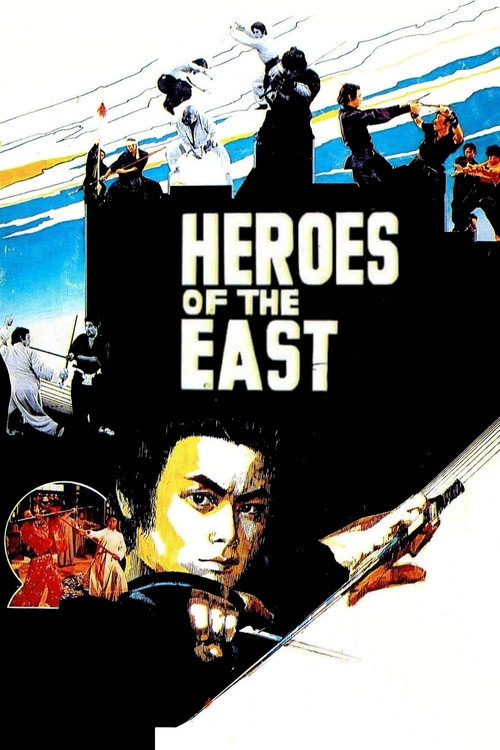
Heroes of the East1978
A fascinating cultural artifact: a kung fu film about Japanese karate versus Chinese martial arts, featuring real masters of each discipline. The fights are tense precisely because the styles are genuinely different.
But The nationalistic framing is earnest and dated, and the romantic subplot is disposable. Some of the early film's color grading is faded and the sound design is thin.
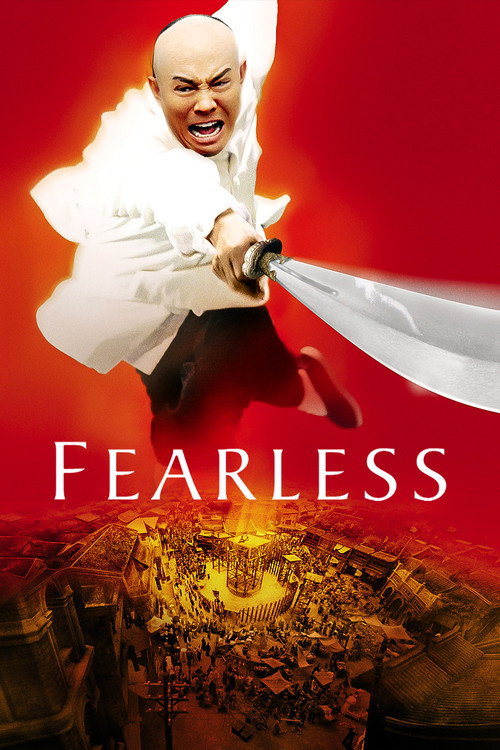
Fearless2006
Same martial-arts-as-cultural-resistance premise, but made 30 years later with vastly larger budget and different assumptions about what an action film should feel like. Watching them together shows how completely the form evolved.
Jet Li in a different era of action cinema, playing a real historical figure (Huo Yuanjia) who fought to restore Chinese pride through martial challenge. The fights are operatic and the film is interested in honor, legacy, and what violence costs.
But It's heavy-handed with its nationalism and sentimentality. The plot is predictable and the dialogue sometimes veers into unintentional comedy. It's very much a prestige action picture, not a lean genre film.
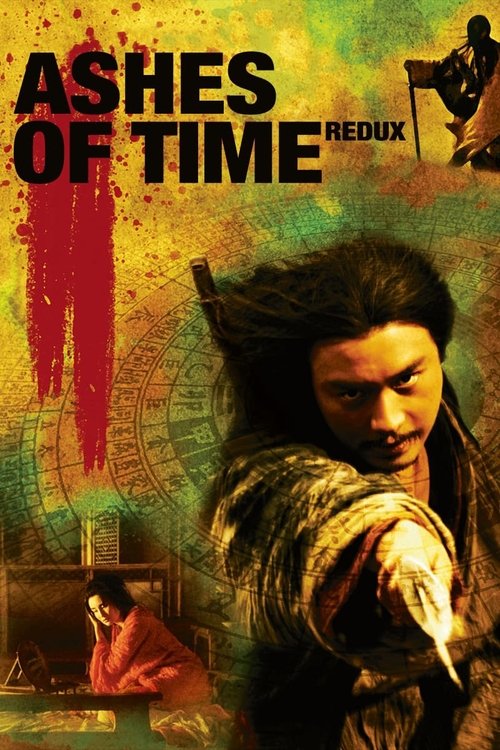
Ashes of Time1994
Both adapt classical martial arts traditions, but Ashes of Time treats that tradition as a dying aesthetic—beautiful, precise, but belonging to a world that's ending. Hand of Death plays it as timeless heroism; this plays it as museum piece being mourned.
Wong Kar-wai's adaption of a wuxia novel is visually stunning—colored silk and diffused light—with fights that are dreamlike and melancholic. It treats martial skill as beautiful and pointless simultaneously. Unlike any kung fu film you've seen.
But It's opaque and deliberately obscure, with fractured narrative and philosophical pretension. If you're watching for clear plot or rousing action, you'll be frustrated. It's slow and mournful, almost elegiac.
People
Cast
 Dorian Tan Tao-LiangYung Fei
 James Tien ChunCommander Shih
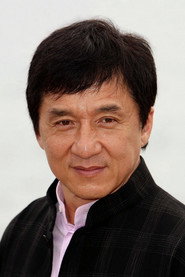 Jackie ChanLittle Tan
- Kim Yeong-sukAutumn Moon
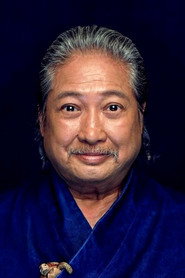 Sammo Hung Kam-boDu Qing
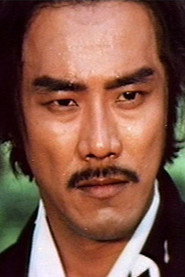 Yeung WaiThe Wanderer
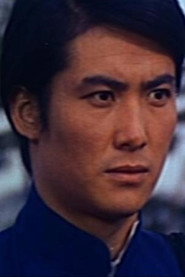 Mu Szu-ChengLittle Tan's Brother
- Kim Ki-jooMa Lieh, "Smiling Fox"
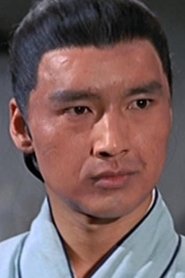 Jin Bong-jinPatriot
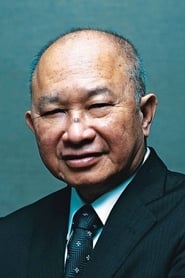 John WooZhang Yi
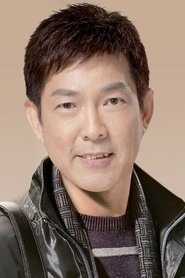 Yuen BiaoSoldier / Spy / Student (uncredited)
- Jo ChoonOne of Shih's 8 Bodyguards
Directing
- Kim Jeong-YongAssistant Director
- John WooDirector
- Kam Joh-KingScript Supervisor
Writing
- John WooScreenplay
Production
- Hwang Yeong-ShilProducer
- Raymond ChowProducer
- Peng ChienProduction Manager
- Wang He-ChangUnit Manager